REVIEW · BARCELONA
Barcelona: PADI Scuba Diver Course Certification Training
Book on GetYourGuide →Operated by iDive Barcelona Diving School · Bookable on GetYourGuide
One day to earn scuba credentials. This Barcelona course is built for speed and safety: you work through PADI Scuba Diver theory in the morning, then finish with three controlled underwater sessions. By the end of the day, you’re already certified and ready to enjoy marine life wherever your travel plans take you.
I especially like the way the training is paced and explained, with instructors like Pau and Alex described as calm, patient, and clear. You’re also not stuck in a giant class, since the group is kept small (up to 6), so questions don’t get lost in the shuffle.
One consideration: underwater visibility can be inconsistent in the training area. Even when training goes great, you may find conditions limit what you can see, so treat the day as skills first, sightseeing second.
In This Review
- Key highlights you should know
- One-Day PADI Scuba Diver Training in Barcelona: What Makes It Work
- Where You’ll Start: The 9:00 Theory Session That Sets the Safety Tone
- The Underwater Skills Block: How the 3 Water Sessions Build Confidence
- Small Group Coaching at I Dive BCN: What a Group of 6 Changes
- Your Checklist: What to Bring (and What to Avoid)
- The Medical Questionnaire: The Serious Part You Shouldn’t Skip
- Pricing in Context: Is $312 Good Value for a One-Day Certification?
- The Underwater Visibility Reality: Setting Your Expectations for the Training Area
- Timing and Flying: The 24-Hour Rule You Need to Plan For
- Who This Course Suits Best (and Who Should Look Elsewhere)
- Should You Book This PADI Scuba Diver Course in Barcelona?
- FAQ
- How long is the PADI Scuba Diver course in Barcelona?
- How many underwater practice sessions do I need?
- Where do I meet for the course?
- What languages are available for the instructor?
- What’s included in the price?
- What’s not included?
- What should I bring?
- How soon can I fly after the course?
- Is the course suitable for everyone?
- FAQ
- Can I get a full refund if I cancel early?
- Is there a way to book without paying everything immediately?
Key highlights you should know
- One-day path to PADI Scuba Diver with theory plus 3 underwater training sessions
- Small group size (up to 6) so you get real attention, not just a checklist
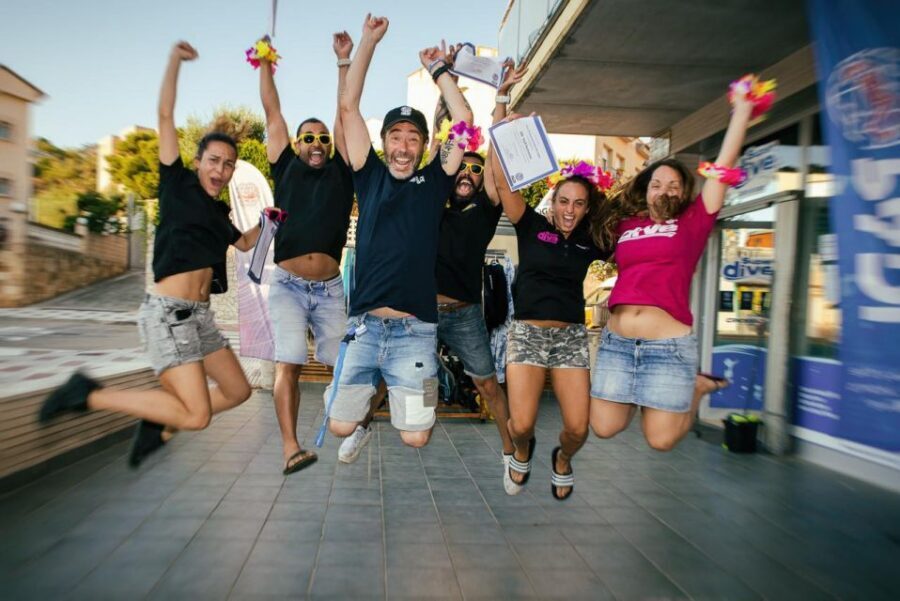
- Experienced instruction and calm coaching, with instructors praised for repeating and clarifying
- Practical theory first (equipment basics and underwater communication)
- No food or drinks included, so plan your day around that
- Medical questionnaire required, and it can stop participation if you need permission
One-Day PADI Scuba Diver Training in Barcelona: What Makes It Work
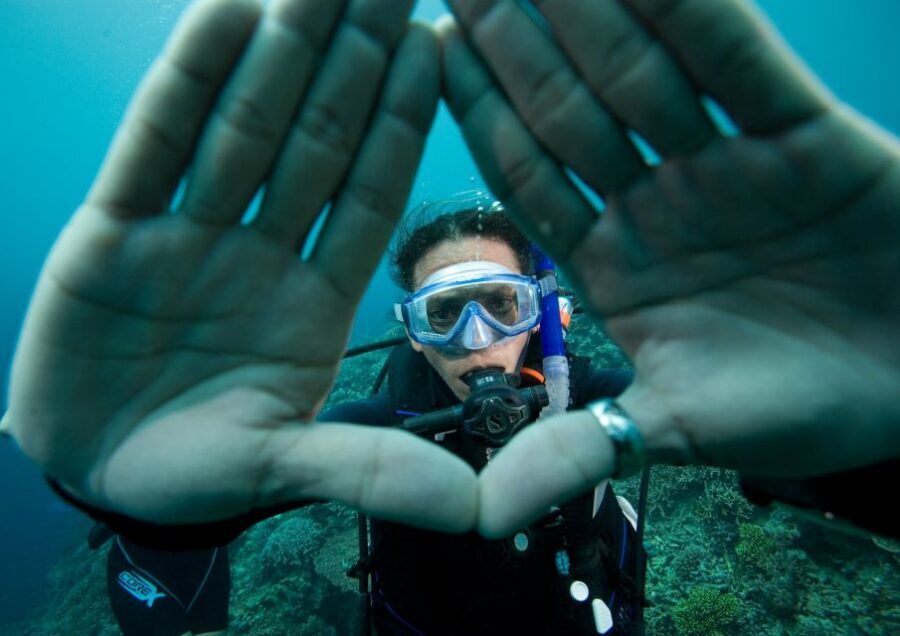
Barcelona is a smart place to learn because it’s set up for short, focused courses. You get a full schedule in one day, starting at 9:00 and running until about 19:00, which is perfect if your time is tight and you want the certification quickly. The training is also structured so you’re not guessing what to do underwater. You learn the why in the morning, then you practice it right after.
The value here isn’t just that the course is short. It’s that you’re paying for the full package you’ll actually use: diving equipment and the PADI certification are included. That matters, because a lot of “cheap” activities quietly charge extra once you add gear, instruction time, and certification fees.
And because the group is limited to 6, you can usually expect the instructor to stay focused on your understanding—not just moving everyone through the same motions. That’s the difference between memorizing steps and actually feeling confident doing them.
You can also read our reviews of more scuba diving tours in Barcelona

Where You’ll Start: The 9:00 Theory Session That Sets the Safety Tone
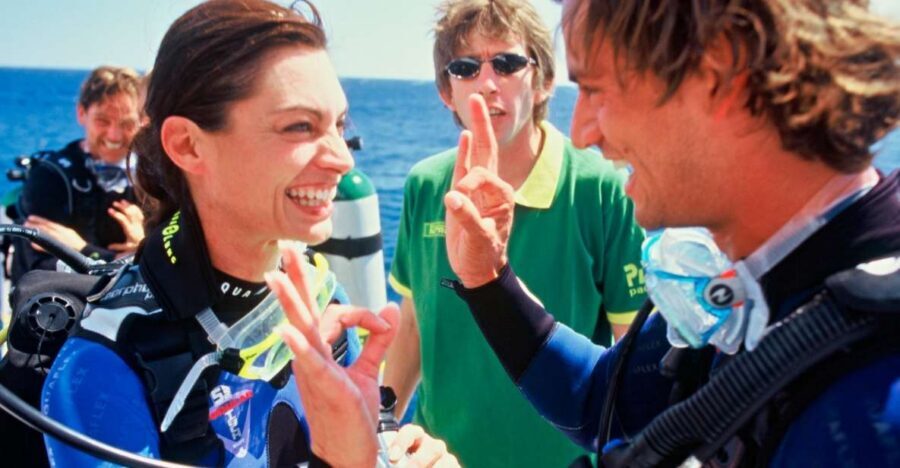
Your day begins with a theory session at 9:00am. This part matters more than many people expect. If you’ve ever watched someone struggle underwater, the problem is rarely “bad luck.” It’s usually missing fundamentals: how equipment behaves, how you manage your breathing, and how you communicate when you can’t rely on voice.
In the classroom, you’ll go over the basics of how the equipment works. You’ll also learn how to communicate underwater, so you’re not silently panicking when something feels off. This is the kind of training that makes your later practice smoother because you know what signals to look for and what responses to give.
From the way instructors are described, you can expect the training style to be patient and repeat-friendly. One person specifically noted how Pau took the time to make sure each student understood the material, never rushing and calmly explaining again when needed. That sort of approach is gold for first-timers.
The Underwater Skills Block: How the 3 Water Sessions Build Confidence
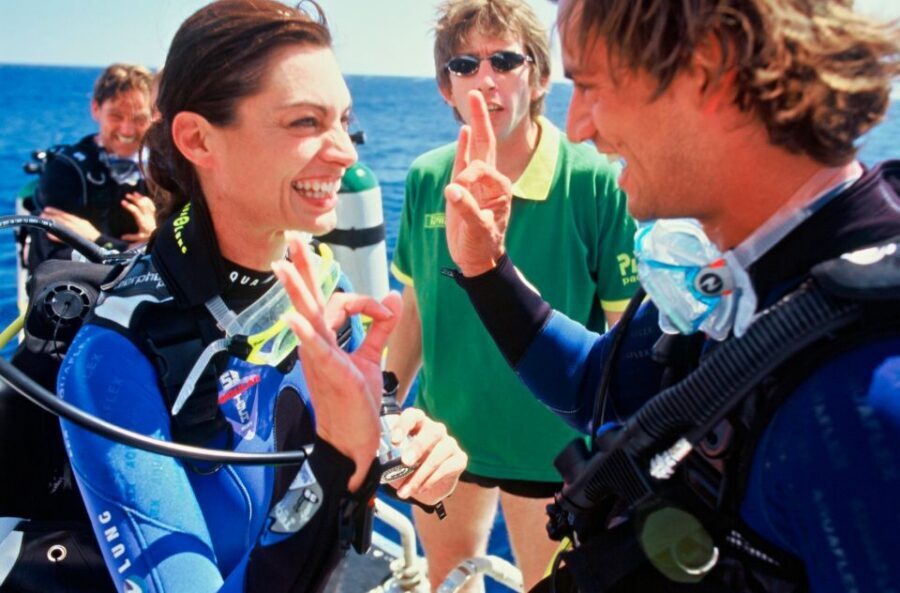
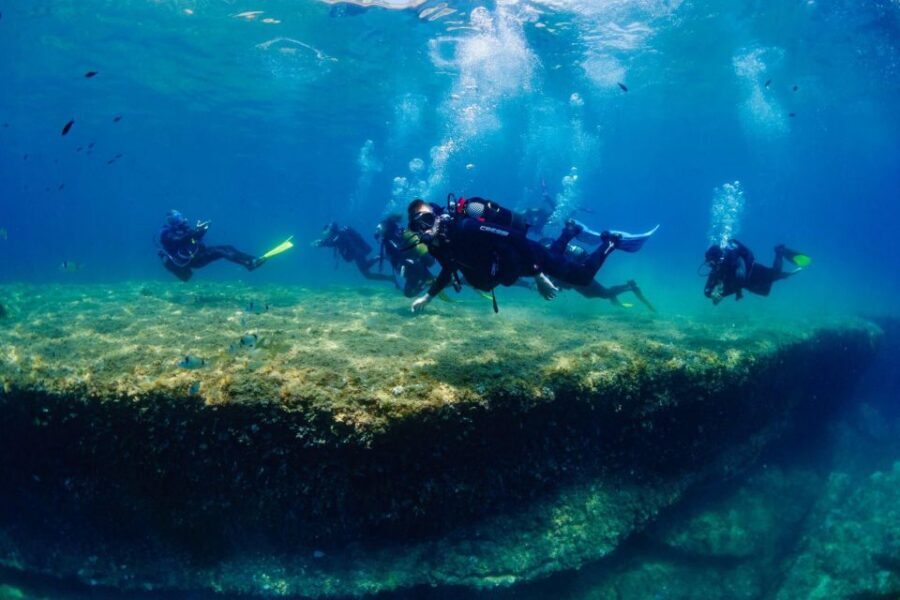
After the theory, you head to the water point for 3 different underwater practice sessions with your PADI-certified instructor. The goal isn’t to throw you into a complicated itinerary. It’s to break the skills into manageable parts, then connect them back to what you learned in class.
Across those sessions, you’ll practice what you covered in theory in a safe and controlled environment. That phrasing is important: controlled doesn’t mean boring, and it doesn’t mean you’re not capable. It means you’re working inside the boundaries that instructors can manage, so your attention stays on learning—not on surviving a chaotic setting.
Here’s what you should mentally prepare for:
- You’ll likely do repeated attempts, not just one-and-done. First-timers often need extra runs to feel relaxed.
- You’ll focus on technique before scenery. If you get a chance to enjoy marine life, great. But the core success metric is comfort and correct skills.
- The instructor will guide you on what to look for and how to respond, especially when you’re communicating underwater.
One review also flagged that water visibility can be poor in the training venue. That’s not uncommon in any learning setting. The practical takeaway: if you’re hoping for a stunning “wow” view, adjust expectations. You’re there to build the foundation so future trips give you better odds of seeing more.
Small Group Coaching at I Dive BCN: What a Group of 6 Changes
You meet at I Dive BCN offices at Av. Diagonal, 72. From there, the day runs as a tight schedule. The small-group setup (up to 6 participants) is one of the biggest quality signals in the course design.
In a group that small, you’re more likely to:
- get direct feedback instead of general tips
- have your questions answered immediately
- move at a pace that matches your comfort level
That’s exactly what people highlighted: instructors felt kind, patient, and thorough, and they took time to make sure everyone felt safe. When someone didn’t get something the first time, the explanation came again without pressure. That approach is not a “nice to have.” It’s part of how certification training stays safe.
Another helpful detail: instructors include Spanish, English, and Italian. If you prefer one of those languages, you’re more likely to understand instructions clearly the first time, which reduces stress underwater.
Your Checklist: What to Bring (and What to Avoid)
This course is one day, but you’ll still want to show up prepared so you don’t waste time. Bring:
- Swimwear
- Towel
- Beachwear
That’s it for the core items listed, so don’t overpack your day with extra assumptions. If you know you get cold easily, plan based on your own comfort, not on what’s promised.
There are also clear rules:
- No alcohol and drugs.
- You need to be in good health, and you can’t be taking prescribed medications that apply under the medical requirements.
The day also depends on punctuality. You’re required to arrive 15 minutes before the 9:00am start. Late arrival means you won’t be allowed to participate, and there are no refunds or rescheduling due to being late. So build in buffer time on your end.






The Medical Questionnaire: The Serious Part You Shouldn’t Skip
When you arrive, you fill out a medical form. Then the course provider checks whether your answers indicate you need medical permission. If you do, you won’t be allowed to carry out the activity. And in that case, the money isn’t returned and no alternative appointment is made.
This is not the moment to guess or hope it will be fine. Read your own answers carefully and be honest. The rules are strict because underwater training has safety requirements that can’t be improvised.
The course also lists people who are not suitable, including:
- children under 12
- pregnant women
- people with back problems
- people with heart problems
- people with mobility impairments and wheelchair users
- people with respiratory issues
- people with diabetes
- people with pre-existing medical conditions
- people with recent surgeries
- people over 70
If any of these apply to you, the safest move is to treat this course as not a fit and look for a different path that can accommodate your needs. If you’re unsure, the medical questionnaire is your reality check.
Pricing in Context: Is $312 Good Value for a One-Day Certification?
The price is $312 per person, and it’s not just a “try it” experience. You’re paying for:
- a full day of instruction (theory + 3 underwater practice sessions)
- diving equipment
- PADI certification
The value question is whether those included items justify the total versus booking separately. In this case, you avoid the common hassle of sourcing gear and paying additional certification-related costs elsewhere. You also get the benefit of instruction time packed into one day, which is often the most expensive part if you tried to spread it out.
A smart way to think about value is this: if you’re serious about becoming certified, paying for a structured course that ends in certification is usually cheaper than piecing together half-days and guesswork. And because the group is small and the teaching style is described as patient and safety-focused, you’re not just buying access to water—you’re buying time with an instructor who will help you understand.
The Underwater Visibility Reality: Setting Your Expectations for the Training Area
One review mentioned terrible water sight and not much to see around the training area. That’s a reminder that “underwater training” isn’t the same as a scenic marine-life excursion.
Here’s what you can do with that info:
- Treat the day as a skills course, not a sightseeing guarantee.
- If you’re hoping to see lots of marine life, plan to do that after you’re certified, on a trip where conditions are more favorable.
- Focus on what’s under your control: listening, practicing, and following your instructor’s guidance.
If the water is less clear than you hoped, your best bet is to stay locked into your training goals. You’ll still learn the core abilities that make future dives more enjoyable.
Timing and Flying: The 24-Hour Rule You Need to Plan For
You finish the course at 19:00pm, and you’re already certified. But you also need to respect an important schedule note: you must wait 24 hours before flying after the course.
That can affect how you plan your travel out of Barcelona. If your flights are tight, check your departure time early and don’t assume you can “work around” the rule. This is the kind of constraint that sneaks up on people who booked later in the day.
Who This Course Suits Best (and Who Should Look Elsewhere)
This course is a good fit if you:
- want one-day certification with only 3 underwater practice sessions
- prefer small-group instruction
- want clear, patient coaching (the teaching style is repeatedly praised)
- can meet the medical and health requirements
You might want to skip it if:
- you fall into one of the listed not-suitable categories
- you’re dealing with medical uncertainty that could trigger the permission requirement on the medical questionnaire
- you can’t realistically show up 15 minutes early and stay for the full schedule
It also suits people who value skill-building over sightseeing. If you’re the type who likes to understand the “how” before chasing the “wow,” you’ll likely enjoy the structure.
Should You Book This PADI Scuba Diver Course in Barcelona?
Yes, if you want a structured, safety-first path to certification in one day, and you appreciate teaching that stays calm and clear. The best part of this setup is the combination of short duration, included equipment, and small-group coaching that helps you actually understand what you’re doing underwater.
I’d think twice if your main goal is scenic underwater viewing. Training venues can be hit-or-miss for visibility, and the course focus is certification skills, not a marine-life show.
If you can follow the punctuality rule, pass the medical questionnaire requirements, and plan your flight with the 24-hour wait, this is a practical way to get PADI Scuba Diver certified in Barcelona without dragging your schedule across multiple days.
FAQ
How long is the PADI Scuba Diver course in Barcelona?
It lasts one day. The theory session starts at 9:00am and the day finishes at 19:00pm, with the certification completed during that time.
How many underwater practice sessions do I need?
You’ll do 3 different underwater sessions as part of the course.
Where do I meet for the course?
You meet at I Dive BCN offices in Av. Diagonal, 72.
What languages are available for the instructor?
The instructor languages listed are Spanish, English, and Italian.
What’s included in the price?
Diving equipment and your PADI certification are included.
What’s not included?
Videos or photos are not included, and food or drinks are not included in the activity.
What should I bring?
Bring swimwear, a towel, and beachwear.
How soon can I fly after the course?
You must wait 24 hours to fly after the course.
Is the course suitable for everyone?
No. It’s not suitable for children under 12, pregnant women, people with back problems, mobility impairments, heart problems, respiratory issues, diabetes, pre-existing medical conditions, recent surgeries, people over 70, or wheelchair users.
FAQ
Can I get a full refund if I cancel early?
Yes. The course offers free cancellation up to 24 hours in advance for a full refund.
Is there a way to book without paying everything immediately?
Yes. The option listed is Reserve now & pay later, so you can book your spot and pay nothing today.
—
If you tell me your travel dates and whether you’re flying soon after, I can help you sanity-check the timing around that 24-hour rule.