REVIEW · BARCELONA
Discover PADI Diving in Barcelona
Book on Viator →Operated by iDive Barcelona Diving School · Bookable on Viator
Scuba is a fast reality check. This PADI beginner underwater session turns nerves into skills with a calm, step-by-step setup right on Barcelona’s beach. I love how the training starts with a full equipment walk-through and simple underwater communication, then lets you go 30–40 minutes underwater with an instructor right there. The main thing to consider: this is beginner-focused, so you shouldn’t expect an open-ocean, big-visibility adventure every single time.
What makes it especially appealing in Barcelona is the practical format: small groups of up to six and a schedule built around safety first. You’ll also leave with souvenir videos, so you get proof you actually did it. One possible drawback is the safety limits—if you’re not comfortable controlling buoyancy, your instructor may adjust how long you stay down.
In This Review
- Key highlights worth planning for
- A Beginner-Friendly PADI Scuba Intro on Barcelona’s Beach
- Meeting at Passeig Marítim del Bogatell: The Start Matters
- The 1st Hour: Gear, Signals, and a Safety-First Mindset
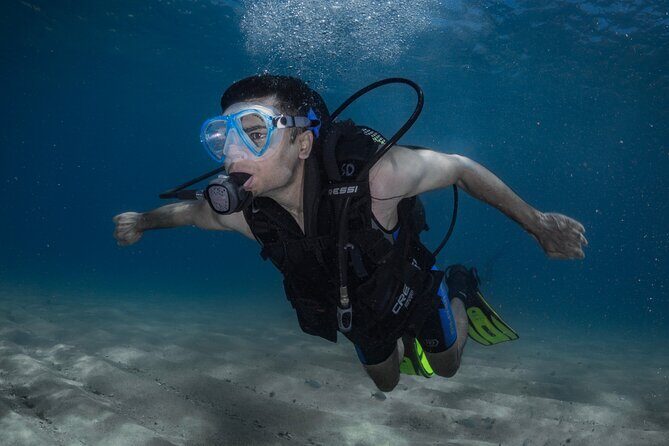
- Your 30–40 Minutes Underwater (Yes, You Get Real Time)
- The Protected-Water Setup by Bogatell: Great for Beginners, Read the Room
- Souvenir Videos: Nice Add-On, But Safety Drives Everything
- Small Groups of Six: Why This Really Changes the Experience
- Who Should Book This, and Who Should Skip It
- Price and Value: $83.27 for 2 Hours of Real Instruction
- Tips to Get the Most From Your First Underwater Session
- Should You Book This PADI Scuba Session in Barcelona?
Key highlights worth planning for
- Up to six people means less waiting and more one-on-one attention while you learn.
- First hour is classroom-style training: gear, underwater signals, and what the experience will feel like.
- About 30–40 minutes underwater gives you real time to relax, not just a quick taste.
- Souvenir underwater videos are made during your session, so you don’t need to bring gear for it.
- Protected-water setting by Bogatell keeps the experience beginner-friendly and controlled.
- No flying for 12 hours after the activity is a real rule here—plan your travel day accordingly.
A Beginner-Friendly PADI Scuba Intro on Barcelona’s Beach
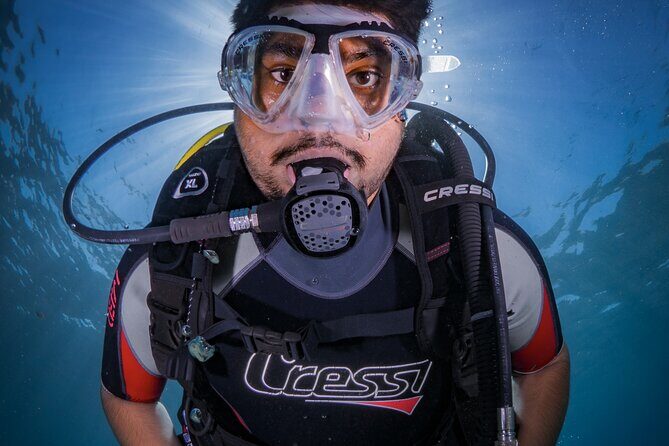
If you’re curious about scuba but don’t want chaos, this is the kind of guided intro that makes sense. You’re not thrown into the deep end of the learning curve. Instead, you’re taught how the equipment works, how to communicate underwater using signals, and what your body needs to do to stay comfortable.
Barcelona helps too. Most cities don’t offer a beginner-friendly setup in an easy-to-reach coastal area. Here, you’ll be working with instructors in a controlled spot near the sea, which is exactly what you want when you’re learning buoyancy and breathing at the same time.
The best part for me is the tone: it’s designed for people who have never done this before. That means the pace is meant to build confidence, not impress you with speed.
You can also read our reviews of more scuba diving tours in Barcelona

Meeting at Passeig Marítim del Bogatell: The Start Matters
Your meeting point is Passeig Marítim del Bogatell, 3574, Sant Martí, 08019 Barcelona. You should show up 15 minutes early. Late arrivals aren’t admitted, and there’s no rescheduling or refund if you miss your start time.
This is one of those details that can ruin a good day if you ignore it. Barcelona transit can be great, but times still matter. Give yourself a buffer so you can check in calmly and get suited up without rushing.
You’ll also get a mobile ticket, and you’ll receive confirmation at booking time. That’s handy if you’re juggling sightseeing and don’t want extra paper.
The 1st Hour: Gear, Signals, and a Safety-First Mindset
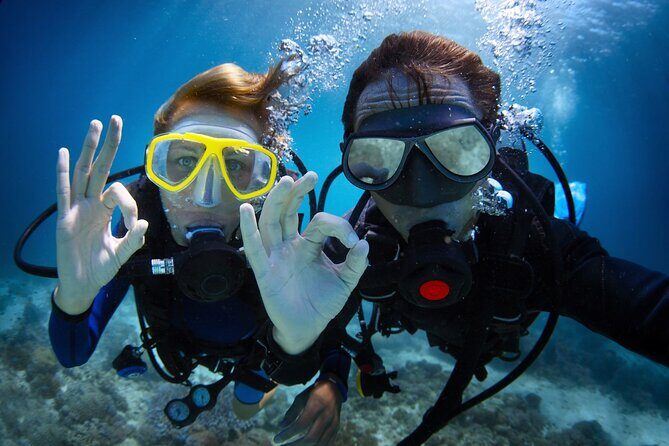
The schedule is straightforward. You spend about the first hour on theory and setup before you go underwater. Expect instruction on how the equipment works and how to use underwater communication—specifically with simple sign language.
This matters more than you might think. When you’re a first-timer, your brain is busy just figuring out breathing through the regulator and controlling your position. If you don’t know the signals and equipment basics ahead of time, you’ll spend the session guessing. Here, the training is there to reduce guessing.
You’ll also get a clear idea of what the activity will look like. That includes how the instructors handle guidance, what you’ll practice, and what to do if you feel unsure. Multiple instructors are praised for being patient and encouraging, including names like Pau, Julia, Hugo, Alex, Lucas, David, Christian, and Oscar—all tied to the same theme: calm, controlled instruction.
Your 30–40 Minutes Underwater (Yes, You Get Real Time)
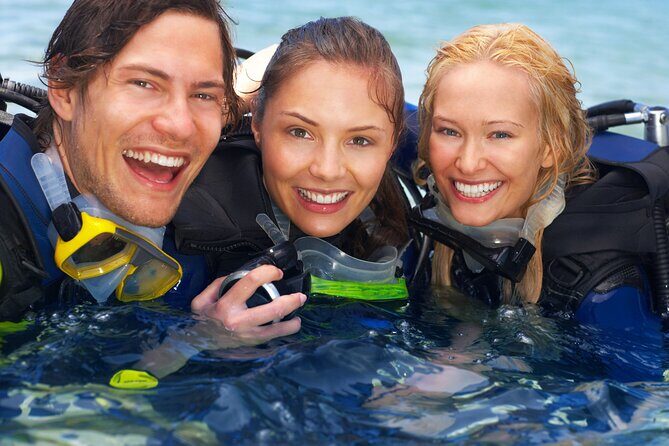
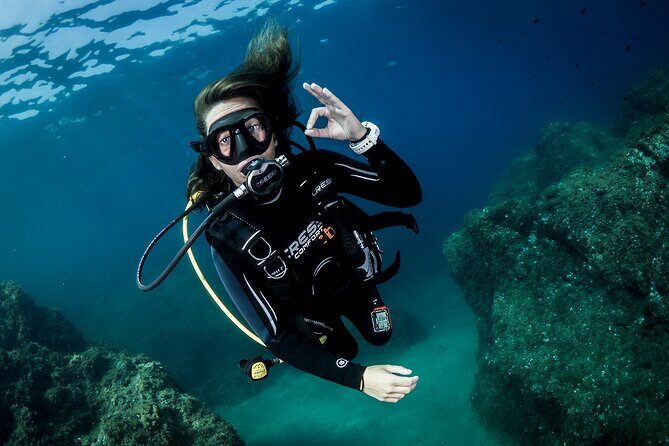
After training, you’ll go in. You should plan for roughly 30 to 40 minutes underwater, depending on how your comfort and performance go during the session.
You’ll also make underwater videos during your time down. That’s a nice value add because it saves you from bringing a waterproof camera setup. Instructors guide the process, so you don’t need to be thinking about filming while you’re learning.
One practical note: visibility can vary. Some people are expecting perfect conditions and end up surprised by water clarity. If you’re visiting after rain or weather shifts, you might get hazier water. Even then, you can still see fish and bottom life, and the real win is learning to breathe, balance, and relax underwater.
The Protected-Water Setup by Bogatell: Great for Beginners, Read the Room
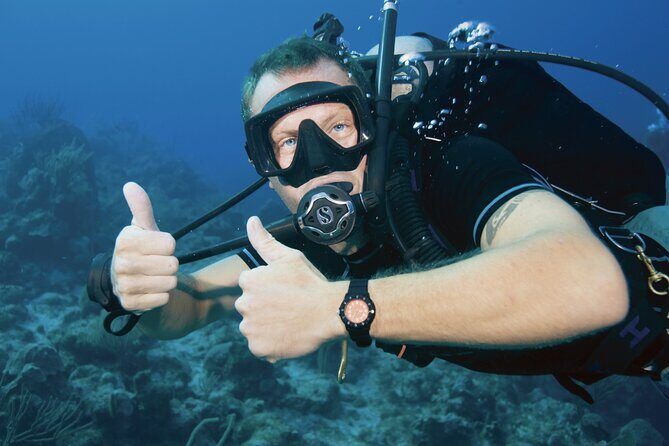
This experience happens in a protected area near the beach. The goal is to keep it beginner-friendly: no boats in the training zone and less external pressure while you learn.
That’s why it works well for first-timers. You’re not fighting waves, current, or distance. You’re focusing on technique and comfort with a guide. Many people describe the site as safe and controlled, especially for someone doing their first session.
The possible drawback is expectation. If you’re hoping for a wide-open ocean look or dramatic scenery, you may feel underwhelmed. Some people have described it like a small enclosed area. You can still see sea life, but you’re not going to get the same feeling as a big offshore excursion.
For most first-timers, that trade-off is worth it. Learning to scuba in a stable environment is how you build the next step—either certification later or just the confidence to go again.






Souvenir Videos: Nice Add-On, But Safety Drives Everything
Your session includes souvenir videos made during the experience. That’s great because it gives you something to share without needing extra gear.
At the same time, safety controls the session flow. If an instructor needs to pause, hold, or guide you more directly—especially if you’re having trouble with buoyancy—then video time can shift. In one unhappy experience, the guest felt they didn’t receive usable video and the dive was shortened due to buoyancy issues. That doesn’t mean it will happen to you. It does mean you should treat video as a bonus, not a guarantee of a perfect record.
The upside: in the many positive experiences, instructors like Hugo and Alex are praised for giving enough time to orient in the water and help you feel supported. When you feel steady, you’re more likely to get the full experience (and the video moments that come with it).
Small Groups of Six: Why This Really Changes the Experience
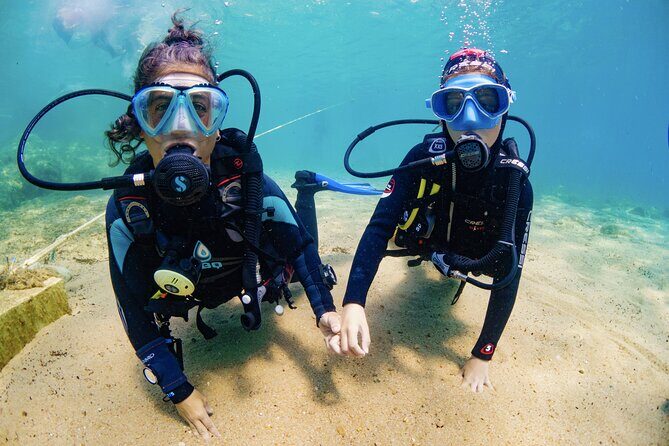
This is not a mass event. The group max is six people, and that’s a big deal for a first scuba try.
When you’re learning buoyancy and signals, you want instructors to watch you closely. Small groups mean fewer students, more check-ins, and faster help when you need it. Multiple accounts highlight instructors who take time to go over gear carefully and stay attentive underwater.
If you’re a nervous first-timer, this matters. It’s easier to settle when you know someone is actively monitoring you, not just moving the group along.
It also helps with pacing. You don’t have to keep up. Your instructor can guide you through the steps in a way that matches your comfort.
Who Should Book This, and Who Should Skip It
This experience is designed for complete beginners. If you want a first underwater taste with training built in, this fits.
It’s also a decent fit if you like structured teaching. The first hour is not vague. You get equipment instruction and underwater communication from the start.
What to watch: it’s not recommended for people with respiratory or ear diseases. It’s also not recommended if you take prescription medicines. If you’re unsure, ask your doctor first. This is one of those situations where “I feel fine” isn’t enough.
Another clear consideration is your travel plan. A flight is not possible for 12 hours after the activity. If you have an airport day, aim to do this well before departure.
Price and Value: $83.27 for 2 Hours of Real Instruction
It costs $83.27 per person, for about 2 hours total. On paper, that’s easy to compare with other short first-timer options. In practice, the value comes from what you get inside that time.
Here’s what you’re paying for:
- Structured training in the first hour, not just a gear handoff
- Professional instruction with close supervision (small group size)
- A real underwater segment of around 30–40 minutes
- Souvenir underwater videos you don’t have to plan or capture yourself
And you don’t have to show up with scuba equipment. Equipment is provided, and that’s repeated in the feedback. For a first session, that alone makes it a better deal than DIY setups where you later discover you’re missing something.
The fact that it’s often booked around 9 days in advance is another signal. People plan beach days around this. If you’re set on going, don’t wait until the last moment.
Tips to Get the Most From Your First Underwater Session
A few practical things can make your day smoother:
- Bring a towel and swim shorts if you have them. People mention they come prepared this way.
- Eat lightly before you go, and drink water beforehand. You’ll be suiting up and focusing hard.
- Listen carefully during the equipment explanation. Your comfort underwater starts there.
- If you’re feeling nervous, communicate it early. Instructors are used to first-timer jitters.
- If you get guided differently than you expect while underwater, remember: they’re managing your safety and buoyancy.
Also, if you’re given hand signals, treat them as signals, not conversation. One humorous tip from an instructor’s advice: don’t confuse training guidance with the idea that you’re supposed to do gestures for fun. Do what they ask, and you’ll feel better fast.
Should You Book This PADI Scuba Session in Barcelona?
Book it if you want a safe, beginner-built way to go underwater in a place where you can get real guidance. The small group size, patient instruction, and clear first-hour training make this a strong choice for first-timers. I also like that you’ll leave with underwater videos, which turns the memory into something you can actually keep.
Skip it if you have ear or respiratory issues, take prescription medicine, or your schedule includes a flight within 12 hours. Also skip if you’re expecting open-ocean scenery and huge wildlife encounters as the main event. This setup is about learning comfortably and safely, not about chasing the biggest view.
If that sounds like your goal—learn scuba basics, feel supported, and enjoy the novelty of being underwater—you’ll likely have a great time on Barcelona’s coast.