REVIEW · BARCELONA
Barcelona: Picasso Museum Guided Tour
Book on GetYourGuide →Operated by Julia Travel Gray Line Spain · Bookable on GetYourGuide
Picasso gets real fast once you’re inside. This guided visit is built around the one thing most people can’t do on their own: connect the dots between Picasso’s life and the way his style changed. You start with a short walk from Fossar de les Moreres, then head straight into the museum rather than burning time waiting.
What I like most is the combination of skip-the-queue entry and a live guide who keeps the story moving. The second big win is the setting: the museum isn’t one plain building. It’s spread across five palaces, built between the 13th and 14th centuries, so the architecture adds texture to what you’re seeing. One drawback to consider: the meeting point can be tricky to find if you arrive late or don’t check the exact instructions for your option, and pace can vary with how many groups are running back-to-back.
In This Review
- Key Takeaways Before You Go
- Starting at Fossar de les Moreres: Your tour’s first good decision
- Skip-the-line entry and the museum’s five-palace layout
- The guided storyline: youth to Picasso’s final years
- Five periods you’ll start noticing (and what to watch for)
- Guide style and pacing: what can make or break the visit
- Price and value: what $42 buys in real time
- Planning tips that actually help during the visit
- Should you book this Picasso Museum guided tour?
- FAQ
- How long is the Barcelona Picasso Museum guided tour?
- Where does the tour meet?
- Is the tour guided in English?
- What’s included in the price?
- Does this tour skip the queues?
- What group size should I expect?
- Is it suitable for young children?
- Can I stay in the museum after the tour ends?
- What are the cancellation options?
- What should I bring with me?
Key Takeaways Before You Go
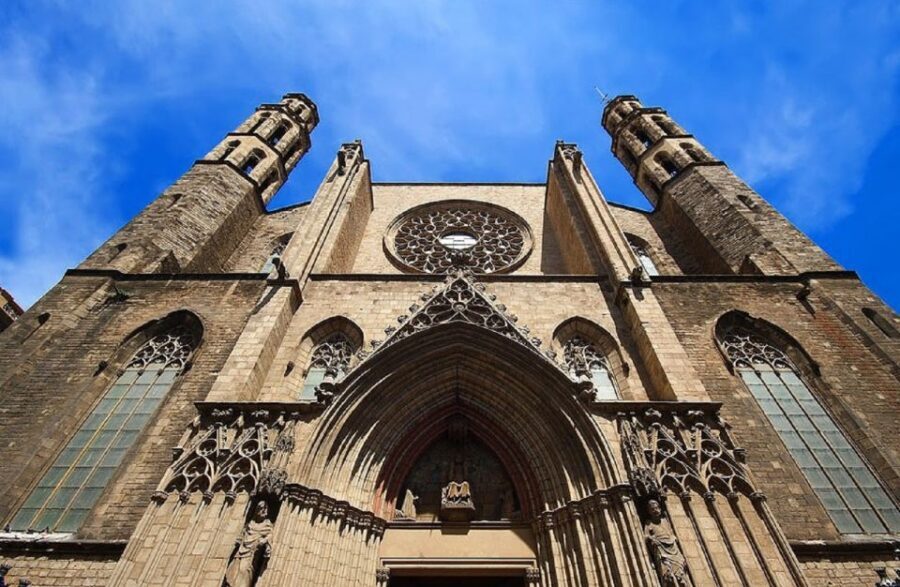
- Skip the queues so you can spend more time looking and less time waiting
- Five palaces, one museum gives you a walk-through feel, not a single room checklist
- 3,500+ works lets you track Picasso’s development from youth to his final years
- Five artistic periods explained (blue, pink, cubist, neoclassical, surrealist)
- Small group size (max 20) helps the guide manage questions and flow
- Stay after the tour if you want extra time with the pieces that grab you
Starting at Fossar de les Moreres: Your tour’s first good decision
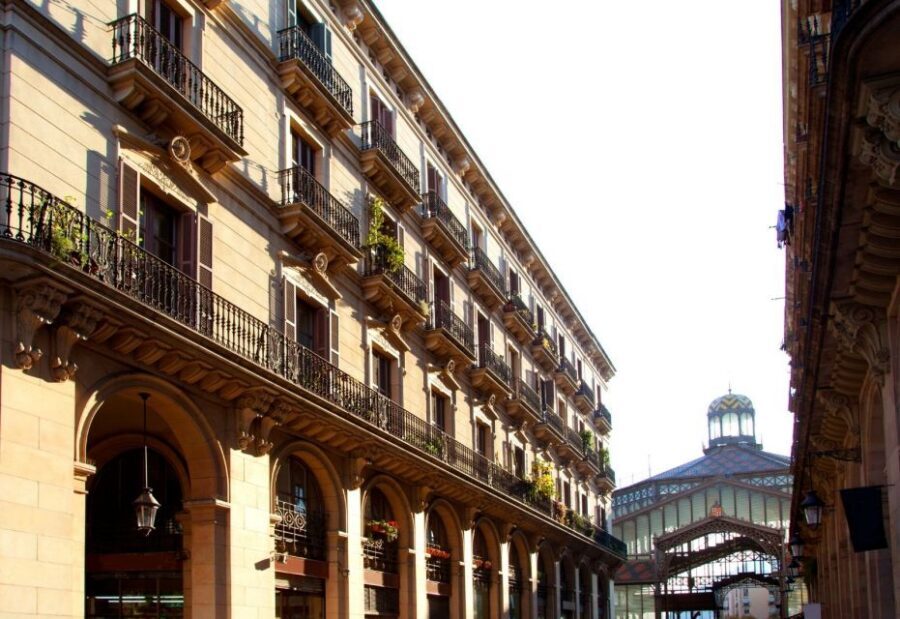
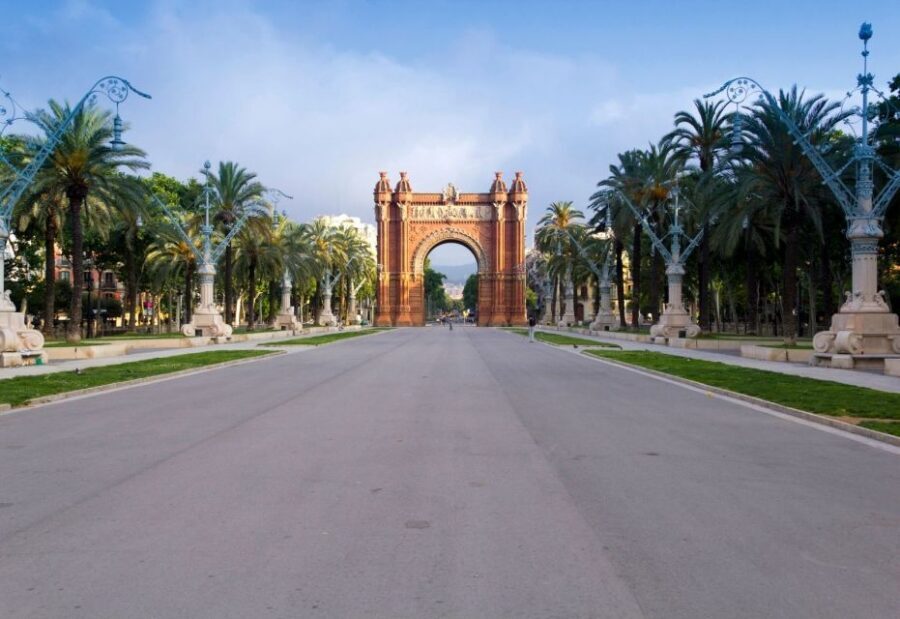
The meeting point is Fossar de les Moreres (though it may shift depending on the exact option you booked). That matters more than it sounds, because this tour is short—about 1.5 to 2 hours—and you’ll feel any delays. The good news: once you’re pointed in the right direction, the walk to the Picasso Museum is described as nice and short, which keeps the energy up before you start absorbing artwork.
If you like arriving with momentum, this setup is smart. You’re not starting with a long transit chore, and you’re not trying to orient yourself inside a busy museum while everyone is already moving. The tour is also English-language, and it uses a radio system, which helps when groups are winding through multiple spaces.
Practical tip: bring your passport or ID card. It’s specifically listed, and it’s the kind of small snag that’s easy to avoid.
You can also read our reviews of more guided tours in Barcelona



Skip-the-line entry and the museum’s five-palace layout
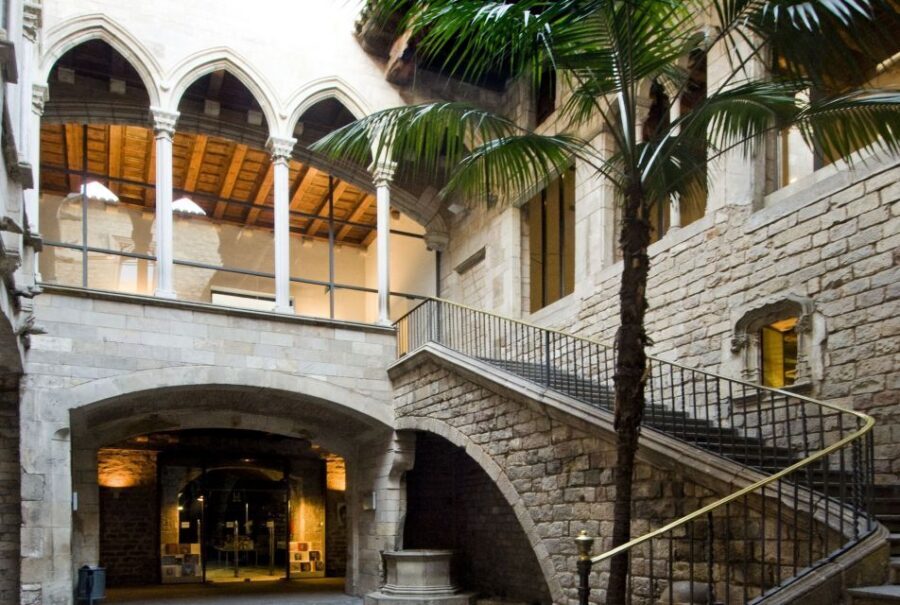
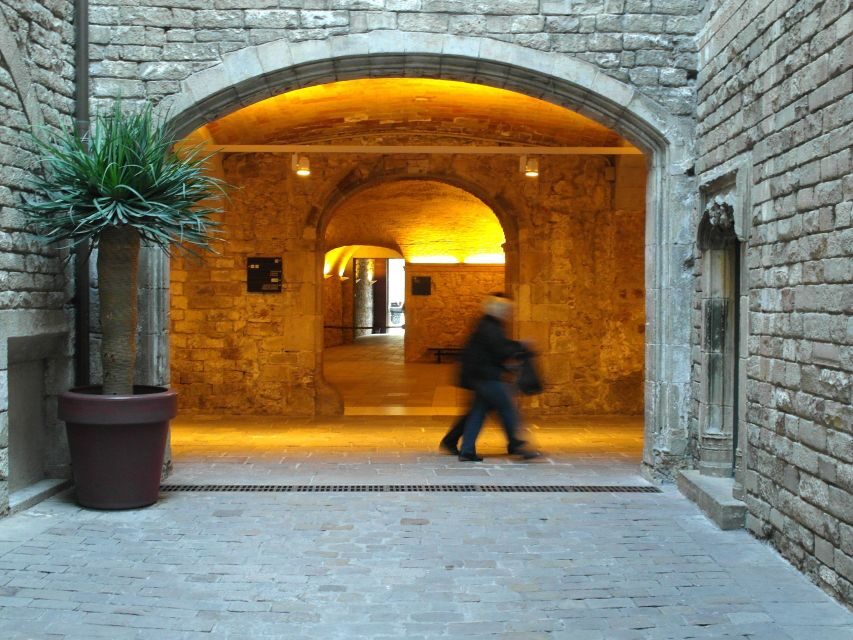
Once you’re inside, the museum experience feels different from the usual “gallery loop.” The Picasso Museum started in one building (the Palau Aguilar), then expanded over time into what you’ll see today: five different palaces. They were built between the 13th and 14th centuries, so you get a mix of historic architecture and modern curating.
Why that matters for you: you’ll naturally slow down in older spaces. Stone corners, stairways, and changing room sizes make you look longer, because the museum doesn’t read like one long hallway. And it helps when your guide is explaining Picasso’s growth—moving between buildings gives your brain a reset between themes.
Another value point: the tour includes your Picasso Museum admission, a live guide, and the radio system. In plain terms, you pay for the whole “guided entry + guided hearing” package, which can be more time-efficient than buying tickets and trying to follow along with printed labels.
The museum is also big enough—said to have more than 3,500 works—that skipping the queue is not just about convenience. It’s about giving you enough time to see the highlights with context instead of rushing to beat the clock.
The guided storyline: youth to Picasso’s final years
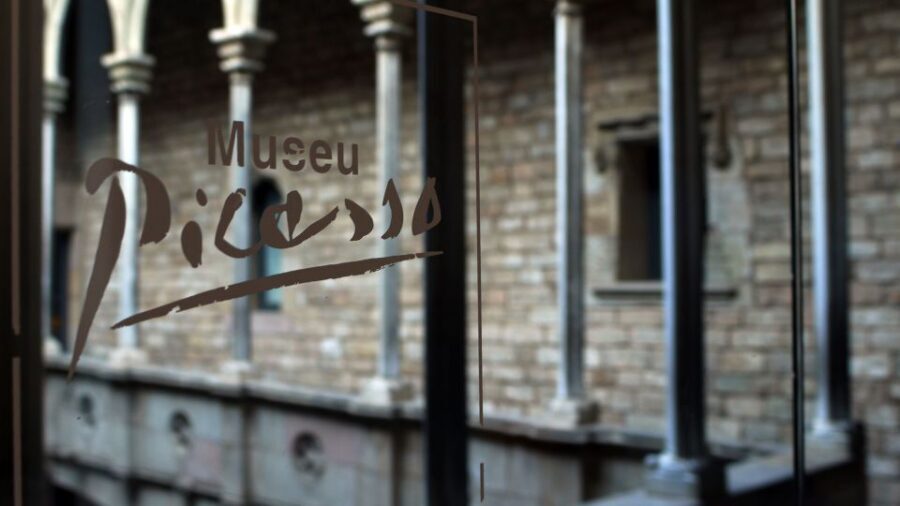
This tour isn’t just a quick tour of famous paintings. It’s designed as an artistic evolution walk—Picasso from his youth through his death—plus a focused look at his years in Barcelona.
One of the most useful parts for you is the emphasis on his Barcelona period between 1895 and 1904. If Barcelona is your base, that local timeline turns the city from a backdrop into a character in the story. You’re not only learning what Picasso painted; you’re learning why this place mattered in the way his art developed.
The guide’s job here is to connect the dots across periods. You’re told to expect explanations tied to five periods that mark Picasso’s lifetime: the blue, pink, cubist, neoclassical, and surrealist phases. Those names are famous, but the real payoff comes when someone helps you recognize what changed—subject matter, emotion, structure, and style—so you stop treating them like labels and start treating them like turning points.
You also get the bonus of staying flexible at the end. After the guided portion, you can stay inside as long as you like. That’s helpful because people often have a favorite phase, and the museum is large enough that you might want extra time with it without the pressure of group pacing.
Five periods you’ll start noticing (and what to watch for)
The tour frames Picasso’s work by those major phases, and that’s the framework you’ll want to keep in your head while you look. Here’s how to turn the periods into practical viewing.
Blue Period: Expect a mood shift toward melancholy and introspection. When the guide points things out, focus on the feeling first—then look at how the color palette supports the emotion.
Pink Period: The vibe loosens. If you notice a more human, warmer tone, you’re picking up what the guide is trying to make visible: the art is moving with Picasso’s changing worldview.
Cubist Period: This is where the museum storytelling becomes visual. Instead of expecting one “style,” cubism asks you to see how shapes can fracture and rebuild. When your guide points at composition, try to locate the different viewpoints in the same scene.
Neoclassical Period: This phase often feels like a swing toward structure and clarity compared to earlier experimentation. If you find yourself thinking the work looks more orderly, that’s the point—Picasso can change direction without losing his identity.
Surrealist Period: The attention shifts toward dream logic and surprising juxtapositions. If something feels strange or uncanny, don’t rush to make it “mean” one thing. Let it be unsettling, and pay attention to how the guide ties the imagery back to Picasso’s life and times.
Even if you’ve never studied Picasso before, this tour gives you something key: not just names, but a way to recognize pattern shifts across his career.
Guide style and pacing: what can make or break the visit
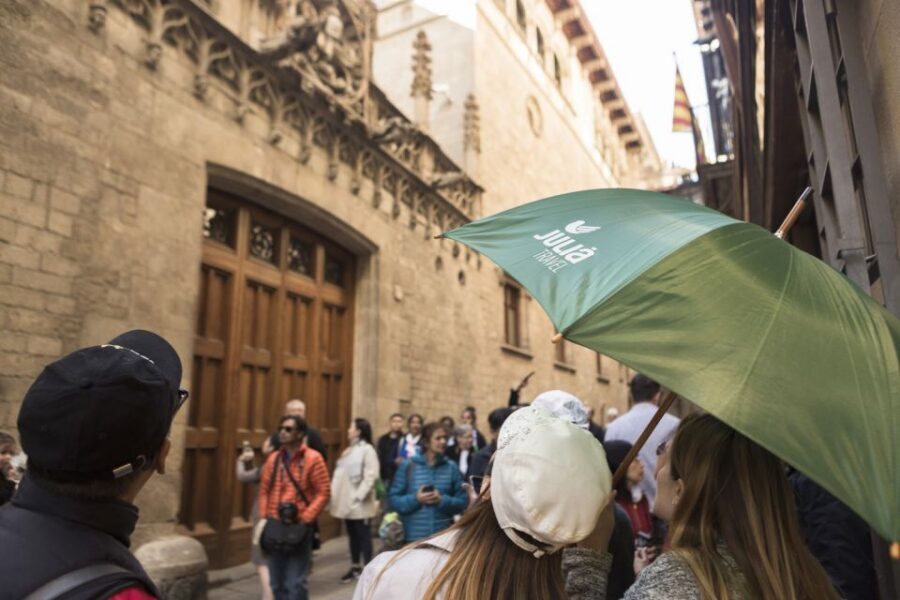
This tour is a guided experience with small-group control: maximum 20 travelers per guide. That upper limit is important. In a museum like this, crowding can make your “look time” collapse. A cap helps keep the guide from turning the visit into a sprint.
The guide quality also shows up in the feedback. Several guides were praised for making the story vivid and easy to follow—names that came up include Oliver Vilar Roça, Rod, Marta, Marina, Raul, and Isabelle. People mentioned things like incorporating small life details that round out Picasso the person, speaking English clearly, and using their own flair to keep attention. That kind of guide energy is a real advantage when the museum houses thousands of works.
Now for the consideration: at least one experience noted a rushed feeling because the guide had to move on to another tour. That doesn’t mean it will happen to you, but it’s worth knowing why pacing matters. If you’re the type who likes to sit longer with each work, you may want to plan for extra time after the official tour so you can slow down where your interest peaks.
You can also read our reviews of more museum experiences in Barcelona




Price and value: what $42 buys in real time
At $42 per person, this tour looks straightforward, but value comes from how it saves your time and attention.
You’re paying for:
- Skip-the-queue admission
- A live English guide
- A radio system
- A focused 1.5 to 2 hour storyline built around Picasso’s life and major artistic phases
If you were to enter on your own, you’d still have the museum and the works. But you’d lose the “why” layer—especially around Picasso’s evolution and the specific Barcelona years of 1895 to 1904. You’d also spend more time figuring out what to prioritize among 3,500+ works.
So who gets the best value? People who want a guided framework rather than a loose museum stroll. If you’re the kind of art lover who enjoys context—where this painting sits in a bigger timeline—this cost makes sense.
If you’re already a Picasso superfan with your own game plan, you might be fine going solo. But this tour is designed to get you oriented quickly, and then it gives you permission to linger afterward.
Planning tips that actually help during the visit
A few practical points will make your museum time smoother:
Wear comfortable shoes. It’s explicitly recommended, and the museum’s multi-palace layout means you’ll be walking more than you expect for a “museum tour.”
Bring your ID. Passport or ID card is listed as required.
Expect English only. The tour guide language is English.
Plan your arrival smart. Meeting point details may vary based on your option, and it can take extra time if you’re searching around.
Use the radio system. It’s included for a reason—use it. It makes the difference between hearing the guide clearly and trying to catch phrases over background noise.
Build in extra art time. Since you can stay after the tour, give yourself that option. If the guided part is packed with names and periods, the follow-up time is where it becomes personal.
And one last small thing: this tour is not recommended for children under 3 years old. If you’re traveling with very young kids, you’ll want to think about whether a structured museum visit is the best fit.
Should you book this Picasso Museum guided tour?
Book it if:
- You want a guided storyline through Picasso’s life rather than just looking at paintings
- You’d like a clear structure based on the blue, pink, cubist, neoclassical, and surrealist periods
- You’re short on time in Barcelona and want to see the museum with less guesswork
- You like the idea of skip-the-queue entry plus the chance to stay longer after
Skip it (or consider other options) if:
- You’re easily bothered by time limits and prefer slow, self-paced gallery wandering from the first minute
- You’re already set on a very specific self-guided route and don’t want a guided narrative
Given the strong overall rating—3.9 based on 124 reviews—and the repeated praise for guides like Marta, Marina, Rod, Raul, Isabelle, and Oliver Vilar Roça, this is a solid bet for most art lovers. It’s built to do one job well: help you see Picasso as a career in motion, not a set of disconnected masterpieces.
FAQ
How long is the Barcelona Picasso Museum guided tour?
The duration is listed as 1.5 to 2 hours.
Where does the tour meet?
The meeting point is Fossar de les Moreres, but it may vary depending on the option booked.
Is the tour guided in English?
Yes. The live tour guide language is English.
What’s included in the price?
Included items are Picasso Museum admission, a guide, and a radio system.
Does this tour skip the queues?
Yes, it’s described as a skip-the-queues tour.
What group size should I expect?
The tour has a maximum of 20 travelers per guide, and private or small groups are available.
Is it suitable for young children?
It is not recommended for children under 3 years.
Can I stay in the museum after the tour ends?
Yes. After the guided part, you can stay inside the museum for as long as you like.
What are the cancellation options?
There is free cancellation up to 24 hours in advance for a full refund.
What should I bring with me?
Bring passport or ID card and comfortable shoes.