REVIEW · BARCELONA
Barcelona: Small Group Picasso Tour with Picasso Museum
Book on GetYourGuide →Operated by Turisme de Barcelona · Bookable on GetYourGuide
Picasso starts as a teenager in Barcelona.
This 2-hour small-group walk links the man to the streets: you trace the shift from precocious student to the future modern-art force while passing places tied to his earliest shows and hangouts. I like that it combines Gothic Quarter walking with a guided museum visit, so you’re not just outside looking in. The only real catch: it’s still a walking tour, so wear comfortable shoes and expect some time on stone streets.
What I love most is the way it treats Barcelona like part of Picasso’s training. You’ll see Els Quatre Gats, walk through the area connected to his young schooling, and then step into the Museu Picasso to watch his style evolve across thousands of works. A second win: it’s small (max 9), and the museum time is guided, not just a quick wander.
If you’re a super fast museum-goer or want lots of freedom to roam, you might feel slightly constrained by the fixed pace (you do get time to explore after the guided portion). Still, with a guide like Olga Escribano, Jorge, Julie, Pilar, or Stephen, the storytelling is the point and the time feels well used.
In This Review
- Key things you’ll notice on this Picasso walk
- Why Young Picasso in Barcelona changes how you see the art
- Starting at Plaça de Catalunya: your meeting point plan
- Gothic Quarter walking: from café life to an art school that mattered
- Els Quatre Gats: Picasso’s early crowd and why the café still matters
- Architects’ Association Building: Picasso’s only public artwork
- Museu Picasso with skip-the-line access: where the style changes make sense
- How pacing and small groups really affect your experience
- Price and what $46 really buys you
- Who should book this Picasso tour (and who might not)
- Should you book this Picasso tour?
- FAQ
- How long is the Barcelona Small Group Picasso Tour with Picasso Museum?
- Where is the meeting point?
- What language is the tour guide?
- Does the tour include skipping the ticket line at the museum?
- What’s included during the museum visit?
- What should I bring, and what can’t I bring?
- Where does the tour end?
Key things you’ll notice on this Picasso walk
- Teen Picasso in real places: the route is built around his formative years, not just the famous masterpieces.
- Els Quatre Gats details that click: the menu history and the café’s role as a meeting spot for artists.
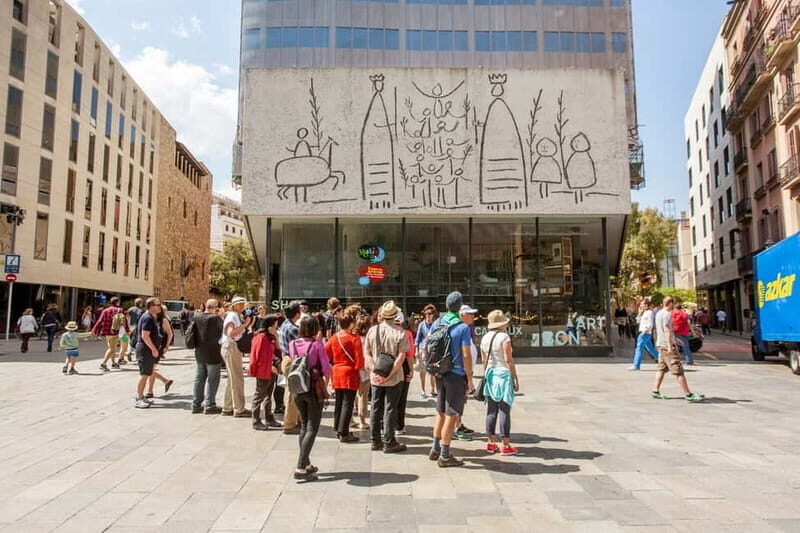
- A specific stop most people miss: Picasso’s only public artwork is a frieze at the Architects’ Association Building.
- Skip-the-line at Museu Picasso: you get straight into the museum experience.
- Museum time that tracks evolution: works arranged across five Gothic palaces, including major series like the Las Meninas reinterpretations.
- Small-group feel: max 9 people means more room for questions and less time waiting.
Why Young Picasso in Barcelona changes how you see the art
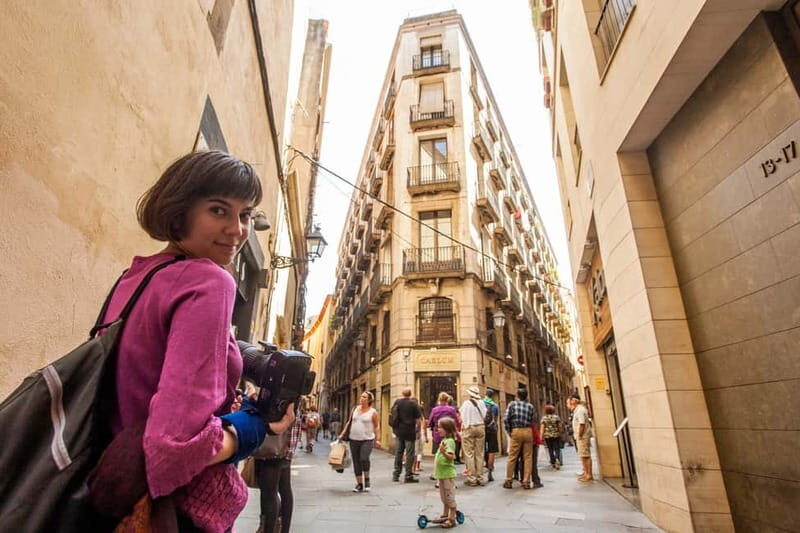
Picasso can feel like a big, mythic name until you connect him to where he learned to look. This tour does that job by focusing on the early years—how the streets, the cafés, and the local art world fed his instincts. Instead of treating Barcelona as a postcard background, it explains how the city’s culture and institutions shaped his next step.
I like that the tour doesn’t just point at buildings. You get context: how a 13-year-old student at Llotja de Mar could stun professors, how café culture at Els Quatre Gats supported early ambition, and how the city’s street life and outcasts fed his imagination. That matters because Picasso’s changes in style can seem random if you only know the finished works. Here, the evolution feels earned.
You can also read our reviews of more museum experiences in Barcelona


Starting at Plaça de Catalunya: your meeting point plan
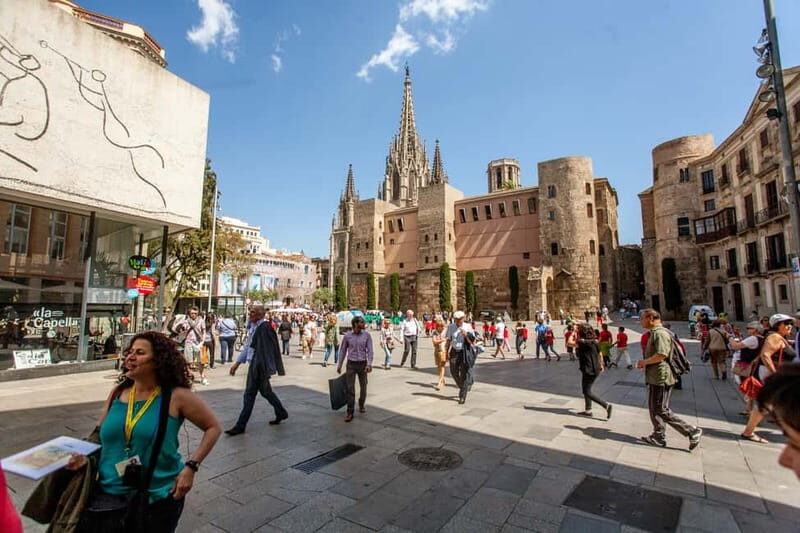
You meet at the Tourist Information Point at Pl. de Catalunya, 17-S. The directions are specific: go down the escalators between two large pillars to reach the info point. That helps on arrival day when Barcelona is doing its usual thing—people everywhere, streets shifting, and your brain already tired from travel.
Come with comfortable shoes (the route is on older paving) and a charged smartphone. You’ll also want something to listen well: the tour uses audio support (some guests note they’re given headphones), and the streets can get loud fast. If you’re prone to losing track in crowds, arrive 10–15 minutes early. That buffer pays off.
Gothic Quarter walking: from café life to an art school that mattered
The heart of the walking portion runs about 50 minutes in the Gothic Quarter area, with guided stops that line up with key moments of Picasso’s youth. You’ll start near Plaça Reial, a plaza tied to the café scene that shaped the kind of urban observation Picasso learned to do. Then the walk moves toward Llotja de Mar, the art academy connected to him as a young student.
Why this portion is worth your time: it gives you an on-foot sense of scale. The streets aren’t abstract; they’re narrow, angled, and built for wandering. That’s the real point of a neighborhood walk—your brain maps the story onto the physical place.
A practical consideration: the Gothic Quarter can be busy (and loud), so the guided pace and the audio support matter. If you’re the type who wants to stop for photos every 30 seconds, you may feel slightly rushed. I’d keep your phone ready, but let the guide’s timing lead the first pass.
Els Quatre Gats: Picasso’s early crowd and why the café still matters
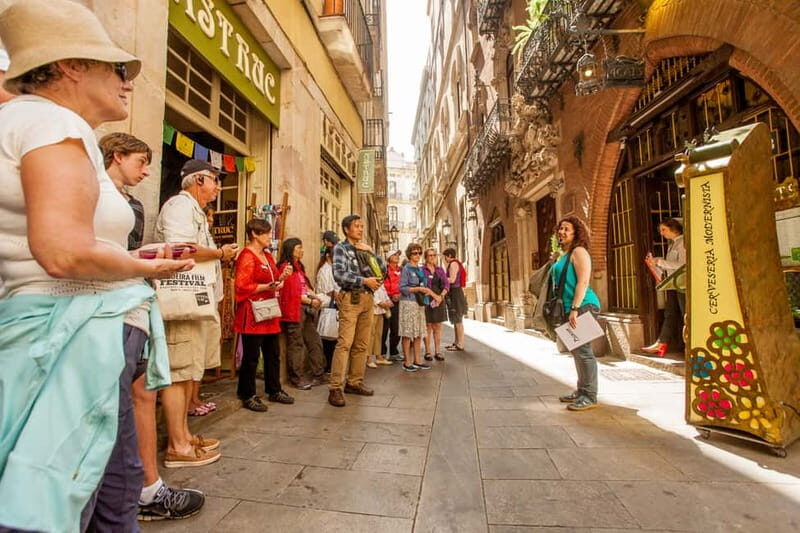
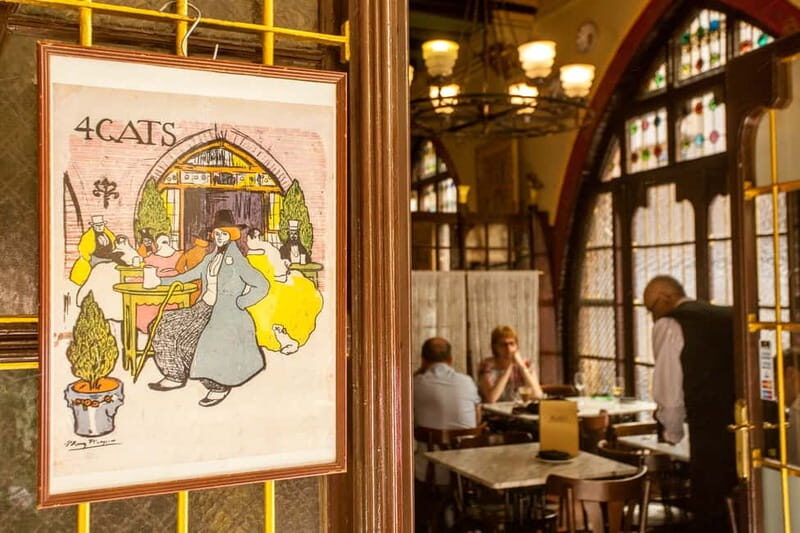
One of the most memorable stops is Els Quatre Gats, where the tour zooms in on the bohemian café world that helped early Picasso build momentum. You’ll spend about 10 minutes here with a guided look, which sounds short—until you realize the value is in what you learn in that time.
The details make the place click. The tour highlights that 18-year-old Picasso held his first exhibition there, and it notes that he even designed the iconic menu still used today. More than décor trivia, this is about how artistic circles formed. Els Quatre Gats wasn’t just a hangout; it was where ideas met people, and where the next steps became possible.
If you’re into art history, this stop gives you a human angle: Picasso wasn’t working in isolation. He was building relationships with poets and fellow artists, and the café scene offered the stage.
Architects’ Association Building: Picasso’s only public artwork
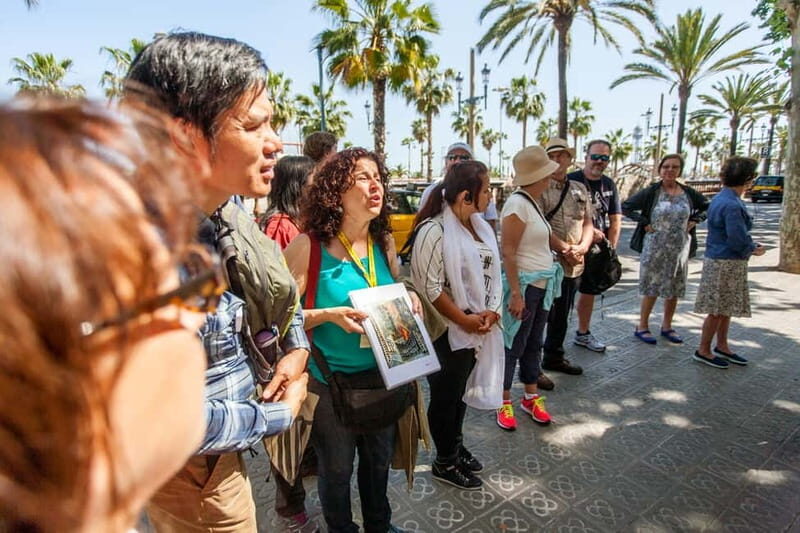
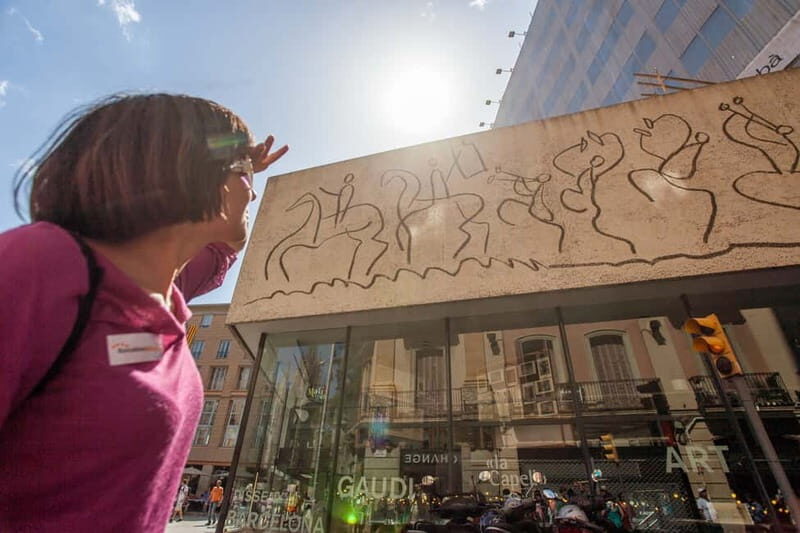
Next you’ll see Picasso’s only public art piece tied to the Architects’ Association Building—a frieze that many visitors miss because it isn’t as famous-looking as a big standalone statue. The tour frames it as a concrete marker of how Picasso’s presence became visible in the city.
This stop works best if you pay attention to the explanation, not just the view. Friezes reward close looking, and a guide can point out what to notice and how it connects to Picasso’s broader development. Plan a quick photo, then spend an extra minute letting the guide’s notes sink in.
A practical note: this is still within a walking route, so don’t plan to linger too long if you want the full museum time. The payoff is the museum visit right after.




Museu Picasso with skip-the-line access: where the style changes make sense
The museum portion is about 1 hour guided, plus you can continue on your own after. You get skip-the-line entry, which is a real value in peak season when museum queues can eat up your day.
Inside, the Museu Picasso is built to show how Picasso evolved, not just to display highlights. The collection traces his transformation through 4,200+ pieces arranged across five Gothic palaces. That layout matters. You’re not viewing a single room of masterpieces; you’re moving through spaces that help the story feel staged and chronological.
The tour highlights specific anchors, including:
- Childhood sketches showing technical mastery far beyond what you’d expect
- The complete Las Meninas series (Picasso’s radical 1957 reinterpretation of Velázquez)
- Intimate portraits of lovers and friends
- Rare ceramics and engravings
This is where the walking story pays off. Earlier, you learned about his early access to the art world and the city’s influence. In the museum, you watch the evidence of that development: changes in technique, shifts in how he reworked known images, and how he kept returning to themes while altering them.
A smart way to use your museum time: listen closely during the guided portion, then pick one room or theme to revisit independently. That way, you get the story and also the chance to form your own favorites. Some guests also mention that the guided route helps them appreciate not only paintings, but the reasons behind the periods—exactly the kind of context that makes Picasso less intimidating.
How pacing and small groups really affect your experience
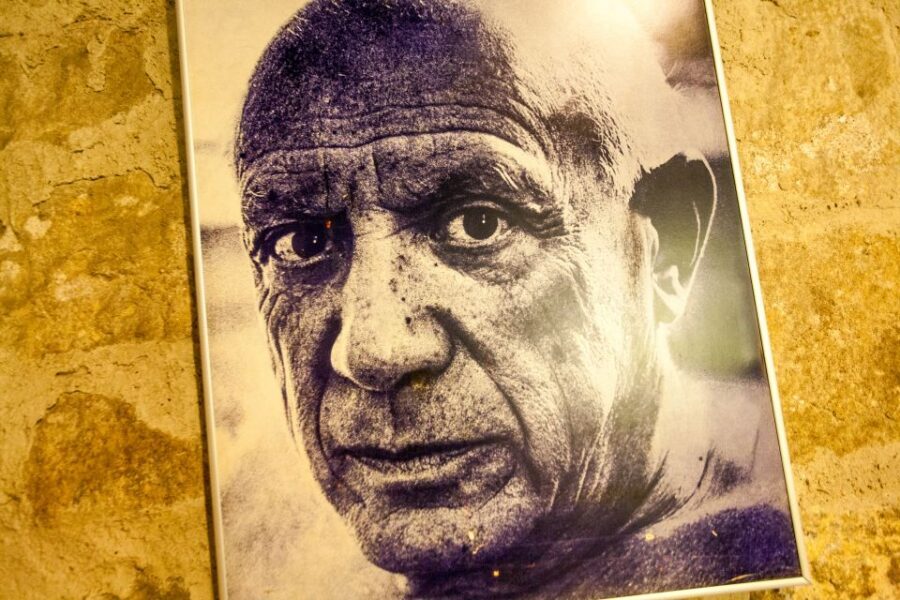
This tour is designed as a small group (max 9), and that changes the energy. Fewer people means:
- More space for the guide to stop, explain, and answer questions
- Less time lost at the front of lines
- A smoother flow between exterior streets and indoor museum rooms
You’ll also notice the guides vary in style, but they’re consistently story-driven. Names that show up often include Olga Escribano, Jorge, Julie, Pilar, Stephen, Olga, Sylvie, and Catarina. The common thread: the best guides connect Picasso’s periods to life in Barcelona rather than treating them like random artistic phases.
One more practical detail: the tour runs around 2 hours total, so it’s not meant to replace a full-day museum marathon. Think of it as a high-impact “get oriented fast” experience. If you want more time with the collection, it’s also a good way to figure out what to return to later.
Price and what $46 really buys you
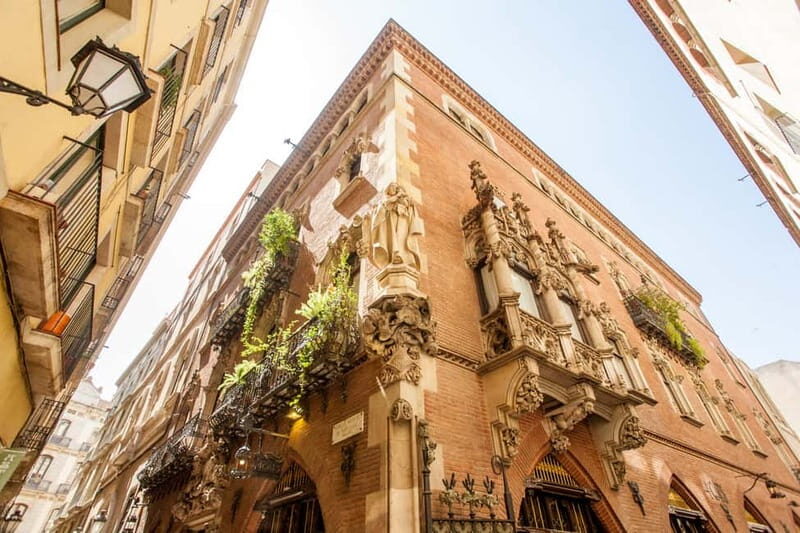
At $46 per person, you’re paying for three things that add up quickly on your own:
- A guided route through key Picasso-linked sites in the Gothic Quarter
- A guided museum visit that helps you understand what you’re seeing (especially the periods and series)
- Skip-the-line entry, so you lose less time to waiting
I’d call this good value if you like structure. You’re not just paying for entry; you’re paying for interpretation. If you only want to wander at your own speed and don’t care about understanding what you’re looking at, a self-guided museum visit might be cheaper. But for most art lovers, the guide’s framing turns the museum into a story you can follow.
Also, small group size makes the price feel more reasonable. You get attention without feeling like you’re part of a moving crowd.
Who should book this Picasso tour (and who might not)
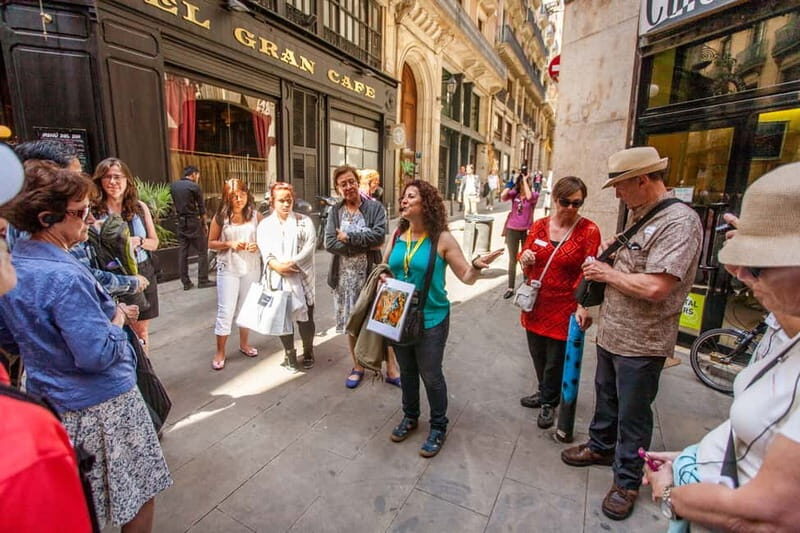
This is a strong fit if:
- You want a Picasso Barcelona route that includes both streets and the museum
- You enjoy early-life context—how he became who he became
- You want guided time in the museum, not just a ticket
It may be less ideal if:
- You hate walking and would rather minimize time on foot
- You prefer deep museum time over a short, structured highlights path
- You want total freedom to stop whenever you want for photos (this tour keeps a pace)
If you’re combining this with other Barcelona classics (another art stop, a neighborhood lunch, or a major cathedral visit later), this tour works well because it gives you meaningful context without taking half a day.
Should you book this Picasso tour?
Yes—if you’re looking for a fast, focused way to understand Picasso with the city as the context. The combination of bohemian stops (like Els Quatre Gats), a pinpoint view of Picasso’s only public frieze, and a guided Museu Picasso visit with skip-the-line entry is the kind of mix that saves you time while deepening your understanding.
If you love art history but get overwhelmed when museums are just rooms of names and dates, this format helps you sort it out quickly. And if you’re visiting for the first time, it’s a great way to see Barcelona through Picasso’s eyes instead of the other way around.
FAQ
How long is the Barcelona Small Group Picasso Tour with Picasso Museum?
The duration is 2 hours.
Where is the meeting point?
The meeting point is the Tourist Information Point at Pl. de Catalunya, 17-S, Barcelona. Go down the escalators between two large pillars to reach this information point.
What language is the tour guide?
The live tour guide is available in English and French.
Does the tour include skipping the ticket line at the museum?
Yes, the tour includes skip-the-line entry at Museu Picasso.
What’s included during the museum visit?
You get a guided visit to Museu Picasso.
What should I bring, and what can’t I bring?
Bring comfortable shoes, headphones, and a charged smartphone. Pets are not allowed, and luggage or large bags are not allowed.
Where does the tour end?
The activity ends back at the meeting point, and the itinerary also lists the finish at Museu Picasso de Barcelona.