REVIEW · BARCELONA
Barcelona Street Art, Graffiti and Tapas Tour
Book on Viator →Operated by Original Europe Barcelona Tours · Bookable on Viator
Barcelona’s walls tell stories if you know where to look. This half-day walk links the Barri Gòtic with the city’s underground side, from graffiti hotspots and skateboard culture to alleyway myths and street legends, ending with tapas and a cold drink. You’ll cover classic old-city vibes while chasing the fresher, weirder urban art that keeps Barcelona looking alive.
I really like the mix of history and street culture. You get both 2,000+ years of Gothic Quarter atmosphere and the alternative scenes that grew around places like the Raval and beyond. I also like that you’ll get a local-style guide voice, with examples like Harlan and Miguel called out for keeping the energy upbeat and pointing out what most people miss.
One consideration: it’s a walking tour and it needs good weather. If rain or bad conditions hit, the plan changes, so pack for wet streets just in case and don’t count on long detours to avoid puddles.
In This Review
- Key things to know before you go
- Meeting point reality: Plaça Reial meets Plaça de Catalunya
- What makes this tour different from a basic Gothic Quarter walk
- The route through the Barri Gòtic: 2,000 years with side streets
- Raval energy and the street-art context you’ll want
- Seeing famous names in street art details
- MACBA and the skatepark stop: why it belongs
- Benitez garden and the feeling of neighborhood mythology
- Tapas finish: getting fed without losing your momentum
- Price and value: $28.94 for a focused evening
- Timing and weather: a 5 pm start with street reality
- Who should book this tour (and who might skip it)
- Should you book this Barcelona street art and tapas tour?
- FAQ
- How long is the Barcelona street art and tapas tour?
- What time does the tour start?
- Where does the tour meet?
- Where does the tour end?
- What’s included besides the walking route?
- Do I need a paper ticket?
- What’s the maximum group size?
- Is the tour good for most people?
- What’s the policy if the weather is poor?
- FAQ
- Can I cancel for a full refund?
- What’s the cut-off time for full refund?
Key things to know before you go
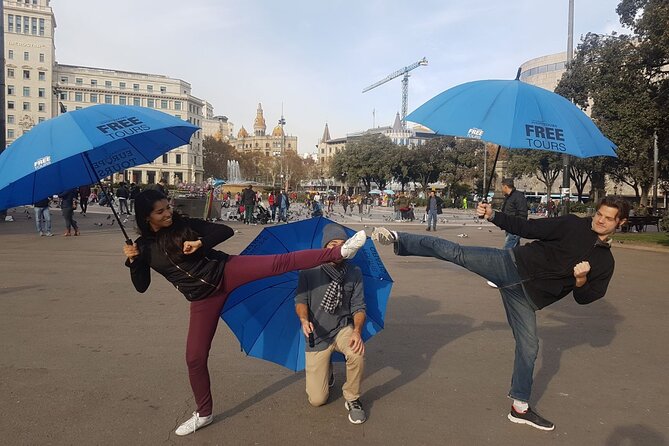
- Easy meet-up near La Rambla, with the start area around Plaça Reial and a listed starting address at Hard Rock Café by Plaça de Catalunya
- 4 hours gives you a focused route without turning into an all-day slog
- Street art and graffiti framing: you’re not just looking, you’re learning the city context behind it
- Skate culture stop that comes up often, including time near the MACBA skatepark
- Tapas and a cold drink at the end, so you don’t have to hunt for a place afterward
- Max group size up to 100, so expect a lively crowd rather than a private, quiet chat
Meeting point reality: Plaça Reial meets Plaça de Catalunya
The tour is designed for a straightforward start in central Ciutat Vella. You’re told to meet near Plaça Reial, which sits close to La Rambla’s southern edge. At the same time, the listed start address is Hard Rock Café, Pl. de Catalunya 21. That’s not a contradiction as much as a practical city-detail: the operator is keeping you in the same general pocket of the old center.
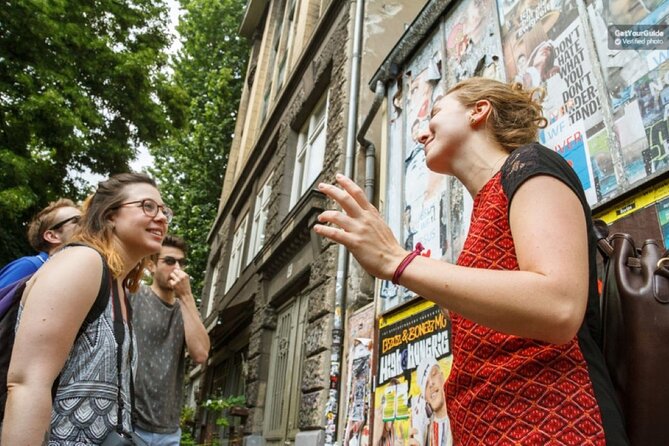
My advice: when you book, check the exact pin or pickup instructions in your confirmation. Barcelona addresses can be a little slippery, and you’ll waste time if you show up at the wrong door or entrance. Once you’re together, the group moves through narrow lanes at a walking pace that fits a half-day plan.
Also, this starts at 5:00 pm, which is smart. Late afternoon and early evening is when alleyways feel more cinematic, and street scenes start to glow without the peak crowds you may hit earlier in the day.
You can also read our reviews of more tours and experiences in Barcelona.


What makes this tour different from a basic Gothic Quarter walk
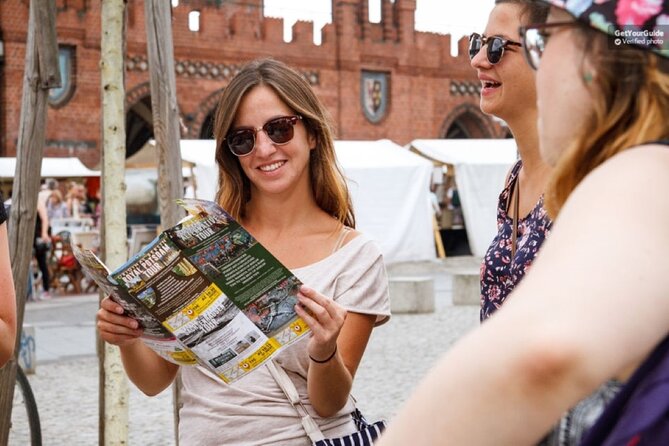
Most Gothic Quarter tours focus on stone, churches, and big-name landmarks. This one keeps that old-city setting but treats the neighborhood like a living canvas. You’re still in Barri Gòtic, where streets fold into each other and centuries overlap—but the tour lens is the alternative side of Barcelona.
You’ll hear how the underground urban culture took root and grew. The city became a hotspot for alternative culture in the 1990s, and that influence still shows in what people create, where they create, and how they respond to the city’s official face. That matters because street art is rarely just decoration. It often carries local identity, humor, protest, and personal mythology.
Two things I like about this framing:
- It helps you connect the dots between old Barcelona and the newer, louder Barcelona.
- It gives you a way to “read” a wall. After the tour, you can spot details faster—styles, references, and the kind of street artist thinking that turns a blank wall into a message.
And yes, it’s also about the day-to-day vibe: you’ll pass bars and bistros, walk busy sidestreets, and keep the energy moving so the neighborhood feels like a place you could actually hang out in.
The route through the Barri Gòtic: 2,000 years with side streets
The heart of the experience is wandering the Gothic Quarter’s tight lanes while moving from historic-looking corners toward spots where the street art scene has presence. Barcelona’s old center is full of small surprises: a sudden vista between buildings, a quiet patch that feels untouched, then—almost immediately—a wall with a signature style.
Expect the tour to mix:
- ancient-feeling alleyways
- landmark-adjacent streets
- storefronts and neighborhood hangouts
- the kind of visual “tells” street artists use when they want people to slow down
The 2,000-years-of-history angle isn’t just marketing fluff. When you see street art in a place like the Barri Gòtic, it changes the meaning of both. The walls don’t become museum pieces. Instead, the art reads like part of the neighborhood conversation—old stone meets new voices.
Possible drawback: if you’re hoping for a deeply structured, architecture-lecture style tour, this may feel more street-led than stone-led. The value here is the way the guide ties everything together so you understand why the city’s “unofficial” culture belongs in the same frame as its official history.
Raval energy and the street-art context you’ll want
After the old-city grounding, the tour leans into the Raval and nearby alternative zones. This is where Barcelona’s urban culture really shows its teeth: skaters, artists, and people who treat walls like public notebooks.
What I think makes this section work well is the guide’s approach. Street art can look random until someone gives you the context: the era, the local influences, and the scene around it. You’re not just hunting images. You’re learning why certain styles appear where they do, and why some works have lasted while others vanish.
It’s also social. The tour is designed to be informative, but it keeps a friendly, moving-at-a-good-pace feel. If you enjoy connecting what you see with stories—urban legends, myths, and the underground scenes behind the visuals—this will click.
Seeing famous names in street art details
The tour experience includes encounters with pieces associated with major street-art figures and recognizable iconography. One example mentioned is work connected to Haring, plus references to artists such as Konair. Another detail that can appear in the experience is a famous animal statue associated with Botero’s cat.
You might see these as part of a wider route through the neighborhoods and street corridors where references and styles overlap. The big value isn’t just spotting the name. It’s understanding how the local scene borrows global street-art language, then adapts it to Barcelona’s own humor, identity, and street-level storytelling.
If you like taking photos, you’ll appreciate the way the walk pushes you toward corners that feel intentional. But don’t treat this like a photo scavenger hunt. If you keep your eyes moving the way the guide encourages, you’ll notice the smaller marks that turn a wall from decoration into a message.





MACBA and the skatepark stop: why it belongs
There’s one stop that tends to be a highlight for people who love Barcelona’s younger culture: the MACBA area and its skatepark. Even if you don’t skate, this is where you can feel how the city supports creative pressure. Skate culture isn’t just a hobby here—it’s part of the street rhythm.
This part of the tour makes a simple point: street art and street sport often share the same audience. They both come from the same need to create in public, to claim space, and to build community around shared styles.
If you’re the type who likes to watch how locals use a space—how people move, gather, and interact—you’ll probably find this stop especially memorable. It’s one thing to see a mural. It’s another to stand near the environment that helped create the attitudes behind it.
Benitez garden and the feeling of neighborhood mythology
Another segment people often call out is the Benitez garden. Gardens in dense old cities can feel like a pause button, and in Barcelona that pause often adds drama. When you step into a quieter pocket and then return to the street noise, the city starts to feel layered instead of chaotic.
Why that matters for this specific tour: street art can be about the wall, but it’s also about the setting around it. A calm corner can make you notice details differently. It also gives your brain a break from the constant visuals and helps you connect earlier stops to what you’re seeing next.
The guide’s job here is to connect art to story. You’ll hear how the underground culture connects to local myths and neighborhood legends. I like this kind of context because it makes the city feel personal. You’re not consuming facts—you’re building a sense of how Barcelona thinks.
Tapas finish: getting fed without losing your momentum
The tour ends with tapas and a cold drink, which is a smart move for a 4-hour evening plan. In Spain, food is part of the social experience, and this stop turns what could have been just a visual walk into a full cultural outing.
Practical advice: eat lightly earlier in the day if you can. If you go to the tour hungry, you’ll enjoy the food more—but you’ll also want a bit of energy for the walking pace. And if you’re sensitive to spicy options, it’s okay to ask for what’s comfortable. The group is larger than a private dinner, so you may not have time for a long back-and-forth with the staff.
This ending also helps you avoid a common Barcelona problem: after a tour, you’re tired, hungry, and trying to pick a place. A built-in tapas finish gives you a clean landing.
Price and value: $28.94 for a focused evening
At $28.94 per person for around 4 hours, this sits in a category where you’re paying for two things: local expertise and a curated route that’s hard to piece together on your own. If your goal is to see street art with context—not just as random visuals—that’s where the value shows.
Here’s why it’s fair value for many people:
- You get a guided route through multiple neighborhood moods, rather than wandering blindly.
- The experience includes tapas and a cold drink, so the cost isn’t only “walking + looking.”
- The group size caps at 100, which keeps it organized enough to function while still being social.
One caution on value: if you’re primarily interested in major historical monuments, you may feel like you’re spending time on streets and scenes that aren’t the big-ticket sights. This tour is for people who want Barcelona’s alternative side to sit beside its old stone.
Timing and weather: a 5 pm start with street reality
The tour starts at 5:00 pm and runs about 4 hours. That timing is ideal if you want a plan that doesn’t eat your whole day and lets you still enjoy dinner afterward. It also puts you in that sweet spot where street life is active but not fully night-mode yet.
The operator also notes it requires good weather. If conditions are poor, the tour may be canceled with an offer of another date or a full refund. That matters because street art and alley walking don’t pair well with heavy rain. If rain is likely, bring a light rain layer and consider shoes that handle slick sidewalks.
Who should book this tour (and who might skip it)
This is a strong choice if you:
- like street art, graffiti, and street culture with context
- want to see Barcelona’s alternative side alongside the Barri Gòtic
- enjoy a social walking experience with a guide who keeps things moving
- want tapas at the end and don’t want to plan dinner from scratch
You might skip it if you:
- want a quiet, private tour focused on major monuments only
- prefer strictly indoor museum time
- hate walking in narrow streets, even for a short stretch
If you’re coming to Barcelona for the first time, this can also be a great way to get your bearings. It shows you how the city’s official history and street-level creativity coexist.
Should you book this Barcelona street art and tapas tour?
I’d book it if you want more than photos of old buildings. This tour aims to make the city readable—why certain works show up, how the underground culture ties into specific neighborhoods, and how street art fits next to 2,000 years of stone-and-stories.
If you do book, arrive early enough to find the meetup spot without stress, especially since the start area is described around both Hard Rock Café by Plaça de Catalunya and Plaça Reial near La Rambla. And keep your expectations aligned: this is street-led sightseeing, with history and architecture as the backdrop, not the main show.
FAQ
How long is the Barcelona street art and tapas tour?
It runs about 4 hours.
What time does the tour start?
The start time is 5:00 pm.
Where does the tour meet?
The listed start is Hard Rock Café, Pl. de Catalunya 21, Ciutat Vella, Barcelona. The easy meet-up point is also described near Plaça Reial, near the southern end of La Rambla.
Where does the tour end?
The tour ends back at the meeting point.
What’s included besides the walking route?
It ends with a bit of tapas and a cold drink.
Do I need a paper ticket?
No. The tour uses a mobile ticket.
What’s the maximum group size?
The maximum number of travelers is 100.
Is the tour good for most people?
Most travelers can participate.
What’s the policy if the weather is poor?
The experience requires good weather. If it’s canceled due to poor weather, you’ll be offered a different date or a full refund.
FAQ
Can I cancel for a full refund?
Yes. You can cancel up to 24 hours in advance for a full refund.
What’s the cut-off time for full refund?
To get a full refund, you must cancel at least 24 hours before the experience’s start time (local time).