REVIEW · BARCELONA
Barcelona: Vegan Paella and traditional rice dishes
Book on GetYourGuide →Operated by In Bloom Cooking School · Bookable on GetYourGuide
Vegan paella, taught like the real thing. This 4-hour class at In Bloom Cooking School turns classic Spanish rice cooking into a fully plant-based menu, and you make and taste what you cook. I like the hands-on format and how the recipes stay true to the paella-and-rice feel, just with vegan swaps. One thing to consider: the exact number of recipes can vary depending on how many people are in your group.
You’ll work with ingredients that make the dishes feel genuinely Catalan and Spanish, not just “vegan versions.” The class ends with a buffet-style tasting, so you get multiple dishes in one sitting instead of a single plate and done. Since there’s one included drink and extra drinks are paid on-site, plan a little budget buffer if you like to drink along with dinner.
In This Review
- Key takeaways before you go
- Getting to In Bloom Cooking School near Plaza España
- The class structure: 4 hours, you cook, then you eat buffet-style
- What you actually cook: the vegan paella lineup
- Paella Valenciana with bomba rice and garrofó
- Heura “chicken style” and the grilled mushroom angle
- Arròs al forn: oven rice with vegan sausage and chickpeas
- Arròs negre with konjak prawns, black rice, and seaweed broth
- Allioli garlic sauce and why it’s worth making
- Fideuà with konjak squid: fine pasta instead of rice
- Drinks, pace, and the small-group reality
- Price and value: what $93 buys in Barcelona
- Who this vegan paella class is best for
- Should you book this 100% vegan paella and rice cooking class?
- FAQ
- How long is the experience?
- Where is the meeting point?
- Is the class 100% vegan?
- What is included in the price?
- Do I pay for drinks during the class?
- How many recipes will we cook?
- What dishes are on the course menu?
- Are children allowed?
- What languages are offered?
- Can I cancel or book with flexible payment?
Key takeaways before you go
- 100% vegan cooking school focused on Spanish rice dishes, not a random demo
- Small group set-up (courses run with groups of 4 or more), with everyone cooking and tasting
- Paella and more: paella valenciana, arròs al forn, arròs negre, and fideuà
- Konjak seafood-style tricks and black rice flavors that actually change the texture
- Take-home leftovers are encouraged—bring a tupperware
Getting to In Bloom Cooking School near Plaza España
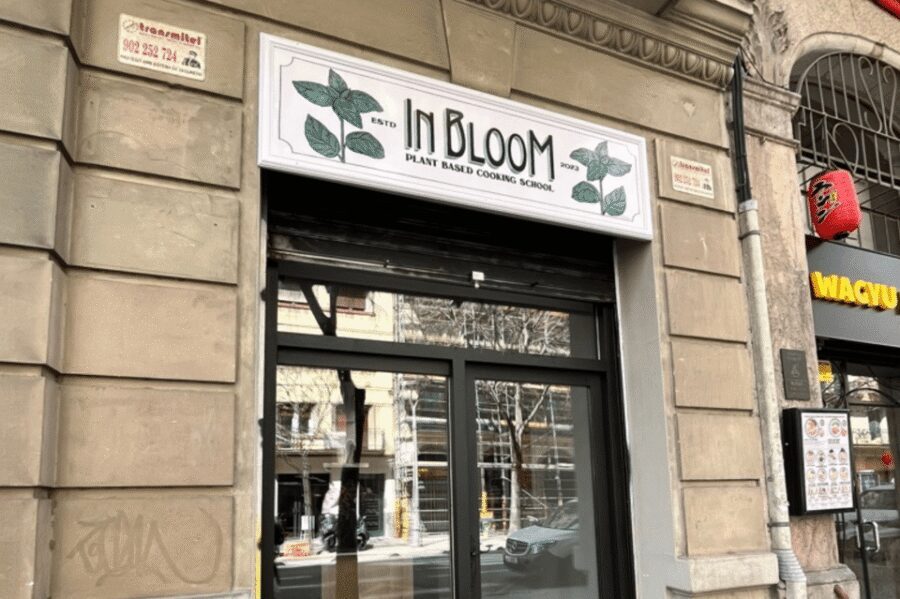
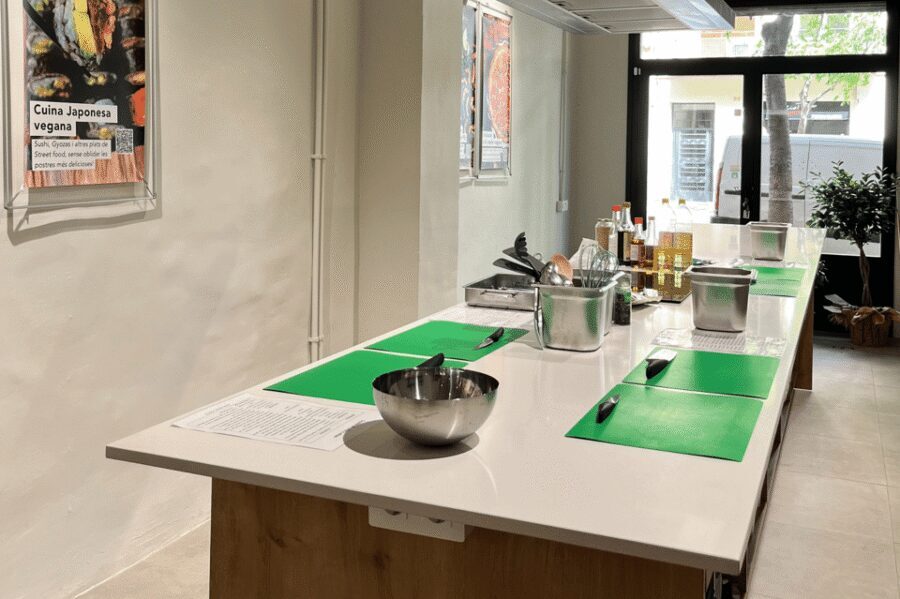
This class happens at In Bloom Cooking School, behind Arenas mall, in the Plaza España area. That matters because you’re not heading out to some faraway suburb just to cook dinner. If you’re already sightseeing around central Barcelona, you can fit this into a normal day without burning time on long transfers.
The setup also feels like a real workshop. You’re in a learning-focused space where the goal is action: prep, cook, and eat as a group. The class runs about four hours, which is a sweet spot. You get enough time to work through multiple rice dishes, but it still feels like one evening experience, not a whole day event.
You can also read our reviews of more tours and experiences in Barcelona

The class structure: 4 hours, you cook, then you eat buffet-style
Here’s what makes this course practical: you’re not just watching. The recipes will be made and tasted by all participants, and the number of dishes depends on how many people join. In other words, if your group is smaller, you might see fewer dishes but go a bit deeper. If your group is larger, you can expect the menu to expand within the 4-hour window.
Timing matters here. With rice dishes, a lot of the magic is in timing—broth, simmering, and resting. A cooking class like this is built around that rhythm. You’ll get the feel for how the different rice types behave and how the “seafood” and meat-like vegan components are handled.
After the cooking, the whole group eats together as a buffet. This is a big value point. Instead of choosing one dish, you get to taste everything that was made during your session.
What you actually cook: the vegan paella lineup
This class is built around traditional Spanish rice formats, but with plant-based ingredients that aim to mimic the role of fish and meat. The best part is that you’re not stuck on one concept. You move through multiple styles of rice cooking, each with its own flavor direction.
The course includes recipes such as:
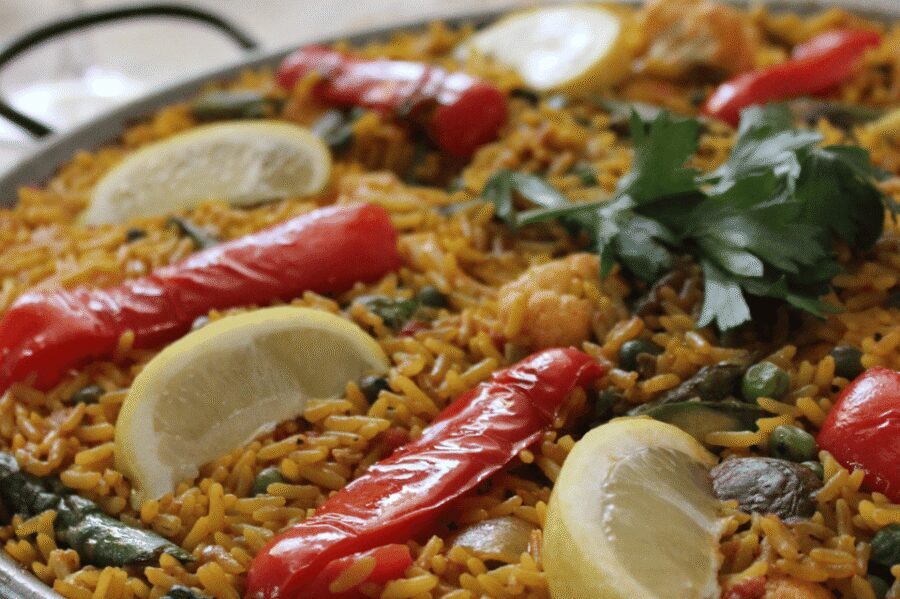
- Paella Valenciana (bomba rice, green beans, garrofó, vegetable broth)
- Marinated and grilled Heura “chicken style”
- Arròs al forn with vegan sausage (oven rice) plus tomatoes, potatoes, chickpeas
- Marinated mushrooms “bacon style” and vegetable broth
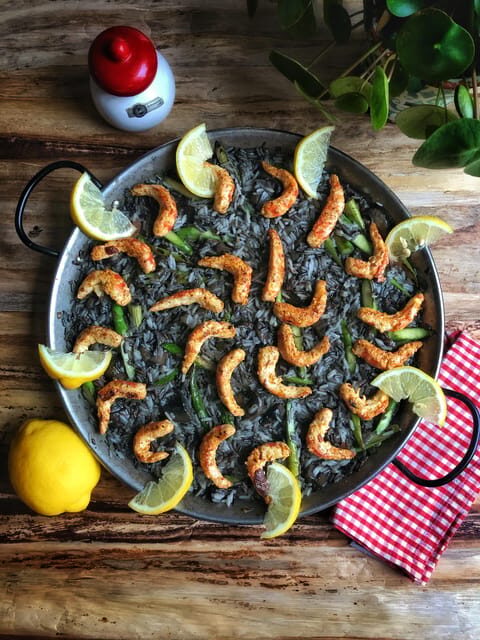
- Arròs negre (black sea rice) with grilled vegan prawns made of konjak, plus seaweed broth
- Allioli (garlic sauce)
- Fideuà using pasta and vegan konjak squid, plus eggplant, red pepper, and white wine
Not every session will necessarily cover every dish on the full menu, since the number of recipes depends on participants. But the “core cast” of dishes is clear: bomba rice paella flavors, oven rice comfort, black sea rice drama, and fine-pasta fideuà.
Paella Valenciana with bomba rice and garrofó
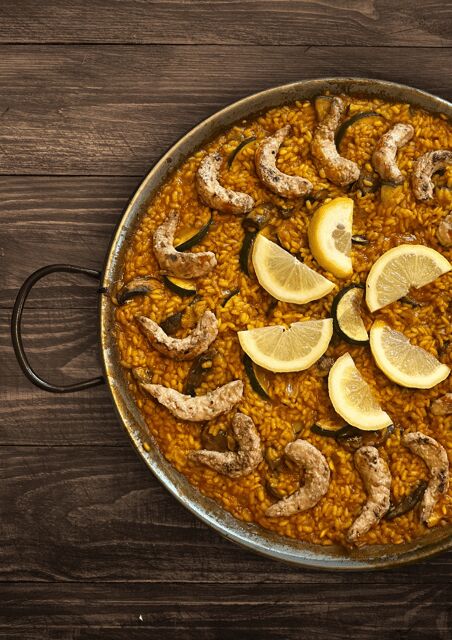
The Paella Valenciana part is where the class feels most like classic Spain. You’re working with bomba rice, which is chosen for paella because it handles cooking well and keeps the dish from turning into mush. The recipe also includes green beans and garrofó, which are Valencian fava beans.
You also get vegetable broth, and it’s the broth plus the rice type that usually determines how the whole dish comes together. In a cooking class, this is useful because you can compare how the dish behaves under different “seafood/meat-like” elements later in the menu.
There’s also a practical training benefit: paella is simple in concept but exact in timing. Even if you’re not trying to cook it at home tonight, you’ll understand what changes the final result—rice type, liquid, heat, and resting.
Heura “chicken style” and the grilled mushroom angle
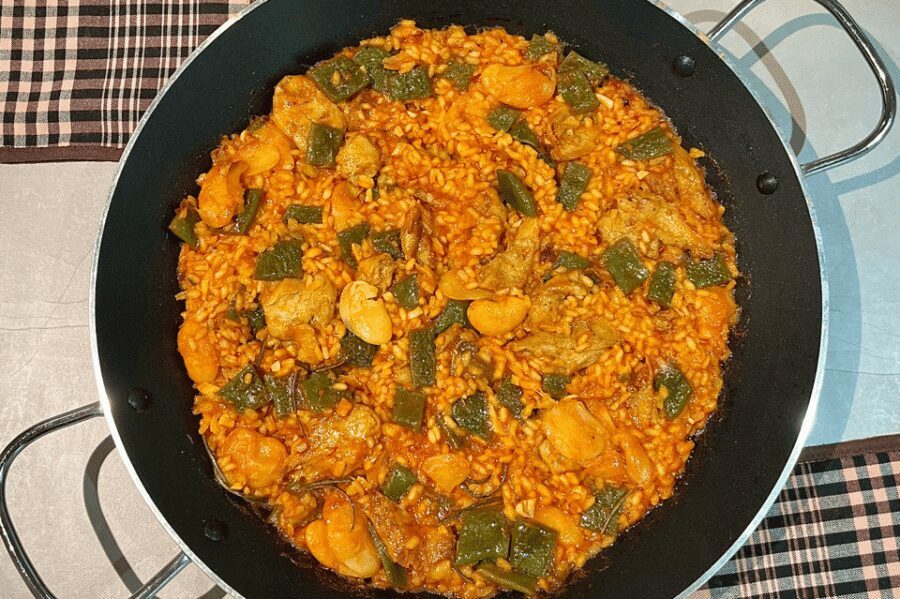
This is one of the fun parts of the vegan approach. You’ll prepare Heura “chicken style”, marinated and grilled. Then you’ll do marinated mushrooms “bacon style.” These elements matter because they’re not just garnish. They give the meal that savory, smoky, grilled profile many people associate with paella evenings and casual Spanish plates.
From a flavor standpoint, this is a smart pairing: the rice absorbs broth and spices, while the grilled components bring texture contrast. In a buffet tasting, that contrast keeps every bite from tasting the same.
Also, if you’ve ever thought about “How do vegans get that meat vibe?” this is the answer: you focus on marination, grilling technique, and how the ingredient is built to hold structure on the plate.





Arròs al forn: oven rice with vegan sausage and chickpeas
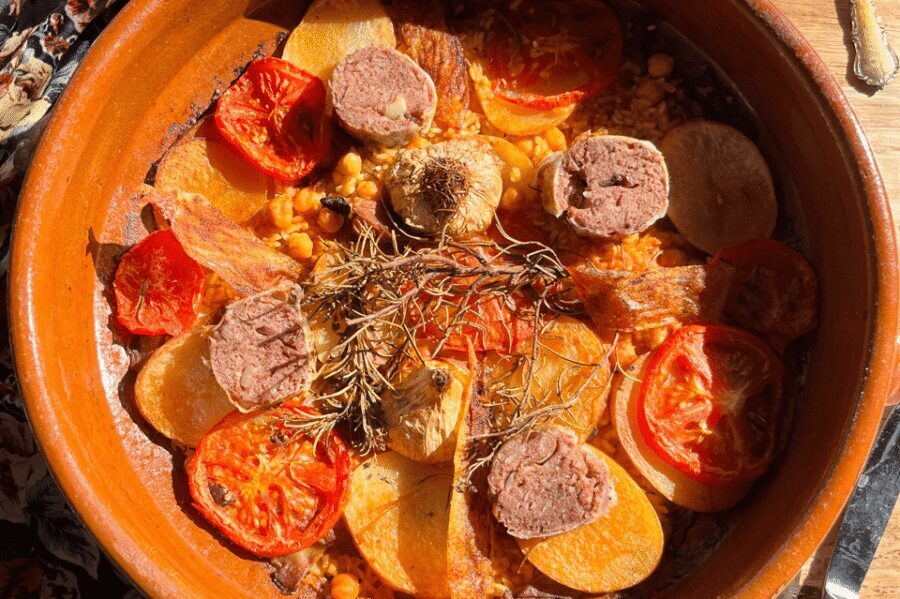
Arròs al forn is Spain’s “baked comfort” rice style, and this menu version leans hearty. You’ll work with bomba rice again, paired with tomatoes, potatoes, and chickpeas. That’s the kind of mix that naturally feels filling, even before you add broth and oven character.
You’ll also use vegan sausage made from black beans. Whether you love the specific vegan sausage style or not, the cooking lesson is useful: how sausage-like vegan products release flavor and how they hold up during oven cooking.
And yes, you’ll also make the marinated mushrooms “bacon style” alongside this, plus vegetable broth. So the “meat-ish” and “umami-ish” components aren’t an afterthought—they’re baked into the overall dish character.
Arròs negre with konjak prawns, black rice, and seaweed broth
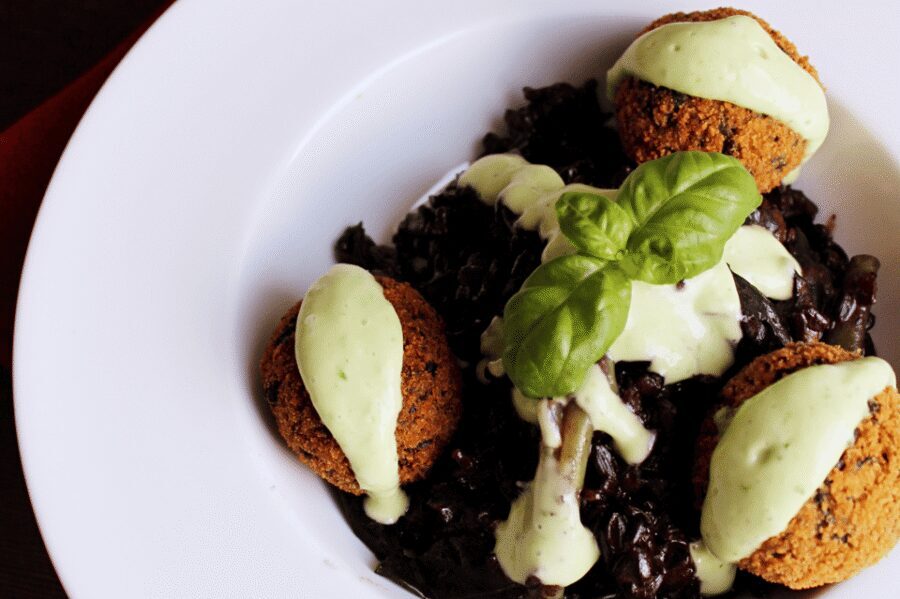
If you want the most dramatic-looking dish, it’s arròs negre, the black sea rice. It uses black rice plus seaweed, peas, and peppers (green and red). The recipe also includes “rancid wine,” which is listed on the menu, along with seaweed broth.
Then come the grilled “prawns,” made from konjak. Konjak is one of those plant-based ingredients that can mimic a seafood experience by holding a chewy texture after cooking. In a class like this, you’ll learn how to grill it so it doesn’t just taste like chewy vegetable.
This dish also gives you a chance to compare flavor layering. Red and green peppers bring sweetness and mild heat, peas add a fresh pop, and seaweed broth ties it together with an ocean-like base. Even if you don’t cook this at home right away, you’ll walk away with a clear sense of what makes the black rice style taste different.
Allioli garlic sauce and why it’s worth making
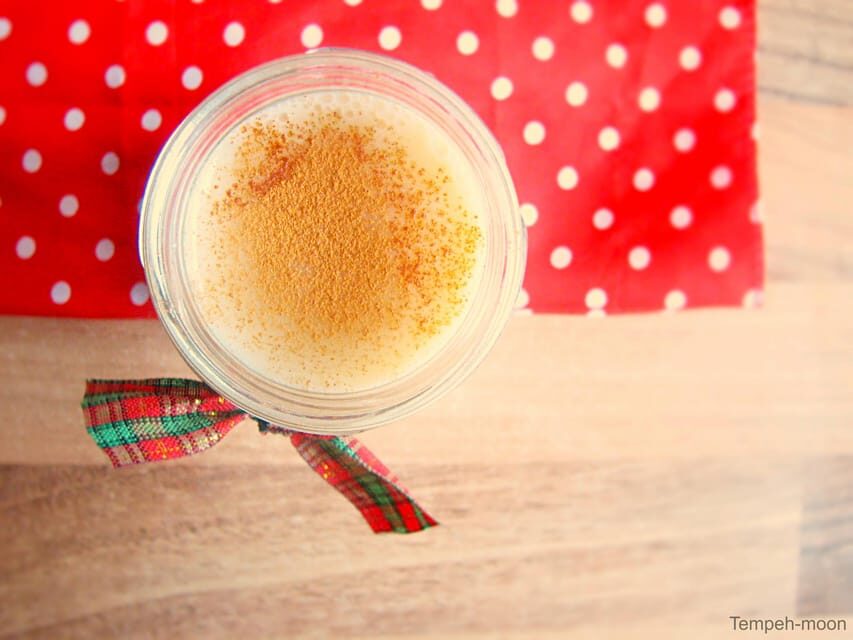
Allioli is listed as part of the recipes, and that matters. It’s not just a sauce you buy on the side; it’s part of the classic Spanish table rhythm. Garlic sauces tend to be a flavor anchor for rice dishes, especially when the rest of the plate is smoky-grilled and broth-heavy.
In practice, this is also where you get one of the best “value per minute” lessons. A good allioli pulls everything into one cohesive bite. If you’re new to Spanish flavors, this gives you a reliable starting point for recreating the experience later.
Fideuà with konjak squid: fine pasta instead of rice
Fideuà is like paella’s cousin, usually built with fine pasta instead of rice. Here, you’ll make a version with pasta, aubergine, red pepper, and white wine. And the “squid” component is vegan and made out of konjak.
You’ll also prepare a vegan marinated and grilled “squid,” plus seaweed broth. That combination is the point: the seaweed broth helps bridge the pasta dish to the same coastal flavor family you get with arròs negre.
If you’re a texture person, this is a smart contrast after several rice-focused dishes. Rice can be slightly firm or soft depending on technique and liquid. Pasta changes how you experience the same flavors. After a class like this, you understand why Spaniards treat fideuà as a real dish, not a side idea.
Drinks, pace, and the small-group reality
One drink is included in the price. After that, you can purchase drinks at the school and pay for them at the end of the event. This is normal, but it’s also why I suggest you plan how you’ll handle the “extra” part. If you’re not a drinker, it’s easy. If you like wine or something similar with food, set aside a bit more.
Pace-wise, four hours means the cooking is focused. You’ll have time to work, not just snack. The upside of the group format is that everyone cooks and tastes. The downside is that recipe count can shift based on participants, so don’t lock in expectations for an exact “all dishes every time” promise.
Price and value: what $93 buys in Barcelona
At $93 per person for a four-hour, hands-on vegan cooking class, you’re paying for more than food. You’re paying for:
- instruction in multiple Spanish rice-style dishes
- shared group cooking and a buffet tasting
- one included drink
- a chance to learn how rice types and broth-driven cooking work
Is it cheap? No. Is it fair value for Barcelona? Yes, because you’re getting a full meal experience plus cooking instruction in one. The included buffet tasting means you don’t need to add dinner plans after. And bringing tupperware helps stretch the value, since you can take leftovers home.
If you’re the kind of traveler who likes eating “like a local,” this kind of class gives you both the flavors and the why behind them, without forcing you to guess from recipes later.
Who this vegan paella class is best for
This is a great fit if you:
- want to eat your way through several Spanish rice dishes in one night
- like vegan cooking that still respects Spanish technique and meal structure
- travel with food preferences and want a menu that doesn’t feel like a compromise
It may not be the best fit if you:
- want a kid-friendly activity (it’s not suitable for children under 10)
- only want one simple dish and don’t care about learning multiple styles
Should you book this 100% vegan paella and rice cooking class?
I’d book it if you want a real cooking experience, not a quick food tasting. The strongest reason is the combination of hands-on cooking and a buffet that lets you taste everything made in your session. Add in the variety—paella valenciana, oven rice, black sea rice, and fideuà—and it feels like a full Barcelona meal, centered on Spanish rice culture.
Book it if vegan is your lane, or if you just want a smarter way to learn Spanish flavors than relying on restaurant guesswork. Skip it only if you’re expecting every single listed dish in every session, since the number of recipes depends on group size.
FAQ
How long is the experience?
It lasts 4 hours.
Where is the meeting point?
You meet at In Bloom Cooking School, behind Arenas mall, and Plaza España.
Is the class 100% vegan?
Yes, it’s described as a 100% vegan cooking school.
What is included in the price?
One drink is included. After the cooking, the group shares a buffet-style tasting of the prepared dishes.
Do I pay for drinks during the class?
After the included welcome drink, extra drinks can be purchased at the school and paid for at the end.
How many recipes will we cook?
The recipes you make depend on the number of participants. The dishes listed for this course are the ones used for sessions, but the final number can vary.
What dishes are on the course menu?
The course includes Paella Valenciana, Heura “chicken style,” Arròs al forn with vegan sausage, marinated mushrooms “bacon style,” Arròs negre with grilled vegan prawns, Allioli, and Fideuà with vegan konjak squid, plus the listed broths and ingredients.
Are children allowed?
No. It is not suitable for children under 10.
What languages are offered?
The instructor works in Catalan, English, German, and Spanish.
Can I cancel or book with flexible payment?
You can cancel up to 24 hours in advance for a full refund. You can also reserve now and pay later.