History moves fast when it’s on foot. This 2.5-hour El Born experience strings together monuments you’d otherwise bounce between on your own, then gives you the story that makes the streets feel meaningful. You start at Arc de Triomf, then work your way through medieval Barcelona, Catalan Modernism, and the city’s memory of 1714, ending in the green calm of Ciutadella Park.
What I like most is the small-group size. With a maximum of 15 people, the guide can actually explain details at a pace that lands, not just hurry everyone from stop to stop. I also really appreciate the built-in food moment at the Mercado de Santa Caterina, where you can grab tapas or a drink, plus it’s the kind of place locals use in real life.
One thing to think about: not every stop is fully all-inclusive. Admission isn’t included for Basilica de Santa Maria del Mar, and the tour doesn’t include snacks or bottled water—so plan a little extra cash for your own eats and any entry fees.
In This Review
- Key Highlights You’ll Actually Feel on the Ground
- Why This Walk Through El Born Works Better Than Solo Sightseeing
- The Best Value for the Price: What $21.63 Buys You in Real Life
- Your 2.5-Hour Route: From Arc de Triomf to Ciutadella Park
- Stop 1: Arc de Triomf and the First Photo Angle
- Stop 2: Monasterio de Sant Pere de les Puel.les (Built in 945)
- Stop 3: Palau de la Música Catalana and UNESCO Modernism
- Stop 4: Mercado de Santa Caterina for Tapas, Drinks, and a Reset
- Stop 5: Basilica de Santa Maria del Mar and the Story It Carries
- Stop 6: El Fossar de les Moreres and the 1714 Defeat
- Stop 7: El Born Centre de Cultura i Memoria (Old Market, Now Museum)
- Stop 8: Ciutadella Park—From Fortress Past to 1888 Expo Heart
- What to Watch For During the Walk (So You Get More Out of It)
- Who Should Book This El Born Tour (and Who Might Skip It)
- Should You Book El Born Historic Heart of Barcelona?
- FAQ
- How long is the El Born Historic Heart of Barcelona tour?
- What does the tour cost?
- Where does the tour start and where does it end?
- What time does the tour start?
- Is it a small-group tour?
- What language is the tour offered in?
- Is this tour ticket-based or guided on-site?
- Are entrance fees included at every stop?
- Does the tour include snacks or bottled water?
- Is the Mercado de Santa Caterina stop included for food and drink?
- What if the weather is bad?
Key Highlights You’ll Actually Feel on the Ground
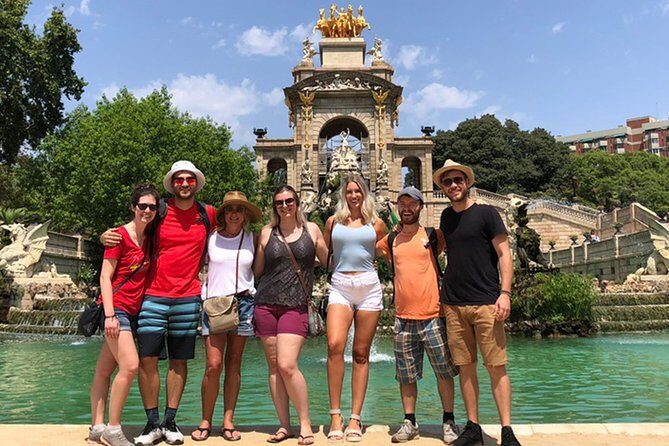
- Small group (max 15): easier questions, better pacing, more personal commentary
- Photo-friendly route: multiple “pause here” landmarks, from Arc de Triomf onward
- Modernism stop: Palau de la Música Catalana brings a UNESCO wow factor into the walk
- Market time: Mercado de Santa Caterina is built for tapas, drinks, and a quick reset
- 1714 context stops: Fossar de les Moreres and the Born museum connect place to memory
- End in a park: your walk finishes at Ciutadella Park instead of cutting back through crowds
Why This Walk Through El Born Works Better Than Solo Sightseeing
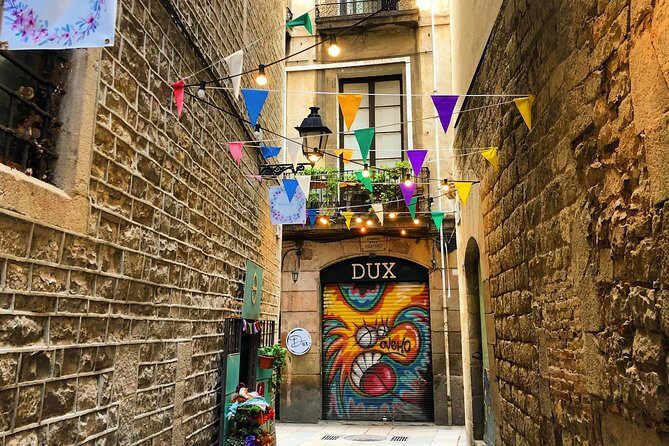
If you only skim El Born on your own, it can feel like a pretty maze of streets and stone façades. This tour helps you read what you’re seeing. You get a guide’s commentary that ties architecture, religion, and political memory to the exact spots you stand in front of.
I like that the route doesn’t just hit the obvious. It mixes big-name Barcelona with lesser-noticed layers: an old monastery, a market turned museum, and a cemetery monument tied to one of the city’s most painful defeats. The pacing is also sensible. Most stops are around 20 minutes, with a couple shorter moments near the end, so you’re not stuck in a constant sprint.
For a lot of people, El Born’s appeal is “vibes.” This gives you something sturdier: meaning. You’ll leave with a map in your head, not just a camera roll.
You can also read our reviews of more historical tours in Barcelona


The Best Value for the Price: What $21.63 Buys You in Real Life
At $21.63 per person, this is priced like a solid guided walk, not a splurge. The core value is the human part: a tour guide who explains what you’re looking at and how it fits into Barcelona’s larger story.
You also get a couple practical perks that help the experience land:
- Photographs and images that support what the guide points out on the street
- Restaurant recommendations you can use after the tour when you’re hungry and decision-fatigued
The tour does not include snacks, bottled water, or tips, so you’ll still need to manage your own basic comfort. And since Basilica de Santa Maria del Mar has admission not included, it’s smart to bring a bit of flexibility in your budget for that one site.
But overall, you’re paying for guide-led context at multiple landmarks in one tidy loop, which is hard to recreate if you’re relying only on an audio app.
Your 2.5-Hour Route: From Arc de Triomf to Ciutadella Park
This is about 2 hours 30 minutes of walking with stops—roughly 20 minutes at most points and a slightly shorter finale. It runs in English, and it’s designed for most people to participate.
You’ll start on Passeig de Lluís Companys at Arc de Triomf (start time 11:00 am). The tour ends inside Ciutadella Park, near the end of the same promenade connection.
Why that end location matters: when you finish in the park, you’re less likely to feel like your day is trapped in stone corridors. You get a natural decompression area right after the historic concentration.
And if you’re someone who likes planning ahead, note this kind of tour tends to book up early: on average, it’s reserved about 77 days in advance. If your dates are fixed, don’t gamble on walk-up spots.
Stop 1: Arc de Triomf and the First Photo Angle
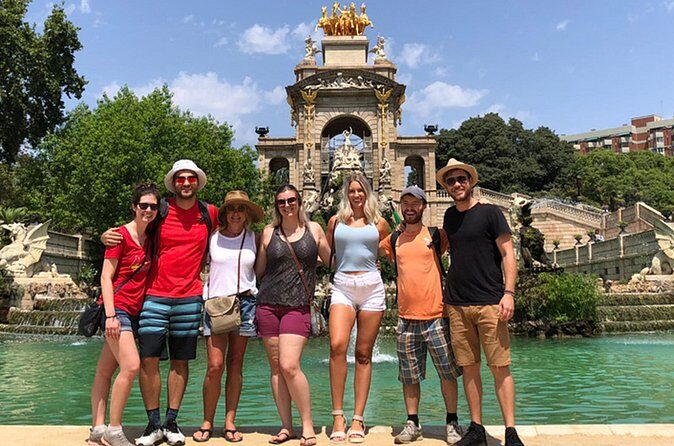
You begin at Arc de Triomf, Barcelona’s grand gate built in 1888. Even if you’ve seen arches before, this one works as a warm-up because it anchors the walk with a clear “this is where the story begins” landmark.
The guide typically uses this moment to set the tone for the day—what you’re going to look for, why certain details matter, and how El Born’s layers connect. It’s also simply one of the easiest places to start photographing. You get an open view for your first shots before the streets tighten into the Old Town.
Practical note: arrive a few minutes early so you’re not rushing at the start point. A calm start makes the whole tour feel smoother.
Stop 2: Monasterio de Sant Pere de les Puel.les (Built in 945)

Next comes Monasterio de Sant Pere de les Puel.les, an old monastery area dating to 945 AD. This stop gives you a straightforward way to understand Medieval Barcelona: religion wasn’t a separate “thing people went to,” it shaped daily life.
The key value here isn’t just age. It’s the shift in perspective. When you’re surrounded by centuries-old stone, you start to notice how communities organized themselves—what they built, where they built it, and what they treated as essential.
You’ll likely spend around 20 minutes here, which is enough time to see how the guide frames the place without turning it into a blur.



Stop 3: Palau de la Música Catalana and UNESCO Modernism

Then you hit a total style turn at the Palace of Catalan Music—a UNESCO Modernist musical palace. This is one of those Barcelona stops that can look stunning even when you don’t know a thing about it.
What makes it more than a postcard is the guide-led explanation: why the architecture feels theatrical, how Modernism played into Barcelona’s identity, and what you can pay attention to when you’re standing in front of it.
This is also a great photo moment. Modernist façades are full of angles and details—so you’ll want to move a bit and look up, not just straight ahead.
Stop 4: Mercado de Santa Caterina for Tapas, Drinks, and a Reset
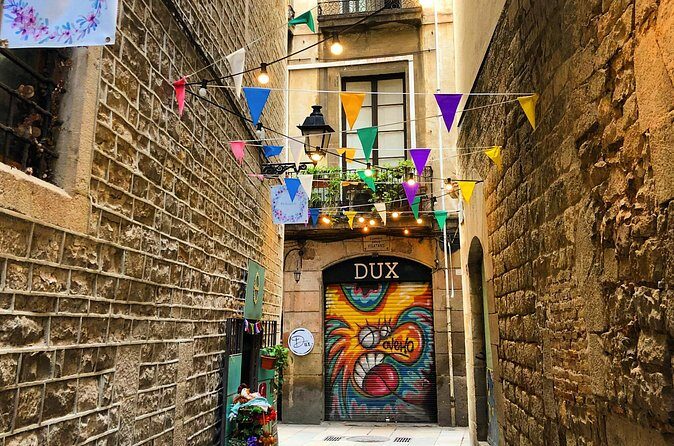
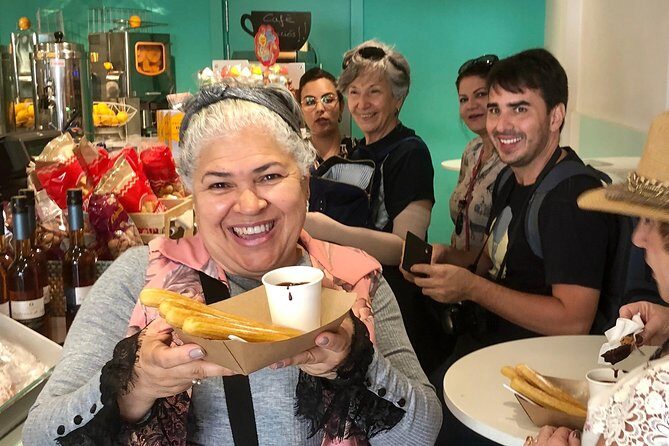
At Mercado de Santa Caterina, you get the most “real Barcelona” break. The market is the kind of place you can use for a quick meal instead of only browsing as a tourist.
This stop is designed for you to try tapas and drinks, and yes—there’s a toilet, which is a bigger deal than people admit when you’re walking for hours.
I like this structure: the tour keeps you moving, but it doesn’t ignore comfort or food. It also helps you understand the neighborhood from the stomach level, not just the museum level.
If your guide shares restaurant ideas (you’ll get a list), this is often where those suggestions start to make sense—what local tastes prioritize, what kind of places you should look for afterward, and what to order if you want an easy win.
Stop 5: Basilica de Santa Maria del Mar and the Story It Carries
Now you reach Basilica de Santa Maria del Mar, described as the most important basilica in the old town. This is more than a stop for architecture photos. The guide frames it as a story of perseverance and faith in Barcelona.
You’ll also want to know the practical side: admission is not included here. So you’re making a small decision—either budget for the entry or treat the exterior as your main souvenir.
Either way, this is the kind of church where the guide’s commentary helps you notice meaning in the stone. It’s easy to look at a church and think it’s just old. This stop pushes you to see why it mattered to people who built and defended their world.
Stop 6: El Fossar de les Moreres and the 1714 Defeat
Then the walk turns emotional at El Fossar de les Moreres. This monument commemorates the defeat of September 11, 1714, a tragic event tied to the city’s loss in its most painful chapter.
The reason this stop is powerful is also the reason it can be uncomfortable: it brings history down to a specific place. You’re not hearing vague facts—you’re standing at a commemorative point that marks a real outcome for real people.
This isn’t just “learn a date.” It’s a chance to connect the earlier religious and architectural layers to political memory. Barcelona keeps its identity through built reminders like this.
Stop 7: El Born Centre de Cultura i Memoria (Old Market, Now Museum)
After that, you step into El Born Centre de Cultura i Memoria, an old market turned museum. The big value here is that it helps you picture the medieval city and how the area functioned, not just what it looks like today.
The guide typically links the museum to the defeat of 1714, showing how the neighborhood’s story continues into the present. This kind of context is what turns a walk into something you can explain to friends later.
You’ll spend about 15 minutes here, which is enough time to absorb the essentials. The benefit of a guided visit is that you don’t have to guess what you should focus on in a museum space.
Stop 8: Ciutadella Park—From Fortress Past to 1888 Expo Heart
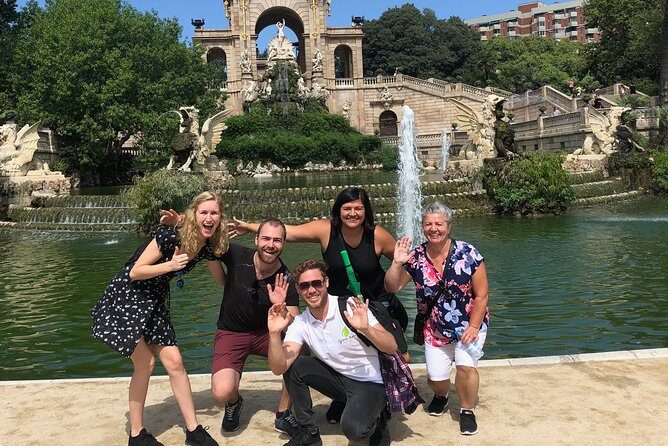
Your finale is Parc de la Ciutadella. It began as a fortress built after the War of Succession and later became a park. It then became the heart of the Universal Exposition of 1888.
This stop gives your brain a clean landing. You just spent the last chunk of time in dense historic layers, and now you’re in open space with a calmer feel. The guide can connect the dots between control (fortress) and public life (park and exposition), which is a neat way to close out the theme of how Barcelona shaped itself.
If you enjoy photos, this is also where you can reset your camera settings and take wider shots. The end inside the park means you’re finishing in a place that feels like Barcelona after the lessons.
What to Watch For During the Walk (So You Get More Out of It)
Here’s how to make the most of it, without overthinking:
- Use the guide’s cues for photo timing. Several stops are set up as obvious picture points, but you’ll get better angles if you move when the group pauses.
- Come with a bit of patience for slower moments. Church and memorial stops aren’t the same as scenic viewpoints, and the guide’s explanations take time for a reason.
- Plan for small purchases. The market stop is your chance to eat and drink on your own. Also remember Santa Maria del Mar admission is not included.
- Bring a phone for the photos, but also be ready to listen. The best part of this tour is the way the commentary connects buildings to meaning.
One more small tip: the experience is offered in English, and the guide is part of the show. Names you might hear in their other runs include Paulo and Alessio, who have both been praised for energy and for bringing stories to life with humor and action.
Who Should Book This El Born Tour (and Who Might Skip It)
This tour is a great fit if you want:
- A guided explanation of El Born’s key landmarks without sprinting between them
- A stop-by-stop introduction to medieval Barcelona, Modernism, and the 1714 story
- A market moment that feels useful, not just scenic
It’s also a good pick if you’ve already seen some major Barcelona sights and you want something more focused on one neighborhood’s “why.”
You might skip it if you’re only chasing photo hotspots and prefer to wander freely with zero structure. Some people also won’t like that not every site is free, since Santa Maria del Mar has extra admission.
Should You Book El Born Historic Heart of Barcelona?
Yes—if you want El Born with context, not just coordinates. For the money, you get a tight route with small-group attention, plus the market break and museum stop that turn a walk into a story you can follow.
Book it sooner rather than later, because this type of tour is typically reserved well in advance. And if you like planning your day around a logical arc—from arc to monastery to market to memorial and finally a park—this itinerary style is exactly that.
FAQ
How long is the El Born Historic Heart of Barcelona tour?
It runs for approximately 2 hours 30 minutes.
What does the tour cost?
The price is $21.63 per person.
Where does the tour start and where does it end?
It starts at Arc de Triomf on Passeig de Lluís Companys and ends inside Ciutadella Park at the end of the Lluis Compayns promenade (Passeig de Picasso, 21, Ciutat Vella, 08003 Barcelona).
What time does the tour start?
The start time listed is 11:00 am.
Is it a small-group tour?
Yes. It has a maximum of 15 travelers.
What language is the tour offered in?
The tour is offered in English.
Is this tour ticket-based or guided on-site?
It includes a tourist guide, and you’ll use a mobile ticket.
Are entrance fees included at every stop?
Most stops note free admission, but Basilica de Santa Maria del Mar has admission not included.
Does the tour include snacks or bottled water?
No. Snacks and bottled water are not included.
Is the Mercado de Santa Caterina stop included for food and drink?
Yes. The plan includes a local market stop where you can try tapas and drinks.
What if the weather is bad?
The tour requires good weather. If it’s canceled due to poor weather, you’ll be offered a different date or a full refund.