REVIEW · BARCELONA
Barcelona: The Spanish Civil War Historical Walking Tour
Book on GetYourGuide →Operated by Nostos Tours · Bookable on GetYourGuide
Barcelona’s streets still remember.
This tour turns the Spanish Civil War into something you can track block by block. You’ll walk through the old town scars where the fighting and fascist bombings hit hard, then connect it to the 36-year dictatorship that followed. I like that the guide keeps the factions straight, and I like the way the story is supported with pictures and clear explanations instead of vague name-dropping.
If you care about Barcelona beyond the usual highlights, this is the route. You’ll also hit places tied to George Orwell’s Homage to Catalonia, and you’ll get the political context that makes modern conversations make more sense.
One consideration: the topics are political, tied to war and dictatorship, and the tour is therefore not advised for children (even though they can join). It’s history with weight, so come ready for serious material.
In This Review
- Key takeaways before you go
- Barcelona’s streets as a Spanish Civil War classroom
- Starting at Plaça de Catalunya, then stepping into the old town story
- The real skill: sorting Fascists, Loyalists, and anarchists without oversimplifying
- Orwell’s Homage to Catalonia connections you can actually stand on
- “Scars” in the city: why this walk feels different from museum history
- Women, everyday politics, and the human stakes of the factions
- The international angle: Hitler, Mussolini, the International Brigades, and Western Allies
- Franco’s dictatorship: from wartime fractures to long control
- How Spain deals with this period now
- Ending near Barcelona City Hall in the Gothic Quarter
- Price, value, and what you actually get for $46
- Who should book, and who should skip
- Should you book this Barcelona Civil War walking tour?
- FAQ
- Where do I meet the guide?
- How long is the tour?
- Is the tour in English?
- Is there an extra cost for the wireless system?
- Does the tour run in bad weather?
- Is it suitable for children?
- What’s included in the price?
Key takeaways before you go
- Street-level context in 2.5 hours: a city-walk approach since there are virtually no official museums or memorials here for this story
- A faction map you can follow: Fascists, Loyalists, and anarchists explained as competing visions, not just labels
- George Orwell’s Catalonia, made visual: you’ll see the kinds of places Orwell wrote about
- Pictures used as history tools: the guide uses visuals to keep complex events understandable
- Past and present connected: you’ll end with questions about how Spain handles historical memory now
- Stop-and-talk pacing: it’s not constant walking; you move, then stand while the guide tells you what matters
Barcelona’s streets as a Spanish Civil War classroom
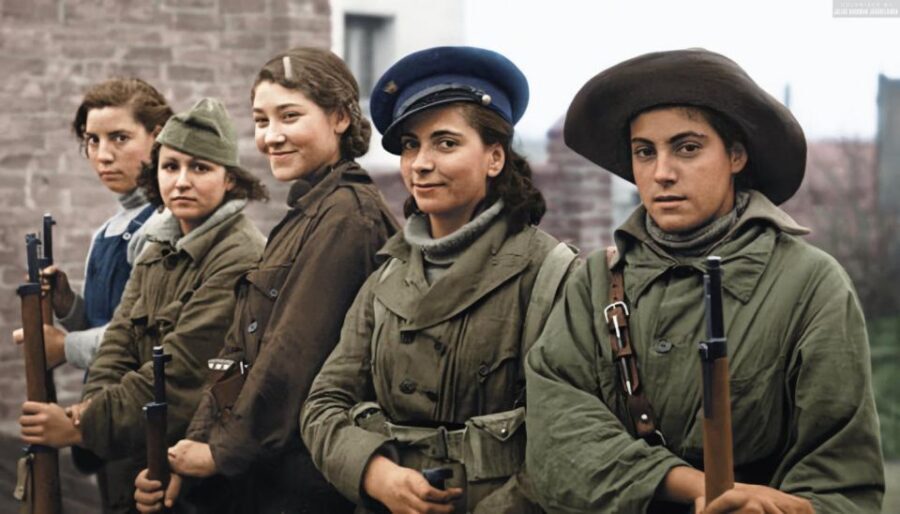
The best part of this kind of tour is the format. Instead of putting the Civil War in a glass case, you get it connected to real neighborhoods and the visible consequences of violence. In Barcelona, that matters, because the city’s role in the conflict is different from many other parts of Spain.
I also like that the guide doesn’t treat the Civil War as a single event. You’ll build from the reasons the country fractured, then follow the logic of how the war split people into camps with very different futures in mind. That makes the whole timeline feel less like a memorization exercise and more like cause-and-effect.
And because there are very few official memorials for this period in the places you’ll walk, the tour has real value as an on-the-ground “missing chapter” for anyone who wants to understand Spain without only seeing the postcard version.
You can also read our reviews of more walking tours in Barcelona



Starting at Plaça de Catalunya, then stepping into the old town story
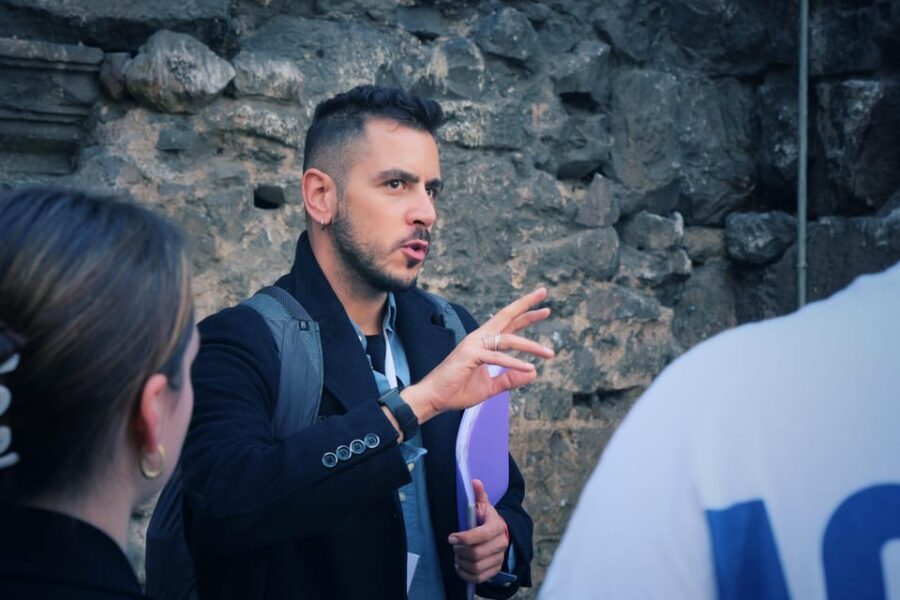
You meet on the sidewalk in front of Foot Locker at Plaça de Catalunya. Your guide will be easy to spot with a white umbrella, so you won’t be standing there guessing or blending into the crowd.
From that central hub, the walk shifts toward the mood of the old city. You’re not just moving through pretty streets; you’re moving through political territory. The guide sets expectations early: they want you to understand what happened before the outbreak of war, what ignited it, and why Barcelona became such a flashpoint.
This start matters for first-timers to Spanish history. If all you know is that Spain later had a dictatorship, this tour helps you connect the dots between the pre-war breakdown, the wartime factions, and the dictatorship that followed.
The real skill: sorting Fascists, Loyalists, and anarchists without oversimplifying
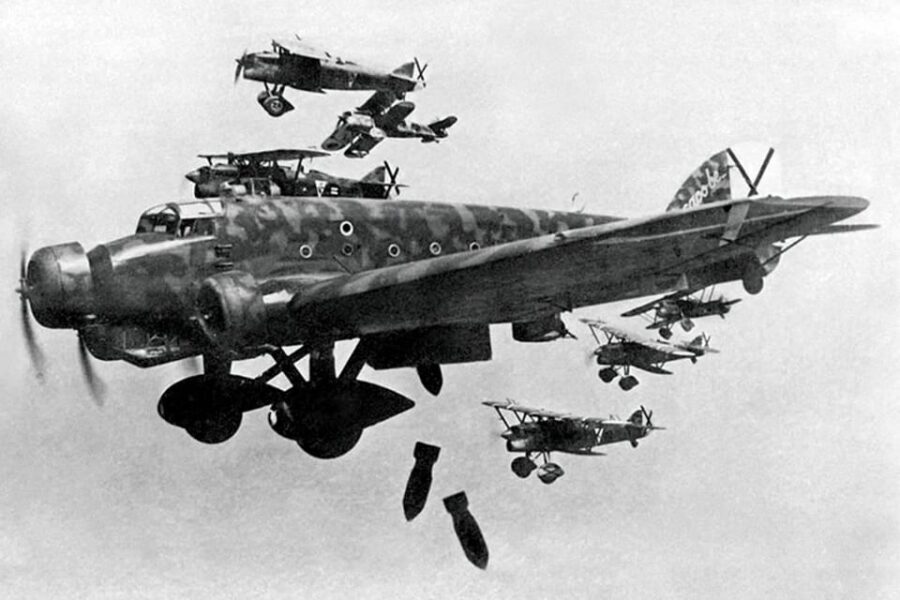
One big reason people love this tour is how the guide handles factions. The Civil War can sound like a soup of terms—fascists, loyalists, anarchists, unions, republicans—and it’s easy to get lost. Here, you’ll get a clear framework for what each group wanted and why they acted the way they did.
You’ll also cover the role of international players in the conflict, including Hitler and Mussolini, and how the International Brigades fit into the wider European struggle. That helps you see the war as local conflict with global stakes, not as a purely Spanish argument.
The tour’s structure also supports questions. Several guides associated with the experience are praised for being able to explain complicated relationships in a digestible way, and for checking that the group is tracking the story as it gets messy. That’s not just “nice”—it changes the experience if you’re the type who likes to ask why something happened, not only what happened.
Orwell’s Homage to Catalonia connections you can actually stand on
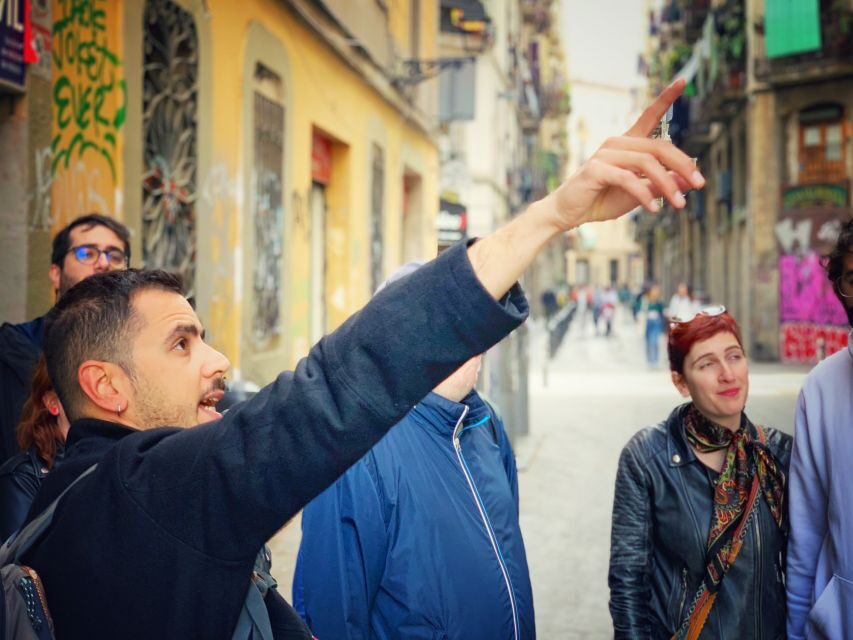
You’ll see places connected to George Orwell and his account in Homage to Catalonia. I like this angle because it gives the conflict a human lens, not just dates and commanders. When you stand in the neighborhoods Orwell wrote about, the story starts to feel less like distant history.
This is also where the guide’s pictures and storytelling really help. You’re learning history that can feel abstract until the guide shows you how the setting connects to the events described in the book.
If you’ve read Orwell and want to anchor the text in the geography, this tour is a strong way to do it. If you haven’t read the book, don’t panic—the guide’s job is to make the connections clear, and the Orwell link becomes a thread that keeps the story grounded.
“Scars” in the city: why this walk feels different from museum history
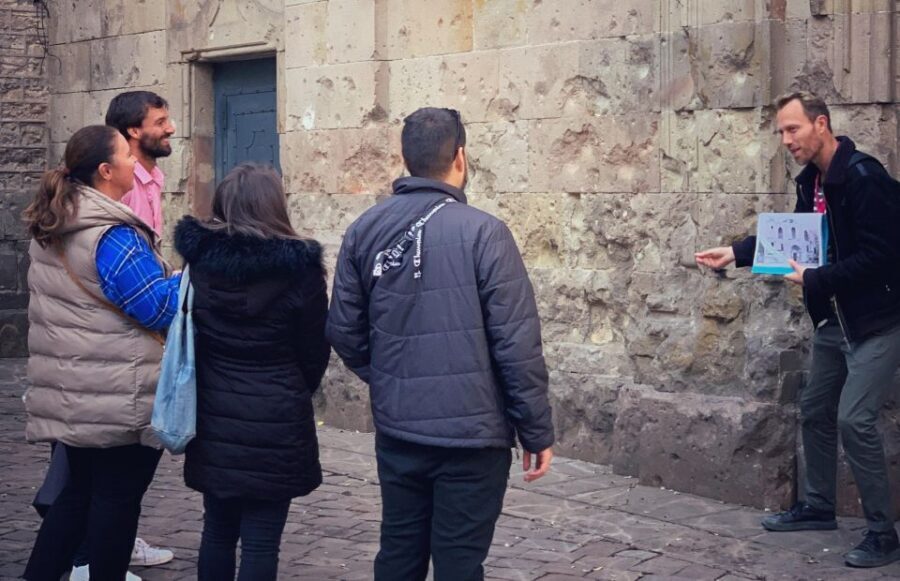
This is not the usual sightseeing add-on. The focus is on where the war left traces across streets and neighborhoods—especially in the old parts of Barcelona where much of the fighting and fascist bombings occurred.
What makes this approach valuable is that you’re forced to think about visibility and memory. Some parts of the Civil War are hard to find in official form today, so the tour becomes a living map of what the city remembers indirectly—through architecture, placement, and context.
That’s also why the tour emphasizes that there are virtually no official museums or memorials for this period in the way you might expect. You’re getting an interpretation route, not a “ticket and gallery” experience. If you’re tired of passive history, this format is more active: the guide makes you look, then makes you understand what you’re looking at.
You can also read our reviews of more historical tours in Barcelona


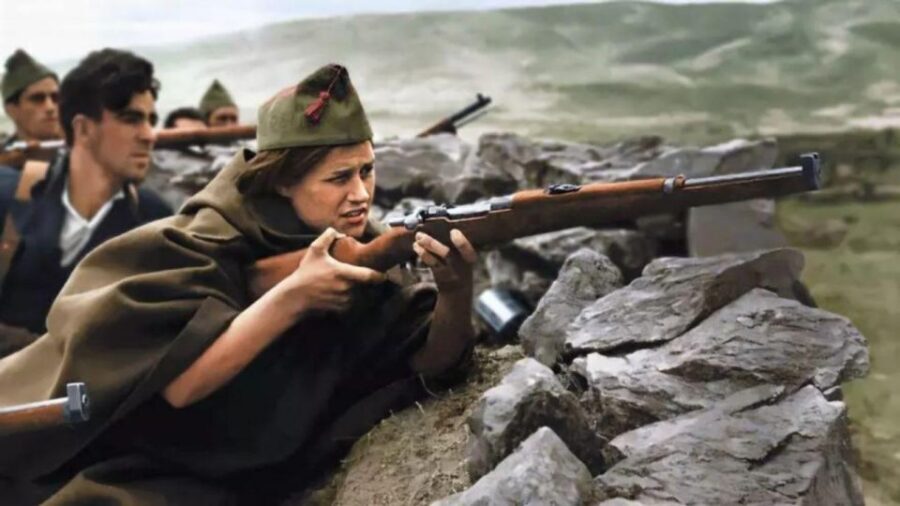
Women, everyday politics, and the human stakes of the factions
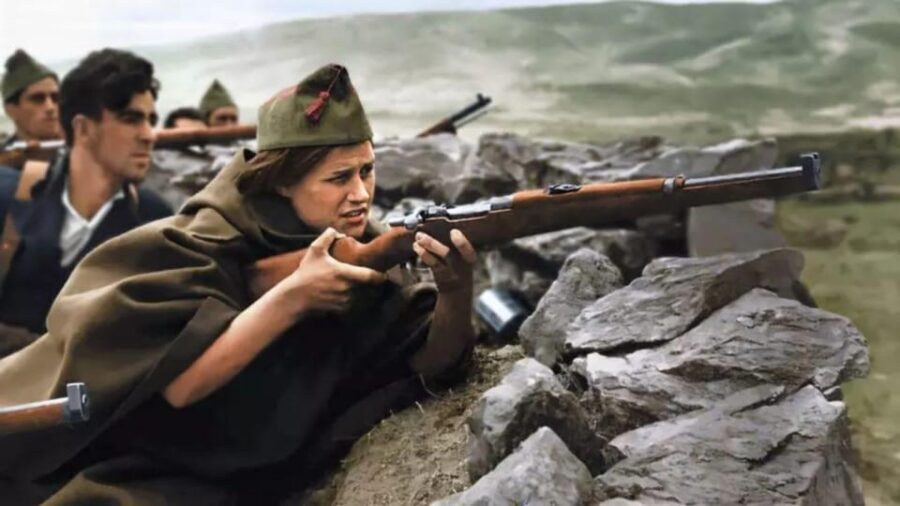
The Spanish Civil War wasn’t only generals and propaganda. You’ll also discuss the political role of women during the Republic and war years, including mujeres libres. This is one of those details that changes the way you read the conflict afterward, because it brings social life into the frame, not only ideology at the top.
I like that the guide doesn’t treat women’s political activity as a side note. It’s used to show what people were fighting for and what daily life could mean when politics becomes survival.
You’ll hear a “why this matters” layer too—how these movements and political ideas shaped society even after the war ended, and how the country carries unresolved national trauma in the decades that follow.
The international angle: Hitler, Mussolini, the International Brigades, and Western Allies
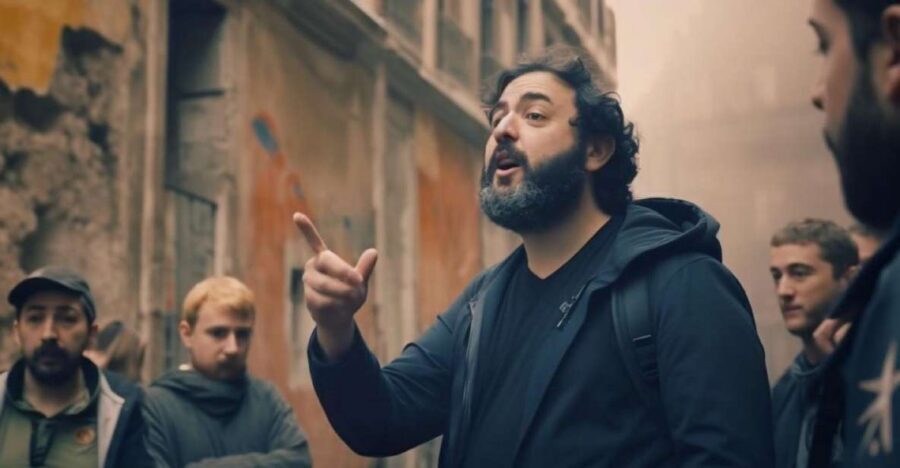
If you want the wider Europe context, this tour delivers it in a structured way. You’ll cover the role of Hitler and Mussolini, and how the International Brigades became part of the conflict—foreign volunteers and supporters drawn into Spain’s struggle.
You’ll also look at how the Western Allies responded to the war and to Franco’s dictatorship. That part helps you understand why Spain’s tragedy didn’t happen in isolation. It was shaped by international diplomacy and by decisions made far beyond Barcelona’s streets.
The payoff for you is perspective. You start seeing the Civil War as both local rupture and international warning sign. That’s exactly the kind of connection that helps history stop feeling like trivia.
Franco’s dictatorship: from wartime fractures to long control
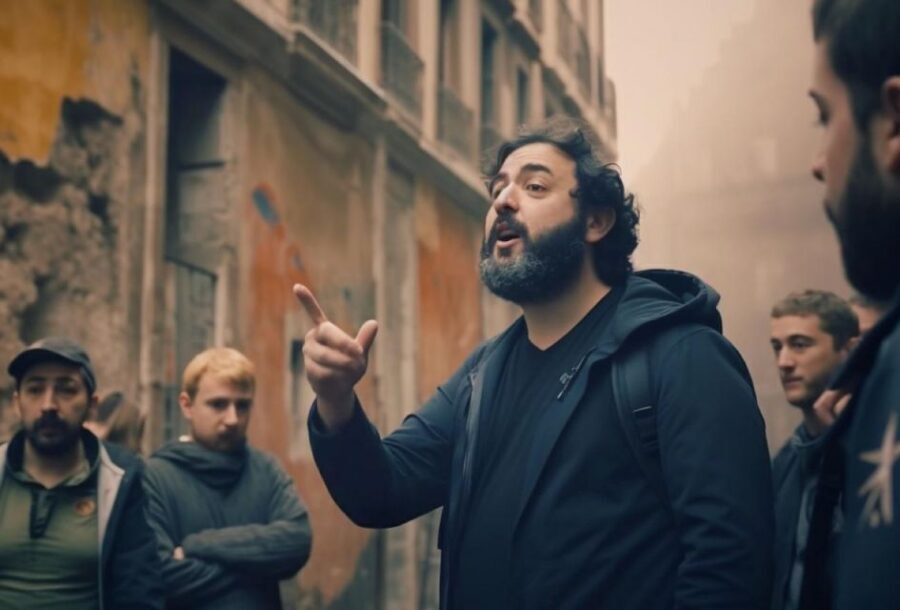
After the outbreak and the conflict itself, you’ll move into the years of the military dictatorship that ended less than 50 years ago. The guide untangles how the war’s outcome translated into control over politics and daily life for decades.
This section is where the “unspoken history” idea becomes real. You’re not just learning that dictatorship happened—you’re understanding how the war’s factions and choices set the stage for the next era.
You’ll also explore the role of the Catholic Church during the period, and how it influenced politics and legitimacy. For many visitors, that’s a key missing piece because the story is often told only with bare-bones military facts.
How Spain deals with this period now
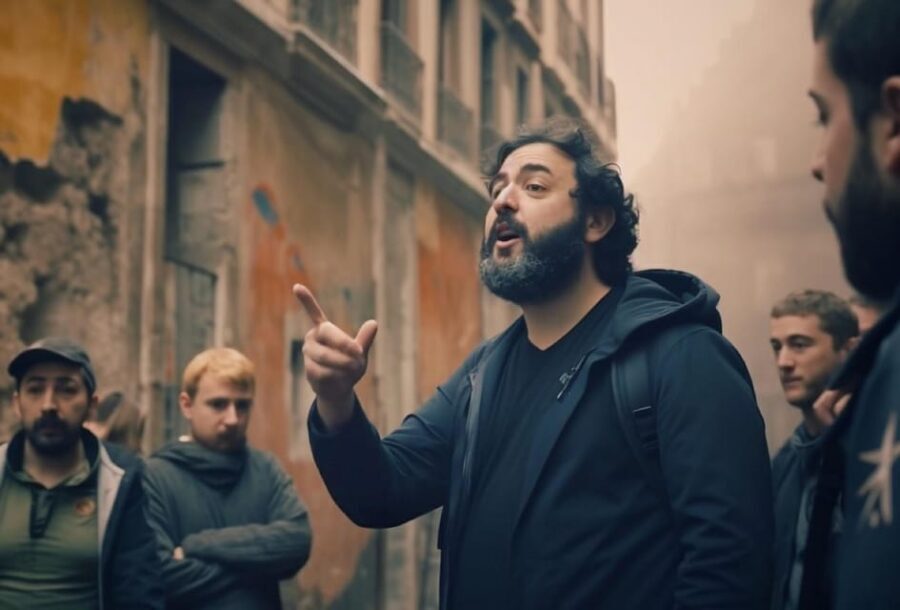
You’ll finish with a look at how Spain handles the Civil War years today. The guide frames historical memory as more than “old news.” It’s tied to how democracy works in the present and why understanding the past still matters.
This is where a good guide earns their tip money. The explanations you get aren’t only academic. They connect the dots between ideology, violence, and modern identity and political debate.
If you’re visiting Barcelona and also planning to hear about politics elsewhere in Spain, this tour gives you a base layer. You’ll have more context for what you see and hear afterward.
Ending near Barcelona City Hall in the Gothic Quarter
The tour finishes after about 2.5 hours in the middle of the Gothic Quarter, near Barcelona city hall. That ending location is practical: you’re close to lots of later-night walking options and easy routes to bars or dinner.
Pace is worth noting. It’s not a nonstop march. You’ll walk a bit, then stand while the guide explains what you’re looking at, then move again. Reviews for the experience also highlight the “stroll, then stand” rhythm, so plan your shoes accordingly.
Also plan for weather. The tour runs rain or shine, so bring a rain layer if Barcelona looks moody that day. Waiting outside for a briefing is also something to keep in mind if you’re visiting in cold months.
Price, value, and what you actually get for $46
At $46 per person for a 2.5-hour guided walk, you’re paying for expert interpretation in a setting where you won’t find a traditional museum stop. You do not get hotel pickup or drop-off, and you won’t be fed or given drinks—so you’re budgeting for guide time, not a packaged day out.
There’s one optional-but-common add-on: a wireless tour guiding system. There’s an extra 1€ per person charged at the beginning of the tour, and it can be paid by card or cash. If you like hearing every detail clearly, it’s worth going with the system, especially on busy streets.
For value, ask yourself this: do you want to just see old streets, or do you want those streets explained in a serious, structured way? If you want the second one, the price starts to make sense fast—especially because you’re learning about a part of Spain that often gets less attention than flamenco, tapas, and the easiest museum hits.
Who should book, and who should skip
This tour fits best if you:
- enjoy history that connects to real places and politics
- want help understanding complicated factions without getting lost
- are curious about Orwell’s Homage to Catalonia and want the geography behind the writing
- want context for Spain’s long-term memory of dictatorship and the Civil War years
You might skip it if you:
- want light sightseeing only
- dislike political war history with heavy subject matter
- are bringing very young kids who aren’t ready for the themes of war and dictatorship (the tour is not advised for children, even though they can join)
Should you book this Barcelona Civil War walking tour?
I think it’s a strong booking choice if you want Barcelona to mean more than architecture and views. This tour is designed for people who want the hard context: factions, international involvement, the role of the Church, the dictatorship aftermath, and how Spain treats the memory now.
If you’re excited about history but tired of passive museum time, the format works. You’ll stand in the city’s old streets, learn the logic behind the conflict, and leave with a clearer picture than you could assemble alone from a quick guidebook skim.
FAQ
Where do I meet the guide?
You meet on the sidewalk in front of Foot Locker on Plaça de Catalunya. Your guide will be there with a white umbrella.
How long is the tour?
The tour lasts about 2.5 hours.
Is the tour in English?
Yes, the live tour guide is English, and there’s an optional audio guide in English.
Is there an extra cost for the wireless system?
There can be an extra 1€ per person for the wireless tour guiding system, charged at the beginning of the tour. It can be paid by card or cash.
Does the tour run in bad weather?
Yes. It takes place rain or shine.
Is it suitable for children?
It’s not advised for children due to the subjects of politics, war, and dictatorship. Children are allowed to join.
What’s included in the price?
A professional tour guide is included. Hotel pickup and drop-off, and food and drinks, are not included.