REVIEW · BARCELONA
Historical and Modernist Bike Tour Barcelona
Book on Viator →Operated by Born Bike Tours Barcelona · Bookable on Viator
Barcelona clicks into place fast on two wheels.
This Historical and Modernist Bike Tour is a practical way to see two very different sides of the city in just a few hours: the medieval streets around the Barri Gòtic and the famous modernist wave tied to Gaudí. You ride through real neighborhoods, with a local guide keeping you moving while pointing out what to notice along the way.
What I like most is how the tour pairs big landmarks with street-level context, so you get a clearer idea of how Barcelona developed rather than just collecting photo stops. I also like the hands-on pacing: a helmet, water, and a bike are part of the deal, and the small group size helps the guide keep the ride friendly and understandable. A possible drawback: several major sights are quick exterior stops, and their admission tickets are not included, so you won’t get inside unless you book separately.
In This Review
- Key things to know before you go
- Why this Gothic-to-Gaudí ride is a smart first look
- Where you start: Carrer de la Marquesa in Ciutat Vella
- Stop 1: Barri Gòtic (Gothic Quarter) with free access
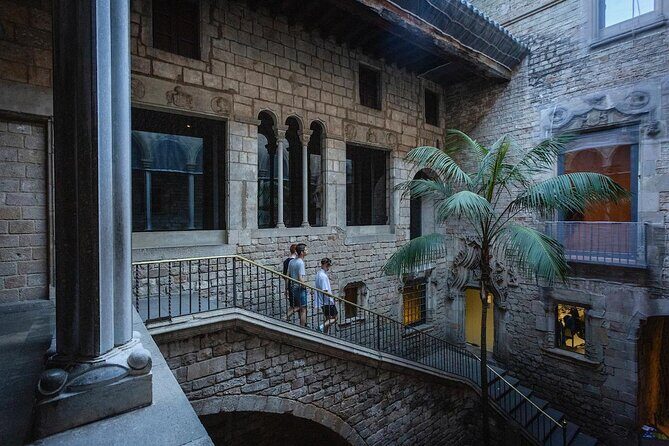
- Stop 2: Museu Picasso as a quick cultural marker
- Stop 3: Basilica de la Sagrada Família (view-only on this tour)
- Stop 4: Casa Mila – La Pedrera and its stone-wave facade
- Stop 5: Casa Batllo and the story behind the shapes
- Stop 6: Basilica de Santa Maria del Mar (free stop)
- Stop 7–9: El Born, Passeig del Born, and the El Born Centre de Cultura i Memoria
- How the guide changes everything (and why names matter)
- Bike comfort, helmet use, and what 10-minute stops feel like
- Price and value: what $43.55 buys you
- Who should book this tour, and who might not love it
- Should you book this Barcelona Historical and Modernist Bike Tour?
- FAQ
- How long is the Historical and Modernist Bike Tour Barcelona?
- What’s included in the tour?
- Are tickets for Museu Picasso, Sagrada Família, Casa Mila, and Casa Batllo included?
- Which stops are listed as admission ticket free?
- Is the tour offered in English?
- Where do I meet the tour, and does it end there too?
- How many people are in a group?
- Can I cancel for a full refund?
- Are service animals allowed?
Key things to know before you go
- Small group (max 15) means more time for your guide’s explanations and fewer bottlenecks
- 10-minute stops keep the tour moving, but they also mean you’ll be viewing most sites from the street
- Admissions split clearly: some stops are free, others like Picasso, Sagrada Família, and Gaudí require separate tickets
- Bike + helmet + water included, so you can travel lighter and focus on seeing the city
- Local guide storytelling helps you connect Gothic streets to modernist architecture quickly
Why this Gothic-to-Gaudí ride is a smart first look
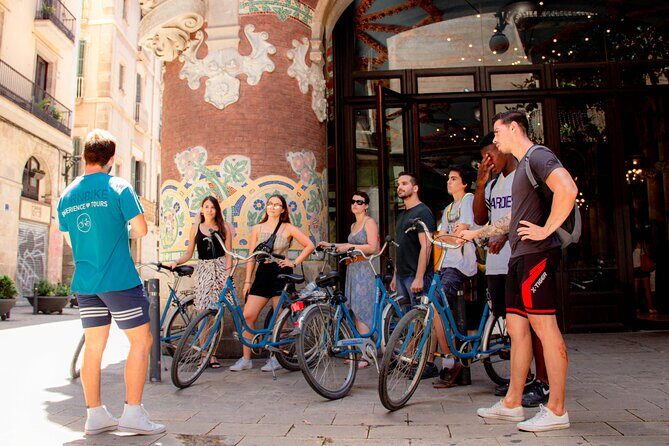
Barcelona is one of those cities where you can spend hours staring at buildings and still feel like you missed the “how did this happen” part. This tour is built to solve that. In about 3 hours, you get a clean overview of the Gothic Quarter and the modernist landmarks associated with Gaudí, without needing to map every turn yourself.
I like that it’s not a “one-photo-per-stop” experience. The guide uses explanations to help you read what you’re seeing, especially when the style changes abruptly from medieval stonework to modernist curves and symbolism. You come away with better bearings, which makes the rest of your trip easier.
You can also read our reviews of more cycling tours in Barcelona

Where you start: Carrer de la Marquesa in Ciutat Vella
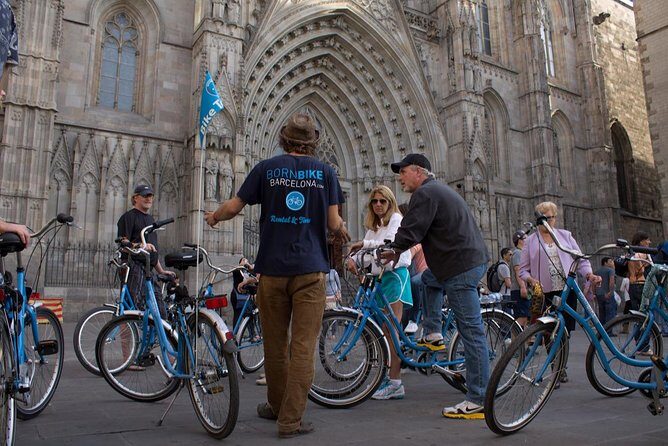
The meeting point is Carrer de la Marquesa, 1, Ciutat Vella, 08003 Barcelona, Spain, and the tour ends back at the same spot. Starting in Ciutat Vella is useful because you’re already in the thick of the older core of the city.
This is also a tour you can slot in early, since it’s designed as an orientation loop. You’ll be near public transportation, which helps if you’re combining it with other plans before or after. And since it’s operated as a set experience with a mobile ticket, you won’t waste time hunting for details on arrival.
Stop 1: Barri Gòtic (Gothic Quarter) with free access
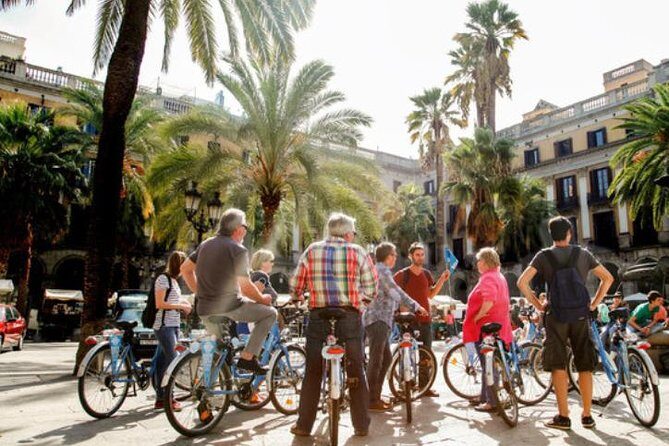
You kick off in the Barri Gòtic area, with admission ticket free for this stop. Expect a short window—about 10 minutes—to get oriented in the maze-like streets and key architectural cues that define the medieval feel of the neighborhood.
The value here is simple: the Gothic Quarter is a visual language. Once you understand the basic patterns—street layout, stone facades, and the way plazas open up—you’ll recognize them later even when you’re walking on your own. If you’re the type who likes to know what you’re looking at before you go deeper, this start is a strong move.
A consideration: because the stop is brief, you’re not going to “master” the Quarter on this ride alone. Think of it as your fast foundation for later exploration.
Stop 2: Museu Picasso as a quick cultural marker
Next up is Museu Picasso for another 10-minute stop, and here the admission ticket is not included. That usually means you’re getting a look from outside, plus guide context to connect the area to Picasso and to the broader cultural shift around the city.
This works well even if you don’t plan to visit the museum. A lot of travelers miss how Barcelona’s artistic identity isn’t just about Gaudí. It’s also about who lived here, who studied here, and how the city’s creative reputation grew over time.
If you do want to go inside the Museu Picasso, you’ll need to arrange that separately. The upside is you don’t have to make a decision in the moment—you can decide later with a better sense of where it fits.
Stop 3: Basilica de la Sagrada Família (view-only on this tour)
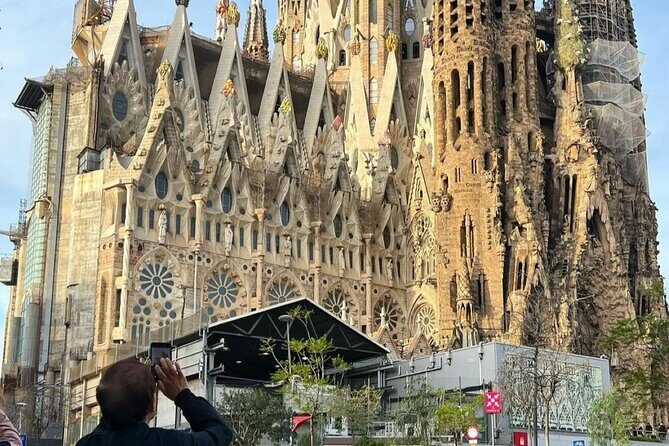
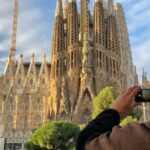
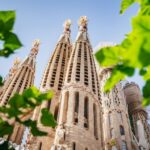
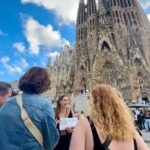
You’ll then reach Basilica de la Sagrada Família, again with a 10-minute stop and admission not included. On a bike tour, this is often about visual impact and orientation: where it sits in the city, what makes it unmistakable from a distance, and why people treat it like more than just a church.
This stop is valuable if you’ve seen photos but still struggle to picture the scale. Seeing it in context—through the flow of streets around it—makes the building feel more real. You also get a mental bridge from the older Gothic streets toward the modernist world.
Downside to note: if you’re hoping for time inside, this isn’t the format. Plan for a return visit on another day with tickets.
You can also read our reviews of more historical tours in Barcelona




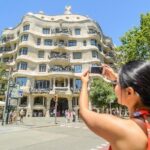
Stop 4: Casa Mila – La Pedrera and its stone-wave facade
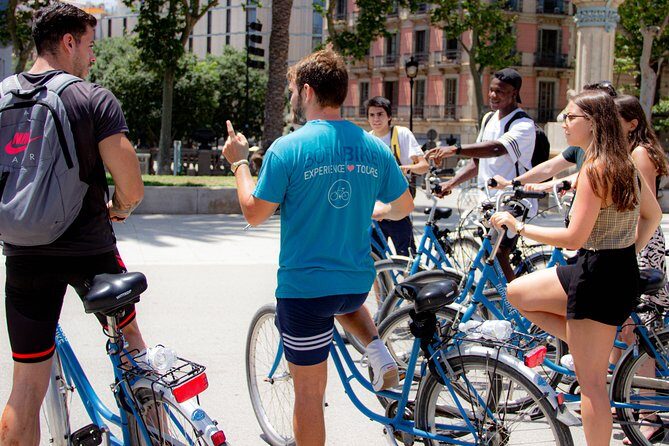
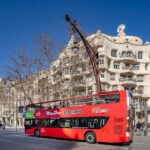
Then comes Casa Mila (La Pedrera) for a 10-minute stop, with admission not included. From the street, Casa Mila is all about movement: the way the facade looks carved rather than flat. The guide’s job here is to help you notice the design logic so it doesn’t just look like a fancy building.
This stop is a great example of why the tour’s pace matters. A short look works because modernist buildings demand noticing details. You get enough time to understand the key features, then you move on before you get architectural fatigue.
If you’re serious about entering La Pedrera, you’ll need separate tickets. The good news is the exterior stop gives you the “why” so your inside visit feels less random.
Stop 5: Casa Batllo and the story behind the shapes
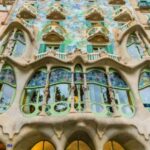
After La Pedrera, you’ll see Casa Batllo (again 10 minutes, admission not included). Casa Batllo is famous for how sculptural and playful it looks, but the real payoff on this kind of tour is the explanation of how the building’s forms relate to the designer’s thinking.
Even if you’re not the type who memorizes architectural terms, you’ll probably start to recognize patterns: how modernist design turns surfaces into something almost alive. The guide typically helps you connect what you see with what it’s trying to communicate.
Same trade-off as the other non-included stops: you won’t be going inside during this ride. If you want interiors, schedule those separately.
Stop 6: Basilica de Santa Maria del Mar (free stop)
Now the tour shifts back toward the older, more human-scale side of Barcelona. Basilica de Santa Maria del Mar is listed as 10 minutes with admission ticket free.
This is one of the smartest moments on the route because it gives you a contrast to the big modernist icons you’ve just seen. Santa Maria del Mar feels more grounded—historic, architectural, and tied to the life of the city. When you’re on a bike, that contrast lands fast, because you’re literally moving from modernist spectacle back to medieval solidity.
Even if you just observe the basilica from the street and learn the basics from your guide, it’s a strong “anchor” stop. It helps you remember that Barcelona’s story isn’t only about one style or one era.
Stop 7–9: El Born, Passeig del Born, and the El Born Centre de Cultura i Memoria
The last stretch focuses on El Born, Passeig del Born, and El Born Centre De Cultura I Memoria, with admission ticket free for each. Each is around 10 minutes, so you’re sampling the neighborhood rather than doing a deep museum visit.
This ending section matters because El Born often feels like the bridge between old Barcelona and today’s life in the city. The streets are built for walking, and the bike tour helps you understand where the “view corridors” are—places where you can step off the ride and explore on foot later.
For me, this is also where the guide’s storytelling style really pays off. You’re no longer trying to figure out what a building is; you’re learning how neighborhoods evolved and how memory and place overlap. The El Born Centre de Cultura i Memoria stop is a good hint that this area is more than scenery—it connects to how Barcelona remembers its past.
How the guide changes everything (and why names matter)
The tour lives or dies on the guide. This one tends to perform well because guides don’t just point out names—they explain details in a way you can hold onto.
One guide, Morgane, is mentioned as using photographs of the sights to explain the details more effectively. That approach helps if you’re looking at buildings at street level and can’t easily see the parts that people usually photograph.
Another name you may come across is Ernesto, who is noted for building a tour around family needs. In one case, a child rode on a double bike while others used individual bikes, and the route was adjusted to make sure the group completed the ride successfully. That tells you something important: the experience is flexible enough to handle real differences in comfort levels.
And Thomas is mentioned for exploring the old town with lots of perspective. In practice, that means you’re less likely to feel like you’re just “doing stops” and more likely to understand why those stops line up the way they do.
Bike comfort, helmet use, and what 10-minute stops feel like
You’ll be provided with a bicycle and a helmet, plus bottled water. Those aren’t small perks on a tour that lasts about 3 hours, because they reduce the mental load. You can focus on noticing details instead of worrying about gear, hydration, or fit.
The stop length matters too. With about 10 minutes per major sight and several sights along the way, you’ll move often. That’s great for seeing a lot in a short time, but it also means you won’t get long, slow photography sessions at every location.
If you’re sensitive to tight schedules, this is still manageable—you’ll have enough time to look and listen, but you should plan to return to your favorite places later for longer visits.
Price and value: what $43.55 buys you
At about $43.55 per person, this is priced like a true guided tour rather than just a bike rental. You get the guide, the bike, the helmet, and water included, which adds up quickly in a city where individual costs can surprise you.
The main cost decision isn’t the tour price—it’s the tickets for certain stops. Museu Picasso, Basilica de la Sagrada Família, Casa Mila (La Pedrera), and Casa Batllo are listed as not included. In other words, you’re paying for an overview and street-level context, not for full admission bundles to every big attraction.
That can be a plus if you hate wasting vacation time in ticket lines or if you prefer choosing what to enter based on your mood. If you already know you want interiors at Sagrada Família and one or two Gaudí houses, budget for those separately.
Who should book this tour, and who might not love it
This is a good fit if you want a first orientation to Barcelona’s biggest contrasts. It works especially well when you like architecture but don’t want to plan a day of transit and ticket decisions.
You’ll also likely enjoy it if you appreciate a guide who tells stories and connects details—photos and clear explanations seem to be part of the approach. The small group limit of up to 15 supports that style of pacing.
It may be less ideal if you want long time inside museums and churches during the same session. The structure uses short stops, and several top attractions have admission not included, so you’ll need a second plan if you want interiors.
Should you book this Barcelona Historical and Modernist Bike Tour?
If your goal is to get your bearings fast and understand how the Gothic Quarter and Gaudí-era modernism connect, I’d book it. The value is strongest when you treat it as an orientation tour that makes later visits smarter.
I’d skip it only if you’re set on spending lots of time indoors at multiple major sites in one go. In that case, you’ll likely feel the short stop times and the separate-ticket setup as a limitation.
FAQ
How long is the Historical and Modernist Bike Tour Barcelona?
It lasts about 3 hours.
What’s included in the tour?
The tour includes bottled water, a local guide, use of a bicycle, and use of a helmet.
Are tickets for Museu Picasso, Sagrada Família, Casa Mila, and Casa Batllo included?
No. The tour lists admission for Museu Picasso, Basilica de la Sagrada Familia, Casa Mila – La Pedrera, and Casa Batllo as not included.
Which stops are listed as admission ticket free?
The tour lists Barri Gotic (Gothic Quarter), Basilica de Santa Maria del Mar, El Born, Passeig del Born, and El Born Centre De Cultura I Memoria as admission ticket free.
Is the tour offered in English?
Yes. The tour is offered in English.
Where do I meet the tour, and does it end there too?
You meet at Carrer de la Marquesa, 1, Ciutat Vella, 08003 Barcelona, Spain, and the tour ends back at the meeting point.
How many people are in a group?
Bookings require a minimum of 4 people, and the tour has a maximum of 15 travelers.
Can I cancel for a full refund?
Yes. Free cancellation is available up to 24 hours before the experience starts for a full refund.
Are service animals allowed?
Yes. Service animals are allowed.
If you want, tell me your travel dates and whether you’re planning to enter Sagrada Família or any Gaudí houses, and I’ll help you decide what to book next around this ride.