REVIEW · BARCELONA
Guided Tour at Catalonia’s Royal Academy of Medicine
Book on GetYourGuide →Operated by Sternalia Productions SL · Bookable on GetYourGuide
Medicine had a classroom, and it still does. At Catalonia’s Royal Academy of Medicine, you get a tight 50-minute guided visit inside one of Barcelona’s major neoclassical buildings, with a surgeon-training anatomy theater and science stories that feel built into the space.
I especially like two things here. First, the Ventura Rodríguez anatomical amphitheater, described as the last one of its kind remaining in Spain and among the oldest in Europe. Second, you’re not stuck with one language option thanks to a live guide (Spanish, Catalan, English) plus an included audio guide in multiple languages.
One consideration before you go: the visit involves steps. Even though the tour is marked wheelchair accessible, the stairs mean it may not feel comfortable for everyone, and it’s also listed as not suitable for people with pre-existing medical conditions.
In This Review
- Key highlights at a glance
- Catalonia’s Royal Academy of Medicine: why this tour feels different
- Finding the meeting point on Carme Street (and the door routine)
- Step into Ventura Rodríguez’s anatomical amphitheater
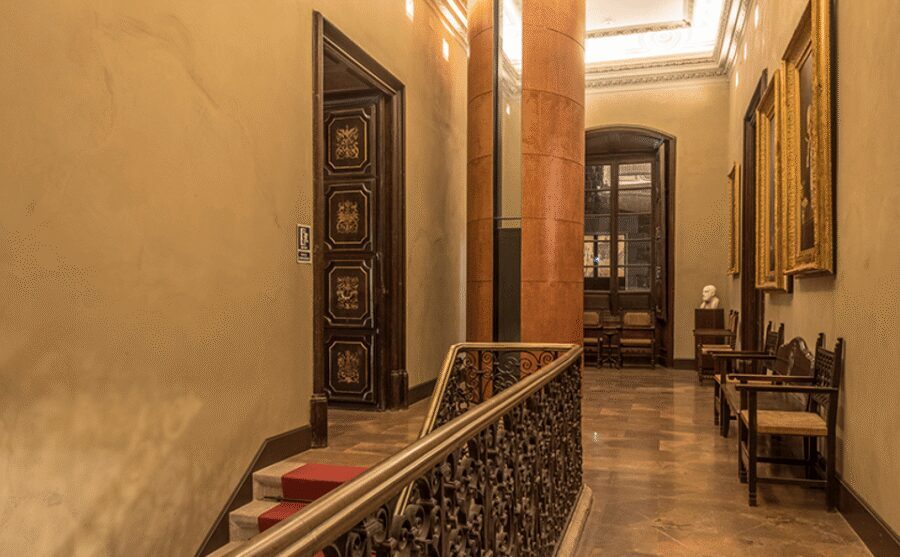
- Walking the Academy halls: where science and architecture overlap
- Spain’s first X-ray experiment: a science milestone inside the same walls
- How the 50 minutes actually play out
- Value check: is $16 worth it?
- Who this tour suits best (and who should think twice)
- Practical tips that make your visit smoother
- Should you book this guided tour?
Key highlights at a glance

- The last anatomical amphitheater remaining in Spain, used for training surgeons in the 18th century
- Ventura Rodríguez’s amphitheater: architecture designed for learning bodies, not just admiring rooms
- Where Spain’s first X-ray experiment took place, explained during the tour
- Medical giants connected to the Academy, including Pere Virgili, Antoni de Gimbernat, and Santiago Ramón y Cajal
- 50 minutes with a live guide, plus an audio guide in several languages
- Carme Street meeting point (47), with the guide opening the main door shortly before the next tour
Catalonia’s Royal Academy of Medicine: why this tour feels different
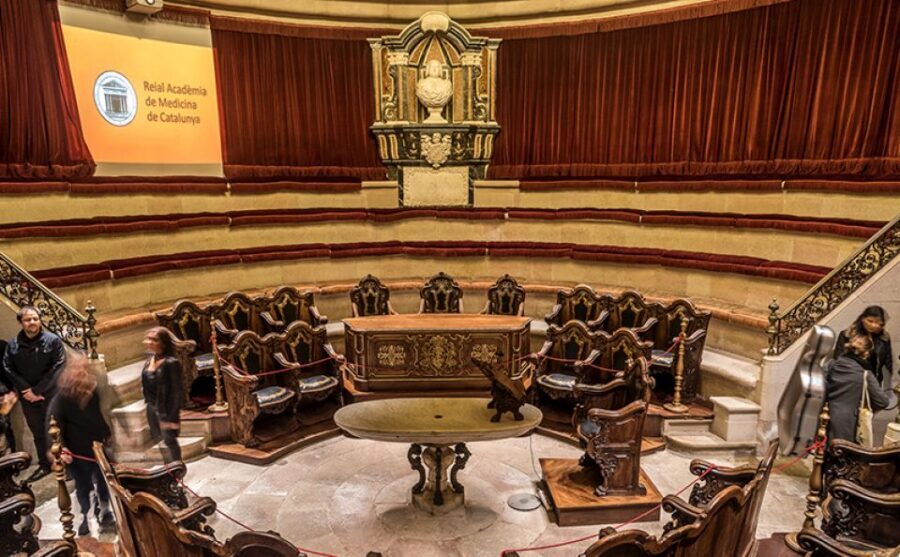
Most medical history in Europe is museums and glass cases. This one is architecture that was built to teach. The Royal Academy of Medicine of Catalonia sits in a major neoclassical building in Barcelona, next to the city’s first and main hospital. That proximity matters: it makes the story less like a distant timeline and more like a working neighborhood of medicine.
You’ll see an anatomical amphitheater created in the 1700s by Ventura Rodríguez. The idea wasn’t entertainment. It was training. The guide frames the place so you can understand how medicine and surgery weren’t separate subjects—they were learned together, in carefully designed space.
You can also read our reviews of more guided tours in Barcelona



Finding the meeting point on Carme Street (and the door routine)

Your starting point is simple, but there’s a small detail to respect. The tour meets at Catalonia’s Royal Academy of Medicine, Carme Street 47 (08001 Barcelona). You’ll need the confirmation email from Sternalia before the tour begins.
Between tours, the main door stays closed. The guide opens it again about 5–10 minutes before the next session. So don’t arrive way early and expect to go in immediately, and also don’t assume the entrance is open just because the building is in a busy area. This is the kind of place where timing really helps you avoid waiting outside.
Tip: wear comfortable clothes. The visit includes steps, and it’s a short tour, so you’ll appreciate shoes you can handle at a steady pace.
Step into Ventura Rodríguez’s anatomical amphitheater
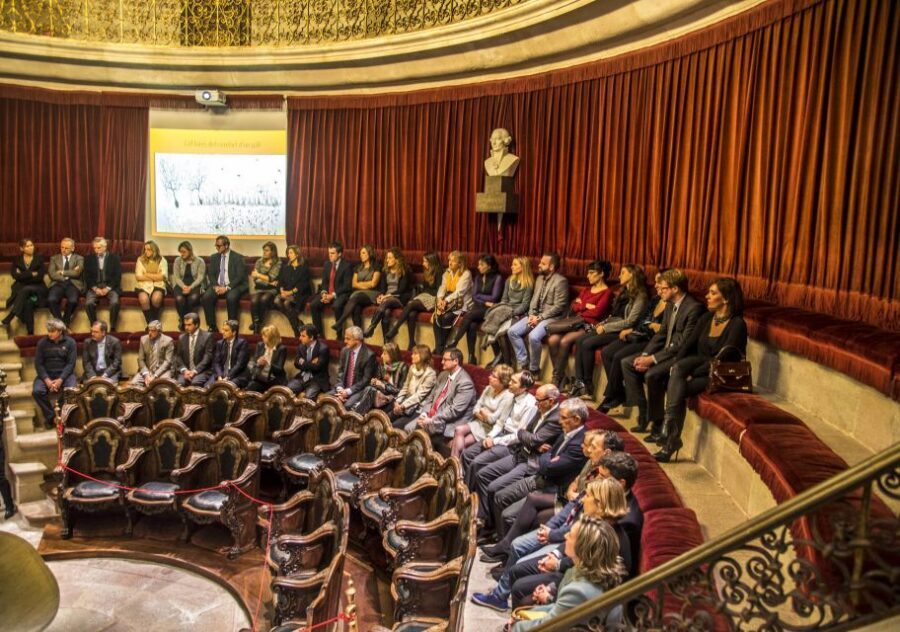
The main reason to choose this tour is the anatomical amphitheater—described as the last one remaining in Spain and one of the oldest around Europe. The guide explains that it was built by Ventura Rodríguez in the 18th century and intended for training surgeons. That’s the core idea you should keep in mind as you look around: the architecture is part of the lesson.
In practice, what makes this amphitheater special is how it forces you to think in terms of viewing and instruction. You’re not just hearing that surgery depended on anatomy—you’re seeing how a space can be designed for it. The guide’s storytelling connects the physical layout to the purpose: learning, repetition, and observation, not theory alone.
Even if you’re not a medical student, you’ll likely get the point fast. The amphitheater makes the past feel concrete. Medicine stops being an abstract topic and becomes something taught with tools, space, and discipline—exactly what a purpose-built training room implies.
Walking the Academy halls: where science and architecture overlap
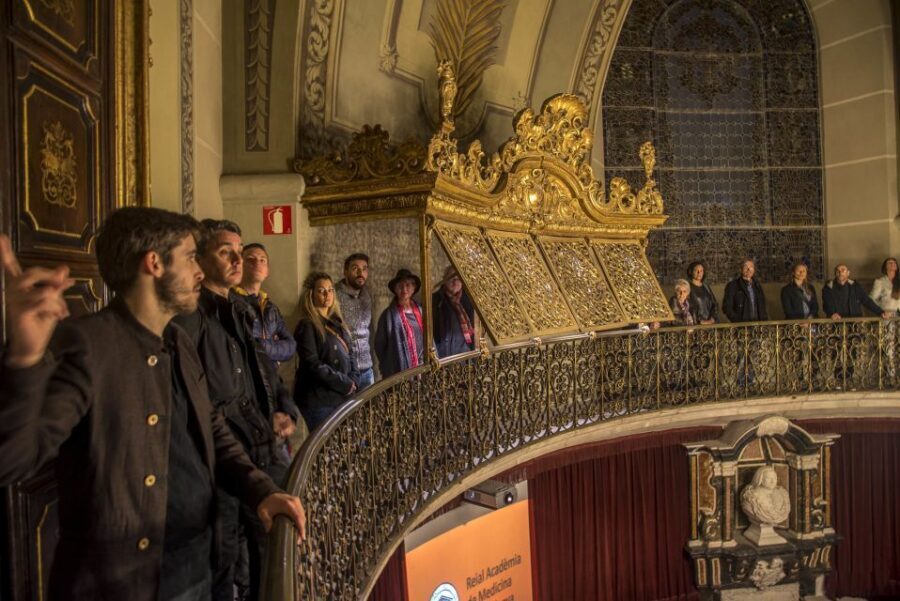
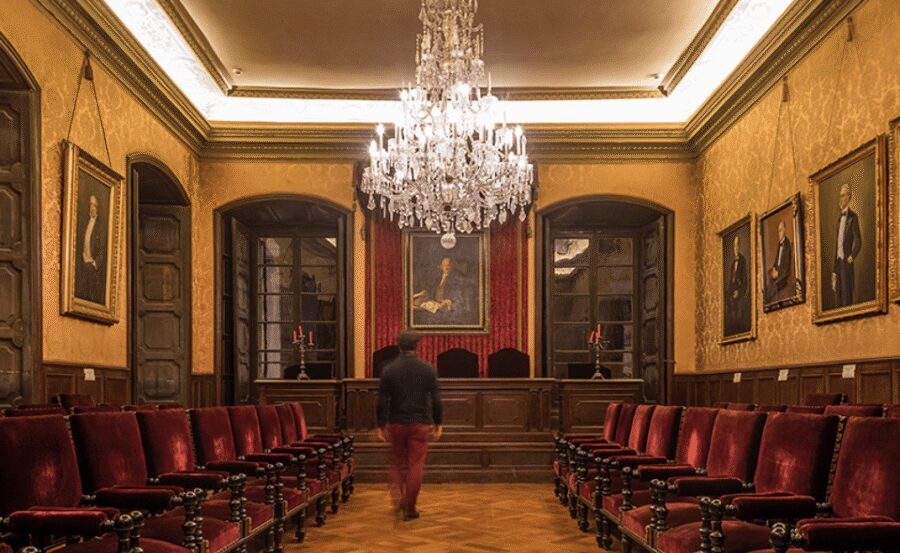
After the amphitheater, you’ll keep moving through the Academy. The tour includes time to walk around the halls, and that’s not filler—it’s how the guide turns the building into a map of medical progress.
This is where the tour earns its 4.9 rating. The most praised aspect is the quality of the guide experience. One name that stands out in the supplied information is Alex, praised as an authentic professional. That kind of guide matters here, because the building’s story is layered: it’s neoclassical on the outside, but inside it’s about how people practiced and taught medicine.
During your walk, you’ll hear about the Academy’s link to famous scientific figures tied to medicine and surgery, including:
- Pere Virgili
- Antoni de Gimbernat
- Santiago Ramón y Cajal
You don’t need to memorize names. The value is in understanding that the Academy functioned as a bridge between research and clinical practice over time. When you hear these names in the rooms where the Academy’s work took shape, it clicks that medicine evolved through institutions, not just individual genius.
Spain’s first X-ray experiment: a science milestone inside the same walls
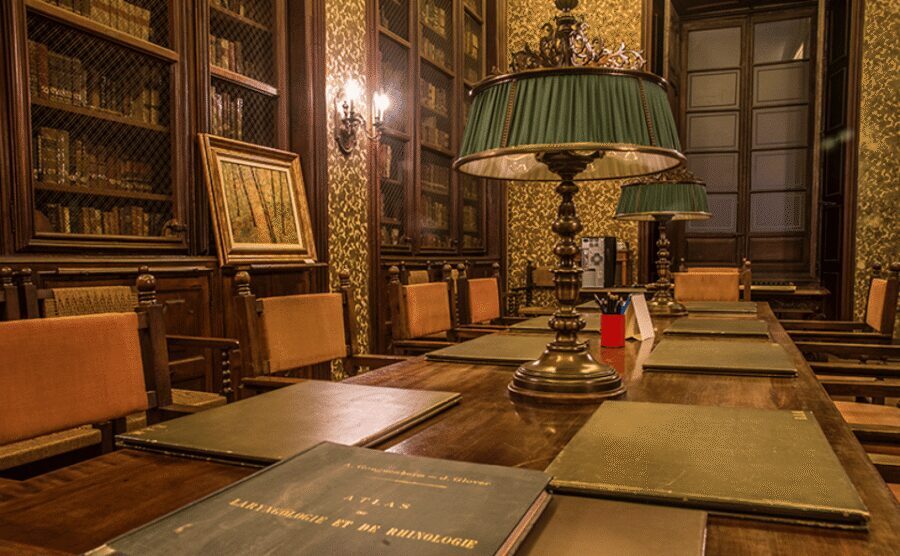
One of the tour highlights is the chance to discover where Spain’s first X-ray experiment took place. That detail alone is a good reason to go—few buildings tell such a clear story of scientific change in the same breath as anatomy training.
What you should expect from the guide here is context. The tour doesn’t treat the X-ray experiment as trivia. It frames it as part of medicine shifting into a new era of observation and evidence. In other words, anatomy training prepared surgeons to look closely at bodies, and the later X-ray breakthrough changed how people could see inside them without direct exposure.
So even if the amphitheater is the obvious star, the X-ray stop gives the tour a second act. It ties “how medicine used to be taught” to “how medicine started seeing differently.” That’s why this experience works for both architecture lovers and science fans.




How the 50 minutes actually play out
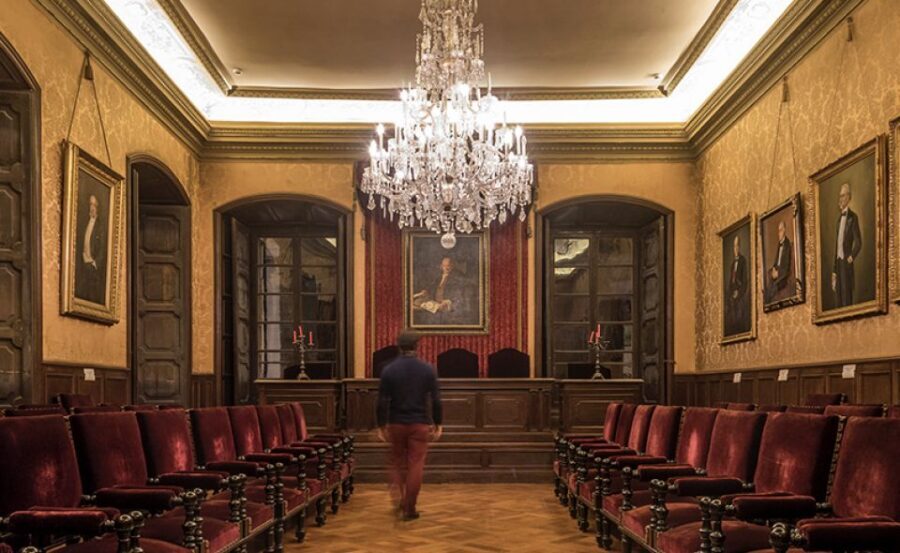
This is a 50-minute guided tour. That short time is part of the appeal, especially in Barcelona, where your day can get crowded fast.
A realistic expectation: you’ll spend your time moving through the Academy with your guide, hitting the amphitheater as the centerpiece, then getting guided explanations that connect the architecture to medical history—plus the X-ray experiment point and the Academy’s major scientific names. The tour is designed to cover enough ground to feel substantial without dragging on.
Also, plan for the “human pace” of a guided building tour. The tour involves walking and stairs. Bring comfortable clothes so you’re not thinking about your outfit halfway through, and you’ll stay focused on the story.
Value check: is $16 worth it?
At $16 per person, this tour sits in the “small price, high impact” category. Here’s why that feels fair based on what’s included:
- Entrance fees are included
- You get a live guided tour
- You get an audio guide in multiple languages
You’re paying for access plus interpretation. For a place like this—where the architecture and the science are tangled together—having a guide helps you understand what you’re seeing instead of just reading a few plaques.
The duration is also a value factor. Fifty minutes means you can fit it into a busy itinerary without sacrificing your whole afternoon. If you’re curious about medical history, surgery training, and major science turning points, the $16 price can feel like a bargain rather than a “maybe someday” ticket.
Who this tour suits best (and who should think twice)
This guided experience is a strong fit if you like:
- Medical history with real-world context
- Architecture that was built for a job, not just aesthetics
- Short tours that still feel complete
- Science milestones like the X-ray experiment site in Spain
The supplied information also points to the tour being meaningful for medical-institute students and people with varied interests. That makes sense. It connects a training environment (anatomy amphitheater) to a technology shift (X-ray experiment), all inside one coherent building.
Who should pause before booking:
- If you rely on step-free access, the presence of steps is an important factor to consider, even though the tour is marked wheelchair accessible.
- The tour is listed as not suitable for people with pre-existing medical conditions, so respect that warning.
Practical tips that make your visit smoother
A few small choices can make the experience feel effortless:
- Wear comfortable clothes. The visit includes steps.
- Bring your confirmation email from Sternalia. The tour requires it before it begins.
- Arrive with a little patience. The main door stays closed between tours, and the guide opens it 5–10 minutes before the next group.
Language-wise, you’re covered. The live guide can be Spanish, Catalan, or English. Plus, the audio guide is included with 7 languages available (with Chinese, English, French, German, and Russian specifically listed). If you want to linger over details at your own pace, audio support can help.
Should you book this guided tour?
If you want a short, high-context experience in Barcelona, I’d book it. The reason is simple: the Royal Academy of Medicine doesn’t just show medical history—it explains how it was taught and how it changed. The anatomical amphitheater is the centerpiece, and the X-ray experiment detail adds a second layer that broadens the story beyond the 1700s.
Book it especially if you like places where architecture and science meet. If you’re concerned about stairs or have a pre-existing medical condition, you should think twice and check your comfort level first.
Overall, for $16 and 50 minutes, you get a guided walkthrough that turns a major neoclassical building into a living lesson in surgery training and scientific discovery.