REVIEW · BARCELONA
High-End Vineyard Escape: Cava, Tapas & Wine | Private Tour
Book on Viator →Operated by Castlexperience Wine Tours · Bookable on Viator
Cava country beats a typical city tour. This private 6-hour Barcelona-to-Penedès escape pairs family winery visits with cava, tapas, and real talk about how Spain’s sparkling wine is made. If you’re with guides like Pol or Toni, the day feels friendly, funny, and easy to follow.
I especially like two things. First, the pickup and drop-off means you can sip without doing the math on transport or driving. Second, the whole meal-and-tasting rhythm is built around Catalan food and wine pairing, not just a quick pour and a goodbye.
One thing to consider: the experience is focused on two winery stops, so it’s a curated tasting day, not a nonstop wine fest. Also, winery temperatures can swing more than in Barcelona, so plan your layers.
In This Review
- Key highlights I’d plan around
- Cava, tapas, and Penedès: why this day trip feels different
- Price and logistics: what you get for $598.87 per person
- Barcelona pickup to winery country: making the 6 hours count
- Ca n’Estella masia stop: Anna Vidal, cava prestige, and veranda food
- Finca Ca n’Estella tasting: what to watch for in the cellar story
- Oller del Mas: family ownership, still wine identity, and local values
- What you’ll eat: cured meats, empedrat, pa amb tomàquet, and dessert
- How many wines you taste (and how to enjoy them without rushing)
- Your guide can make the day: Pol, Toni, Javier, Jon, Clara, and more
- Practical tips for winery weather and comfortable shoes
- Value check: is $598.87 per person worth it?
- Should you book this private Cava, Tapas & Wine tour?
- FAQ
- How long is the private tour from Barcelona?
- Is pickup from my hotel included?
- How many wineries do you visit?
- How many wines and cavas are sampled?
- Is the tour guided in English?
- What food is included during the tour?
- Can the tour handle dietary restrictions?
Key highlights I’d plan around
- Two family-owned wineries with guided visits and admission included at the main stops
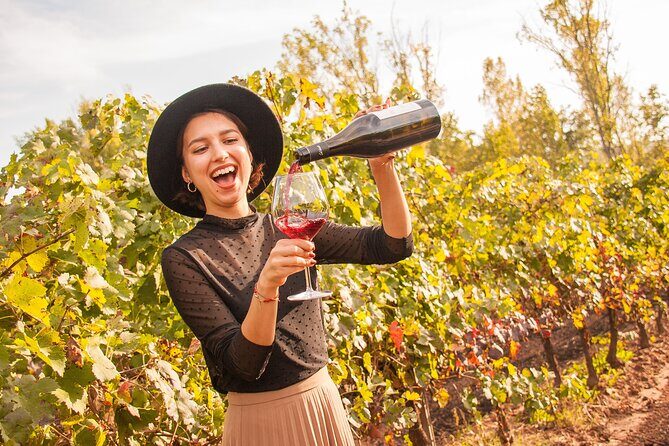
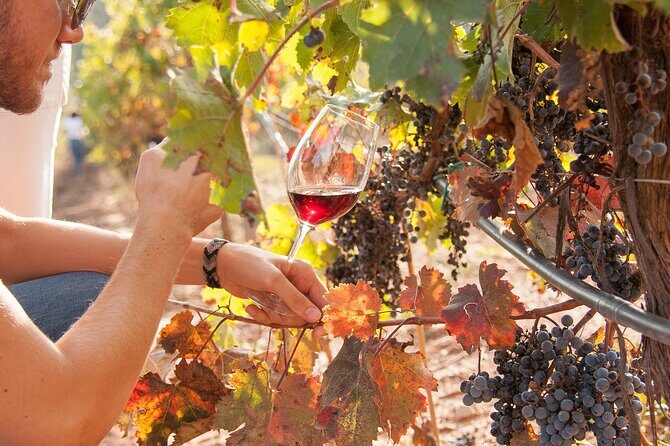
- Up to 8 tastings of cavas and wines, so you get variety without feeling rushed
- Tapas lunch in a family setting, with options like vegan and gluten-free included
- Small, countryside feel through a historic 18th-century Catalan masia estate
- English-speaking guide who can connect wine making to Catalonia’s culture
- Private tour layout, so pacing and questions are easier to manage
Cava, tapas, and Penedès: why this day trip feels different
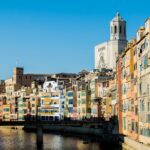
Barcelona is all energy, architecture, and cafe life. This tour is different on purpose: you trade the city buzz for the Penedès wine world right outside town. The big idea is simple. You’re not just tasting. You’re learning the why behind the wine, walking through production stories, and eating as you go.
The “high-end escape” part isn’t fancy in a showy way. It’s high-end in the practical sense: private time, comfortable transport, and food that actually belongs with the wine. You also get a calm, unhurried format compared with the usual crowd-driven tours. If you like small family wineries and you want the day to feel personal, this is a strong fit.
You can also read our reviews of more private tours in Barcelona


Price and logistics: what you get for $598.87 per person
At $598.87 per person for about 6 hours, this is not a budget wine afternoon. Your value comes from the package design: a private tour, dedicated English-speaking guide, air-conditioned vehicle, and tastings paired with a real meal.
Here’s the smart way to think about the price. You’re paying for:
- Round-trip time that includes hotel pickup and drop-off in Barcelona city center
- Guided visits (not just “go taste stuff and leave”)
- Multiple tastings—up to 8 wines/cavas
- A structured lunch with tapas-style components and dessert options
If you’re traveling solo or as a couple, private pricing can still feel heavy. But if you’re the type who wants better pacing, deeper questions, and fewer “stand in line” moments, this kind of format can feel more efficient than trying to piece together winery visits on your own.
Quick logistics to know: pickup is included from hotels/private accommodations in the city center, but pickups from the cruise port or the airport are specifically excluded. The tour is operated as a private activity, meaning only your group participates.
Barcelona pickup to winery country: making the 6 hours count
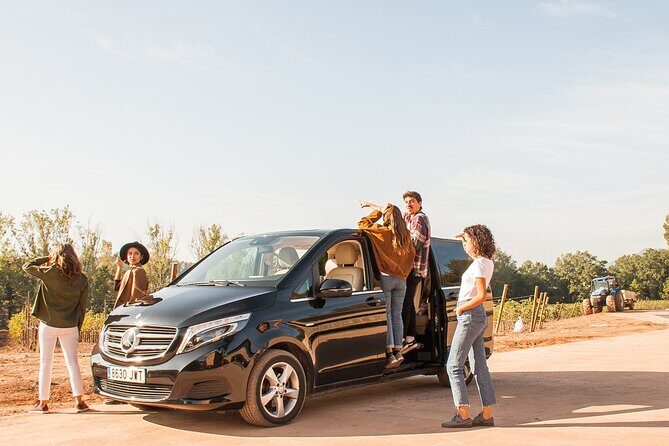
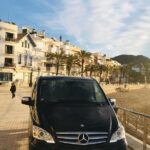
The day starts with convenient hotel pickup. That matters more than it sounds. In wine regions, delays and transport juggling can eat your tasting time fast. Here, you start the day already in motion, and you end back where you started.
Once you’re out of Barcelona, the route is about more than getting there. It sets the tone for why Penedès wines are a different experience: less city noise, more working farms and cellar estates. Some guides build in commentary on Catalonia and regional identity as you drive, and the views can include mountain scenery near the Montserrat area depending on the day and route.
Also, be ready for walking. You’ll want comfortable shoes. Winery grounds can be uneven, and you’ll likely move between tasting spaces, veranda or terrace areas, and production rooms.
Finally, the tour order can be modified if needed. Think of it as two-winery chemistry and lunch, rather than a rigid script.
Ca n’Estella masia stop: Anna Vidal, cava prestige, and veranda food
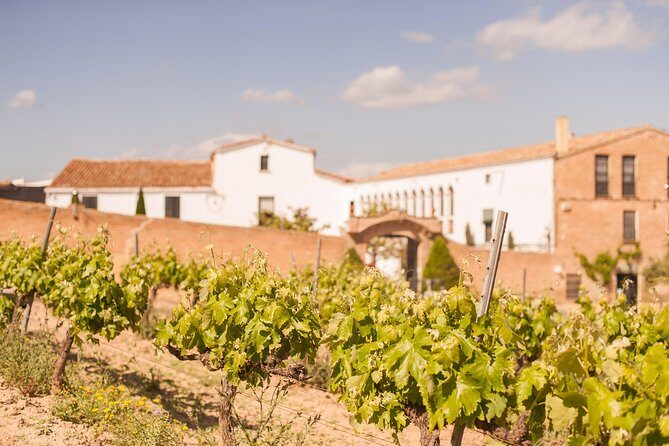
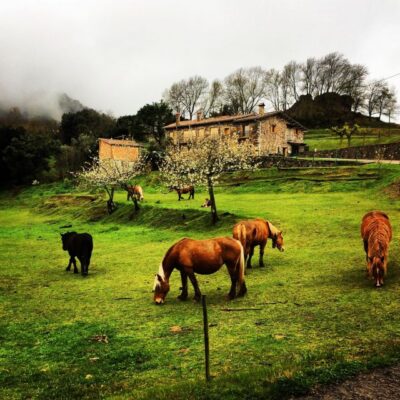
Your day anchors on Ca n’Estella, a small winery estate known for its sparkling wines and strong family continuity. It’s set inside an 18th-century Catalan masia, the traditional country-house style you see across rural Catalonia. The effect is immediate: it feels like you’ve stepped into a working piece of heritage, not a theme park.
One highlight here is the connection to the current winemaker generation. The winery is managed by Anna Vidal, described as the 3rd generation in her family to own and run the estate. That matters because in small operations, the people you meet are not “staff on a schedule.” They’re part of the wine story.
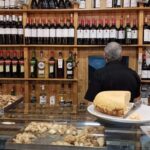
The experience includes cava tasting alongside traditional Catalan food served on a veranda setting connected to the family. Expect tapas-style plates—both hot and cold—paired with cava. It’s a relaxed way to taste while you’re still learning what you’re tasting.
A practical note: you’ll see a brief stop timing early on at Ca n’Estella (with free admission noted for that segment), then you’ll have the more extended visit later at the finca. So don’t assume it’s only a quick “hello and sip.” The day is structured to give you both context and time.
Finca Ca n’Estella tasting: what to watch for in the cellar story
The second Ca n’Estella segment (Finca Ca n’Estella) is the longer block—about 2 hours. This is where the tour shifts from introduction to something closer to a full winery visit.
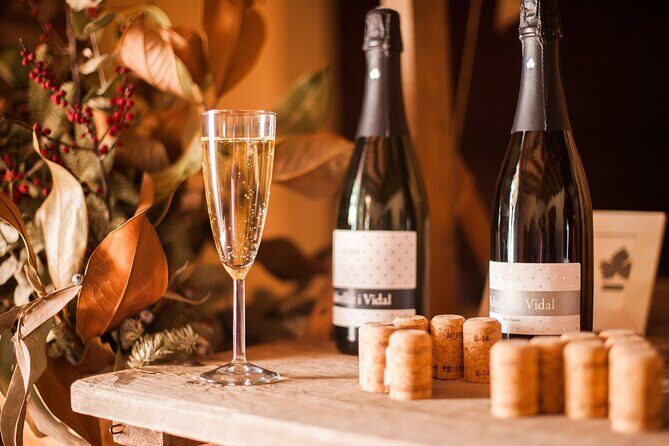
What I like about this part is that the winery’s identity isn’t generic. It’s framed around their winemaking focus and what they’ve managed to earn through competitions. Their cava wines include Rabetllat i Vidal cavas, and they also make Clot dels Oms wines. The tour information highlights that the wines produced at this cellar have received more than a hundred awards, including recognition for their 2011 Gran Clot dels Oms Chardonnay as Best Chardonnay of the World (Chardonnay du Monde).
Even if you’re not a competition-score person, that’s still useful context. It tells you the style has consistency and a track record, which often means you’ll get clearer answers when you ask questions about grapes, aging, and why the finished wine tastes the way it does.
Also, the tasting is not limited to just one style. You should expect variety across the samples, paired with Catalan foods that keep you grounded in the local culture. For me, this is the main winemaking lesson: cava isn’t a gimmick. It’s a craft rooted in a specific place and tradition.
You can also read our reviews of more wine tours in Barcelona



Oller del Mas: family ownership, still wine identity, and local values
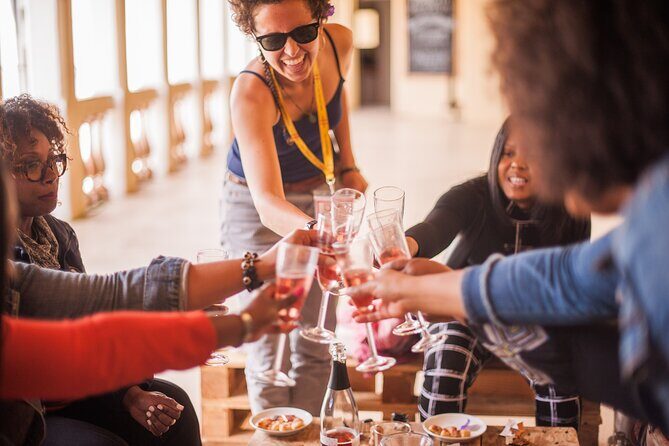
The second winery stop is Oller del Mas, and it’s presented with a strong emphasis on family ownership and local identity. That phrase shows up for a reason: in small-scale wineries, you often taste a philosophy, not just a product.
This stop is about still wines and regional character, while keeping the same guided structure: you’re there to understand what makes the wines distinct, not just to fill your glass. Admission is listed as included for this segment, so you’re not getting nickel-and-dimed for access.
One thing I appreciate about the way Oller del Mas is positioned is that it’s not just “come see barrels.” It’s “come see how they connect territory, values, and the way they farm and make wine.” That kind of talk can be a great fit if you want Catalonia beyond Gaudí photos and beach days.
In practical terms, this is where your palate catches up. After cava and tapas at Ca n’Estella, you’re better at tasting differences because you’ve warmed up your senses. And because you’re with a guide, you’re not left trying to guess what you’re tasting on your own.
What you’ll eat: cured meats, empedrat, pa amb tomàquet, and dessert
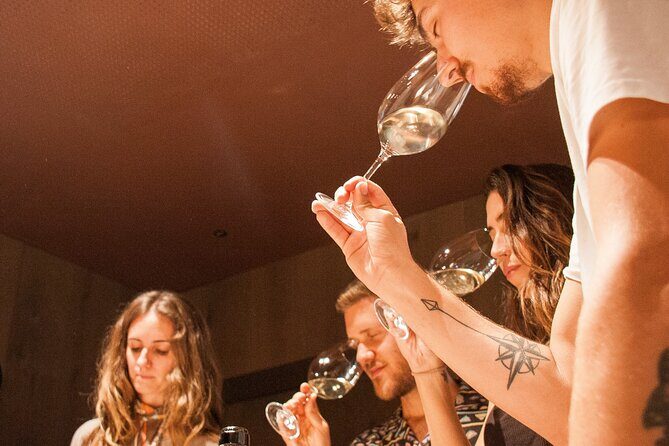
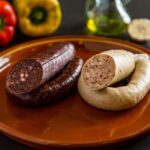
Food is a major part of the value here, not a side character. You’ll get a platter of Catalan cured meats and cheeses, with vegan, vegetarian, and gluten-free options available. That’s a big deal if you’ve ever had “tapas” turn out to be bread with air and a sad wedge of cheese.
Your sample menu includes:
- Catalan Iberic cured meats and local organic cheeses, plus empedrat, a traditional vegan bean salad from Catalonia
- Extra virgin olive oil and pa amb tomàquet (toasted country bread rubbed with fresh tomato)
- Dessert options like Massini cake or catanies (Catalan chocolate-covered almonds), depending on the day
The way these dishes work with wine is simple: they give you salt, acid, and texture so your tastings don’t blend together. Cava pairs naturally with salty cured meats and tomato-bread flavors, and the dessert helps reset your palate for any last pours later.
One balance note: the tapas are winemaker-style food, not a full restaurant service. That can be a win if you want casual, local plates served in a family setting. If you’re expecting chef-driven cooking at every stage, you might find the first tapas portion less “restaurant dramatic” and more “warm and local.”
How many wines you taste (and how to enjoy them without rushing)
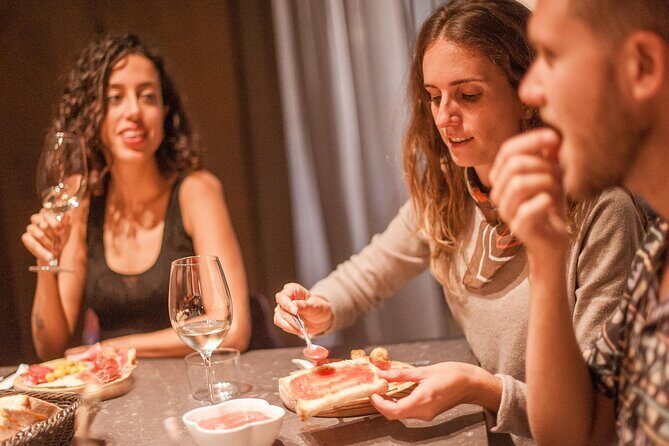
You can sample up to 8 high-quality wines and cavas across the two winery visits. The exact lineup can shift, since the tour notes that you might visit another cellar instead of Ca n’Estella or Oller del Mas due to logistics.
So how should you approach it? Like a tasting day, not a drinking contest.
A good strategy:
- Pick 1–2 styles to pay extra attention to. For example, note how the cava behaves versus the still wines.
- Ask your guide what to look for: bubbles, acidity, aging, or grape character.
- Pace your food bites between tastings so your mouth stays calibrated.
You’ll also find that the private format reduces the usual pressure of group timing. You won’t be fighting the clock to hear explanations. That matters because the best tasting experiences happen when you understand what you just tasted, not only when you liked it.
Your guide can make the day: Pol, Toni, Javier, Jon, Clara, and more
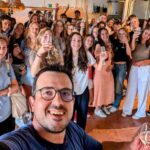
A repeated theme in real-world experience is that the guide shapes the mood. This tour runs with professional English-speaking guides, and the names you might recognize from past days include Pol, Toni, Javier, Jon, Victor, Clara, Aurora, Albert, Marcel, and Ana.
What those guides seem to have in common is that they don’t treat wine like a lecture. They connect it to place and culture, and they often bring an easy sense of humor. One of the best moments in a winery tour is when the guide answers a practical question you didn’t know you had, like how cava production steps affect texture and flavor.
If you want to get the most out of the day, come with a couple of questions ready:
- What makes their cava style different from other cavas?
- How do they think about local identity when choosing grapes and methods?
- Which sample should I compare to find the biggest difference?
A good guide will turn your curiosity into a better tasting sequence.
Practical tips for winery weather and comfortable shoes
Winery temperatures can be more extreme than in Barcelona. That’s a real thing. In the middle of a “warm city day,” a cellar visit can still feel cold or breezy, especially near terraces and production spaces. Check the forecast the day before and dress in layers.
Also:
- Wear comfortable shoes since there’s some walking involved.
- Bring a light layer even in mild weather.
- If you have reduced mobility, contact before booking so you can align the plan with what works for you.
- Service animals are allowed.
And one small travel trick: eat a proper breakfast or lunch plan before you go. Winery days can run on a specific schedule, and having a solid start helps you enjoy tastings instead of feeling impatient or too full.
Value check: is $598.87 per person worth it?
For a wine lover, the question isn’t just cost. It’s cost relative to what you actually get.
Here’s where the value is strongest:
- Private experience with pickup and drop-off in central Barcelona
- Guided visits to two family wineries
- Up to 8 tastings, including both cava and still wines
- A meal with real Catalan elements and diet options
Where the value may feel tight:
- If you want more than two wineries or a longer tasting list, this format is intentionally focused.
- The lunch is tapas-style, served in a family setting, not a multi-course fine-dining sequence.
My honest take: this tour is worth it if you want a high-quality snapshot of Penedès wine culture in one smooth day. It’s also ideal if you’d rather pay for a well-run private experience than risk cobbling together multiple winery appointments while juggling transport.
Should you book this private Cava, Tapas & Wine tour?
If you’re in Barcelona and you want one day that feels like you left the tourist map, I’d book it—especially if you like small wineries, family stories, and guided tastings with food that matches the wines.
Book this tour if:
- You want private pacing and a guide who can answer questions
- You’re excited about cava plus still wines from the same region
- You want a proper lunch with Catalan flavors and diet options
Skip it or adjust expectations if:
- You’re expecting a long, multi-winery marathon
- You want heavy restaurant-style cooking at every food moment instead of tapas served in a working winery home setting
In short: this is a well-packaged Penedès day. It’s not endless. It’s focused—and that focus is what makes it feel special.
FAQ
How long is the private tour from Barcelona?
The tour lasts about 6 hours.
Is pickup from my hotel included?
Yes, pickup is included from hotels/private accommodations in Barcelona city center. Pickup from the cruise port or the airport is not included.
How many wineries do you visit?
You visit two family-owned wineries, with guided visits included.
How many wines and cavas are sampled?
You can sample up to 8 high-quality wines and cavas during the tour.
Is the tour guided in English?
Yes, the tour includes a dedicated professional English-speaking guide.
What food is included during the tour?
The tour includes Catalan cured meats and cheeses with options like vegan, vegetarian, and gluten-free. It also includes tapas-style items such as pa amb tomàquet and empedrat, plus dessert options depending on the day.
Can the tour handle dietary restrictions?
Yes. The platter includes vegan, vegetarian, and gluten-free options.