REVIEW · BARCELONA
KBr Fundación MAPFRE – Photography Exhibitions
Book on GetYourGuide →Operated by Fundación Mapfre | Touristcheck · Bookable on GetYourGuide
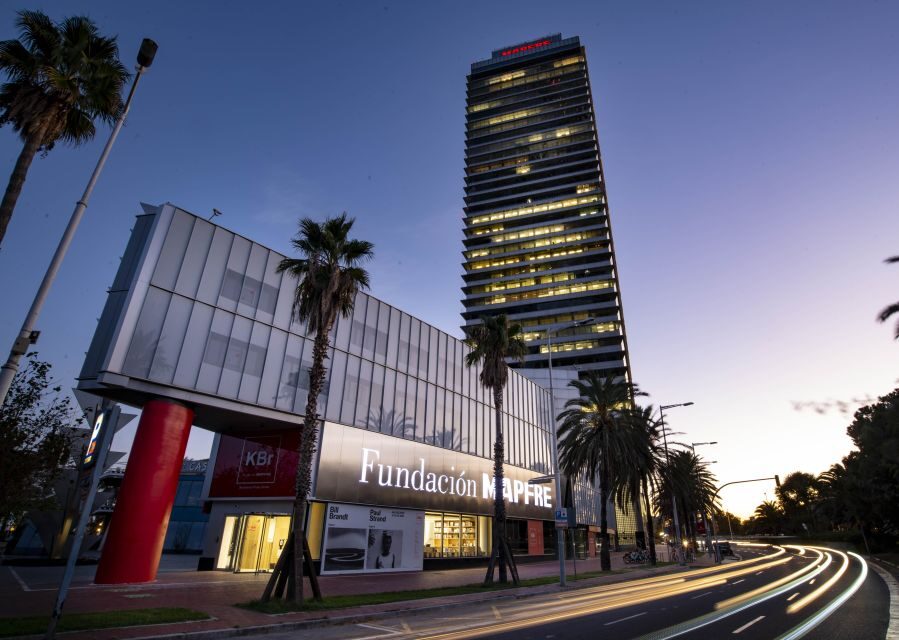
Photography in Barcelona, minus the crowds. KBr Fundación MAPFRE’s photography center in Port Olímpic is made for slow looking, and the timed entry helps you get your bearings fast. I like that the standard ticket includes a free audio guide via QR code in English, Catalan, and Spanish.
I also love the smart way the programming stacks ideas across decades. Right now you can see Walker Evans: Now and Then by curator David Campany, alongside a selection from the Fundación MAPFRE Collections focused on Carlos Pérez Siquier.
One thing to consider: this place runs on small tech and etiquette details. The audio guide needs a mobile device with internet (or you’ll use the free Wi‑Fi), and headphones are required so you don’t disturb other visitors.
In This Review
- Key points to know before you go
- KBr Fundación MAPFRE Barcelona Photo Center in Port Olímpic: a practical 1-day stop
- What you’ll see: two exhibition spaces and rotating photography
- Walker Evans: Now and Then and why documentary still feels sharp
- Pérez Siquier in the MAPFRE Collections: from black-and-white to color
- The audio guide system: how to make it work on the day
- Viewing tips for photography exhibits (so you don’t rush the point)
- Price and value: why this $5 ticket can be a great deal
- Opening hours, timed entry feel, and a quick heads-up
- Who this is best for
- FAQ
- Where is KBr Fundación MAPFRE located?
- How much does the photography exhibition cost?
- How long is the experience?
- What exhibitions can you see until May 24, 2026?
- Is the audio guide included, and what languages are available?
- Do you need headphones?
- What are the opening hours?
- Is the center wheelchair accessible?
- Should you book KBr Fundación MAPFRE photo exhibitions?
Key points to know before you go
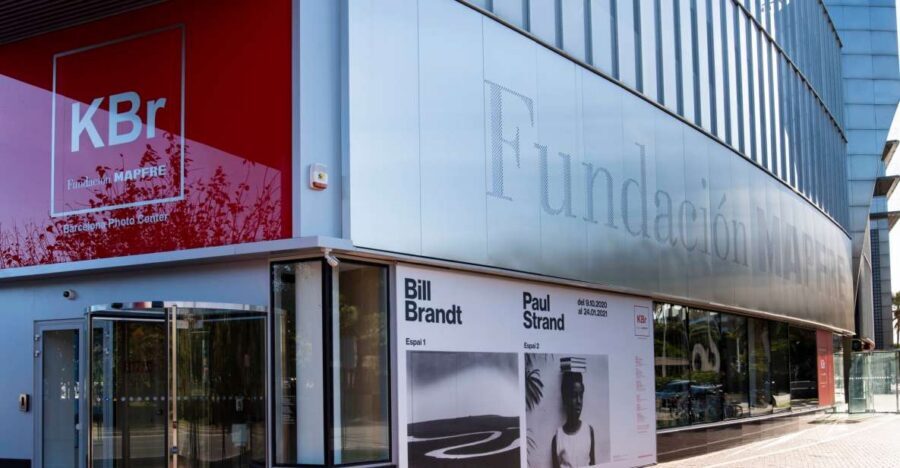
- Port Olímpic setting: You visit the KBr Fundación MAPFRE Barcelona Photo Center in the Port Olímpic area.
- Two exhibition spaces: The site has a main route plus a second exhibition space for a different kind of viewing.
- Walker Evans until May 24, 2026: Walker Evans: Now and Then spans early work into later experiments, including Polaroids.
- Pérez Siquier collection show: See the shift from black-and-white to color through series like La Chanca, Informalisms, and The Beach.
- Audio guide included: The ticket includes a QR-based guide in English, Catalan, and Spanish.
- Headphones matter: You’ll want your own pair; you can also buy jack headphones for €1 at the ticket counter.
KBr Fundación MAPFRE Barcelona Photo Center in Port Olímpic: a practical 1-day stop
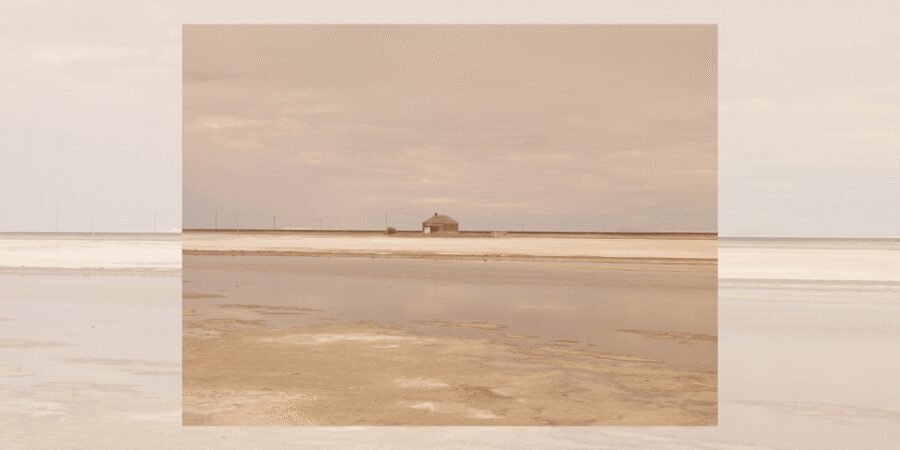
This is one of those Barcelona experiences that works even if you don’t want to spend the whole day planning. The visit is 1 day, the ticket is simple, and you walk from one exhibition to the next at your own pace.
The location is the KBr Fundación MAPFRE Photography Center in the Port Olímpic area. If your schedule is tight, that matters: you can build this around other plans without needing a big time block.
Best of all, the ticket includes an audio guide. You don’t have to decide if you’ll “figure it out later,” because the guide is part of the standard experience and it’s available in English, Catalan, and Spanish.
You can also read our reviews of more museum experiences in Barcelona

What you’ll see: two exhibition spaces and rotating photography

The center is designed around photography viewing, not just a quick look-and-go. You’ll explore the photography-focused space, and the exhibitions are spread across two exhibition spaces, which helps keep the experience from feeling like one long hallway.
Until May 24, 2026, the temporary exhibition space features contemporary photography. Alongside that, there’s also the third edition of an annual appointment connected to emerging creation by newer generations of photographers, with the theme centered on Walker Evans. In other words: you get the “classic” conversation, plus a present-day response.
On top of that, there’s the exhibition Pérez Siquier. Fundación MAPFRE Collections. It’s built from works incorporated into the Foundation’s photography collection since 2022, so you’re seeing a curated snapshot of a key Spanish photographer.
If you like structure, you’ll probably enjoy this. It gives you a clear set of ideas to follow: one show rooted in documentary history, one rooted in Spanish modern photography, and a temporary space that brings contemporary voices into the mix.
Walker Evans: Now and Then and why documentary still feels sharp
Walker Evans: Now and Then offers a career-wide overview of a figure who helped define modern photography. The exhibition is curated by David Campany, and the framing is built around Evans as a “direct and austere” observer with an ongoing curiosity about popular culture.
What I like here is the range. The story goes from his early photographs in the 1920s, through iconic projects, and into later experiments with Polaroid in the 1970s. That timeline matters because it shows Evans wasn’t just repeating one formula—he kept changing the way he looked.
Evans is described as capturing everyday life, urban landscapes, and anonymous faces during a country in transformation. If you’ve ever felt that street photography is either too trendy or too sentimental, this kind of documentary perspective can reset your expectations. It’s simple on the surface, but the exhibition description leans hard into the idea that it’s also expressive and deeply observant.
You’ll probably notice that the exhibit doesn’t treat the “everyday” as a throwaway subject. Instead, it reads as evidence—something you can use to understand how people live, where cities are going, and how culture shifts without always asking permission.
Pérez Siquier in the MAPFRE Collections: from black-and-white to color
Carlos Pérez Siquier is a central name in Spanish photography, and the exhibition focuses on why he mattered to the modernization of the medium. The show is presented as part of the Fundación MAPFRE Collections and brings together works added to that collection since 2022.
The exhibition highlights his role as a renovator of 20th-century visual language. It also points to his influence as a pioneer of color photography, plus his broader cultural work as a co-founder of the Agrupación Fotográfica Almeriense and the magazine AFAL.
In practical terms, the way this show is described gives you a clear viewing path. It traces his transition from black-and-white to color through emblematic series such as La Chanca, Informalisms, and The Beach. If you’re the type who likes to see how an artist’s choices evolve, this is a satisfying structure because the change in medium connects to the change in vision.
There’s also an emphasis on sensitivity and irony—his work is presented as modern and poetic, but also attentive to Spain’s social and cultural transformations. That combination can land differently from simple “pretty pictures.” It asks you to analyze what you’re seeing, not just admire it.
If you want an exhibition that feels grounded in real places and real shifts in society, this one is built for that. And because it’s part of a collections-focused presentation, you’re not just chasing a single theme—you’re watching an artist’s ideas take shape over time.
The audio guide system: how to make it work on the day
This visit is very friendly if you use the audio guide. The standard ticket includes it, and it’s available via a QR code available in the room. The one catch is technical: you need a mobile device with active mobile internet connection to access it.
If your phone doesn’t have data, the center offers a workaround: you can connect to the free Wi‑Fi network available in the space. That means you can still use the guide without paying for roaming—but you’ll want to plan for one small pause to get online before you start.
You’ll also need headphones. Headphones are required so you don’t disturb other visitors, and you’re recommended to bring your own. If you don’t, you can purchase jack headphones for €1 at the ticket counter, but availability can affect timing.
Here’s my practical tip: bring headphones you already trust, and test your device once you’re inside. This turns the guide from “maybe later” into a smooth part of your viewing.
You can also read our reviews of more photography tours in Barcelona






Viewing tips for photography exhibits (so you don’t rush the point)
Photography exhibitions reward a slower pace, and this one is set up for that. Since you’ll be moving between two exhibition spaces, you can use a simple rhythm: read the labels, then listen to the relevant guide track, then look again without the text in front of you.
The show descriptions for Evans and Pérez Siquier suggest two different kinds of attention. Evans is framed as documentary, urban, and socially observant, so give yourself time to notice repeated visual themes across his timeline. Pérez Siquier is framed around a shift in language—especially black-and-white to color—so you’ll likely get more out of the exhibit if you watch that transition happen instead of jumping between works.
If you like archive work, you may catch programming that includes strong historical material. One recent visitor praised the calm way to see Tina Modotti photos and called out the heavy archival effort—so the overall feel can be quiet and research-heavy depending on what’s on during your dates.
Price and value: why this $5 ticket can be a great deal
The price is $5 per person. That’s low for an art-focused day outing—especially one where the ticket includes an audio guide and multiple exhibition spaces.
What makes it good value isn’t just the cost. It’s what you’re paying for: access to major photography names and a way to understand them. With Walker Evans and the Pérez Siquier collections show both in place, you get a double dose of “why photography matters,” not just one themed room.
Also, the center offers temporary programming until May 24, 2026, so you’re not locked into only one show. Even if you’re not a specialist, you can still enjoy the experience as a conversation between eras: 20th-century documentary thinking, Spanish modern photography, and contemporary responses.
For people who are museum-curious but short on time, this is a strong option. For photography nerds, it’s also a decent value because you get more than one viewing lane in a single stop.
Opening hours, timed entry feel, and a quick heads-up
The center’s opening hours vary by season:
- October 1 to March 31: Tuesday to Sunday (and holidays), 11:00 am to 7:00 pm
- April 1: Tuesday to Sunday (and holidays), 11:00 am to 8:00 pm
Tickets are valid for 1 day, and starting times depend on availability. In practice, that means you should treat it like a timed museum stop, not like a casual walk-up.
Here’s the consideration I’d take seriously: if the exhibition is closed when you arrive, refunds can be complicated. So double-check your time slot and go with enough buffer that you’re not arriving at the edge of a changeover window.
Finally, keep in mind what’s not allowed: swimwear and food aren’t permitted. It’s small, but it avoids a last-minute hassle.
Who this is best for
You’ll likely love this experience if you:
- want a low-cost art stop with real photography names
- enjoy learning while you look, thanks to the free QR audio guide
- like documentary and modern photography as two separate lenses
- want a calm setting where headphones are part of the rules, not a suggestion
It’s also a good fit for couples and solo visitors who can handle a quieter, slower pace. If you’re traveling with someone who gets impatient with museums, you can frame it as a short “photography circuit” rather than a full-day cultural obligation.
If you’re relying on your phone for the guide, make sure you’ll have data or can connect to the free Wi‑Fi.
FAQ
Where is KBr Fundación MAPFRE located?
It’s at the KBr Fundación MAPFRE Barcelona Photo Center in the Port Olímpic area of Barcelona, Catalonia.
How much does the photography exhibition cost?
The entrance ticket is priced at $5 per person.
How long is the experience?
It’s valid as a 1-day activity.
What exhibitions can you see until May 24, 2026?
Until May 24, 2026, there is a temporary exhibition space featuring contemporary photography and the third edition of the annual appointment with emerging creation tied to Walker Evans. You can also visit Walker Evans: Now and Then and Pérez Siquier. Fundación MAPFRE Collections.
Is the audio guide included, and what languages are available?
Yes. The standard ticket includes a free audio guide. It’s available in English, Catalan, and Spanish via a QR code in the room.
Do you need headphones?
Yes. Headphones are required to avoid disturbing other visitors. You’re recommended to bring your own, but you can purchase jack headphones for €1 at the ticket counter.
What are the opening hours?
October 1 to March 31: Tuesday to Sunday (and holidays), 11:00 am to 7:00 pm. April 1: Tuesday to Sunday (and holidays), 11:00 am to 8:00 pm.
Is the center wheelchair accessible?
Yes, it is wheelchair accessible.
Should you book KBr Fundación MAPFRE photo exhibitions?
If you want a well-priced, learning-forward photography stop in Barcelona, I’d book it. The $5 ticket includes a free audio guide, and the combination of Walker Evans: Now and Then plus the Pérez Siquier collections show gives you a strong two-part photo story without needing a long day.
Just plan for the small “visitor tech” details—QR audio needs a mobile connection (or the free Wi‑Fi), and headphones are required. If you can handle that, you’ll get a calm, thoughtful photo experience that rewards attention.