REVIEW · GIRONA
Girona: Museum of Cinema Entry Ticket
Book on GetYourGuide →Operated by Comercial | TRCK · Bookable on GetYourGuide
Girona’s cinema story starts before movies existed. This ticket takes you into a small-but-dense museum that tracks the jump from pre-cinema image tricks to the cinematograph era, inside Girona’s former House of Waters. You get a permanent collection plus a temporary exhibition for a full day, so you can go at your own pace.
Two things I really like: the museum leans into the how (the technical side) instead of just the what, and the permanent displays are built for interaction so it doesn’t feel like a stuffy slideshow. The main thing to consider is that the included web-based audio guide may be a little fussy to use on-site if your phone setup isn’t cooperating.
In This Review
- Quick hits before you go
- What You’ll See: 500 Years of Film History in One Ticket
- The Heart of the Museum: Tomàs Mallol and the Pre-Cinema Collection
- The Building Matters: The House of Waters Experience
- Permanent vs. Temporary: How to Use Your Time Wisely
- Audio Guide and Brochure: Make the Museum Click
- Library with 4,000 Titles: For the Readers Among Us
- Interactive Displays for Families (That Adults Still Enjoy)
- Price and Value: Is an $8 Ticket a Good Deal?
- Timing Tips: When to Arrive and How to Avoid Surprises
- Accessibility: Getting In and Moving Through
- Who This Ticket Is Best For
- When You Might Reconsider
- Should You Book the Girona Museum of Cinema Ticket?
- FAQ
- How much does the Girona Museum of Cinema entry ticket cost?
- How long is the ticket valid?
- What is included with the ticket?
- Is there an audio guide, and is it free?
- What languages are available for the brochure?
- Is the museum wheelchair accessible?
- Is there a library inside the museum?
- Can I cancel my booking?
Quick hits before you go
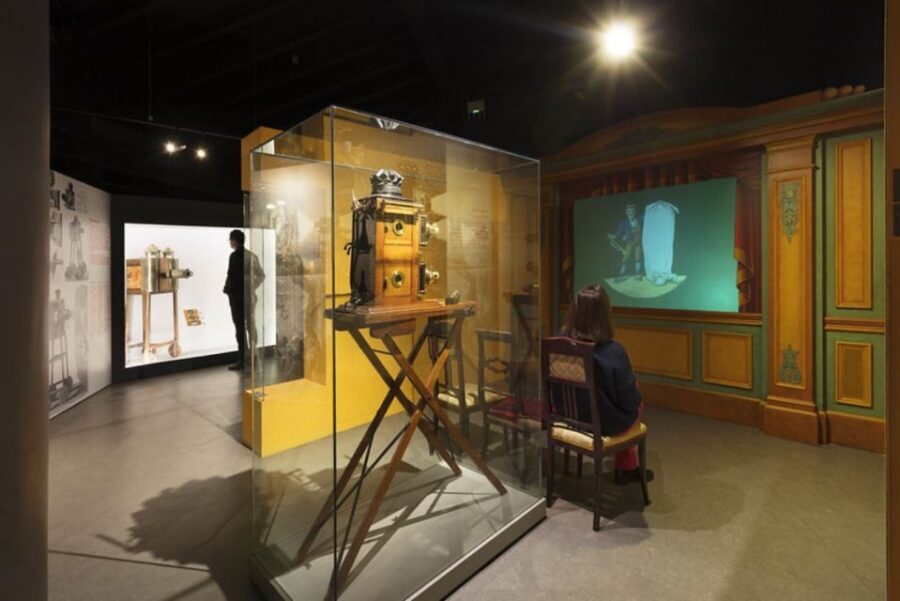
- Almost 8,000 pre-cinema objects help you see how images were made before cinema existed
- Tomàs Mallol Collection focuses on actual cinematographic devices and the path to 1895
- Permanent + temporary exhibitions means you can spend more than one loop around the themes
- English/French/Catalan/Spanish materials so you are not stuck guessing
- Family-friendly interactive spaces that work for adults too
- Library with 4,000 titles for visitors who like to keep reading after the visit
What You’ll See: 500 Years of Film History in One Ticket
This is one of those museum tickets that makes you think, Wait, film didn’t just show up. It evolved. The Museum of Cinema is organized around the history of the moving image, including what came before cinema and how the technical process led to the cinematograph in 1895.
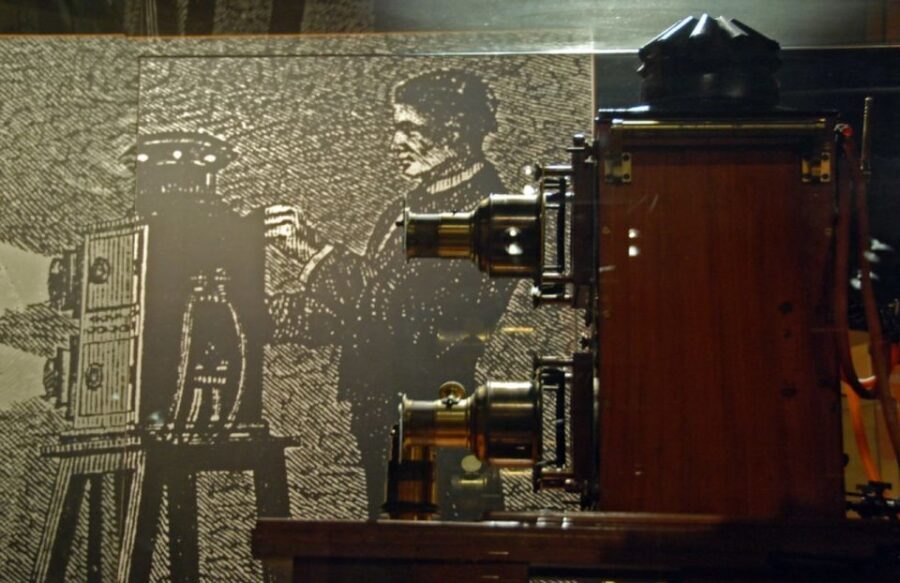
The big payoff is that the museum treats cinema as a chain of inventions. You’re not only looking at artifacts. You’re learning the logic behind them—how images were represented, how devices worked, and why certain breakthroughs mattered. If you enjoy questions like How did they do that? you’ll fit right in.
The entry ticket covers the permanent exhibition plus a temporary exhibition, so you’re not paying just to see one room. Plan on spreading your visit out rather than rushing. A museum like this rewards slow reading and hands-on attention.
You can also read our reviews of more tours and experiences in Girona


The Heart of the Museum: Tomàs Mallol and the Pre-Cinema Collection
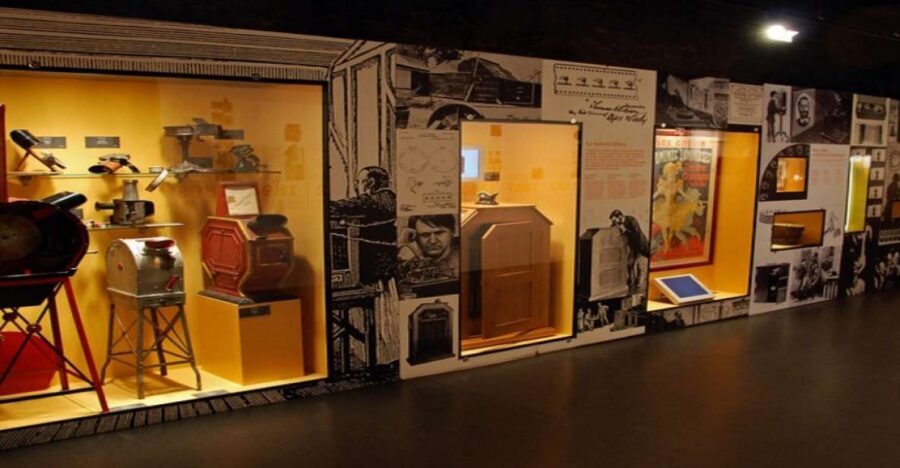
The centerpiece is the Tomàs Mallol Cinema-Collection Museum, which is built from the acquisition of the Tomàs Mallol collection by Girona in 1994. The museum’s mission is clear: help you understand the history of the moving image through conservation, research, interpretation, and exhibition.
What that means in the galleries is that you’ll spend real time on the devices and the steps that came before cinema. The museum summary highlights almost eight thousand pre-cinematographic objects. That’s not a small number, and it signals that the permanent exhibition is meant to show development over time—not one dramatic moment.
You’re also specifically looking at the connection between pre-cinema image-making and the eventual invention of the cinematograph in 1895. It’s a smart way to build understanding. Instead of treating cinema as a single invention, the museum shows it as a process with multiple technical answers that eventually clicked together.
The Building Matters: The House of Waters Experience
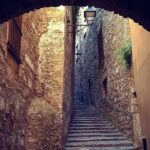
This museum isn’t in a generic white box. It sits in a former water-company building in Girona, known as the House of Waters, from the late nineteenth century. That setting gives your visit a feeling of continuity—technology housed in a technology-era building.
Even if you don’t care about architecture, the context helps. You’re learning about how images were created with old instruments, while standing in an old instrument-like space. It makes the museum feel less like a modern presentation and more like a working archive of inventions.
And yes, there are interactive areas, which can be easier to enjoy in a historic building because it encourages you to wander by instinct rather than by one strict route.
Permanent vs. Temporary: How to Use Your Time Wisely
Because your ticket includes Permanent + Temporary Exhibition, you have a built-in reason to plan your day with flexibility. A good strategy is to treat the permanent collection as the foundation, then use the temporary exhibition as either a fresh angle or a review of what you just learned.
Here’s the practical way to pace it:
- Start with the permanent exhibition to get the overall timeline and the device logic.
- Save the temporary exhibition for later, when you’re better at recognizing what you’re seeing.
- If you still have energy, loop back to areas that connect directly to your favorite section (often the device-focused corners).
One reason this works so well is that the museum is about technical evolution. After you’ve seen how things were done before cinema, the temporary exhibition tends to make more sense, because you’re already tuned into the museum’s themes.
Audio Guide and Brochure: Make the Museum Click
Good museums don’t just show you objects. They help you interpret them. Here, you get an informative brochure in English, French, Catalan, and Spanish, plus a free audio guide accessible on the web.
That’s a lot of language support, and it shows in the experience. The museum’s communication is practical, and it’s especially helpful if your Spanish or Catalan is still warming up. The brochure languages give you options right away rather than forcing a single route.
One watch-out: an audio guide can be great, or it can become a small tech headache. At least one visitor had trouble using the audio guide during their visit. If you plan to rely on it, I’d suggest testing the audio guide link before you arrive or making sure your phone battery and internet situation are solid on-site.
If you end up using mostly the labels and brochure instead, you’ll still get a strong experience. The museum doesn’t feel like it only works with audio.
You can also read our reviews of more museum experiences in Girona


Library with 4,000 Titles: For the Readers Among Us
Not every museum includes a library inside the experience, and that’s a nice extra here. The museum info notes a library with more than 4,000 titles. That’s a subtle but meaningful detail: the museum isn’t only about presenting objects. It supports study, investigation, and deeper context.
You might not read the whole library in one day, but knowing it’s there changes the mood. It signals that the museum is tied to research and interpretation, not just display cases. If you like to keep a thread going after you leave—by reading one more thing later—this is a good sign.
Interactive Displays for Families (That Adults Still Enjoy)
If you’re visiting with kids, this museum is built to work for them. The museum activities mention options for groups of adults and for families, and the museum spaces are interactive enough that a family visit doesn’t feel like you’re dragging small feet through silence.
One reviewer specifically highlighted that the museum had enough interactive spaces for a child of 8 to enjoy the visit. That’s the kind of detail that helps you predict the experience level. If the museum is working for a young visitor that age, it’s likely not relying on complicated jargon to be enjoyable.
And for adults? Interactivity is useful even when you’re there for history. It helps you connect the device mechanics to what you’re seeing, instead of treating the exhibits as text-only interpretation.
Price and Value: Is an $8 Ticket a Good Deal?
At $8 per person, this ticket is priced in the sweet spot for a museum day. The value part is not just the cost. It’s what you get for that price: entrance to the permanent and temporary exhibitions, plus a multi-language brochure and a free audio guide.
Also, the ticket is valid for 1 day, so you’re not forced to cram everything into a short slot. In practice, museum value is about time freedom. When you’re not under an hour-by-hour countdown, you’re more likely to slow down and understand what you’re seeing.
If you’re in Girona anyway, this is a strong add-on because it fits into a culture-and-walk day nicely. If you’re a film nerd, it may steal your whole afternoon because the pre-cinema angles are genuinely fascinating.
Timing Tips: When to Arrive and How to Avoid Surprises
The ticket is valid for 1 day, and you’ll want to check starting times and availability. That matters because museums sometimes run on scheduled entry windows or different opening rhythms.
One practical tip from a recent booking: a visitor reported that entry was free on the first Sunday of the month. I can’t treat that as a guaranteed policy from the museum info you provided, but it’s a useful reminder to check local timing if you’re visiting on a weekend. If it turns out to be free, that’s a nice bonus. If it isn’t, you’re still covered because you booked a standard entry experience.
Also, if you’re trying to use the audio guide, give yourself time to set it up once you’re inside. Don’t leave it for the final room. The museum themes build, so your first impressions matter.
Accessibility: Getting In and Moving Through
This museum is wheelchair accessible, and the building is prepared for people with reduced mobility. That’s exactly what you want to see for a museum with device displays, because accessibility isn’t only about ramps. It’s also about whether you can actually move comfortably through the space.
If you need extra time, plan it. Museums with lots of exhibits often have areas where you pause to read or look closely. With accessibility needs, that pause time becomes part of the visit, not an interruption.
Who This Ticket Is Best For
This is a great fit if you like any of these:
- film history with a technical angle
- inventions and how-to thinking
- interactive museum experiences for mixed ages
- people who enjoy reading labels and following a timeline
It’s also a solid choice if you want something different in Girona. You’ll still get a culture experience, but it’s grounded in science-like curiosity: devices, images, and the path toward the moving picture.
If you’re only looking for modern cinema celebrities or movie memorabilia, you might feel less satisfied. This museum is about the invention story and the mechanics of representation before film became mainstream.
When You Might Reconsider
One consideration is the audio guide experience. If you strongly rely on audio and you run into tech or usability issues on-site, that could slow your momentum. The museum still offers printed materials and interpretive displays, so you’re not stranded, but audio enthusiasts should plan for a backup way to read.
Another small factor is expectation-setting: the museum theme is technical and historical. That’s the point. If you want purely visual entertainment, you may need to adjust your pace and reading tolerance.
Should You Book the Girona Museum of Cinema Ticket?
Yes, I’d book it if you enjoy how things work and you want a one-day museum in Girona that’s more than just a walk-through. The Tomàs Mallol collection, the scale of pre-cinema objects, and the included permanent plus temporary exhibitions make the ticket feel like real value for $8.
Book it especially if you’re traveling with kids or a mixed-age group, because the museum’s interactive setup is designed to hold attention. If you’re an audio-guide person, just be ready to troubleshoot your phone setup so you can actually use it smoothly.
If you want a movie-related experience with a thinking-person twist, this is one of the most practical ticket buys you can make in Girona.
FAQ
How much does the Girona Museum of Cinema entry ticket cost?
The price is $8 per person.
How long is the ticket valid?
The ticket is valid for 1 day.
What is included with the ticket?
You get entrance to the Permanent + Temporary Exhibition, an informative brochure (English/French/Catalan and Spanish), and a free audio guide accessible on the web.
Is there an audio guide, and is it free?
Yes. The audio guide is free and accessible through the museum’s web page listed in the included information.
What languages are available for the brochure?
The brochure is available in English, French, Catalan, and Spanish.
Is the museum wheelchair accessible?
Yes. The building is prepared for people with reduced mobility and is wheelchair accessible.
Is there a library inside the museum?
Yes. The museum includes a library with more than 4,000 titles.
Can I cancel my booking?
You can cancel up to 24 hours in advance for a full refund.