REVIEW · BARCELONA
Picasso’s Barcelona on Electric Bike Small Group Tour
Book on Viator →Operated by Barcelona eBikes · Bookable on Viator
Barcelona moves differently on an e-bike.
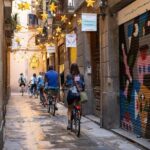
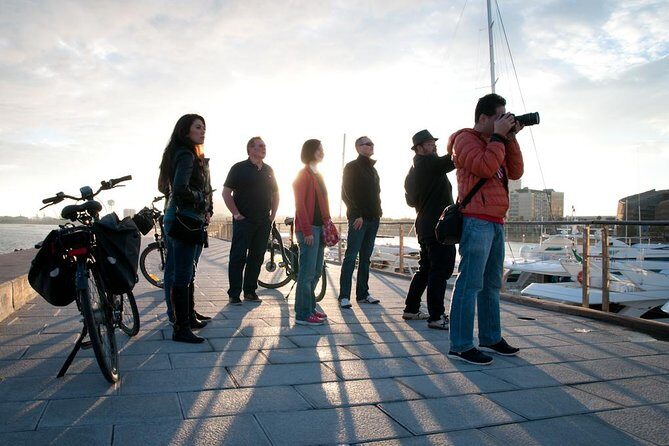
This small-group tour is a fast, fun way to cover big sights without arriving sweaty and out of breath. I especially like the electric-bike help, which lets you keep a relaxed pace while still getting real views from neighborhood streets. You’ll ride from the old center out toward the sea, with a guide calling out what to notice as you go.
The other thing I like a lot is how local the route feels. You hit landmark stops, yes, but you also get market time, Roman-era context, and Gothic architecture in the Born. Guides like Lily, Nil, and Kubi are specifically praised for making the ride feel smooth and informative, not like you’re just following a checklist.
One thing to consider: the tour is in English, and it’s shared with up to 10 people, so the ride can feel more about group traffic skills than a quiet, private experience. If you want pure art-only focus, one review noted the emphasis leaned more toward sport and major events than expected, and that may shape your enjoyment.
In This Review
- Key Highlights You’ll Actually Feel
- Electric Assist Means You Can Spend Time Looking, Not Working
- Meeting at Plaça de Sant Agustí Vell: Plan for a Short Hunt
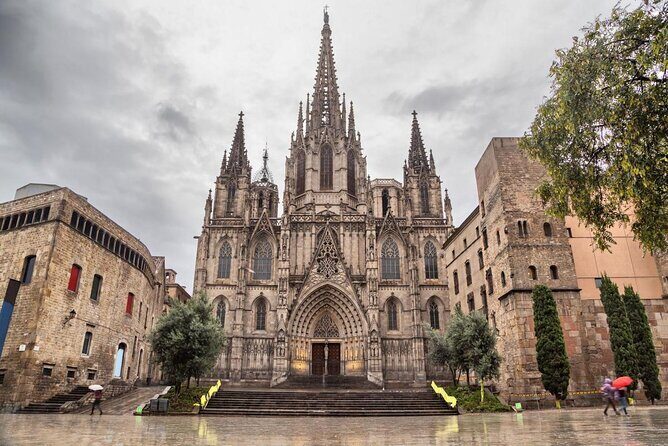
- Cathedral Square and the Start-Up Moment You’ll Appreciate
- From Roman Barcino to Santa Caterina’s Market Roof
- El Born Centre: Old Market Layers and the City Underfoot
- Ciutadella Park and the Picasso Connection
- Port Olímpic and the 1992 Seafront Shift
- Santa Maria del Mar: Gothic “Sea Cathedral” to Finish Strong
- Price and Value: What $50.69 Buys You
- Art Expectations: How to Decide If This Matches Your Taste
- Who Should Book This e-Bike Tour
- Should You Book Picasso’s Barcelona by Electric Bike?
Key Highlights You’ll Actually Feel
- Electric assist that makes a long center-city loop doable
- Small group max of 10, with wireless headset for clear guide audio
- Cathedral square start, including a quick bike practice so you’re not guessing
- Santa Caterina Market and El Born’s old market layers under the walls
- Ciutadella Park links to the 1888 Universal Exposition and Picasso family time
- Port Olímpic and La Catedral del Mar for seafront + Gothic “Barcelona” moments
Electric Assist Means You Can Spend Time Looking, Not Working
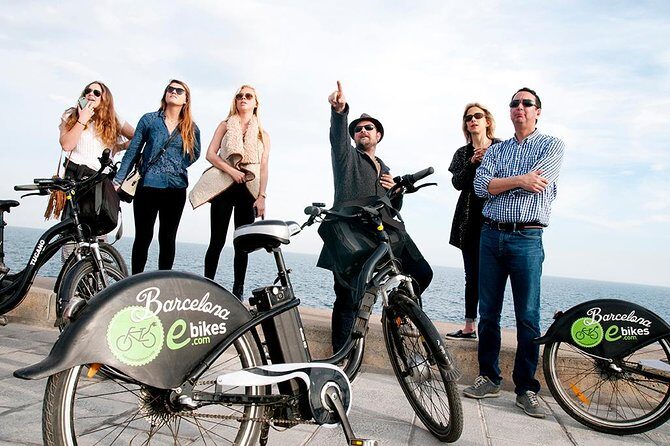
An e-bike tour in Barcelona is not about cheating. It’s about choosing what you want to use your energy on. With pedal assist, you can concentrate on street-level details—colors, stonework, the way neighborhoods change—instead of focusing on every hill and curb.
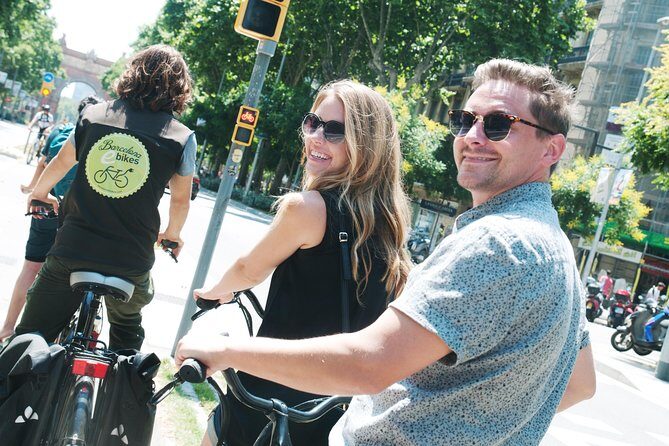
This one is built for comfort and flow. You get the bike, a helmet, and bottled water, which matters because the route is designed to keep moving. There’s also a wireless headset, so you hear your guide without craning your neck or shouting over traffic. That helps a lot on a ride where your job is mainly to steer, brake, and look ahead.
If you’re the type who loves travel photos, the e-bike does something practical: it gives you a stable rhythm. You’re not zig-zagging like a novice cyclist trying to build momentum. You can slow down mentally, and that’s when the city becomes readable.
You can also read our reviews of more cycling tours in Barcelona

Meeting at Plaça de Sant Agustí Vell: Plan for a Short Hunt
The tour starts at Plaça de Sant Agustí Vell, 16, in Ciutat Vella. It’s near public transport, and you’ll want to arrive a few minutes early because this is where bikes get assigned and the guide sets the rules for riding.
Here’s the real-world thing: the meeting spot can be a little tricky to find on first pass. One review called it hidden in the Born neighborhood. Use Google Maps, and don’t wait until the last minute. In a city like Barcelona, 5 minutes can turn into 15.
You’ll get a shot briefing, then you’ll roll. There’s no long bus transfer, no waiting around in a big group. This is a “meet up and start moving” style tour, which is exactly what you want for a late afternoon ride.
Also worth noting: the start time is 4:00 pm, and the tour runs about 2 hours 30 minutes. Timing like that can be perfect for sight-seeing because you get a calmer pace in the center and better light for walking-street details.
Cathedral Square and the Start-Up Moment You’ll Appreciate
Right after you meet at the bike shop, you’ll be near the action fast—your first big visual anchor is Barcelona Cathedral. The meeting and early guidance are not just ceremonial. You’ll get explained how the bikes work, then you’ll have time to test and get comfortable with the motor.
That practice time is more valuable than it sounds. E-bikes feel intuitive until you hit real city rhythm—signals, pedestrians stepping out, bikes parked at odd angles. A short “try it first” moment helps you avoid that tense, arms-stiff feeling that can ruin the first 10 minutes.
Standing in front of the cathedral area also sets the tone. You’re in a large square in the old town, so it’s easy to orient yourself visually. From there, the ride becomes about switching from landmark sightseeing to neighborhood texture.
From Roman Barcino to Santa Caterina’s Market Roof
After the cathedral, you move deeper into the old center’s story. The tour takes you through the part of town connected to early Roman Barcino, which gives context to what you’re seeing now. Even if you don’t consider yourself a history person, this is useful. It turns random streets into a map with meaning.
Then comes Santa Caterina Market, known for its colorful roof and organic structure. The tour includes a stop here, and this is one of those places where you’ll feel the difference between “looking at Barcelona” and feeling how locals shop and snack.
Markets also do a practical job on an e-bike itinerary. They break the ride into chunks. You get a short pause to absorb the sights, reset your attention, and take in details you’d miss at cruising speed.
If you like food stops and you want a Barcelona moment beyond the big monuments, this is the kind of stop that pays off. You can keep it casual—just observe, snap a few photos, and learn what makes the market different.
El Born Centre: Old Market Layers and the City Underfoot

Next is El Born Centre de Cultura i Memòria, which used to be an important food market. What makes this stop special is the idea that you’re not just visiting a building—you’re seeing layers. The tour highlights that it was the first to have a roof, and today it shelters something quite different: the discovery of older parts of the city underneath.
This is a good stop if you like “how did this become what it is?” history. You get a quick, guided sense of how Barcelona rebuilt and repurposed spaces, and why that matters to understanding the present.
The time here is brief, so don’t expect a long museum-style experience. But that’s actually the point of this tour format. You’re getting an art-and-city overview on wheels, with just enough time at each anchor to make the next ride meaningful.
You can also read our reviews of more tours and experiences in Barcelona


Ciutadella Park and the Picasso Connection
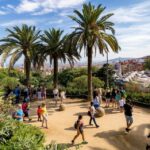
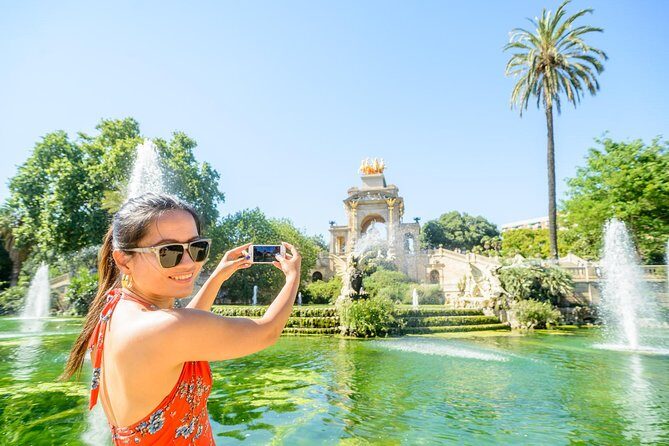
One of the most enjoyable parts of the ride is the transition into Parc de la Ciutadella. This isn’t only greenery; it’s a site with major event history. The tour ties the park to the Universal Exposition of 1888, and then it connects that space to a later chapter: the park was a place where Picasso and his family enjoyed time.
That Picasso link is subtle but real. It answers the unspoken question behind the tour name: why Picasso, in a bike tour of Barcelona landmarks? This is one of the places where you can connect the artist to the city’s public spaces, not just paintings and museums.
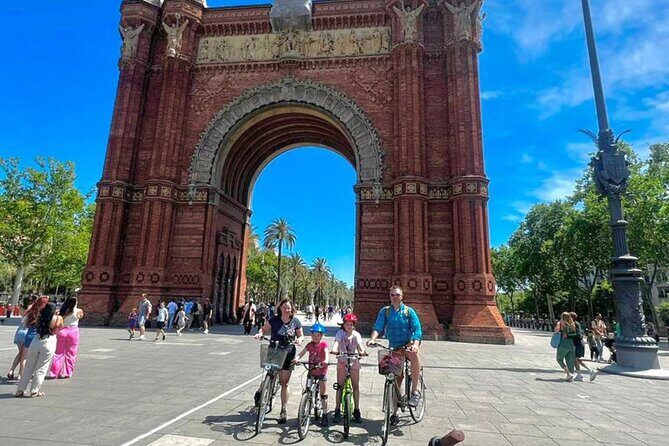
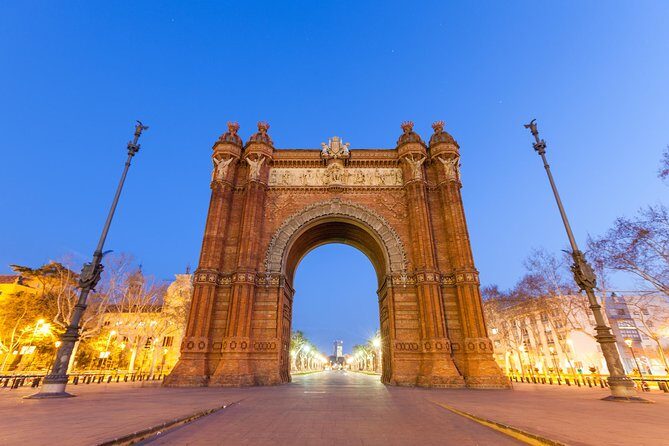
You’ll likely see the Arc de Triomf area as well on the way through the park, and you get a glimpse sort of moment—enough to get the shape and scale, not enough to make it feel like a detour.
If you want a break from street corners and want wide-open sight lines, this park segment delivers. It also helps you reset your body after city riding, because your brain loves a little space.
Port Olímpic and the 1992 Seafront Shift
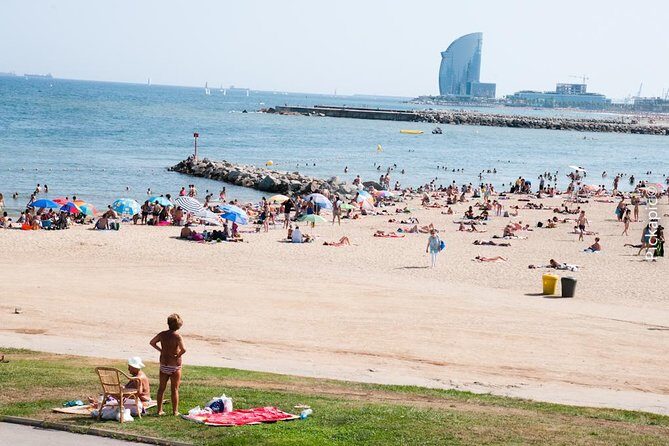
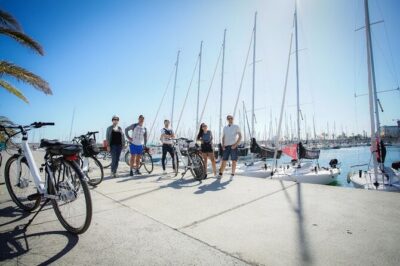
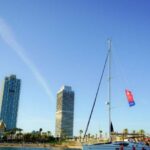
Then the tour turns toward the water with Port Olímpic. This area was transformed for the summer Olympic Games of 1992, and the guide explains what those games meant for the city.
This is an important point to understand before you go: the tour’s theme isn’t only “art history trivia.” It’s more like Barcelona’s story in a practical arc—old town to markets to public expositions to seafront change. One review even noted the emphasis leaned more toward Olympic and sport-event context than expected for an art-branded tour. That may be exactly what you’re after, or it may be a mismatch.
Either way, the seafront piece is genuinely different from the center. You’ll feel the shift in atmosphere as you move toward a Barcelona that’s more future-focused, rebuilt, and spread out.
The ride also includes time through a local neighborhood where fishermen and women of Barcelona traditionally lived. That helps the seafront stop feel grounded, not just like a photo-op strip.
Santa Maria del Mar: Gothic “Sea Cathedral” to Finish Strong
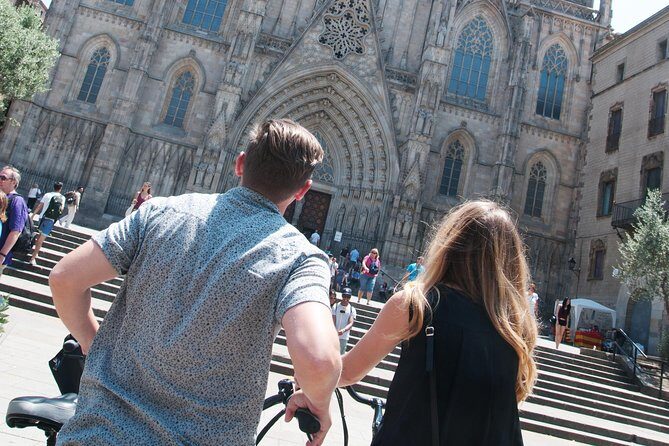
Your last major architectural highlight is Basilica de Santa Maria del Mar, which locals call La Catedral del Mar. The guide frames it as a Gothic basilica built by people from the Born area to help protect the community from the sea.
This is where the tour can feel most like a true Barcelona art-and-architecture experience. The scale and solidity of Gothic forms hit differently when you arrive by bike rather than on foot from a single entrance. You get a street-to-building transition that feels natural.
After that, you’ll ride through a maze of small medieval streets that once housed craftsmen and workshops. Even if you only glimpse storefronts, the idea is clear: this is Barcelona built from trades, not just tourists.
If you like browsing and hand-made details, this section gives you a good sense of what’s been preserved. You also get a satisfying ending rhythm, because you’re moving through tight lanes like the city’s own wiring.
Price and Value: What $50.69 Buys You
At about $50.69 per person for around 2.5 hours, this tour sits in the “good value if you use it well” category. The big reason is that the cost includes more than transportation. You get the e-bike, helmet, wireless headset, professional guide, and water.
If you tried to replicate it solo, you’d likely end up paying for bike rental and then losing the structured route and guide interpretation. Here, the headset and guide narration reduce the friction of street navigation. That’s not a small benefit. You’re paying for clarity and momentum.
It’s also a group tour capped at 10 travelers, which usually means you get enough attention from the guide without the ride turning into a chaotic conga line. Many people rate it highly, with a 4.8 average across 68 reviews and 96% recommending it. That’s a strong signal that the format works for most first-time visitors who want an efficient introduction.
Art Expectations: How to Decide If This Matches Your Taste
The tour name points to Picasso, but the route is broader than a museum-style art lecture. You’ll see major historical anchors tied to the city: Roman Barcino context, medieval Born streets, Gothic Santa Maria del Mar, the 1888 exposition park story, and the 1992 Olympic seafront shift.
So here’s my practical advice: go in expecting a city-story ride with art and architecture moments, not a strict, academic art-focused walking tour. If you’re hoping for a deep Picasso lesson at every stop, you might feel like you want more.
On the flip side, if you want the kind of overview that helps you later decide which museum or neighborhood to return to, this route is well suited. It gives you bearings and context, especially for the old center.
Also, the tour is offered in English. Most travelers can participate, but if you rely heavily on crisp, fast explanations, make sure your expectations match a live group guide experience.
Who Should Book This e-Bike Tour
This tour fits best if you want:
- An easy way to see a lot in a short time, especially in the central parts of Barcelona
- A guided ride that connects monuments, markets, and neighborhoods
- To try an e-bike without the stress of building your own route
It may be less ideal if you:
- Want a quiet, private ride with no group dynamics
- Prefer strictly art-history programming with minimal sport-event context
- Are very sensitive to hearing the guide clearly when the group moves and stops quickly
Guides named in the feedback—Lily, Nil, Kubi, and Uri—are mentioned for being friendly and informative, which suggests the group experience often feels personal rather than robotic.
Should You Book Picasso’s Barcelona by Electric Bike?
If your main goal is to get your bearings fast and see the Born, Ciutadella, and the seafront in one smooth session, I think this is a smart booking. The combination of e-bike ease, headset audio, helmet, and guide interpretation makes it a practical way to start understanding Barcelona without spending your whole trip pedaling.
I’d only hesitate if you’re expecting a pure, museum-level art program or you know you’ll be irritated by English-only group pacing. But for most visitors who want a memorable introduction that still leaves room to explore on your own afterward, this tour is a strong yes.