Sangria skills, no guessing. This Sangria Masterclass in Barcelona turns a drink you think you know into something you can actually control. You start with a glass of cava, then you work through three sangrias—traditional red, white wine, and cava—until the flavors hit the right balance.
My favorite part was the hands-on method: you prep fruit and citrus, learn the ingredient ratios, then mix the alcohol base and finish with wine or cava to taste for balance. The second thing I loved was the atmosphere and teaching style from Álvaro—fun, chatty, and built around real technique, not just sipping.
One thing to plan for: this class is strictly adults only (18+) and it’s capped at a small group size (max 6). If you want a big, loud production with lots of mingling, this setup is more cozy bar-and-banter than party bus.
In This Review
- Key things I’d mark on your Barcelona plan
- Why this class feels different from other Barcelona food tours
- The 6pm flow: cava welcome, prep mode, and a real lesson
- From ratios to balance: how you build red, white, and cava sangria
- Red wine sangria: the classic backbone
- White wine sangria: lighter, sharper, easier to mess up
- Cava sangria: bubbles that change the whole vibe
- The real takeaway: how to adjust for your taste
- Tapas at the end: why the pairing is part of the lesson
- Meeting point in Ciutat Vella: finding it without turning your night into cardio
- Price and value: $83.88 for 90 minutes you can recreate
- Who should book this Barcelona sangria masterclass
- Should you book it? My quick decision guide
- FAQ
- FAQ
- Where is the masterclass meeting point?
- What time does the class start?
- How long is the masterclass?
- Is the class offered in English?
- What kinds of sangria do you make?
- Is there food included?
- What is the maximum group size?
- Can children under 18 attend?
- Do you get anything to take home?
- What is the cancellation deadline for a full refund?
Key things I’d mark on your Barcelona plan
- Three sangrias, made by you: red wine, white wine, and cava sangria in the same session
- Balance over sweetness: you learn how to adjust the mix, not just follow a generic recipe
- Cava start, tapas finish: the evening has a drink arc, plus local food to match
- Small group (max 6): more hands-on time and a more personal vibe
- Álvaro’s bar atmosphere: relaxed conversation, comedy/history-style context, and plenty of back-and-forth
- Recipes for home: you leave with the way to recreate what you make
Why this class feels different from other Barcelona food tours
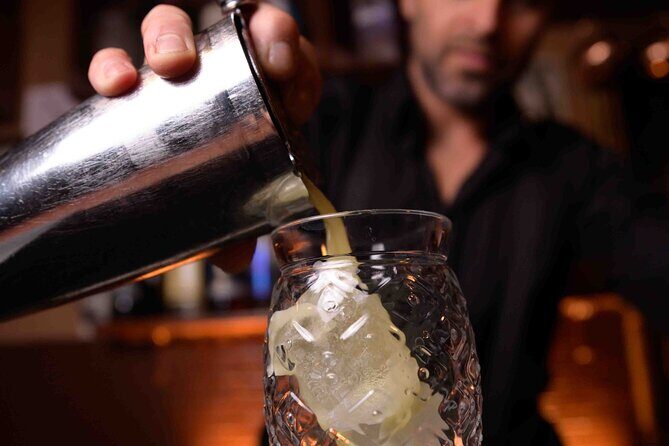
Barcelona is full of great tastings, but this one is built around doing. You’re not just tasting three versions of sangria and moving on. You’re cutting fruit, building a base, choosing wine or cava, and learning what changes the flavor. That matters because sangria can swing from refreshing to syrupy in one step—so you learn the steps that keep it drinkable.
The small group size is a big part of that. When the room is limited to six people, you get more attention. You can ask questions about ratios and variation, and you can actually taste and compare what you just changed. That’s the difference between reading about sangria and being able to make a pitcher that tastes right.
Also, the location choice is smart. The meeting point is in Ciutat Vella (Carrer d’’En Botella), so you’re in central Barcelona, but the experience takes place inside a character-filled neighborhood bar. It feels like meeting someone’s favorite corner of the city, not like a classroom.
You can also read our reviews of more tours and experiences in Barcelona.


The 6pm flow: cava welcome, prep mode, and a real lesson
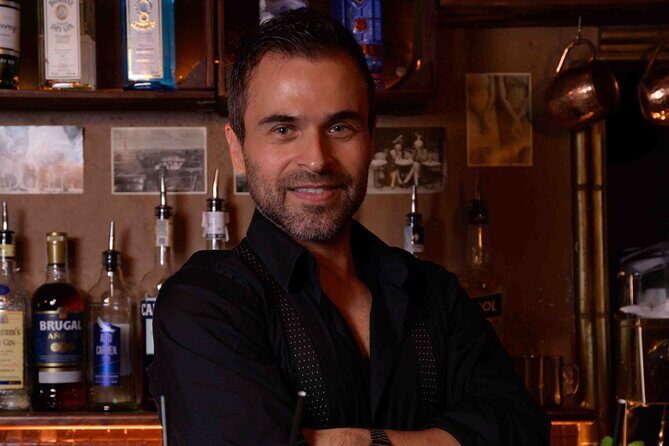
The class starts at 6:00 pm, and you’ll meet at Carrer d’En Botella, 2 (Ciutat Vella, 08001). Expect a mobile ticket check and then a short welcome before you roll up your sleeves.
First comes the cava welcome glass. It sets the tone right away: this isn’t a slow museum lecture. You’ll have a drink in hand, then you’ll get the intro—part history, part technique—so you understand why sangria recipes vary and why balance matters.
Then the work begins with fruit and citrus prep. This is where your sangria stops being abstract. You’ll be getting your hands involved, because flavor in sangria isn’t only from alcohol and sugar. It’s also from what the fruit gives off while it sits and mingles with the liquids. You also start learning the rhythm: build, taste, adjust.
A tip that’s easy to miss: the bar tends to open right at the start time. If you show up too early expecting it to be fully active, you might get an empty-looking moment before class begins. So plan to arrive close to the start, not an hour early.
From ratios to balance: how you build red, white, and cava sangria
You make three types of sangria during the masterclass, and you build them in a way that teaches you the logic behind each one.
Red wine sangria: the classic backbone
With red wine sangria, the learning focus is texture and balance. You’re working with a mix of ingredients plus a recipe-driven base, and then you add the wine. The key point here is that sangria isn’t just fruity wine with chopped stuff thrown in. You’re aiming for a flavor profile that tastes like a cocktail—bright, drinkable, and not all sweetness.
You’ll also understand how fruit/citrus affects the final taste. Citrus can sharpen the drink. Fruit can soften it. Together, they help keep the wine from tasting flat or heavy.
White wine sangria: lighter, sharper, easier to mess up
White sangria has its own trap: it can taste thin if the balance is off. During the class, you’re guided through the “don’t just pour—compose” approach. The same fruit/citrus prep idea applies, but the final finish is with white wine instead of red.
This is a good chance to learn how your palate changes. Red sangria can hide some imbalances. White sangria often reveals them faster—so you start to think like a bartender, not like a cookbook follower.





Cava sangria: bubbles that change the whole vibe
The cava version is the one many people end up favoring. There’s a reason: bubbles lift aroma and keep the drink feeling lighter even if it’s strong. You’ll add cava after mixing the alcohol base and adjusting the recipe balance.
In the class, the emphasis stays the same: perfect balance. But cava introduces a new variable—effervescence. That means the final drink can taste different than you expect right after mixing, so tasting and adjusting becomes part of the skill set.
The real takeaway: how to adjust for your taste
Across all three, the guiding theme is balance. You’re taught to think in ratios and steps: prep the fruit, mix the alcohol components using the class method, then finish with wine or cava, tasting along the way.
By the end, you’re not just memorizing a recipe. You’re learning what levers you can pull: sweetness level, acidity from citrus, and how the base flavors carry through. That’s what makes this class useful back home, not just entertaining in Barcelona.
Tapas at the end: why the pairing is part of the lesson
After you make your sangrias, you’ll sit down to enjoy the results with tapas of local products. The food isn’t an afterthought. It’s there to help you appreciate the flavors you just built.
Expect local items like bread plus savory platters—people often describe meats and cheese alongside the drinks. This matters because sangria can be boozy, and food helps your palate reset between sips. If you only drink, the stronger notes can take over. With tapas, you can taste more clearly what each version is doing—especially the differences between red, white, and cava.
If you’re the type who wants to keep the night going, the bar also makes it easy to stay longer for extra drinks or additional food. Several people mention ordering crepes or lingering after the class, which fits the vibe: you end with a meal-like finish and can turn it into dinner if you’re having fun.
One practical note: the drinks can hit harder than you expect, because you’re drinking three versions in one session and the cava adds extra lift. Plan your evening so you’re not stuck trying to navigate Barcelona tipsy.
Meeting point in Ciutat Vella: finding it without turning your night into cardio
The meeting point is simple in theory and a little tricky in real life: Carrer d’En Botella, 2 is in the tight street grid of Ciutat Vella. It’s central, near public transportation, and easy to reach once you’re oriented—but you’ll likely want to check the exact pin on your map.
Your best move is this: get there a few minutes early, but don’t treat it like a hotel lobby where staff are waiting. The bar tends to be ready when class starts. Arrive at a normal human time, then settle in.
Also, because the group is small (max 6), you don’t want to show up wondering if you’re in the right place. If you’re early, hang out nearby. If you’re on time, you’ll be guided in.
Price and value: $83.88 for 90 minutes you can recreate
At $83.88 per person for about 1 hour 30 minutes, you’re paying for three things: instruction, ingredients, and an experience you can take home.
What makes it feel like value is that you’re not just buying a glass. You’re making three sangrias yourself, with guidance on ratios and balance, plus food at the end. Most “tasting” experiences give you tiny samples and call it a day. This one pushes you into the kitchen of cocktails—fruit prep, mixing steps, tasting, and adjustment.
The small group size also protects your value. When it’s capped at six, you get more chances to ask questions and learn the “why,” not only the “what.” That’s why people call it hands-on and why it’s a highlight for couples and small groups.
And yes, you’ll likely leave with a recipe (people specifically mention receiving the recipe). That turns the cost from an evening expense into a skill you can use the next time you host friends with a pitcher of sangria.
Who should book this Barcelona sangria masterclass
This class is ideal if you like:
- learning a practical recipe you can repeat
- hands-on cooking or cocktail-making
- small-group experiences where you can talk to the host
- Barcelona food-and-drink nights that feel local, not staged
It’s also a great choice for couples. The vibe is cozy and personal, with conversation and some humor in the teaching style. Several people frame it as a date-night activity that still feels educational.
If you’re traveling with a mixed-age group, note the key rule: children under 18 can’t attend. This is an adult bar experience, and it makes sense given the tasting-heavy format.
If you hate strong drinks, or you want a light stroll-and-snack kind of evening, you might prefer a different food tour. Here, the main action is drinking and making cocktails.
Should you book it? My quick decision guide
Book it if you want more than a tasting. If you want to leave knowing how to make red, white, and cava sangria with better balance and better ratios, this is the kind of class that sticks.
Skip it if you’re looking for a huge group event, or if you’re not into learning cocktail technique. This is not “watch someone pour.” It’s “you do it.”
Also, keep your schedule realistic. The class runs around 90 minutes starting at 6pm, and the drinks are strong enough that planning a simple way home is smart.
FAQ
FAQ
Where is the masterclass meeting point?
It starts at Carrer d’En Botella, 2, Ciutat Vella, 08001 Barcelona, Spain.
What time does the class start?
The start time is 6:00 pm.
How long is the masterclass?
It lasts about 1 hour 30 minutes.
Is the class offered in English?
Yes. The masterclass is offered in English.
What kinds of sangria do you make?
You prepare three types: traditional red wine sangria, white wine sangria, and cava sangria.
Is there food included?
Yes. After making the sangria, you enjoy it with tapas of local products.
What is the maximum group size?
The experience has a maximum of 6 travelers.
Can children under 18 attend?
No. Children under 18 years of age cannot attend.
Do you get anything to take home?
The experience includes taking the sangria recipes home, so you can try again after your trip.
What is the cancellation deadline for a full refund?
You can cancel up to 24 hours in advance for a full refund. If you cancel less than 24 hours before the start time, the amount paid is not refunded.