REVIEW · BARCELONA
Secrets of Barcelona Old Town Guided Walking Tour
Book on Viator →Operated by Republic Experiences · Bookable on Viator
Barcelona hides its best stories in plain sight. This 2-hour guided walk through the Gothic Quarter strings together landmark moments, small legends, and quick context so the Old Town feels logical instead of random. You may get a guide like Sonia, Vanessa, Tamara, Mariah, or Jamie, and the best ones keep the route moving with street-level storytelling and easy navigation.
I also like the photo-friendly pacing: you stop long enough to orient yourself, then take your pics at places like Barcelona Cathedral and the romantic bridges and squares around Barri Gòtic. One drawback to plan for is that some interiors are not included, so Catedral de Barcelona and Santa Maria del Mar may require separate entry—and on a busy evening, crowds can make it tougher to stay together.
In This Review
- Key Highlights You Will Actually Feel on the Walk
- Why This 2-Hour Gothic Quarter Walk Works
- Price and Logistics: The Stuff That Makes or Breaks a Walk
- Stop-by-Stop: What You’ll See in Barcelona’s Old Town
- Els 4 Gats: Modernist Meets Art-World Legends
- El Mon Neix En Cada Besada: A Symbol of Freedom and Catalan Pride
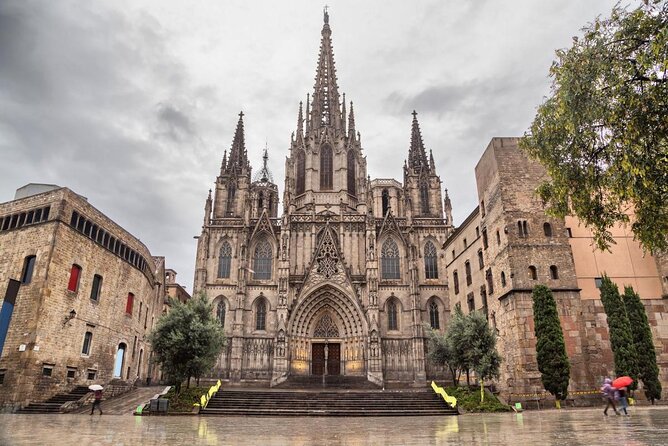
- Catedral de Barcelona: The Big Gothic Photo Stop (Entry Not Included)
- Casa de l’Ardiaca: Roman Barcino Walls and Aqueduct Arcades
- Pont del Bisbe: Neo-Gothic Bridge and a Legend You’ll Remember
- Plaça Sant Felip Neri: The Square With a 20th-Century Story
- MUHBA – El Call: Former Jewish District and Synagogue Legends
- Placa de Sant Jaume: Government Square, Celebration, and Protest
- Placa Del Rei: Royal Power and the Spanish Inquisition
- Plaça de l’Àngel: The Wheat Square That Became Angel’s Square
- Basilica de Santa Maria del Mar: Gothic Beauty in El Born (Entry Not Included)
- Guides and Storytelling: When the Tour Feels Fun
- Photo Tips That Match the Actual Route
- Who This Tour Is For (and Who Might Want an Alternative)
- Should You Book This Barcelona Old Town Tour?
- FAQ
- How long is the Secrets of Barcelona Old Town Guided Walking Tour?
- What does the tour cost?
- Is the tour offered in English?
- How many people are in the group?
- Which stops have admission not included?
- Where does the tour start and end?
- Can I cancel and get a full refund?
Key Highlights You Will Actually Feel on the Walk
- Gothic Quarter orientation: you see the layout and landmarks in the right order, not as a random checklist
- Small group size (max 20): easier to hear the guide and find the next stop
- Big-picture stories in bite-size stops: about 10 minutes per location keeps you from dragging
- Photo stops built in: Cathedral views, bridges, and plazas where a quick photo really works
- Most admissions are free: several stops have admission ticket free, with a couple notable exceptions
Why This 2-Hour Gothic Quarter Walk Works
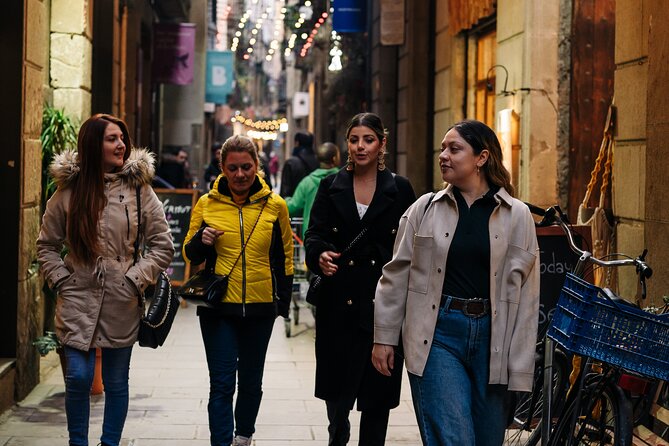
If Barcelona is your first big European city, the Old Town can feel like a maze. This tour helps you get your bearings fast—without turning the day into a museum marathon. In about two hours, you move through the Gothic Quarter and nearby areas with a guide who turns street corners into context: who built what, why the place matters, and what the locals still associate with it.
The price is low enough that you can treat it like a starter kit. At $22.83 per person, you are paying mostly for a human guide plus a smooth route through the right streets. You’re not paying for a long, expensive day. And because the group is capped at 20 people, you are not stuck yelling to hear your guide through a crowd.
This is also a practical tour for timing. It is offered in English, and the schedule is built around short stops rather than long timed entries. That matters if your trip includes beach time, Gaudí afternoons, or tapas hopping later.
You can also read our reviews of more tours and experiences in Barcelona.
Price and Logistics: The Stuff That Makes or Breaks a Walk
The tour runs about 2 hours (approx.). Plan for a light walking day, not a full-distance trek. One review notes it was about 2 miles and felt manageable, which matches the way the stops are structured.
You start at Plaça del Vuit de Març, Ciutat Vella (08002) and end at Basílica de Santa Maria del Mar, Plaça de Santa Maria 1 (08003). That end point is handy: after the tour, you are already in a lively area for wandering and eating in El Born.
Also look at the timing of your booking. It is commonly reserved around 35 days in advance. That suggests popular tour slots, so if you want a specific day, book early rather than hoping.
Two small logistics notes that keep things smoother:
- You get a mobile ticket, so have your phone ready at the start.
- It is near public transportation, which makes it easier to stitch into a day with other stops.
Stop-by-Stop: What You’ll See in Barcelona’s Old Town
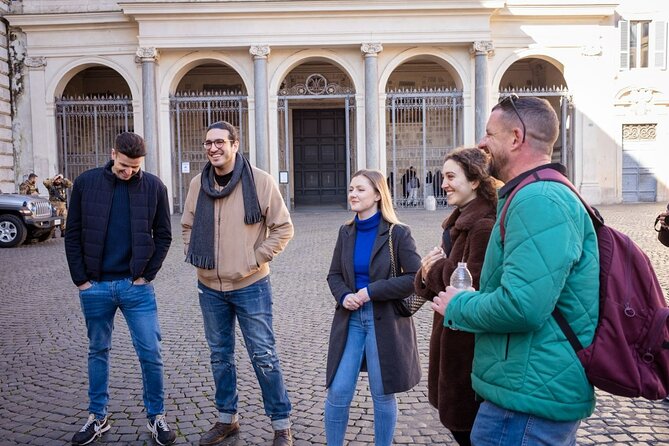
This walk is built around short, high-impact stops. Each location gets around 10 minutes, which is long enough to understand the story and take photos, but short enough to keep momentum.
Els 4 Gats: Modernist Meets Art-World Legends
You begin with Els 4 Gats, a restaurant in the modernist setting of Casa Martí. The big appeal here is the culture angle: it is tied to a history of artists gathering and exchanging ideas, including references to Pablo Picasso and Antoni Gaudí. The stop is quick, and admission is listed as free, so you are mostly there for the context and atmosphere.
Why I think this works: it anchors the tour before you plunge deeper into medieval streets. You start with a place that connects Barcelona’s creative identity across time.
El Mon Neix En Cada Besada: A Symbol of Freedom and Catalan Pride
Next is El Mon Neix En Cada Besada, a highly visible, Instagram-friendly spot connected with a Catalan independence theme. It also ties to the Catalan celebration La Diada (Catalonia Day).
Admission is marked as free, so you are not burning money on a photo stop. This one is more mood than monument—more about meaning and modern identity than the architecture itself.




Catedral de Barcelona: The Big Gothic Photo Stop (Entry Not Included)
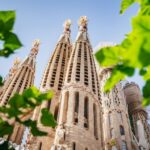
Then you hit Catedral de Barcelona. This is the main Gothic landmark for the Gothic Quarter, and the tour’s timing makes it a good photo moment even if you do not go inside.
Important: admission is not included. That means you may have to pay separately if you want to enter, and you might run into lines or timing constraints depending on the day. Still, even an exterior look helps you understand why the surrounding streets feel built around this center.
Casa de l’Ardiaca: Roman Barcino Walls and Aqueduct Arcades
After the cathedral, you get a contrast. Casa de l’Ardiaca is described as a less-frequented kind of stop where you can see echoes of Roman Barcino. You get ruins of the Roman wall and arcades from an aqueduct (1st century B.C.), and admission is free.
This is a standout stop if you like layers—how a city keeps reusing the same ground. You are not just seeing Gothic stone; you’re seeing earlier foundations in the fabric of the neighborhood.
Pont del Bisbe: Neo-Gothic Bridge and a Legend You’ll Remember
Now you cross Pont del Bisbe, a neo-gothic style bridge. Like many Barcelona legends, the real payoff is the story that makes you look twice at something you might otherwise walk past. Admission is listed as free.
This is the kind of stop that turns your photos into something with a point. You’re not just shooting a bridge; you’re shooting a bridge with a legend attached.
Plaça Sant Felip Neri: The Square With a 20th-Century Story
You then reach Placa Sant Felip Neri, a quaint square hidden away in Barri Gòtic. It is linked to stories from the Spanish Civil War and the push for Catalan independence.
Admission is free, and the value here is how the guide connects today’s identity debates to what happened here in the last century. This is a good pause in the route, since squares let you see how the streets open up and where people gather.
MUHBA – El Call: Former Jewish District and Synagogue Legends
Next is MUHBA – El Call, the former Jewish quarter. The key draw is the insight into the area’s past, including an ancient synagogue and local legends.
Admission is free. This stop tends to stick with people because the story is human and specific—not just architectural trivia.
Placa de Sant Jaume: Government Square, Celebration, and Protest
Now you land in Placa de Sant Jaume, one of the main squares in the city. It includes the seat of the Catalan government and City Hall, and the tour frames it as a place of both celebration and protest.
Admission is free. This is also a useful square for understanding the political gravity of Catalonia. You can stand there, look around, and see why big events would happen right here.
Placa Del Rei: Royal Power and the Spanish Inquisition
You head to Placa Del Rei, home to the Royal Palace. The tour also flags the dark side—connection to the Spanish Inquisition and darker periods of the city’s past.
Admission is free. Even if you only catch a few details at the surface level, the guide’s framing makes it feel less like a postcard and more like a real place with real consequences.
Plaça de l’Àngel: The Wheat Square That Became Angel’s Square
Then comes Plaça de l’Àngel, formerly known as the Wheat Square due to grain trading. It was renamed because of a legend involving a ceremonial procession of Saint Eulalia and a heavenly apparition.
Admission is free. This is a great stop for anyone who likes how cities rename places to match shifting stories and identity.
Basilica de Santa Maria del Mar: Gothic Beauty in El Born (Entry Not Included)
You finish at Basilica de Santa Maria del Mar in El Born. It is a Gothic basilica tied to the city’s maritime history.
But admission is not included, so your experience may depend on whether you want to pay to enter. The outside views alone are worth it if you are saving energy for the rest of your day.
Ending here is convenient. You already have the right neighborhood for a final walk, a casual drink, or a meal.
Guides and Storytelling: When the Tour Feels Fun
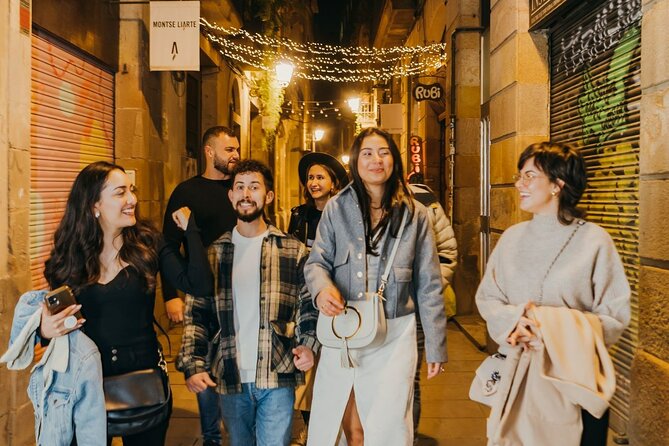
The big emotional difference between a good walking tour and a forgettable one is the guide’s tone. This tour can be entertaining and energetic when the guide leans into stories instead of reciting facts.
Many guides on this route are praised for keeping the session light and engaging, with names like Sonia, Mariah, Vanessa, Tamara, Rolene, Sarah, and Jamie showing up in the guide roster you might encounter. The pattern is clear: when the guide uses humor and keeps the group moving, the history feels like something you can picture.
That said, one concern showed up in feedback tied to a guide whose humor included swearing and jokes that did not land well for some people, plus a less-than-ideal style of crowd interaction. If you are traveling with teens and you want a super family-friendly, clean vibe, you should consider that a walking tour is also a live performance. The guide style can vary.
Photo Tips That Match the Actual Route
This tour is built for cameras, but it is still a city walk, not a photo shoot. Expect the best pictures to come from:
- the cathedral area, where the Gothic Quarter structure frames your shots
- the bridge and squares, where architecture and perspective do most of the work
- quick stops at the Roman remnants at Casa de l’Ardiaca
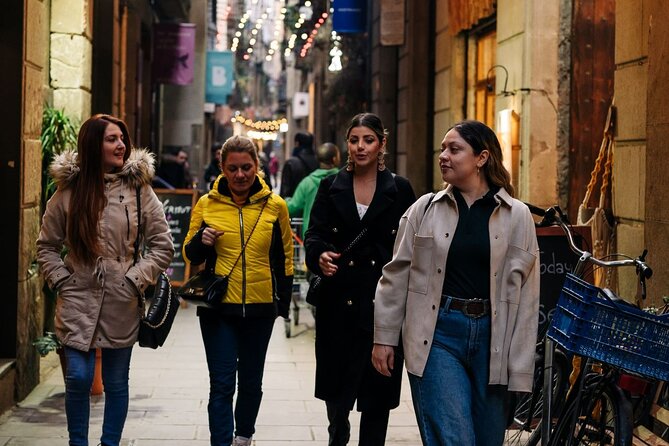
Crowds can also matter. One review called out that a holiday evening was crowded enough that it was tough not to get lost. My advice: if you want easier navigation, pick a less packed time when you can. If it is busy, stay close to the guide and resist the urge to wander 30 steps to grab the perfect angle.
Who This Tour Is For (and Who Might Want an Alternative)

This is a strong fit if:
- you want a first-time introduction to Barcelona’s Gothic Quarter layout
- you like history that comes with street-level stories
- you want a short, manageable walk around major landmarks
- you prefer a small group setting with a guide in English
It may be less ideal if:
- you want all major interiors included automatically. Catedral de Barcelona and Santa Maria del Mar are listed with admission not included, so you may pay extra if you want inside time.
- you have a strong preference for very formal, very quiet commentary. Since it’s live and guide-led, humor style can vary.
Should You Book This Barcelona Old Town Tour?
Yes, if you want a cost-effective way to understand the Gothic Quarter and leave with a clearer sense of where everything is. At $22.83 for about two hours with a small group and a route that hits the key squares and photo moments, it is a practical start to a Barcelona trip.
Book it if you value orientation, legends, and quick historical context more than full museum-style time. Consider skipping it only if you specifically want cathedral and basilica entrances included, or if you strongly want a very strict, no-humor style guide.
FAQ
How long is the Secrets of Barcelona Old Town Guided Walking Tour?
It lasts about 2 hours (approx.), with short stops along the way.
What does the tour cost?
The price is $22.83 per person.
Is the tour offered in English?
Yes. The tour is offered in English.
How many people are in the group?
The tour has a maximum of 20 travelers.
Which stops have admission not included?
Catedral de Barcelona and Basilica de Santa Maria del Mar are listed as admission ticket not included. Other stops are marked free.
Where does the tour start and end?
It starts at Plaça del Vuit de Març, Ciutat Vella (08002) and ends at Basilica de Santa Maria del Mar, Plaça de Santa Maria 1 (08003).
Can I cancel and get a full refund?
Yes. You can cancel up to 24 hours in advance for a full refund. If you cancel less than 24 hours before, the amount paid is not refunded.