REVIEW · TARRAGONA
Skip the Line: MónNatura Delta de l’Ebre Entrance Ticket
Book on Viator →Operated by MonNatura Delta de l'Ebre · Bookable on Viator
Birds do the talking here. This entrance ticket gives you guaranteed entry to the MónNatura Delta de l’Ebre wetlands, where you can watch fish and birds across fresh and salt water without wasting time at the counter. I especially like the telescopes in the viewing areas (they make distant birds feel close), and I also love how clean and well kept the site is for an easy walk. One thing to plan for: sun and bugs are real in the Delta, so sunscreen and mosquito protection are worth your packing space.
Even better, this is built for a short visit. Expect about 1 to 2 hours, a small group size (up to 20), and a visit flow that works whether you’re there for serious birdwatching or a relaxed family outing.
In This Review
- Key highlights to know before you go
- Skip-the-line entry with a phone ticket (and why that matters)
- What you’re visiting: a Delta museum that’s outdoors on purpose
- Alfacada lagoon birdwatching: telescopes and a partially enclosed observatory
- Salt-pan recreation and the Delta’s seasons: what the audiovisual adds
- Traditional fishing techniques and punts: wildlife with local context
- Old Sant Antoni salt pans: saline plants and bird-spotting goals
- Price and value: why about $12 feels fair for 1–2 hours
- Opening hours, seasonal timing, and what to bring
- Who should book this entrance ticket (and who might skip it)
- Should you book MónNatura Delta de l’Ebre skip-the-line ticket?
- FAQ
- How long does the MónNatura Delta de l’Ebre entrance ticket visit take?
- Is this ticket a mobile ticket?
- What’s included with the entrance ticket?
- What are the opening hours?
- Do kids need to be accompanied by an adult?
- Are food and drinks included?
- Can I cancel for a full refund?
Key highlights to know before you go
- Guaranteed entry with a mobile ticket, so you can skip the day-of ticket line
- Telescopes at designated spots for flamingos, terns, waders, herons, and more
- Bird observatory at Alfacada lagoon, partially enclosed for steadier viewing
- Salt-pan recreation open to the public, plus audiovisual storytelling about the Delta
- Traditional fishing scenes and punts that connect the wildlife to local life
Skip-the-line entry with a phone ticket (and why that matters)
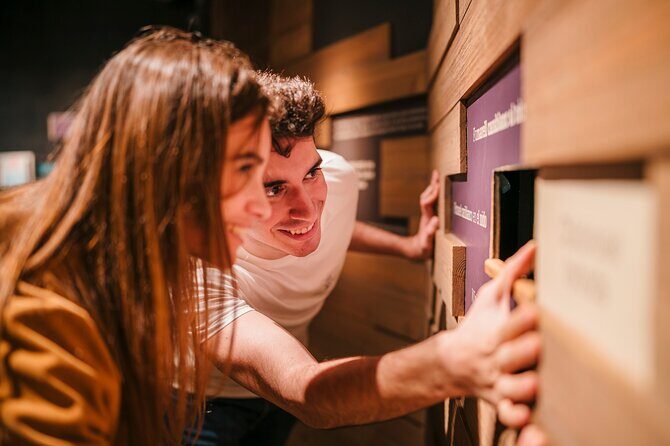
This ticket is simple: it’s your admission to MónNatura Delta de l’Ebre, loaded as a mobile ticket. If you’ve ever arrived at a nature site and then stood in line while birds kept moving (and you kept missing them), you’ll understand why pre-booking feels like a win.
The visit is also set up for manageable groups. With a maximum of 20 travelers, you’re less likely to feel swallowed by crowds, and you can actually ask questions and hear explanations instead of listening through a wall of noise.
Your time on-site is about 1 to 2 hours. That makes it an easy add-on if you’re already in the Tarragona area or exploring around the Ebro Delta, without turning the day into a whole production.
You can also read our reviews of more tours and experiences in Tarragona
What you’re visiting: a Delta museum that’s outdoors on purpose
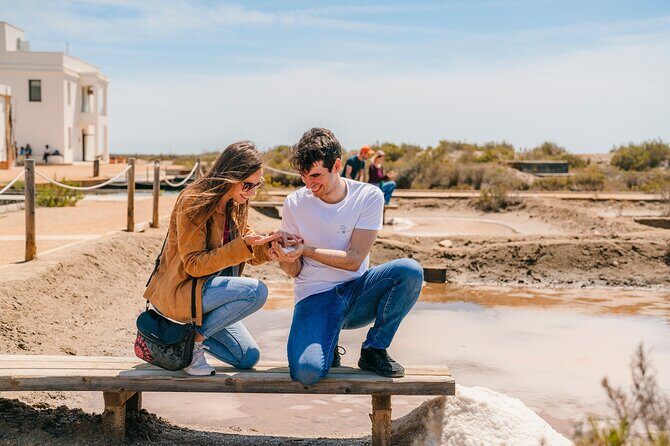
MónNatura Delta de l’Ebre is an open-air way to understand how the Ebro Delta works—especially the link between salt, birds, and traditional fishing. The project opened in 2012, and the site is anchored in the wetlands of the Tancada lagoon, one of western Europe’s key wetland areas.
What makes this different from a typical museum is that the “exhibits” are the environment itself. You move through areas shaped by salt water and fresh water, and you’re encouraged to look for wildlife in the exact places where it makes sense.
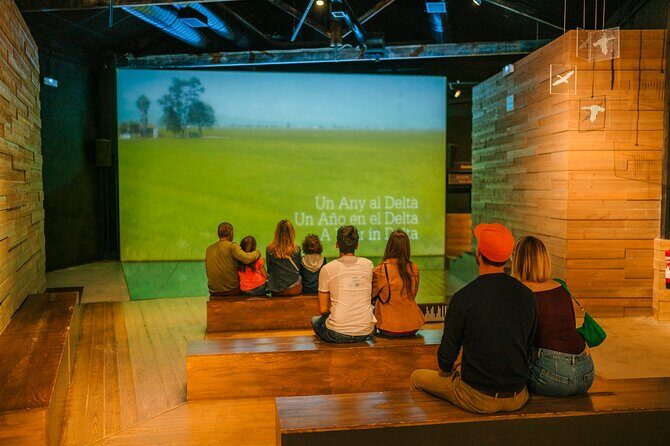
Also, the storytelling isn’t all outdoor. There’s an audiovisual presentation that helps you connect what you’re seeing with how the Delta formed over centuries and how seasons change what shows up.
Alfacada lagoon birdwatching: telescopes and a partially enclosed observatory
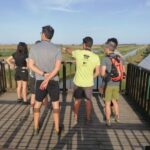
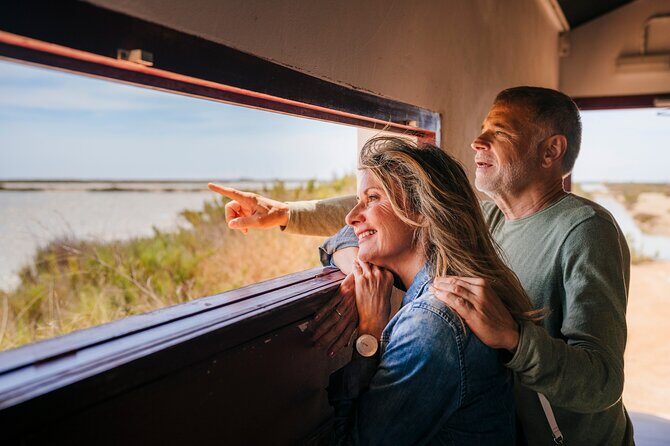
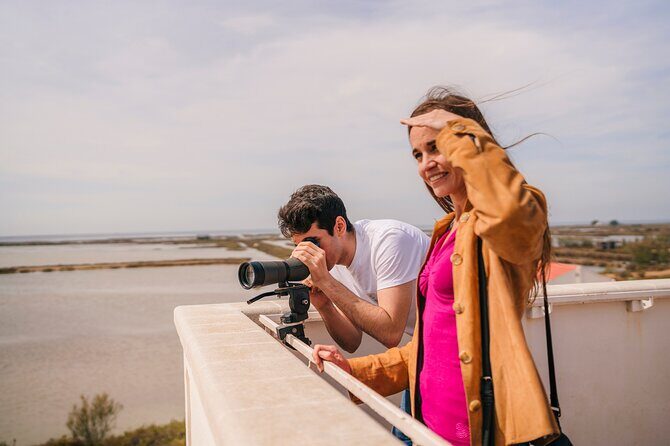
If your goal is bird spotting, this is where the ticket earns its keep. You’ll spend time watching the Alfacada lagoon from a partially enclosed bird observatory, which is a smart setup for clear sightlines.
The best part: telescopes are at your disposal. Without them, you can still see birds, but with them you’ll spot details—body shape, posture, and the way different species feed in shallow water—that turn random silhouettes into actual birds you can name and understand.
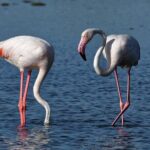
The bird list to keep an eye out for includes flamingos, terns, waders, and herons. You’re also likely to notice smaller movements and behavior that you’d otherwise miss. This is the kind of experience where you stop thinking of wildlife as scenery and start reading it like a living chart.
If you’re going with kids, this section tends to land well. The facilities are designed to make observation feel doable, not overwhelming, and there’s enough structure that even a short attention span can latch onto something interesting.
Salt-pan recreation and the Delta’s seasons: what the audiovisual adds
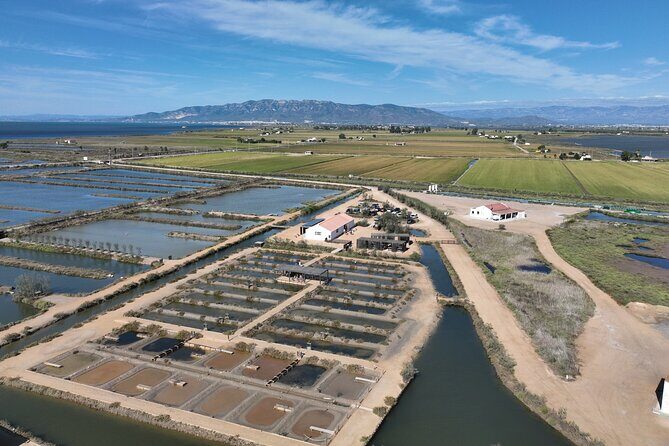
Next, you get the “why” behind what you’re seeing. There’s a full-scale recreation of one of the Delta’s salt pans, open to the public, which helps explain how salt production shaped the area.
You’ll also learn how the Delta formed over time, and how it changes through a typical year. The audiovisual presentation is useful here because it gives you context while you’re still standing in the wetland system. Instead of just moving from view to view, you start connecting seasons, water conditions, and bird activity.
One practical plus: there’s indoor time with air-conditioned comfort mentioned by visitors. On a hot day, that break can keep the experience from turning into a sweat test.
If you like nature sites that teach you what you’re looking at (not just that something exists), this part is worth your attention even if you’re not a hardcore science person.
Traditional fishing techniques and punts: wildlife with local context
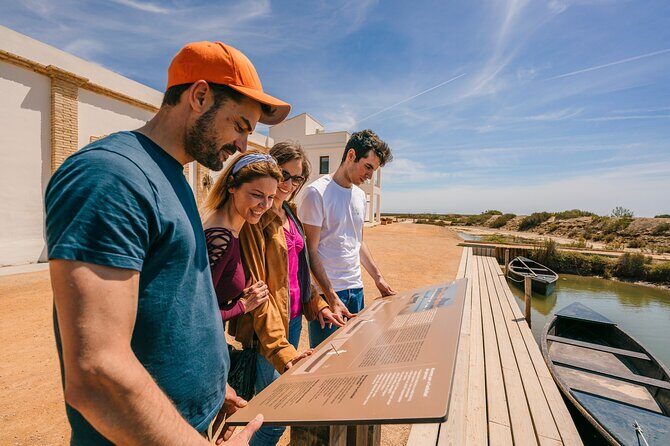
Around the landing stage, you’ll see examples of traditional Delta fishing techniques. This matters because the Delta isn’t only a habitat; it’s also a working landscape where people historically depended on it for food.
You can look for techniques like casting nets, dredging nets, and eel and shrimp nets. You’ll also see how these methods relate to the water’s rhythms, the shallow zones where creatures feed, and the seasonal patterns that affect both fish and birds.
Then there’s the water side of the experience. You can go aboard punts, the traditional transport used in shallow water. In a place like this, it’s one thing to look at wetlands from shore and another to understand how the waterway feels when you’re closer to it.
A small heads-up: punts can change how the experience feels depending on weather and water conditions. If you’re sensitive to discomfort on water, keep it in mind and aim to take your time getting oriented first.
Old Sant Antoni salt pans: saline plants and bird-spotting goals
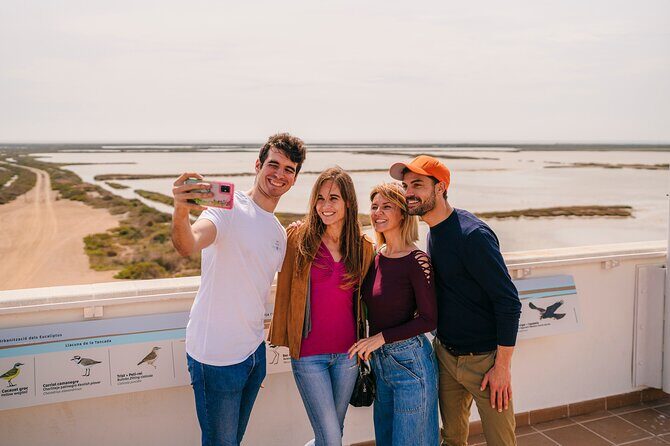
As you move toward the old Sant Antoni salt pans, the viewing focus shifts to a different kind of habitat. You’ll have a chance to look for birds such as waders, terns, avocets, and gulls, and you’ll also notice the saline vegetation that has evolved to handle salty conditions.
This is one of those areas where your “spotting strategy” improves as you go. Early on, you might just look for big shapes. Later, you start noticing feeding patterns and how birds use the edges of the salt pans and shallow wet areas.
If you’re the type who loves checking off bird “targets,” this stop gives you clear ones. If you’re not, it still works because the environment itself is the lesson: plants that tolerate salt, water that changes, and wildlife that follows the food.
Price and value: why about $12 feels fair for 1–2 hours
At $12.05 per person, you’re paying for admission to MónNatura Delta de l’Ebre. What makes it feel like good value is what’s included in that ticket experience: entry to the site itself, access to the observation areas, and the tools for viewing wildlife such as telescopes in the designated spots.
You’re also getting a structured flow: wetlands viewing, salt-pan recreation, audiovisual context, and bird observatory time. For a visit measured in 1 to 2 hours, that structure is what keeps the ticket from feeling like “just walk around.”
One more quiet value point: the site is small enough to fit into a normal sightseeing day, but focused enough that you’re not paying to wander without purpose. For $12, that balance is exactly what you want.
Opening hours, seasonal timing, and what to bring
Your best visit time depends on the dates. The site runs on different schedules:
- Feb 14 to Apr 11: Wednesday to Friday, 10:00 AM to 2:00 PM
- Apr 12 to Apr 21: Tuesday, 10:00 AM to 8:00 PM
Because of those variations, I’d plan around the season you’re traveling—not around a generic “open all day” assumption.
As for what to bring, don’t overthink it, but do pack smart:
- Sunscreen (the birding areas are outdoors)
- Mosquito protection (mentioned as a practical tip)
- Water, especially in warmer months
- A hat or sunglasses if you like comfortable viewing through telescopes
Food and drinks aren’t included in the ticket. If you want a treat, visitors have mentioned enjoying passion fruit ice cream on-site, which is the kind of small comfort that makes a hot day easier.
Who should book this entrance ticket (and who might skip it)
This is a strong fit for:
- Birdwatchers or nature lovers who want an experience built around observation
- Families with kids who like structured learning and clean, well kept facilities
- Travelers who want a short, high-impact stop instead of a full-day commitment
It’s also ideal if you care about wildlife but don’t want to guess where to look. The viewing areas and telescopes help you focus instead of wandering.
You might consider skipping if:
- You dislike outdoor walks in warm or buggy weather and don’t want to manage that
- You’re expecting a long guided tour with many extra stops beyond what the site provides with admission
Should you book MónNatura Delta de l’Ebre skip-the-line ticket?
Yes, if you want a well-organized wildlife visit that stays practical. Pre-booking is the smart move here because it saves you time at the ticket counter and lets you start watching right away.
I’d book this ticket especially if you’re excited about seeing birds like flamingos, terns, and waders using telescopes from designated areas. And if you’re traveling with kids, this tends to work because it’s structured, clean, and built for easy understanding.
Book it when you can, then plan your gear for sun and mosquitoes. With a short 1–2 hour timeframe, it’s one of those tickets that turns a simple stop into a memorable Delta moment.
FAQ
How long does the MónNatura Delta de l’Ebre entrance ticket visit take?
It’s approximately 1 to 2 hours.
Is this ticket a mobile ticket?
Yes. The ticket is provided as a mobile ticket.
What’s included with the entrance ticket?
The entrance ticket includes admission to MónNatura Delta de l’Ebre.
What are the opening hours?
During Feb 14 to Apr 11, 2026, it runs Wednesday to Friday from 10:00 AM to 2:00 PM. From Apr 12 to Apr 21, 2026, it runs Tuesday from 10:00 AM to 8:00 PM.
Do kids need to be accompanied by an adult?
Yes. Children must be accompanied by an adult.
Are food and drinks included?
No. Food and drinks aren’t included.
Can I cancel for a full refund?
Yes, you can cancel for free. You must cancel at least 24 hours before the experience’s start time for a full refund.
###