REVIEW · TARRAGONA
Small-Group Natural and Organic Wine Tasting near Sitges
Book on Viator →Operated by La Espontánea · Bookable on Viator
Natural wine made sense fast. This 2-hour session near Sitges is a no-stress way to understand what people mean by natural and organic wine, then taste several styles back-to-back. I love that it’s a true small-group format, so you get real conversation with the host. I also love the simple tasting order, sparkling to white to orange to red, so you can build a mental map instead of guessing.
One consideration: your exact bottles can vary by availability, so you won’t always taste the exact label you hoped for. Also, this is meant to feel informal, so if you’re looking for a super formal, lecture-style tasting, this one may feel too casual.
In This Review
- Key points at a glance
- Natural and organic wine in one easy 2-hour session
- Getting to La Espontánea near Sitges (and why the timing works)
- The tasting flow: sparkling, white, orange, then red
- What you’ll actually learn about natural and organic wine
- Snacks and conversation that keep it relaxed
- How much value $46.30 gets you (and what you should get out of it)
- Bottle-buying and wine-bar tips for Sitges and Barcelona
- Who should book this tasting (and who might pass)
- Should you book this natural wine tasting near Sitges?
- FAQ
- How long is the wine tasting?
- Where do I meet, and how do I get there?
- What kinds of wines will I taste?
- Is this a small group?
- Will there be snacks?
- Can I buy bottles at the end?
- What’s the cancellation window?
Key points at a glance
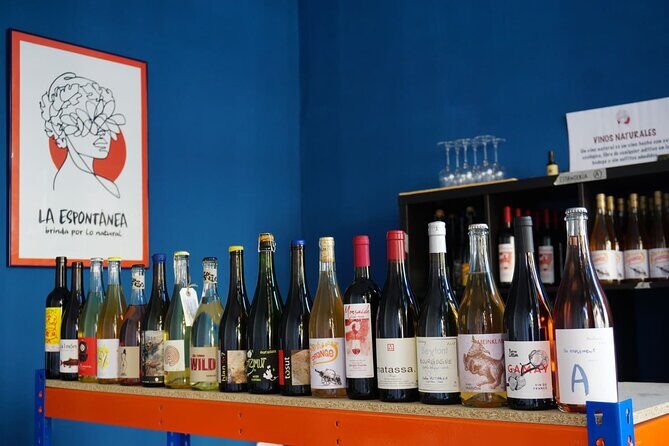
- Four distinct styles in sequence: sparkling, white, orange, then red, with snack breaks built in
- Small group capped at 12 for more attention from the host, Michele
- Learn the basics of natural/organic wine while you taste, not after
- Local pairing snacks (dried fruits and chips) to keep the tasting approachable
- Bottle-buying and wine-bar recommendations for Sitges and Barcelona at the end
Natural and organic wine in one easy 2-hour session
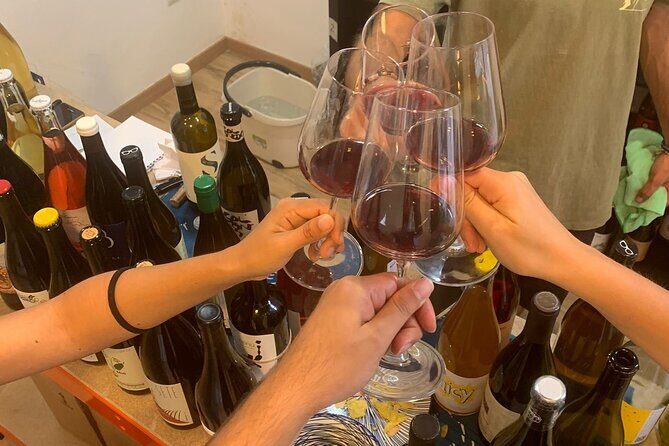
This tasting is built for curiosity. You’re not asked to know wine jargon before you arrive. Instead, you start with the big idea: how wine is made matters, and choosing wine with a more sustainable approach can change how you shop, drink, and talk about what’s in the glass.
What makes the experience practical is the pace. In about two hours, you’ll sample four glasses in a set progression. That means you’ll learn by comparison: what changes between sparkling, white, orange, and red, and how producers shape flavor through their approach (including what makes a wine natural and/or organic). It’s a fast education, without the pressure.
And you’ll do it in a real wine-bar setting near Sitges, not in some sterile classroom vibe. The goal is simple: you leave with a better eye for what to seek out next, plus a couple of bottles if you want them.
You can also read our reviews of more food & drink experiences in Tarragona

Getting to La Espontánea near Sitges (and why the timing works)
You meet at Carrer Olivella, 12, 08810 Sant Pere de Ribes. From there, the host leads you to the tasting location at La Espontánea. The start is scheduled for 6:00 PM to 8:00 PM, Monday through Sunday, so it fits nicely into an evening out.
This timing is useful because it doesn’t steal your whole day. You’re not planning around a long transfer or a multi-hour excursion. If you’re staying around Sitges or nearby towns, you can often make an evening of it afterward: grab dinner, then come back to the wine-bar mindset with a better understanding of what you like.
A couple of practical notes that matter for real trips:
- You’ll have a mobile ticket, so you can keep things simple on your phone.
- It’s near public transportation, which is a big deal if you’re pairing wine with dinner plans.
- The group size is capped at 12, so it stays personal rather than crowded.
The tasting flow: sparkling, white, orange, then red
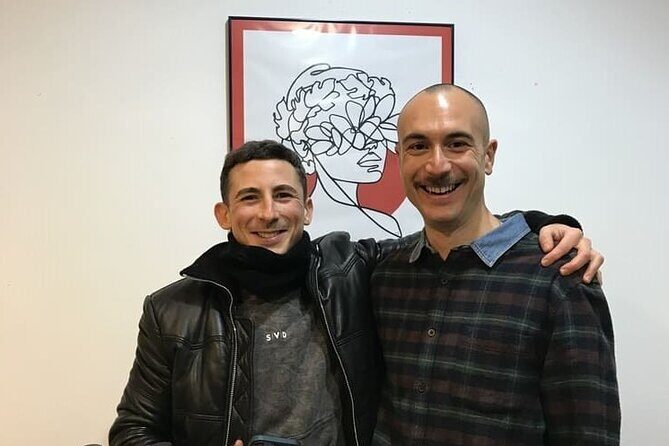
The structure is clear. You’ll be served four glasses, in a set order: sparkling, then white, then orange, and finally red. Each pour comes with a short introduction of the producer, the region, and how the wine was made.
That order is more helpful than it sounds. It trains your palate to notice contrast:
- Sparkling often shows brightness and texture shifts.
- White wines give you a baseline for aroma and acidity.
- Orange wine is a swing in style that helps you understand what happens when wine moves away from the typical white-grape playbook.
- Red finishes the sequence with the most body and depth, where the producer’s choices can feel most obvious.
One thing to be ready for: your specific bottles come from Spain and other countries depending on availability. So you get variety, but not total control over labels. If you’re the type who wants predictability, that’s worth knowing. If you’re more about learning and taste exploration, it’s part of the fun.
As the tasting moves through the four styles, the host is also encouraging you to connect flavor to choices. Even if you don’t remember every producer name, you’ll start to recognize patterns like what tends to feel light versus textured, or what comes across as fruit-forward versus more earthy.
What you’ll actually learn about natural and organic wine
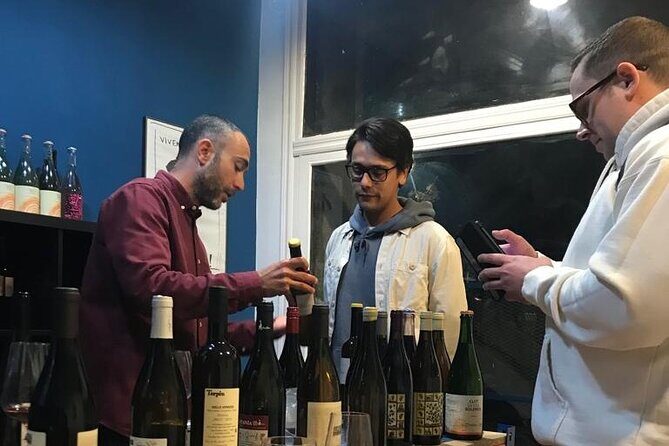
This session is built around a conversation about natural wine and better drinking. Before you taste, the host starts with an explanation of what natural and/or organic wine means and why it’s important to understand how wine is made.
The focus isn’t on being dramatic. It’s on making wine feel less mysterious. You’ll talk about how production choices affect what’s in the bottle and why that matters to your everyday drinking decisions.
As you go, Michele also helps you understand the wines you’re tasting. He’ll give you brief producer and regional context, plus the basics of how the wine was made. That matters because natural and organic aren’t just labels you scan. You want to be able to pick bottles more confidently, and you want your own taste preferences to connect to real-world production approaches.
A key part of the experience is that it doesn’t try to force one definition to fit every glass. You’re tasting multiple styles, so you learn to think with your senses first, then let the explanations attach to what you already noticed.
Snacks and conversation that keep it relaxed
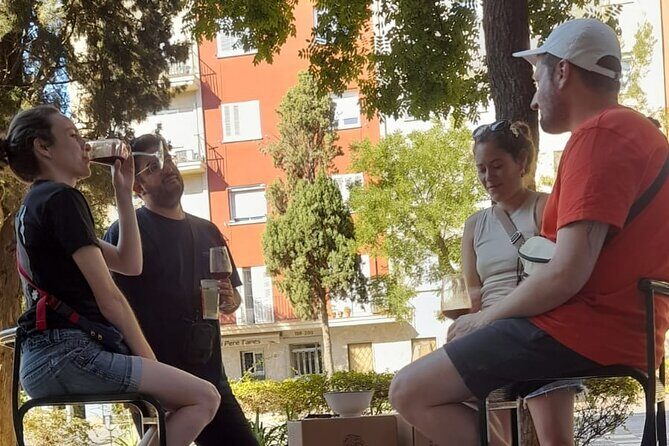
Let’s be honest: wine education can get stiff. This one doesn’t. Between pours, you’ll have snack breaks with dried fruits and chips. The snacks aren’t an afterthought. They help you reset your palate and keep you comfortable while you compare multiple wines.
And the conversation is a big part of why this works. You’ll be asked what you like most and why. That question is smart because it shifts you from passive tasting to active noticing. When you explain what you like—more freshness, more texture, more funk or more fruit—you start building a personal tasting vocabulary.
Michele’s tone is casual and friendly, with a lot of knowledge on natural wine. You’re not being interrogated. You can ask questions as they come up, whether that’s about how to pronounce a producer name, how orange wine differs from white wine, or what people generally mean when they say the wine is made in a more sustainable way.
That informal vibe shows up in the way the group flows. With only up to 12 people, it doesn’t feel like you’re waiting your turn behind a crowd. You get enough attention to make your questions worth asking.
You can also read our reviews of more wine tours in Tarragona
How much value $46.30 gets you (and what you should get out of it)
At $46.30 per person for about two hours, you’re paying for more than just four drinks. You’re paying for guided comparison, snack support, and a small-group host who can respond to your questions.
Here’s why that’s value:
- Four glasses is a real tasting format, not a single “try one thing” experience.
- The tasting spans sparkling, white, orange, and red, so you learn across styles.
- The host includes producer and region context plus how the wine was made.
- The snack pairing keeps it casual and helps you actually enjoy the tasting instead of rushing through it.
If you’re new to natural and organic wine, this is a strong way to get your bearings fast. You’ll likely leave with a clearer sense of what you want to buy next—and which type of wine you want to avoid for now.
If you already drink natural wines, you can still benefit. You get new bottles from Spain and beyond (based on availability), plus fresh explanations that help you refine your palate. Either way, your money isn’t just going to alcohol. It’s going to taste education and better decision-making.
One more value point: at the end, you can purchase bottles to take away if you wish. That turns the tasting into a shopping shortcut. If one wine really hits for you, you won’t have to go home and start from zero.
Bottle-buying and wine-bar tips for Sitges and Barcelona
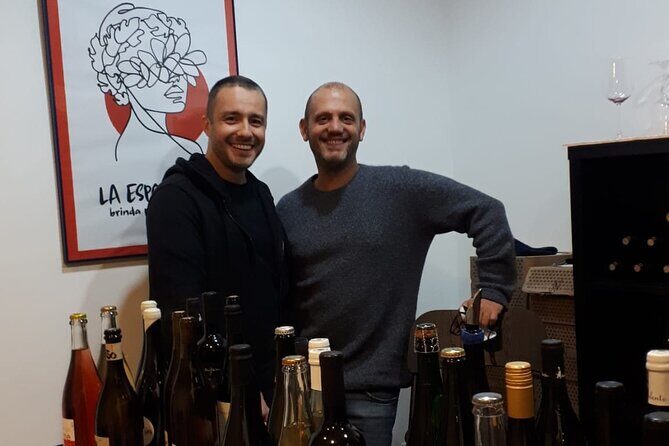
At the end of the tasting, you’ll have the option to buy some bottles to take away. That’s a handy extra because natural wine fans often end up playing a guessing game when they travel: will the bottle shop have what you like, and will the wine bar actually pour the real thing?
Michele also shares recommendations for wine bars and restaurants in Sitges and Barcelona that have natural wine on their menu. The point isn’t a big list. It’s a short set of ideas tailored to what you liked during the tasting—so you can continue the theme of the evening.
If you’re planning an itinerary around wine, this part helps you connect dots. Instead of random nightlife choices, you’re going toward places where the wine lineup matches your new preferences.
Who should book this tasting (and who might pass)
This experience is a great fit if you:
- Want to try natural and organic wine without getting overwhelmed
- Like relaxed, friendly teaching rather than rigid wine formality
- Prefer small-group attention and real Q&A
- Want to taste multiple styles quickly: sparkling, white, orange, red
- Enjoy the idea of leaving with bottles and practical local recommendations
You might want to choose something else if:
- You need a very formal, high-structure wine course
- You’re extremely label-specific and don’t want any variation due to availability
- You dislike orange wine style shifts, since the tasting sequence includes it
For most people who want an authentic local evening near Sitges, this hits the sweet spot: approachable education, good pacing, and a host who makes it feel easy to ask questions.
Should you book this natural wine tasting near Sitges?
Yes, if you want a friendly, small-group introduction to natural and organic wine that actually helps you decide what to drink next. The format is simple and effective: four glasses in a set order, snack breaks, and a conversation focused on what you like and why.
If you’re the type who enjoys learning through taste—sparkling to red, with orange in the middle—this is a smart use of an evening. And if you’re already curious about natural wine, the bottle-buying option and the Sitges/Barcelona bar recommendations make it feel like more than just a one-time event.
FAQ
How long is the wine tasting?
It lasts about 2 hours.
Where do I meet, and how do I get there?
You meet at Carrer Olivella, 12, 08810 Sant Pere de Ribes, Barcelona, Spain. The meeting point is near public transportation.
What kinds of wines will I taste?
You’ll taste four glasses in this order: sparkling, white, orange, and red. The wines come from Spain and other countries depending on availability.
Is this a small group?
Yes. The experience has a maximum of 12 travelers.
Will there be snacks?
Yes. You’ll have snacks between wines, including dried fruits and chips.
Can I buy bottles at the end?
Yes. After the tasting, you can buy bottles to take away if you’d like.
What’s the cancellation window?
You can cancel for a full refund up to 24 hours before the experience’s start time. If you cancel within 24 hours, the amount paid isn’t refunded.