REVIEW · BARCELONA
Sweet Barcelona Tour
Book on Viator →Operated by Oh my guide! · Bookable on Viator
Sweet tooth, meet Barcelona. This guided sweets tour turns La Rambla and the Old Town into a tasting walk, mixing candy shops, pastry legends, and market stops in about two hours. You’ll follow the chocolate trail while learning why certain treats became Barcelona traditions.
I especially like the way the stops connect to real places and real stories, from Cacaolat’s origins to Christmas turrón and old-school candy methods. I also like that the vibe is kid-friendly and interactive, with guides such as Dolors, Oliver, or Cristina who know how to keep attention during a sweet-heavy route.
One drawback to consider: it’s built around desserts and sugar, so if you’re not into chocolate, nougat, pastries, or candy, you may feel a bit overloaded before the end. The walking is short but steady, with lots of brief shop moments rather than long sit-down breaks.
In This Review
- Key Things You’ll Notice on This Sweet Barcelona Tour
- Why This Barcelona Sweets Tour Works on a Short Schedule
- Meeting at La Rambla: The Pace and What the Tour Feels Like
- Cacaolat, Chocolate-Cake Prizes, and the Pastry Makers Behind the Fame
- Markets and Squares: Boqueria, Plaça del Pi, and Cathedral Views
- Carrer Petritxol: Where Chocolate and Churros/Melindros Traditions Hang Out
- Churches Built by People—and the Candy Shops That Share the Same City
- Nuts, Croissants, and the Old-Oven Stop You’ll Remember
- The Sweet Side Streets You Might Miss on Your Own
- Price and Value: What $248.72 Buys in Two Hours
- Who This Tour Suits Best (and Who Might Skip It)
- Practical Tips to Get the Most Out of Your Sweet Barcelona Day
- Should You Book the Sweet Barcelona Tour?
- FAQ
- How long is the Sweet Barcelona Tour?
- Where do I meet the tour guide?
- Where does the tour end?
- What’s included in the price?
- Is this a private tour?
- What kind of ticket does it use?
Key Things You’ll Notice on This Sweet Barcelona Tour
- Cacaolat origin stop at Granja M. Viader, tied to the traditional chocolate drink created in the 1930s
- Chocolate-and-churros roots in Carrer Petritxol, where the classic pairing traces back to old cafés
- Christmas turrón tasting at a stop known for the seasonal Spanish nougat tradition
- Old-town landmarks outside, including Roman walls and major Gothic church squares
- Iconic pastry final stop at Brunells, with a famous artisan butter croissant and a centenary oven
Why This Barcelona Sweets Tour Works on a Short Schedule
Two hours in Barcelona can evaporate fast. This tour solves that problem by packing a lot of food culture into a tight walk across the center, mostly around La Rambla and nearby historic squares.
You’re not just buying sweets and moving on. You’re tasting at recognizable classic shops and learning what makes each one distinct, which turns the whole walk into something more like a guided snack map than a random food crawl.
You can also read our reviews of more tours and experiences in Barcelona.
Meeting at La Rambla: The Pace and What the Tour Feels Like
You start at Font de Canaletes on La Rambla (La Rambla, 133). It’s a central, easy-to-find spot in Ciutat Vella, and that matters because it keeps the morning or midday start from feeling stressful.
The route is designed for quick stops: you’ll spend around 5 to 20 minutes per place, then move to the next. That pacing is great for families and first-timers because you get variety without committing to one long food stop.
Cacaolat, Chocolate-Cake Prizes, and the Pastry Makers Behind the Fame
Your first sweet lesson comes at Granja M. Viader. This traditional cheese and milk shop goes back to 1870, and it’s tied to the creation of Cacaolat, the classic chocolate drink that appeared in the 1930s. You’ll get to taste the drink there, which is a fun way to start with something that feels both everyday and historic.
Next, you’ll hit a pastry highlight for people who care about names as much as flavor: Escriba Rambla, connected to chef Christian Escribà. This is where famous cakes were made for major occasions, including an event tied to U2 in Barcelona and the Oscar-winning film All about my mother. Even if you just want the taste, that kind of spotlight helps you understand why the shop has a reputation beyond being near La Rambla.
Chocolate continues at Bubó Barcelona, known for a chocolate cake prize in 2005. If you’re the kind of person who always orders the chocolate option, this is the moment that turns the tour from sweet sightseeing into a full-on chocolate celebration.
Then comes the classic café stop: Cafès El Magnífico. This is described as the first coffee store in the city, and it gives you a nice break from pure sugar overload. Pairing coffee culture with dessert culture is a very Barcelona move, and it also helps reset your taste buds for the later tastings.
Markets and Squares: Boqueria, Plaça del Pi, and Cathedral Views
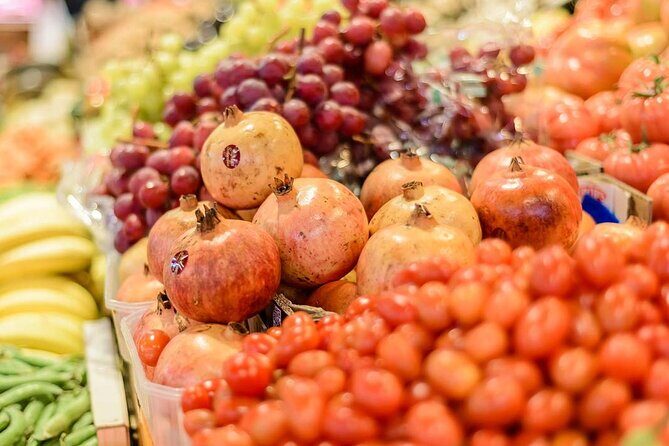
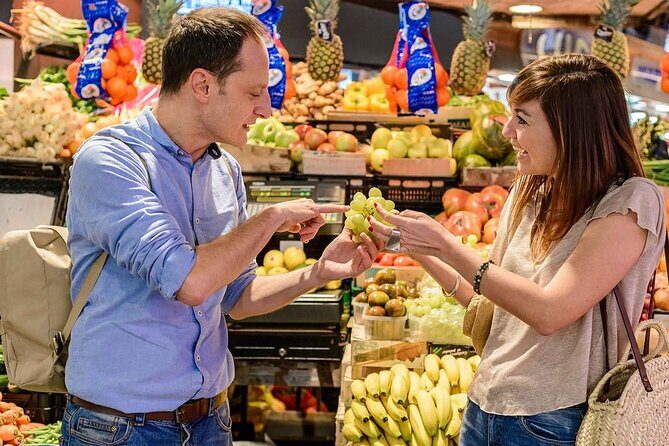
A tour with sweets should also show where people eat and shop in real life. The walk includes Mercat de la Boqueria, which sits in the space of a former old convent of St Joseph and has been a market since 1840. You’ll spend time looking at fruit and sweet sections, which helps you connect the desserts you taste later to the food ecosystem they come from.
You’ll also get a square-and-church moment at Plaza del Pi, where there’s a traditional outdoor food market tied to festivities. You’re seeing how local life and food culture spill out into the streets, not just into shop windows.
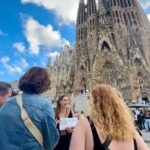
Another big visual stop is Barcelona Cathedral from the cathedral square, plus the nearby Roman walls. You’ll learn about the Roman gate and walls and see the front of the cathedral area. This is not a deep museum tour, but it adds context: Barcelona didn’t invent candy in a vacuum. The city has layers, and the tour uses those layers to make the sweets feel more connected to place.
Carrer Petritxol: Where Chocolate and Churros/Melindros Traditions Hang Out
Carrer Petritxol is one of those streets where the food story feels older than the buildings. You’ll pass through old cafés associated with the tradition of chocolate with churros and melindros, and the tour uses that street as a stepping stone into seasonal Spanish sweets.
One tasting here focuses on turrón, a nougat delicacy traditionally eaten during Christmas time. Even if you’re visiting outside the holidays, that matters because you get to taste something that’s deeply tied to Barcelona’s calendar, not just its candy shelf.



Churches Built by People—and the Candy Shops That Share the Same City
At Basílica de Santa Maria del Mar, you’ll be seeing the exterior of a Gothic basilica dating to the 1300s. The guide explains how the church was built with people carrying stones from the hill of Montjuïc down into the downtown area as an act of sacrifice. It’s a striking contrast: hands doing hard physical work, followed by shops doing delicate craftsmanship with sugar and butter.
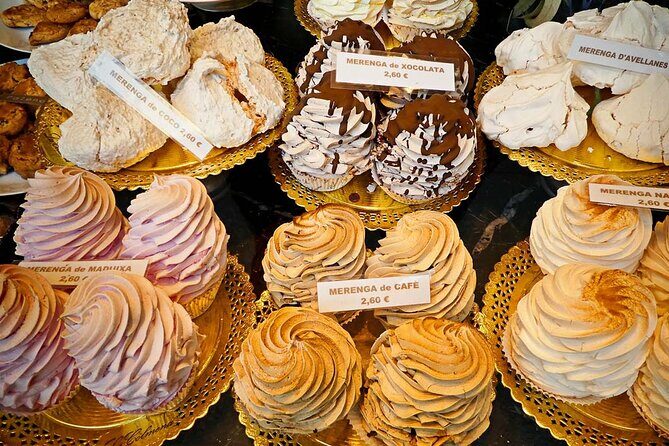
Then the route shifts back to sweets in a very traditional way at La Colmena, an old pâtisserie known for merengues and candies. You’ll taste a candy made using traditional methods, which is a good reminder that not all sweets in Barcelona are trend-driven. Some are about consistency and craft you can taste.
Nuts, Croissants, and the Old-Oven Stop You’ll Remember
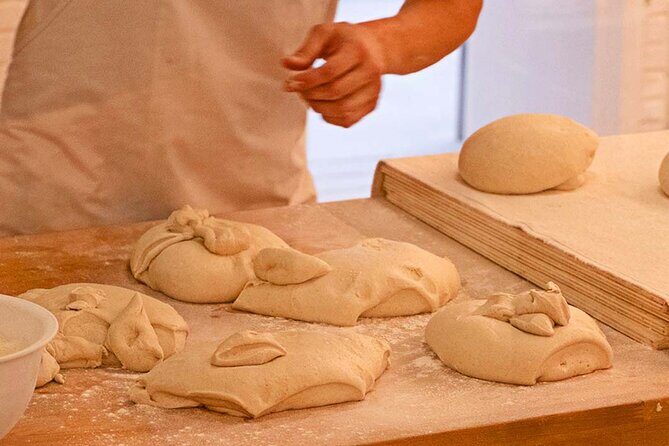
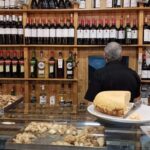
If you want a break from pure chocolate, this tour gives it to you. Casa Gispert is a nuts shop, and it’s tied to having the oldest roasting oven in Europe. You’ll see and learn about that long-roasting tradition, which adds texture and smell to the tour experience.
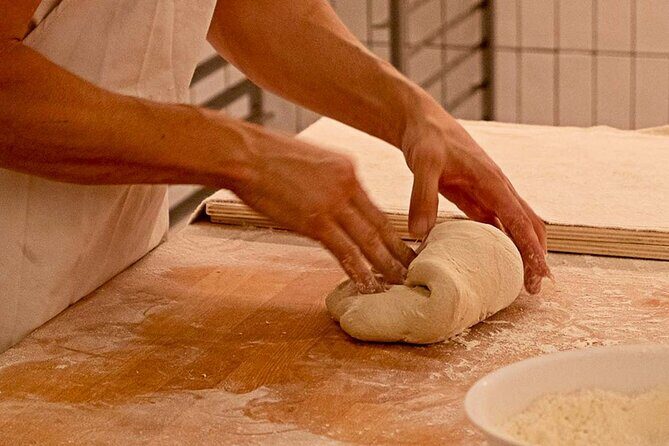
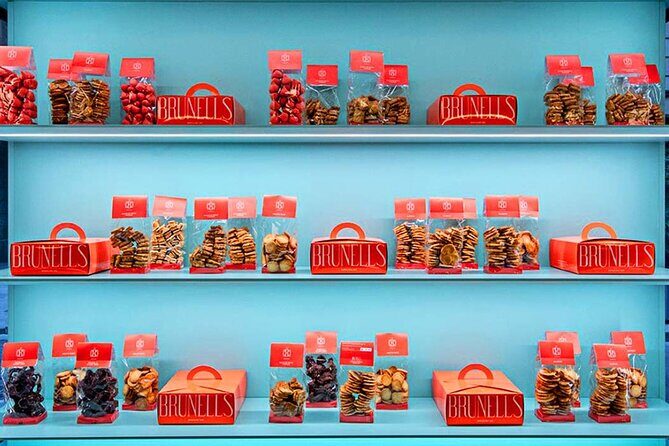
Then you’ll land at Brunells, the last stop and a natural place to close the tasting arc. Brunells is known for an artisan butter croissant that won Best Artisan Butter Croissant in Spain in 2020, and you’ll taste that product. The shop also features a centenary oven, which gives your final bite a satisfying sense of continuity: old equipment, current baking pride.
The Sweet Side Streets You Might Miss on Your Own
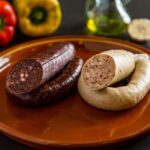
A few stops feel like you’d only find them if someone local or a dedicated guide pointed them out. You’ll visit a Botifarres shop known for a unique sweet and chocolate sausage. It sounds odd if you read it fast, but that’s exactly why it works on this kind of tour: it pushes you to try something you wouldn’t accidentally pick.
You’ll also sample at Plaza del Pi and explore surrounding food areas that lean into traditional market life rather than only tourist counters. This is one reason the tour is so good for families: there are enough sensory changes (fruit stalls, candy makers, coffee culture, nut roasters) to keep kids curious instead of bored.
Price and Value: What $248.72 Buys in Two Hours
At $248.72 per person, this is not the cheapest way to eat your way through Barcelona. But the price makes more sense when you look at what you’re actually getting: a private group experience, a tightly planned route, and multiple tastings across well-known shops rather than just one or two stops.
You also get snacks plus one artisan pastry included, and the rest of the tasting moments are part of the tour format. For a short, high-density city walk, that can feel like good value because you’re paying for both food and guidance—someone else is doing the work of selecting places and timing the route.
If you’re a solo traveler, it might feel pricey unless you know you’ll enjoy structured tastings. If you’re a family or a small group of friends, the private nature usually feels like a better fit.
Who This Tour Suits Best (and Who Might Skip It)
This is a strong fit if you:
- Love sweets and want a guided tasting walk instead of trying to choose everything yourself
- Want a food experience that also shows major Old Town landmarks from the outside
- Travel with kids who do well with short, interactive stops
You might skip it if you don’t want sugar-focused tastings, or if you prefer longer sit-down meals over quick bites and store-hopping.
Practical Tips to Get the Most Out of Your Sweet Barcelona Day
Wear comfortable shoes. You’ll be moving through the center on a schedule where each shop moment is brief.
Come ready for multiple tastes, not just one big dessert. The tour covers chocolate, nougat, candy, coffee, pastry, and nuts, and it’s designed so you can sample without needing a restaurant meal right away.
If you have allergies or dietary limits, it’s smart to ask before booking, since the tour is explicitly built around sweets and classic shop products. You’ll have a better experience if you plan around your needs instead of hoping something will work last minute.
Should You Book the Sweet Barcelona Tour?
I think this tour is an excellent choice if you want a guided sweets tasting that also gives you a quick hit of Old Town culture. It’s built for variety in a short time, and it uses iconic Barcelona food names rather than random pastry counters.
Book it if you’re traveling with kids or if you want an easy way to understand Barcelona’s sweet traditions, from Cacaolat’s story to Christmas turrón to iconic pastry craft. If you’re not a sweets person, or you hate walking from stop to stop, spend your money elsewhere and keep it simple with a normal bakery visit.
FAQ
How long is the Sweet Barcelona Tour?
The tour lasts about 2 hours.
Where do I meet the tour guide?
You meet at Font de Canaletes on La Rambla, 133, Ciutat Vella, Barcelona.
Where does the tour end?
The tour ends at Brunells, Carrer de la Princesa, 22, near Jaume I metro stop and the Picasso Museum.
What’s included in the price?
The tour includes snacks and samples, plus one artisan pastry.
Is this a private tour?
Yes. It’s a private tour/activity, so only your group participates.
What kind of ticket does it use?
You’ll receive a mobile ticket.