REVIEW · BARCELONA
The Spanish Civil War & Franco Barcelona Walking Tour
Book on Viator →Operated by Nostos Tours · Bookable on Viator
Barcelona’s Civil War clues are everywhere.
This Spanish Civil War & Franco walking tour uses the city like a classroom, pointing out spots tied to the conflict and the years that followed. You move through the Old Town with a guide who can explain how different political factions shaped everyday life—and why Barcelona still carries those marks.
I especially love two things. First, the way the tour connects the big story to street-level details, so the history feels real instead of textbook. Second, you get plenty of story material—historic images, working-class context, and clear explanations of the anarcho-syndicalist period and later Franco’s dictatorship.
One consideration: it’s a 2.5-hour walk on mostly urban terrain, and you’ll be dealing with a sensitive subject. Plan for comfortable shoes and, if you’re the type who focuses better with help, pay attention to the optional headset that’s sold by an external provider at the meeting point.
In This Review
- Key things to know before you go
- Price and logistics: is $47.16 worth it?
- Where it starts: Plaça de Catalunya and how the walk feels
- Stop 1: Plaça Catalunya and the Civil War stakes
- Stop 2: La Rambla and war-era traces around the crowds
- Stop 3: Antic Hospital de la Santa Creu (15th century) and the war’s human angle
- Stop 4: Basilica de Santa Maria del Pi and the one place that costs extra
- Stop 5: Placa Sant Felip Neri and the square that holds both beauty and damage
- The guide factor: what makes this tour different in real life
- What you’ll learn about Barcelona’s identity (and why it matters today)
- How to prepare: shoes, headphones, and staying sharp
- Who should book this tour?
- Should you book the Spanish Civil War & Franco Barcelona Walking Tour?
- FAQ
- How long is the Spanish Civil War & Franco Barcelona Walking Tour?
- What does the tour cost?
- Is the tour offered in English?
- Are any admission tickets included?
- Do I need to pay for a headset?
- Where do I meet for the tour?
- Is there free cancellation?
- Is it limited to a certain group size?
Key things to know before you go
- Old Town, not museums: You’ll read Barcelona’s streets like evidence, not just visit set-piece monuments.
- Factions and cause-and-effect: Expect clarity on how Republican groups and other players fit into the timeline.
- Working-class Barcelona: The tour puts real weight on the city’s social history, including anarcho-syndicalist threads.
- Guides who answer hard questions: Q&A is part of the experience, and multiple guides are listed as strong communicators.
- Fast stops, tight route: Short visits add up to a focused 2.5 hours rather than long sightseeing breaks.
- Good weather matters: It runs in good conditions, so build some flexibility into your day.
Price and logistics: is $47.16 worth it?
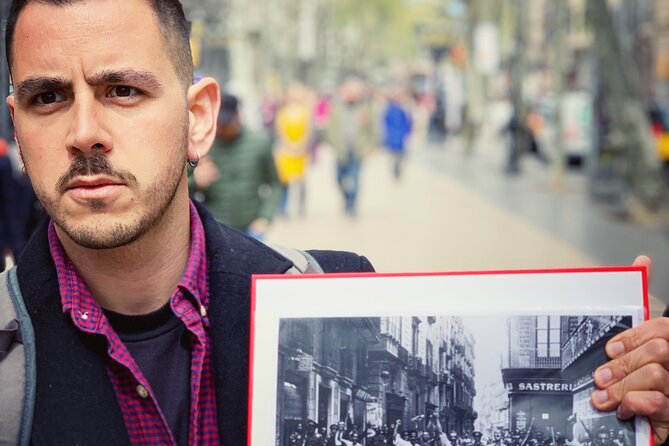
At about $47.16 per person for roughly 2 hours 30 minutes, you’re paying for two things at once: a guide who can handle a complicated, sensitive topic, and a route that teaches you how to spot Civil War traces in a city that doesn’t always label every clue.
Compared with a generic “highlights of Barcelona” walk, the value here is the interpretation. The stops are short, but the explanations are the point—how political groups operated, what the city’s working class was dealing with, and how Franco’s dictatorship changed life after the fighting.
A few practical notes so you can plan without stress:
- Group size tops out at 25 travelers, so you’re not lost in a crowd of strangers.
- The tour is in English.
- You get a mobile ticket.
- There’s an extra item worth knowing about: a 1€pp radio headset is paid at the meeting point to an external provider. If you tend to lose audio in street noise, grab one.
You can also read our reviews of more tours and experiences in Barcelona.

Where it starts: Plaça de Catalunya and how the walk feels
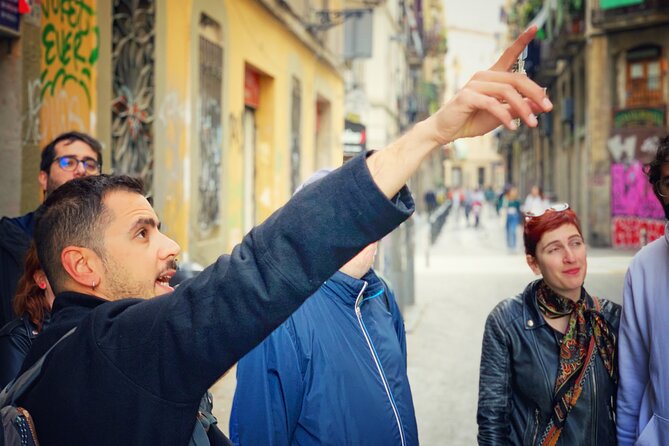
The tour starts at Foot Locker, Plaça de Catalunya 20 (Ciutat Vella). That’s a solid anchor point. You’ll likely arrive via public transit and then meet in a well-known plaza area—good for keeping your day organized.
The route ends in a different location (so you won’t finish exactly where you began). Since the end point isn’t listed here, I’d treat this like a “mid-to-late morning or afternoon Old Town education walk.” Plan your next stop with a little extra time buffer so you don’t feel rushed.
How intense is it? The timing suggests you’ll be walking steadily through the central core. One thing I’d take from the tour format: even when the stops are only 5–15 minutes, the content is the main meal. Bring the kind of patience you’d use for a great museum guide—just with more stairs, sidewalks, and street noise.
And yes, it needs good weather. If rain hits, the operator offers a different date or a full refund.
Stop 1: Plaça Catalunya and the Civil War stakes
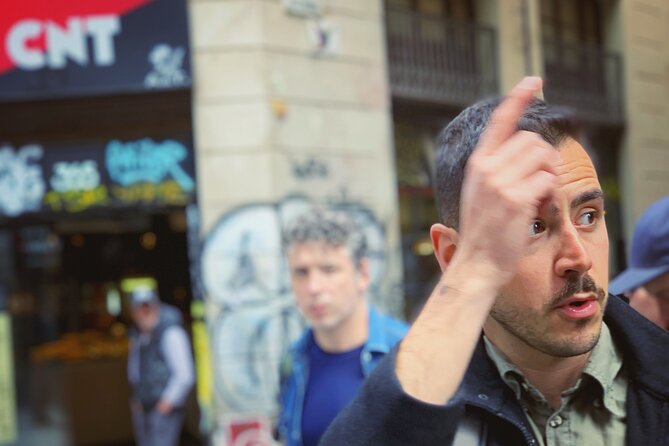
You begin at Placa Catalunya, about 10 minutes, with admission ticket free. This isn’t a “look at the monument” stop. It’s more about understanding the city’s central energy during a time of fracture—why certain places mattered, and how the war’s stress landed in Barcelona’s public spaces.
What makes this stop useful is that it sets your mental map early. If you’ve only seen Barcelona through the lens of Gaudí and modern Catalonia, this gives you a second set of coordinates: the political and social pressure behind the scenery.
Stop 2: La Rambla and war-era traces around the crowds
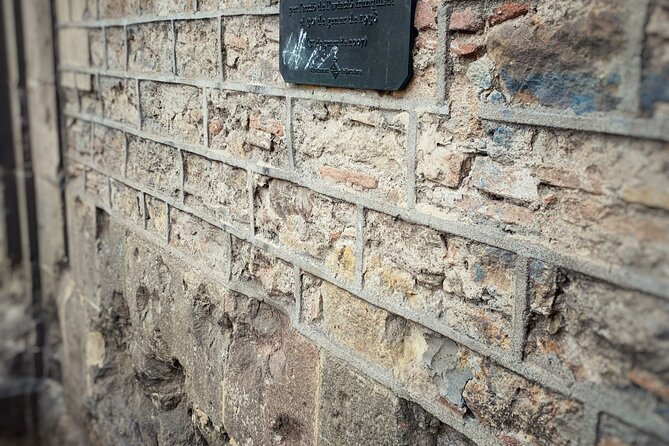
Next up is La Rambla, another 10 minutes, and admission is free. This is a smart choice for a tour like this. The street is crowded and visual by nature, which means your guide’s job is harder: helping you focus on specific historical connections while life keeps happening around you.
Because the Civil War didn’t always leave big, obvious markers everywhere, you’ll likely rely on your guide’s pointing and explanations more than on plaques you can easily spot on your own. La Rambla works as a spine for the walk—then the narrative steers you into the side streets and nearby structures that carry meaning.
If you’re someone who learns best through questions, this is the kind of moment where you can ask for clarity. The tour is built for that: ask how one group acted, how another responded, and what that looked like on the ground.
Stop 3: Antic Hospital de la Santa Creu (15th century) and the war’s human angle
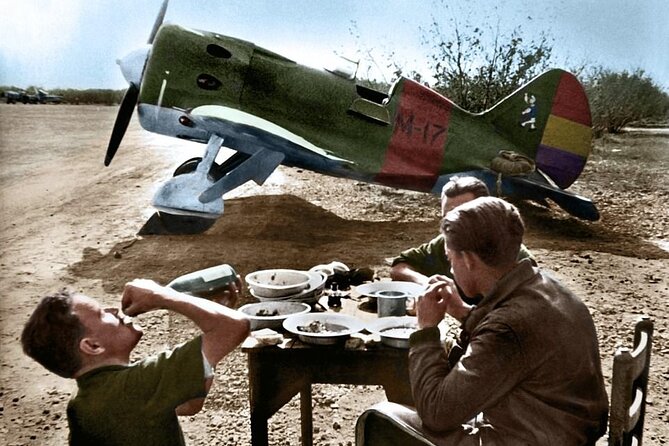
The tour pauses at Antic Hospital de la Santa Creu, about 5 minutes, and admission is free. This stop stands out because the setting is much older than the Civil War. That contrast matters: even in a place built centuries earlier, the Civil War era and its aftermath can become visible through stories, context, and how events ripple through institutions.
I like stops like this for a reason you can feel immediately: it shifts the focus away from just politics and toward people. Your guide can connect healthcare, survival, and civic life to the conflict—so you’re not only tracking factions, you’re understanding impact.




Stop 4: Basilica de Santa Maria del Pi and the one place that costs extra
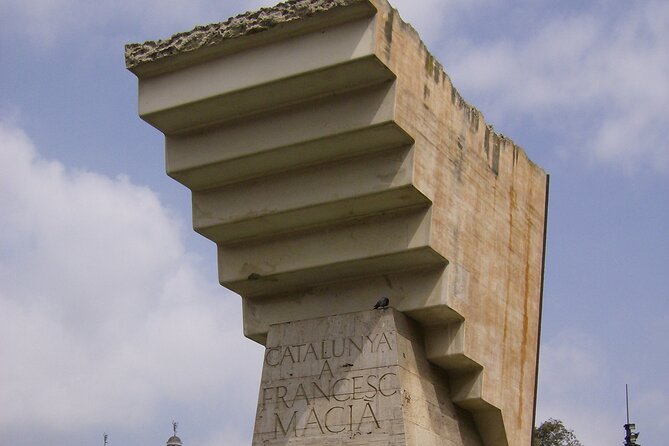
Then comes Basilica de Santa Maria del Pi, about 5 minutes. Here’s the practical catch: admission is not included.
This is one of those “small stop, important detail” moments. If you’re trying to keep costs predictable, remember that one church visit requires an extra ticket step. It’s short, but churches are often where the layers show up—art, architecture, and the way a place has carried meaning across generations.
Even if you’re not religious, this stop tends to work because it’s part of the tour’s method: using Barcelona’s landmarks to discuss how the Civil War era touched daily life and the city’s identity.
Stop 5: Placa Sant Felip Neri and the square that holds both beauty and damage
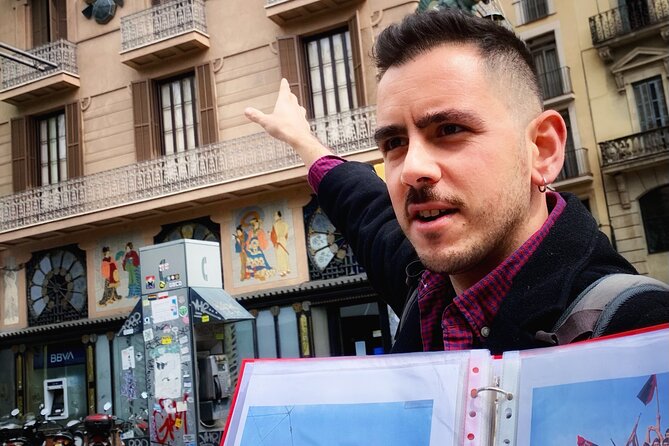
The final stop is Placa Sant Felip Neri, about 5 minutes, with admission free. This is described as mystically beautiful, but also one of the more visceral reminders of destruction from the Civil War.
That pairing is exactly why this stop lands. Barcelona can look effortless from a postcard angle. Here, you’re nudged to see how the city’s aesthetic didn’t erase trauma. It’s the kind of moment where a guide’s tone matters, because you’re dealing with history that isn’t just academic.
If you take the tour seriously—and I think you should—it ends with a gut-level awareness of the cost of political conflict. It’s not a cheerful finish. It’s a meaningful one.
The guide factor: what makes this tour different in real life
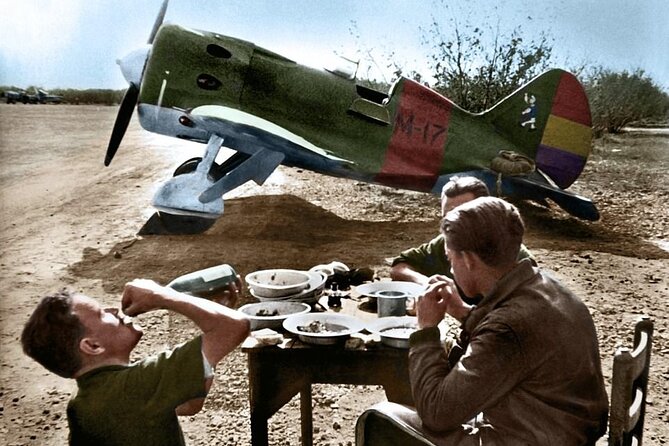
This tour lives or dies by the guide’s ability to explain a messy period without turning it into propaganda. The format is built for that: you’re expected to ask questions, and your guide is positioned as an expert on a “complicated and sensitive subject.”
In the guide names associated with this tour, you’ll see people like Henrieta, Filipa, Chrisa/Chrysa, Evan/Evangelos, and Yannis. Each gets praised for making complicated information understandable, with strong communication and lots of attention to detail.
What consistently shows up in the strong experiences:
- Clear breakdowns of political groups and factions so you’re not lost in names.
- Focus on Barcelona’s working class history, including the anarcho-syndicalist period.
- Stories that connect the war years to Franco’s dictatorship, not just the headline battle period.
- Historic images used to make the story stick.
If you’re the type who wants a “what happened, who did what, and why it mattered,” this kind of guiding approach is exactly the point. And if you already know some Spanish Civil War history, this route can still help because it grounds the story in specific places across Barcelona’s Old Town.
What you’ll learn about Barcelona’s identity (and why it matters today)
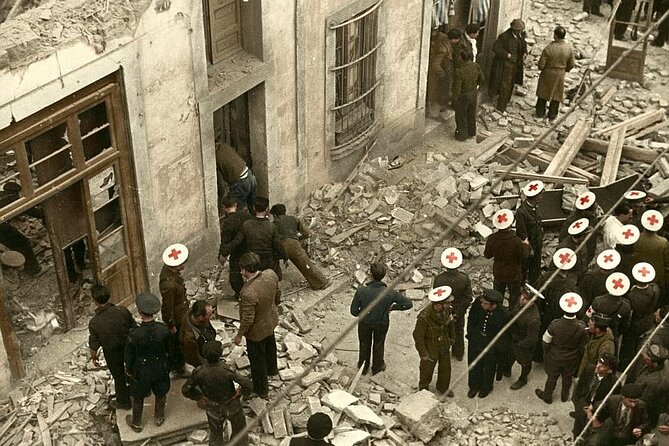
One of the best outcomes of this tour is that it doesn’t treat history like a closed book. It connects the Spanish Civil War and the Franco period to Spanish identity and the region’s social undercurrents.
In practical terms, that means you’ll start noticing how politics can live in everyday life: in institutions, in memory, and in what gets ignored or emphasized over time. This tour also makes a point of showing that Barcelona’s story is not just Catalan vs Spain at the slogan level—it’s also about class struggle, organization, and the collision between ideals and violence.
And since you’re walking through a living city, you’ll get an education that feels slightly different from a museum. You see the contrast: ordinary storefronts and streets, with a guide providing the context that turns it into a historical scene.
How to prepare: shoes, headphones, and staying sharp
This walk is built on the idea that you’ll concentrate. That’s why a few practical prep tips help:
- Wear comfortable shoes. The stops are brief, so you’re moving more than you think.
- If your Spanish is zero (or even if it’s decent), consider the radio headset optional add-on. Street noise can make it harder to catch details.
- Bring a “question mindset.” The tour is structured to handle questions well, which helps when you hit a complicated point in the story.
Also, don’t expect every Civil War connection to be marked like a Hollywood set. Part of the challenge—and part of the value—is that this history shows up in traces and in explanations. One reviewer note is essentially that there aren’t always monuments or obvious markers. That’s not a deal-breaker. It’s the reason you hire a guide.
Finally, because it’s sensitive, I suggest you set your expectations. This is not a casual sightseeing stroll. It’s a thoughtful look at a painful chapter.
Who should book this tour?
Book it if:
- You want to understand Barcelona through 20th-century political and social history, not just architecture.
- You enjoy guided storytelling that explains factions, cause-and-effect, and legacy.
- You like tours where you can ask questions and get straight answers.
- You’re okay with short stops and steady walking.
Skip it (or pair it differently) if:
- You only want famous landmarks and big, obvious monuments.
- You don’t want emotionally heavy content, even if it’s handled carefully.
- You prefer a longer, slower sightseeing format.
Should you book the Spanish Civil War & Franco Barcelona Walking Tour?
If you like learning a city’s “why,” not just its “what,” I’d strongly consider booking this one. The price feels fair for a small group and a guide-led route designed to interpret traces you’d likely miss on your own. The biggest strength is the way the tour turns complicated history into something you can actually follow—complete with historic images and a working-class focus that gives the story weight.
My only caution is practical: it’s not a sit-down lecture and it runs on good weather. If that fits your travel style and schedule, this is a standout way to see Barcelona with a sharper lens—one that helps explain not just the past, but the echoes still visible around you.
FAQ
How long is the Spanish Civil War & Franco Barcelona Walking Tour?
It runs about 2 hours 30 minutes (approx.).
What does the tour cost?
The price listed is $47.16 per person.
Is the tour offered in English?
Yes, it’s offered in English.
Are any admission tickets included?
Some stops are free (like Placa Catalunya, La Rambla, Antic Hospital de la Santa Creu, and Placa Sant Felip Neri). The Basilica de Santa Maria del Pi has admission not included.
Do I need to pay for a headset?
A 1€pp guide radio headset is paid at the meeting point to an external provider. It’s not included in the base tour price.
Where do I meet for the tour?
Meet at Foot Locker, Pl. de Catalunya, 20, Ciutat Vella, 08002 Barcelona, Spain.
Is there free cancellation?
Yes. You can cancel for a full refund up to 24 hours before the start time, and free cancellation is stated.
Is it limited to a certain group size?
Yes, the tour has a maximum of 25 travelers.