REVIEW · FIGUERES
Toy Museum: Anna Maria and Salvador Dalí and García Lorca’s toys.
Book on GetYourGuide →Operated by Museu del Joguet de Catalunya · Bookable on GetYourGuide
Toys, art, and play sit side by side. I love the way this museum ties Dalí and Federico García Lorca to real, tangible toys. I also really enjoyed the working model railroad, which adds a stop-and-stare factor even if you think you’re done with “toy museums.” One catch: this is an audio-guided visit, so you’ll need to be a bit patient and let the route and narration do the work.
Beyond the art-world name drops, you’ll get to see puppets linked to major collectors like Frida Kahlo, Jacqueline Lamba, and André Breton. The museum also spreads games and toys across the five continents, so the story isn’t only European.
If you grew up building things with your hands, playing pretend, or obsessing over miniatures, you’ll feel at home. The overall vibe is adult-curious and kid-friendly at the same time, which the high ratings suggest many people appreciate—this isn’t a place that talks down to anyone.
In This Review
- Key highlights I’d circle first
- Museu del Joguet de Catalunya: a toy museum that feels like cultural detective work
- Your route inside: how the audio guide shapes the experience
- The Anna Maria and Salvador Dalí–to–García Lorca toy trail
- Mexican puppets and the theatrics of Frida Kahlo, Jacqueline Lamba, and André Breton
- Toys from the five continents: what changes when you step outside the expected
- The working model railroad: the wow stop you can plan your time around
- Dollhouses: where scale and imagination do the heavy lifting
- Robots and video games: the toys that grew up (and didn’t stop)
- How long should you spend? A realistic pacing plan
- Price and value: $10 for a full indoor day with audio included
- Practical rules you should know before you go
- Accessibility and language: making sure you can enjoy it your way
- Who this Toy Museum experience suits best
- Should you book this Toy Museum in Catalonia?
- FAQ
- What is the Toy Museum experience in Catalonia?
- How much does it cost?
- How long is the visit?
- What languages is the audio guide available in?
- What do I need to bring, and what can’t I bring?
- Is it wheelchair accessible?
Key highlights I’d circle first
- Dalí and Lorca toys: specific connections that make familiar names feel hands-on.
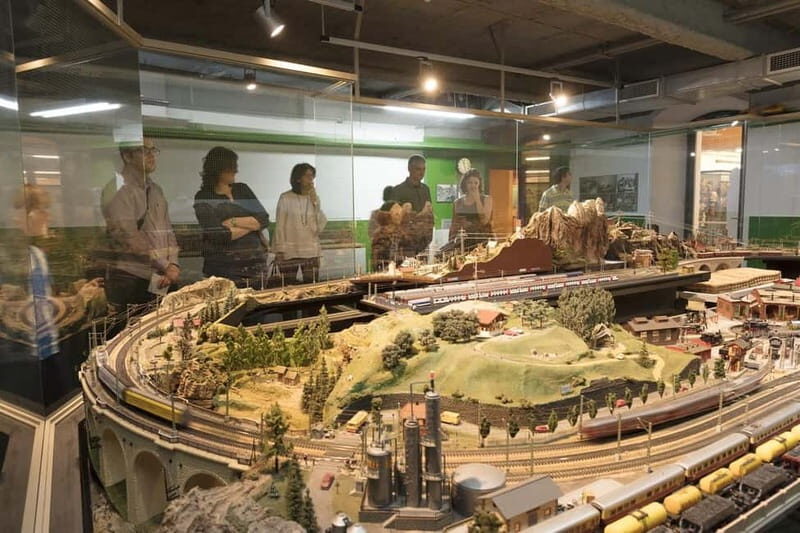
- Working model railroad: a clockwork-style wow moment during your indoor tour.
- Puppets tied to Frida Kahlo and others: art collectors shown through theatrical objects.
- Toys and games from five continents: global variety without needing a passport.
- Rooms built for different tastes: from dollhouses to robots and video games.
Museu del Joguet de Catalunya: a toy museum that feels like cultural detective work
This museum in Catalonia is called Museu del Joguet de Catalunya, and it lives in that rare category: it’s a toy place that also scratches an art-and-story itch. The pitch isn’t just look-at-old-stuff. It’s more like: how do imagination, design, and culture show up in the things people played with?
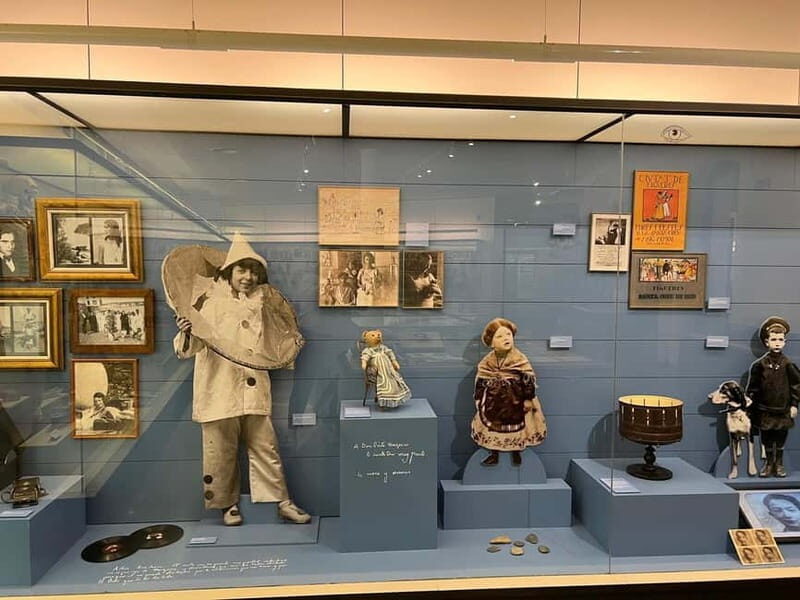
What I like is how many entry points you get. If you’re a fan of literature and surrealism, the toys connected to Anna Maria and Salvador Dalí—and the poet Federico García Lorca—turn the visit into a themed hunt. If you’re more into craftsmanship and spectacle, you can spend real time with objects like the model railroad and the puppet collections.
There’s also a practical side. You’re not asked to be an expert. The audio guide supports your pace, and you can move from room to room based on what catches your eye.
You can also read our reviews of more museum experiences in Figueres



Your route inside: how the audio guide shapes the experience
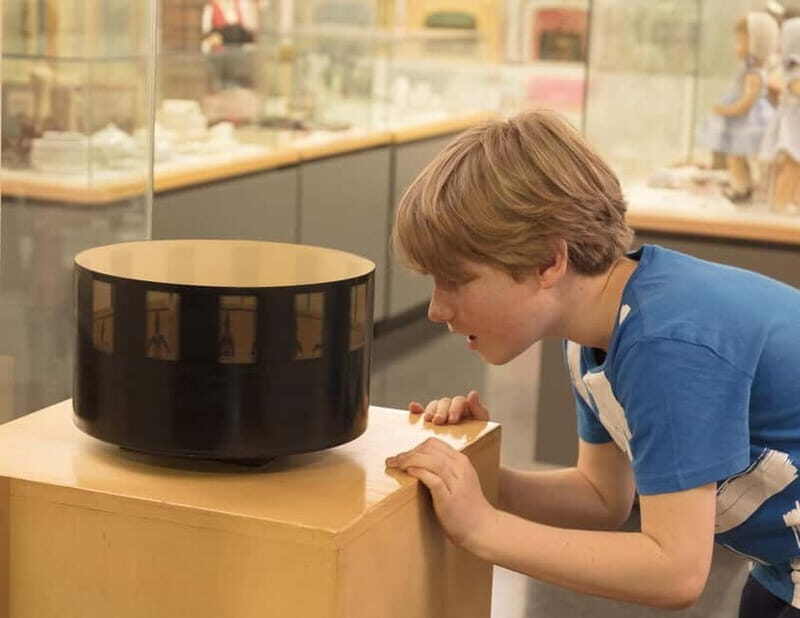
You start at the museum entrance, and the audio guide takes you along the tour. Since this isn’t described as a live group narration, your main “guide” is the audio track (available in Spanish, English, French, and Catalan). That’s good news and bad news, depending on your style.
It’s great because you can linger. Want extra time near the dollhouses room or the robots and video games collection? You can do that without feeling rushed. It’s less great if you’re the type who gets restless with self-paced museum wandering. If that’s you, pick a steady rhythm: listen, look, then stop and react before you move on.
Also keep in mind the “1 day” format. This reads like a full museum visit you can reasonably complete in one day once you find your pace, rather than a short timed hit.
The Anna Maria and Salvador Dalí–to–García Lorca toy trail
One of the most interesting parts is the focus on Anna Maria and Salvador Dalí, plus how Federico García Lorca is woven into the toy story. Even if you don’t consider yourself a Dalí or Lorca person, seeing their names connected to toys changes the usual frame.
Instead of thinking of toys as purely background for childhood, this museum treats them as objects with personality—small worlds that reflect big ideas. In practice, that means you’re not just looking at “old toys.” You’re looking at how an artistic mind may have shaped play, or how play became a kind of expression.
For you, that could mean a calmer, more reflective experience. You’ll likely slow down here because your brain recognizes the names and wants to connect them to what you’re seeing.
Mexican puppets and the theatrics of Frida Kahlo, Jacqueline Lamba, and André Breton
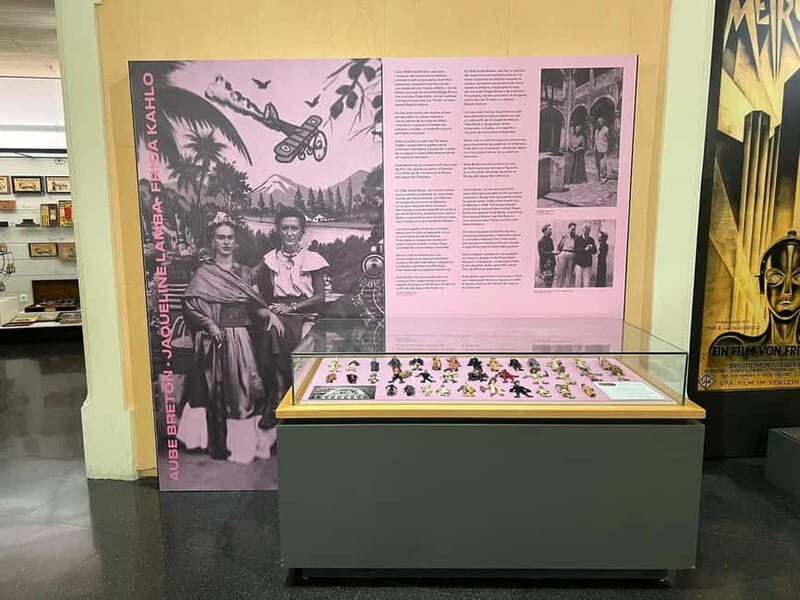
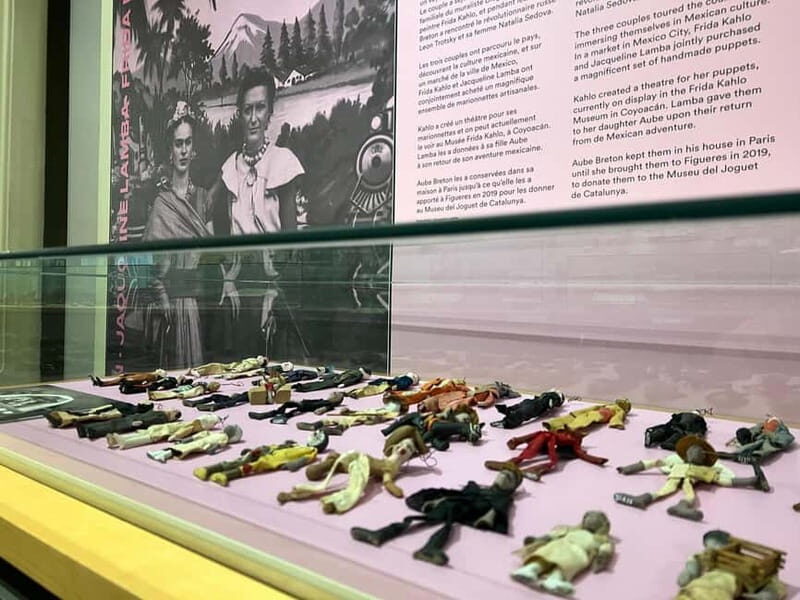
Another standout is the collection of Mexican puppets acquired by Frida Kahlo, as well as Jacqueline Lamba and André Breton. Puppets are already theatrical by nature, but in this context they also become historical artifacts of taste and collecting.
I like that the museum doesn’t treat these objects like a generic “exhibit.” It frames them as extraordinary puppets with strong cultural and personal links. It’s a good place to pause and just watch how different figures are built—faces, materials, scale, and the sense of character.
If you enjoy storytelling through objects, this section can feel like you’re stepping into a miniature stage. And if you like photography, you’ll want to remember the rules: flash photography is not allowed.
Toys from the five continents: what changes when you step outside the expected
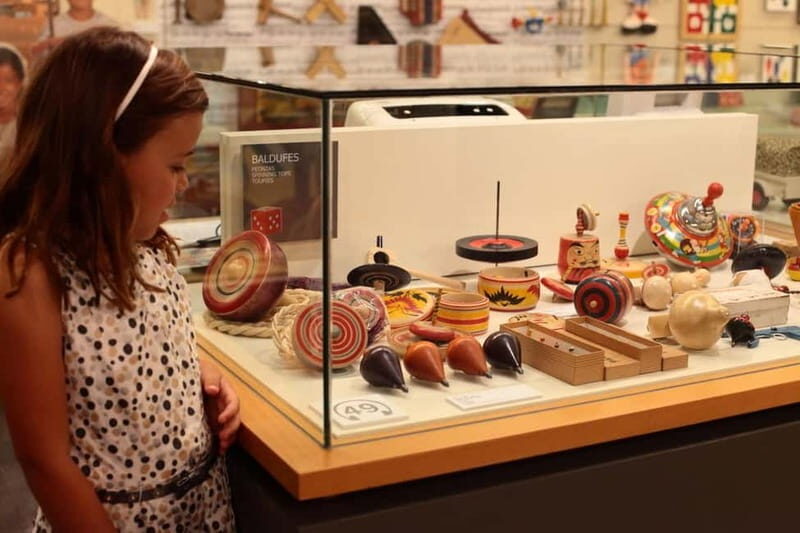
The museum also takes you beyond a single region, with games and toys from the five continents. This is one of those features that sounds like a list item, but in a museum it actually matters.
Why? Because toys are cultural signals. Even when the goal is play, the details often reflect where ideas come from: materials, designs, and the types of games that feel natural in a given place. You don’t need a textbook here—you can get the comparison just by browsing.
For you, this is the best “broadening” section if you’re traveling and want more than one-note culture shopping. It’s also a nice way to keep the visit from becoming too heavy. Global toy variety makes the day feel lighter and more fun.






The working model railroad: the wow stop you can plan your time around
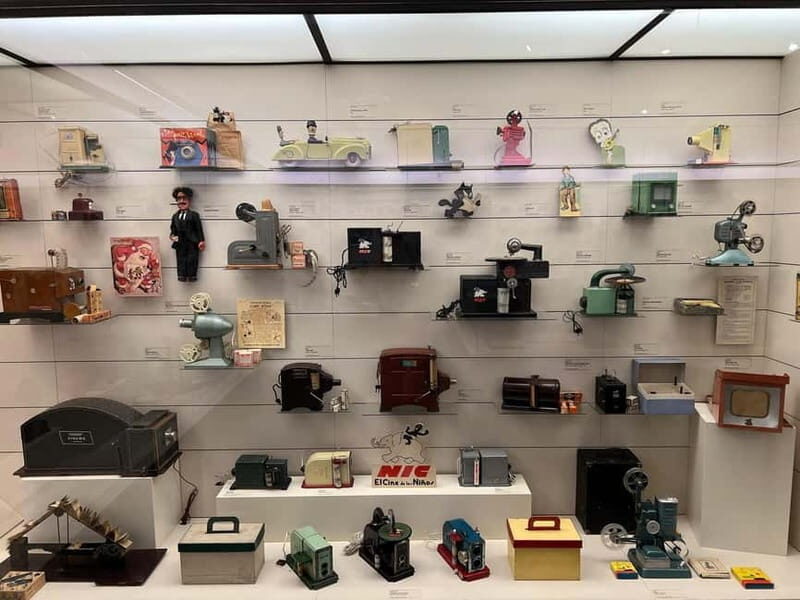
Then there’s the model railroad, described as spectacular and working. In plain terms: if you like anything that runs, moves, or follows a system, this is where you’ll likely feel the biggest smile.
It’s not only nostalgia. It’s also visual engineering. The beauty of a working display is that it gives you a time anchor inside the museum—something you can plan for mentally, and then use to reset your attention when the exhibits feel more informational.
If you’re visiting with kids (or if you’re just a kid at heart), this is the section where you can expect the highest “stand still” energy. For adults, it often hits that sweet spot of technical wonder plus storytelling.
Dollhouses: where scale and imagination do the heavy lifting

The audio guide route also includes a room dedicated to dollhouses. Dollhouses can be a surprisingly effective museum topic because they’re both toy and design study.
You get tiny versions of rooms, and you can spot how people imagined daily life. That’s fun even if you don’t think you’re “into dollhouses.” It helps you notice design choices—layout, decoration, and the way objects get simplified at small scale.
This room is also a good break from big-ticket items. It’s quiet-looking, close-up, and easy to take your time with. If you want that slow wander feeling, this is where you can build it.
Robots and video games: the toys that grew up (and didn’t stop)
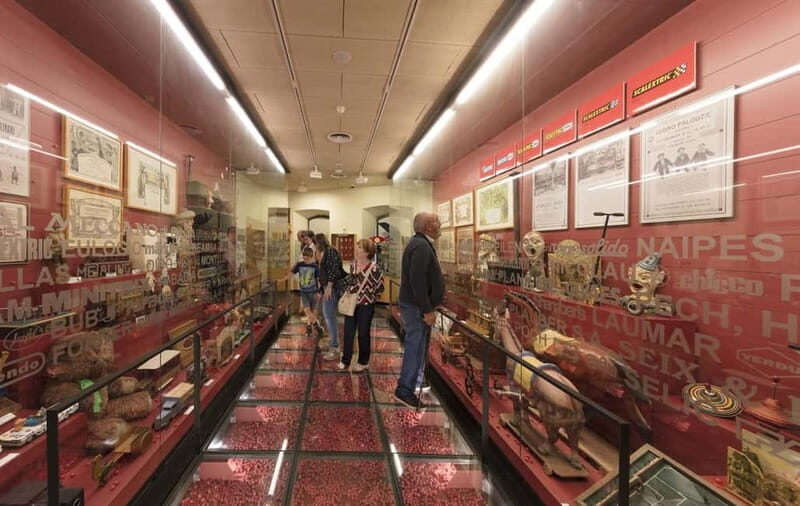
Another part of the tour includes a collection of robots and video games. This is the section that bridges “classic toy” energy with tech-era play.
Why it works: it makes the museum feel less stuck in the past. You aren’t only seeing antiques or old designs. You’re seeing how play evolves, turning into software, characters, and mechanical fantasies.
If you like pop culture, this is your “I get it” stop. Even if your childhood was board games and not video games, you’ll likely recognize the appeal: interacting with a system, collecting, exploring, and trying again.
How long should you spend? A realistic pacing plan
The activity is valid for 1 day, but the key detail isn’t the number. It’s how you pace.
Here’s a practical approach:
- Start listening to the audio guide right away at the entrance, but don’t treat every minute like homework.
- Give extra time to the big attractions: the model railroad and the sections tied to Dalí/Lorca and the puppet collection.
- Use rooms like dollhouses and robots/video games as your “reset zones” when your attention needs a break.
Because you’re audio-guided, you can slow down without missing a person’s patter. That’s the advantage of this format.
Price and value: $10 for a full indoor day with audio included
The price is listed as $10 per person, and entrance plus the audio guide are included. For a museum visit, that’s a strong value setup—especially because you’re not paying extra for language support. You also get multiple content lanes in one ticket: art connections, global toys, scale display (dollhouses), and tech-era objects (robots and video games).
Will it feel like value if you only want one quick glance? Maybe not. But if you’re the kind of person who lingers with details and enjoys browsing, the mix of rooms makes that $10 feel more like a “commit for the day” offer than a quick walk-through.
Practical rules you should know before you go
This place has clear no-nonsense rules. They matter because museums can get uncomfortable when you’re stuck carrying something you shouldn’t have.
Based on the information provided:
- Bring your passport or ID card.
- Food and drinks are not allowed.
- No luggage or large bags.
- Selfie sticks are not allowed.
- Flash photography is not allowed.
- Tripods are not allowed.
- Skateboards, scooters, and skates are not allowed.
I’d plan for light packing. Wear comfortable shoes, because even in a museum with lots of displays, you’ll still be moving between rooms.
Accessibility and language: making sure you can enjoy it your way
Good news here: the experience is wheelchair accessible. If you use a wheelchair or mobility aid, this matters for comfort and independence inside a museum.
And language support is built in. The audio guide is available in Spanish, English, French, and Catalan. That’s a big deal for value, because you can actually understand what you’re seeing instead of trying to translate while you walk.
Also, the museum visit format ends back at the meeting point (the museum entrance). So you don’t need to figure out a new location to finish your day.
Who this Toy Museum experience suits best
This is a great match if:
- You want a toy museum that references serious culture—Dalí, García Lorca, and the art-collector puppet connections.
- You enjoy “objects with stories,” not just glass cases.
- You like a mix of the classic and the modern: dollhouses on one end, robots and video games on the other.
- You’re traveling with kids or teens who need something visual and fun, but you still want it to be interesting for adults.
It’s also a decent solo stop because the audio guide lets you choose pace without needing a group schedule.
Should you book this Toy Museum in Catalonia?
Yes, I’d book it if you want a one-day indoor experience that blends play with named cultural figures and hands-on-feeling displays like a working model railroad. The $10 ticket works best when you’re willing to browse and linger instead of rushing.
But if you strongly prefer a live, human-led guide for every room, keep expectations realistic: this one leans on the audio guide. If that style works for you, you’ll likely have a satisfying day where your inner “toy kid” shows up right on time.
FAQ
What is the Toy Museum experience in Catalonia?
It’s an entry ticket to Museu del Joguet de Catalunya, with an audio guide tour included.
How much does it cost?
The price is $10 per person.
How long is the visit?
It’s valid for 1 day. Starting times depend on availability.
What languages is the audio guide available in?
The audio guide is available in Spanish, English, French, and Catalan.
What do I need to bring, and what can’t I bring?
Bring your passport or ID card. Food and drinks, luggage or large bags, selfie sticks, flash photography, tripods, skateboards, scooters, and skates are not allowed.
Is it wheelchair accessible?
Yes, the experience is wheelchair accessible.