REVIEW · BARCELONA
Barcelona: Cemetery Tour – Gothic Graves & Local History
Book on GetYourGuide →Operated by Nostos Tours · Bookable on GetYourGuide
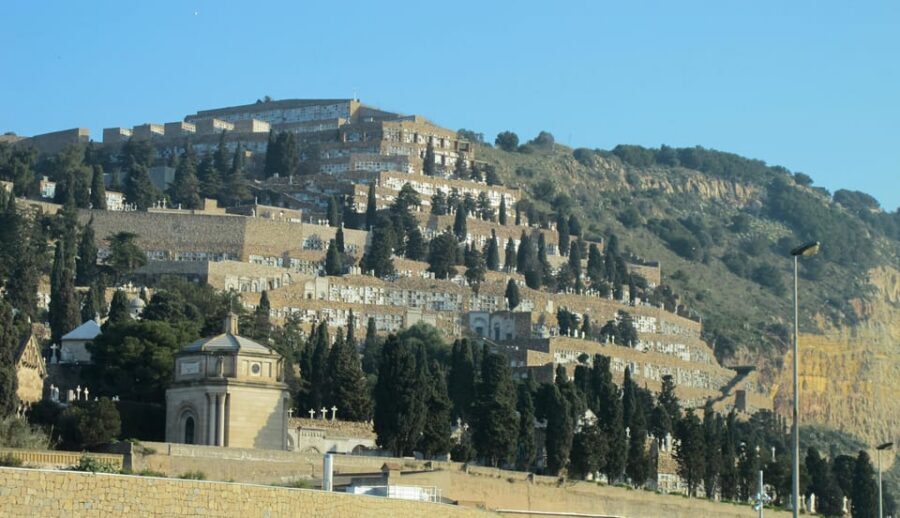
The city’s quietest stories live here. Montjuïc Cemetery is a hillside “city of the dead” where Gothic graves and grand mausoleums turn into a real-world history lesson. I like how the tour keeps things small and calm, so you’re not racing through sights. I also like that the guide connects what you’re seeing to people who shaped Barcelona. One thing to plan for: there’s walking with stairs, so it can be tough for anyone with knee or mobility limits.
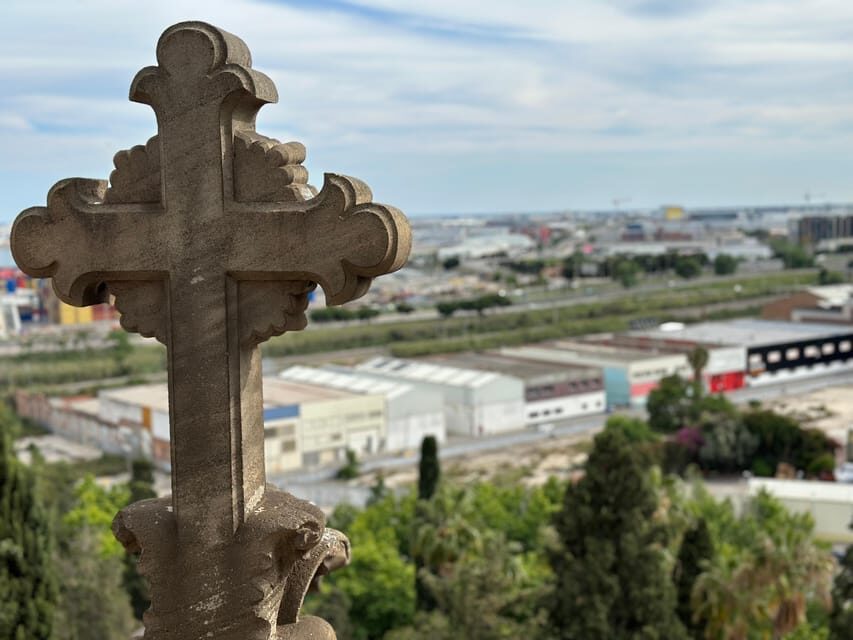
This is one of those experiences that feels like a break from Barcelona’s usual route. You’ll move through striking artworks in stone and metal, from angel sculptures to dramatic, creepy details like skeleton imagery. And because the cemetery sits up high, you get those postcard views toward the sea while you walk.
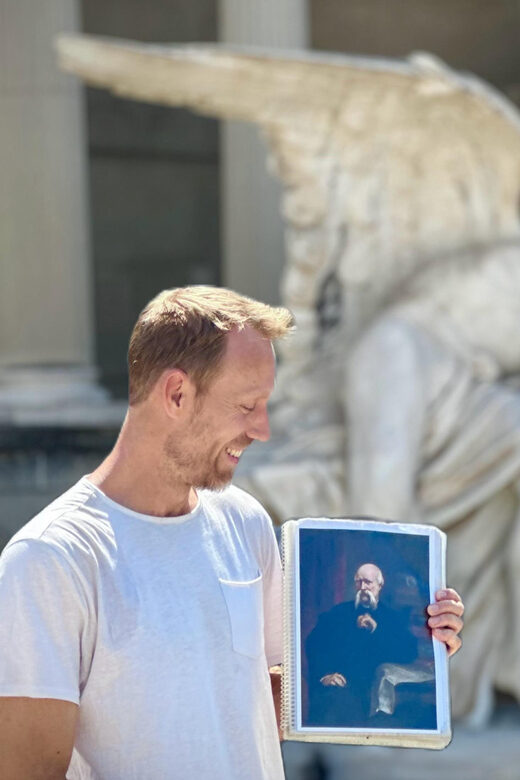
Your guide is a big part of why this works. In past tours, the English guide named Onno has been praised for making the whole walk smoother and more fun, with lots of small added context. If you’re hoping for an easy, flat stroll, this is not that kind of outing.
In This Review
- Key takeaways before you go
- Montjuïc Cemetery is Barcelona’s outdoor museum, without the crowds
- Getting there from Portal de Santa Madrona and staying oriented
- What you’ll actually see: Gothic graves, angel sculptures, and symbolic stone
- Stop-by-stop: from the sea-facing viewpoints to Durruti and Miró
- Stop 1: Portal de Santa Madrona (your starting point)
- Short transfer: black cab for orientation (10 minutes)
- Stop 3: Cementiri de Montjuïc (main cemetery walk, photo stops, and guided viewing)
- Stop 5: Fossar de la Pedrera (15-minute focused visit)
- Stop 6: Tomba de Buenaventura Durruti (5-minute guided photo stop)
- Stop 7: Tomba de Joan Miró (5-minute guided visit)
- Stop 8: back to Portal de Santa Madrona
- Why the stories feel more valuable than the scenery
- Time, pace, and what to wear for the stairs
- Price: why $28 can be good value here
- Who should book this Barcelona cemetery tour
- Should you book?
- FAQ
- How long is the cemetery tour?
- Where does the tour start and how do I find the guide?
- Is the tour in English?
- What is included in the price?
- Is there walking on stairs?
- Do I need to be able to do longer physical activity?
- What ages is the tour suitable for?
- How much does the tour cost?
Key takeaways before you go
- Small, quiet feel: it can be surprisingly low-key, not a crowded parade.
- A guide in a huge cemetery: you get oriented fast and you won’t miss key stops.
- Photogenic cemetery art: angels, mausoleums, and oddball symbols make great photos.
- Sea-view walking: the hillside location adds atmosphere as you move between areas.
- Local stories with names attached: you hear how writers, politicians, and other figures connect to the city.
Montjuïc Cemetery is Barcelona’s outdoor museum, without the crowds
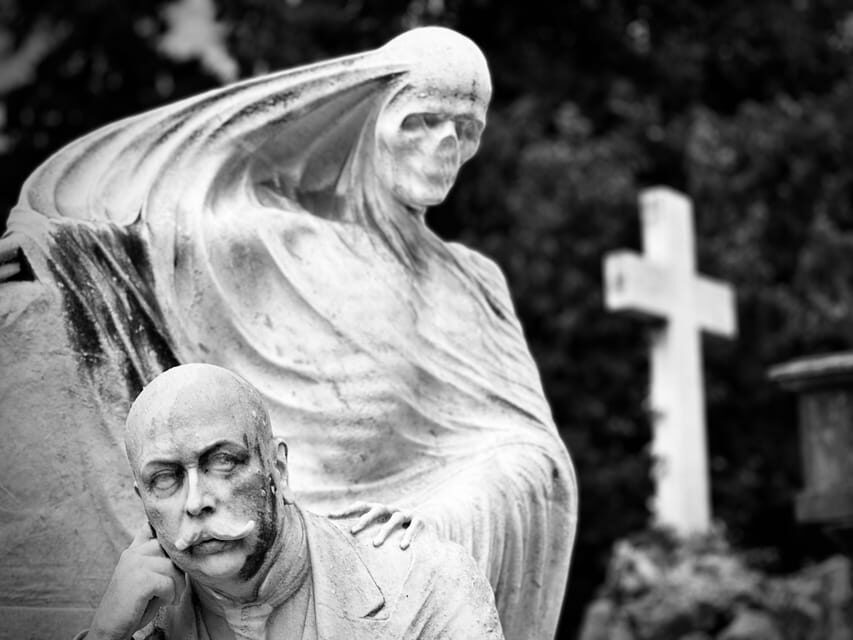
If you only see Barcelona through famous monuments, you miss a different side of the city. Montjuïc Cemetery is where the city’s personality shows up in stone: serious, artistic, sometimes spooky, and always specific to Barcelona.
What makes this tour work is that it treats the cemetery like a living museum. You’re not just looking at tombs. You’re learning why certain families built what they built, what styles meant, and how the city’s history got carved into the landscape. The “Gothic graves” focus gives the walk a clear theme, but you’ll still see a range of unusual designs: giant mausoleums that resemble churches, statues of angels, and other eye-catching elements like pyramid and obelisk shapes.
And yes, it feels haunting in the best way. The vibe isn’t theatrical or staged. It’s quiet. It’s specific. It’s the kind of place where you notice details because nobody is yelling over a speaker system.
You can also read our reviews of more historical tours in Barcelona



Getting there from Portal de Santa Madrona and staying oriented
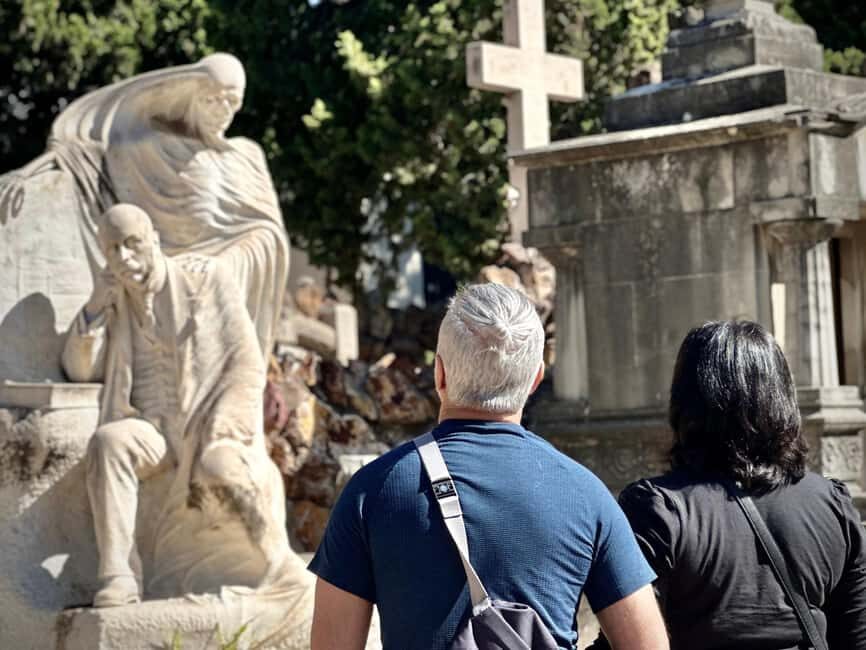
Meet at Portal de Santa Madrona, where the guide waits with a white umbrella in front of the wooden doors or gate of the old city wall. It’s a handy landmark, and it saves you from doing the “are we in the right spot” dance.
Once you start, you’ll use transport between areas. The tour includes roundtrip transport from a central meeting point in Barcelona, and you’ll also make short transfer hops by black cab (10 minutes) between sections. Those little rides matter because this cemetery area is spread out on a hillside. The goal is to keep your time focused on what’s worth seeing rather than spending it stuck in the wrong direction.
Why this matters for value: with a large site like this, time wasted walking the wrong loop is the most expensive thing you can buy. The transfers help you stay on track.
What you’ll actually see: Gothic graves, angel sculptures, and symbolic stone
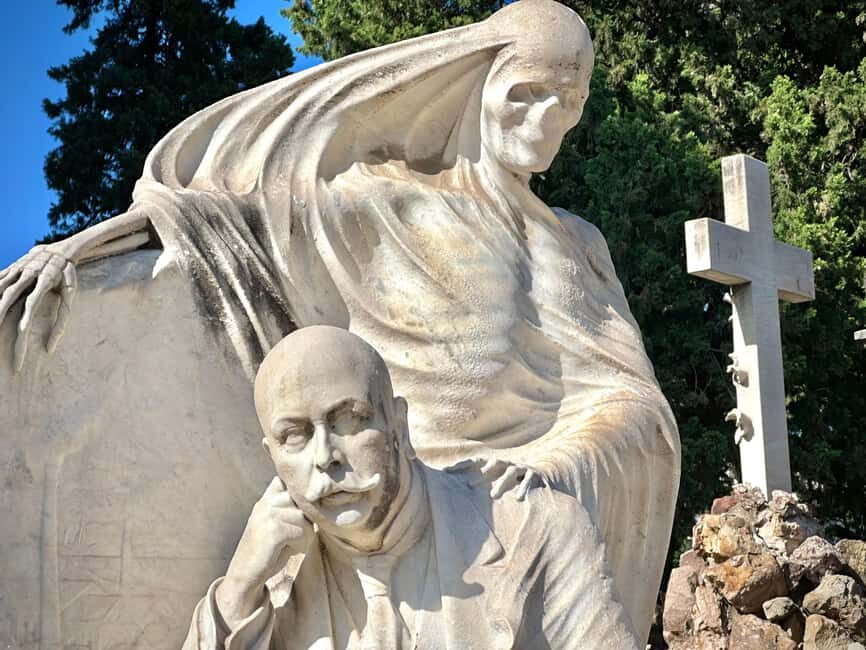
Montjuïc Cemetery is huge, so the “walk by yourself” plan can turn into a blur. This tour solves that. Your guide shows you the most interesting graves and makes sure you don’t miss the standout sections.
Expect a mix of:
- Giant mausoleums that visually feel like small churches, with heavy, decorative forms.
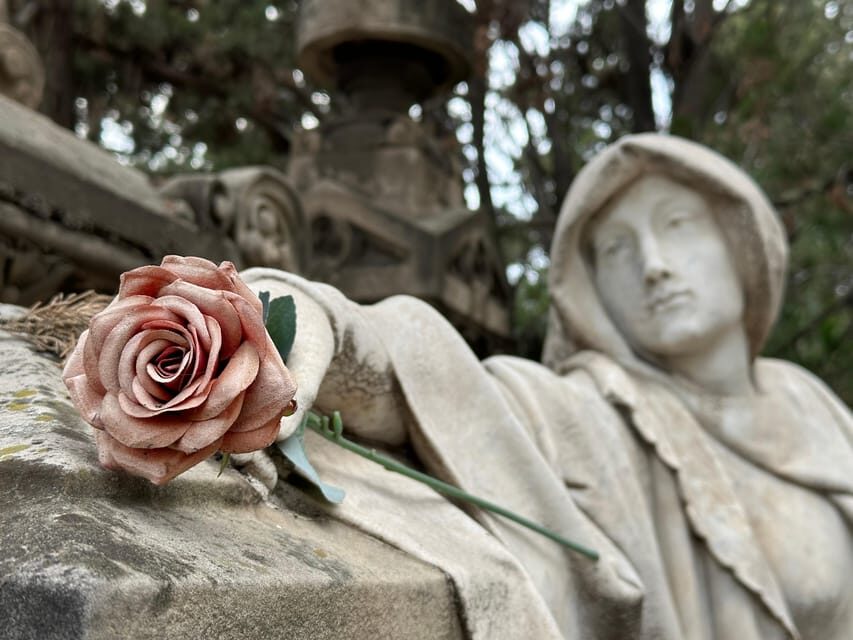
- Angel sculptures that sit where light and shadow do most of the work for you.
- Creepy details like skeleton imagery, which sounds odd until you see how it fits the cemetery’s art style.
- Graphic geometry in stone, including designs like pyramids and obelisks.
- A lot of “how did they build this?” craftsmanship that’s easier to appreciate when someone explains what you’re looking at.
The most practical part: because the guide keeps the route logical, you spend your energy on viewing and photography instead of asking where the next highlight is. One recurring theme in the feedback about this tour is exactly that. People say the guide keeps you from feeling lost in a cemetery this size.
Stop-by-stop: from the sea-facing viewpoints to Durruti and Miró
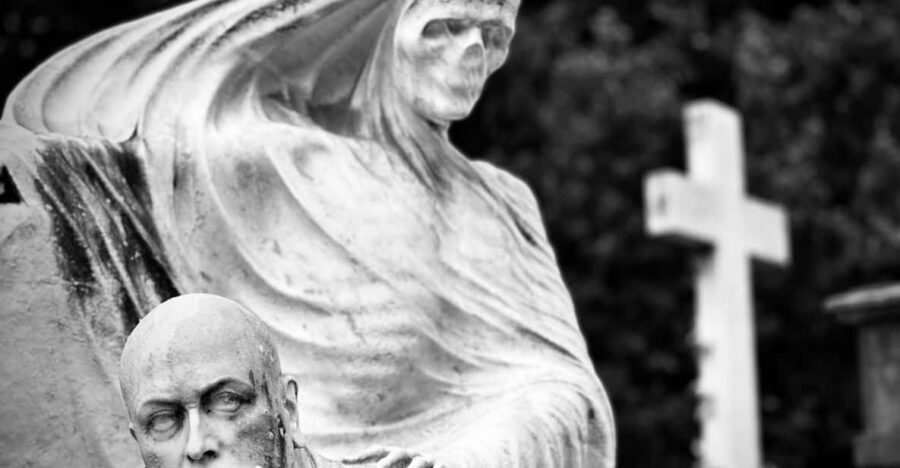
The tour has a clear flow, with each stop doing a different job: orientation, atmosphere, then specific names and notable memorials.
Stop 1: Portal de Santa Madrona (your starting point)
You begin at Portal de Santa Madrona with the white umbrella. This is where you get the group organized and set expectations for the walk. If you’re the type who likes knowing what comes next, this helps a lot.





Short transfer: black cab for orientation (10 minutes)
After the start, there’s a 10-minute black cab segment. This isn’t filler. It positions you for the main cemetery walk and keeps the timeline from turning into pure travel time.
Stop 3: Cementiri de Montjuïc (main cemetery walk, photo stops, and guided viewing)
This is where the tour earns its reputation. You’ll get a guided walk and sightseeing, plus scenic views along the way. There are photo opportunities here too, which matters because Montjuïc offers those hillside vistas toward the sea.
In this main section, you’re taking in the cemetery as an outdoor museum. You’ll see the Gothic-leaning graves and the big artistic statements: mausoleums with church-like presence, angels, skeleton motifs, and more symbolic forms like pyramids and obelisks. The guide also helps you understand what you’re looking at so the cemetery doesn’t become just a collection of headstones.
Possible drawback for planning: the cemetery has stairs and uneven spots. The walking isn’t described as nonstop, but you should still build in energy for uphill and down-step movement.
Stop 5: Fossar de la Pedrera (15-minute focused visit)
You’ll make another 10-minute black cab transfer, then arrive at Fossar de la Pedrera for a photo stop and a short guided segment (about 15 minutes). This is one of the sections where the emotional tone shifts, and you’ll likely find yourself slowing down because of the significance the guide explains.
Even with the short duration, it’s given time to take in the atmosphere without feeling rushed. If you like cemeteries as history, not just architecture, this stop is worth arriving curious.
Stop 6: Tomba de Buenaventura Durruti (5-minute guided photo stop)
Next is Tomba de Buenaventura Durruti. The time here is short (around 5 minutes), and that’s okay because the guide’s job is to point out what makes the memorial stand out and how it ties into Barcelona’s story.
If you’re interested in political and anarchist history in particular, this is one of the stops that people mention as a highlight.
Stop 7: Tomba de Joan Miró (5-minute guided visit)
Then you reach Tomba de Joan Miró, again with a short visit window (about 5 minutes) and guided attention. It’s a quick stop, but it adds variety: the cemetery isn’t only about politics and writers, it also shows up in the world of art.
A nice touch is how these short stops work like chapters. You see the big art and symbolism in one area, then you get specific names, and then you move on before you start mentally checking out.
Stop 8: back to Portal de Santa Madrona
You finish back at the original meeting point. The structure stays organized, and you don’t end the experience stuck figuring out how to get out.
Why the stories feel more valuable than the scenery
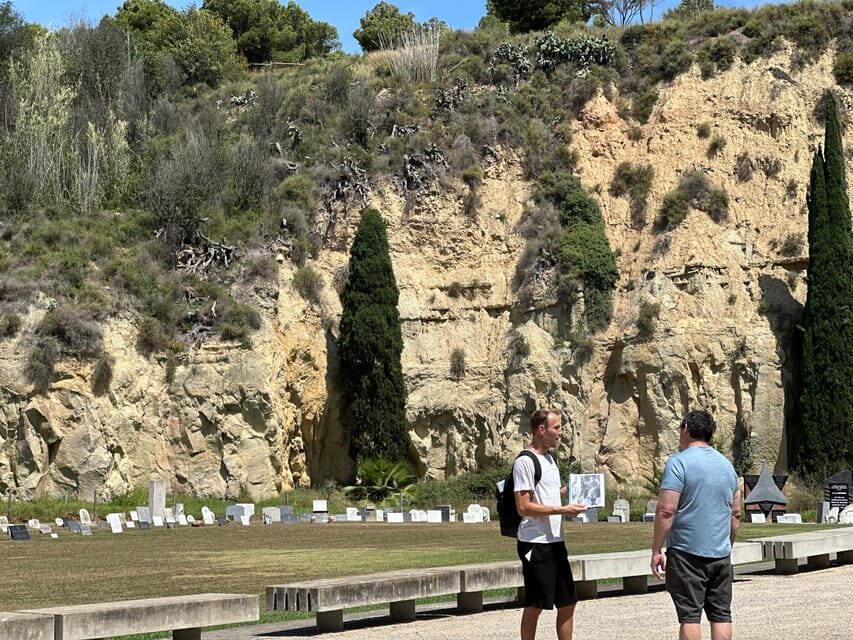
The art in Montjuïc Cemetery is one half of the point. The other half is how the tour ties those stones to Barcelona people you’ve heard of, and people you might not know yet.
The guide frames the cemetery through citizens buried there: local writers, politicians, and other important figures. That word citizens matters. This isn’t abstract history. It’s personal to the city.
Several names and themes come up repeatedly in feedback:
- Ildefons Cerdà, mentioned as a favorite by one visitor. He connects to the planning and design story behind Barcelona’s famous Eixample.
- Buenaventura Durruti, with the cemetery stop used to touch on civil war or anarchist history.
- Joan Miró, tying the cemetery to Barcelona’s art legacy.
You’ll also learn how funeral culture gets expressed through design. The mausoleums that look like churches and the sculptural details aren’t random. They reflect values: memory, status, artistry, and identity. You start to see how Barcelona’s history wanted to be remembered.
Also, there’s a subtle emotional advantage to a guided walk here: a cemetery can be intimidating if you don’t know how to look. A guide gives you a map for attention, so you can focus on the meaning instead of feeling unsure.
Time, pace, and what to wear for the stairs
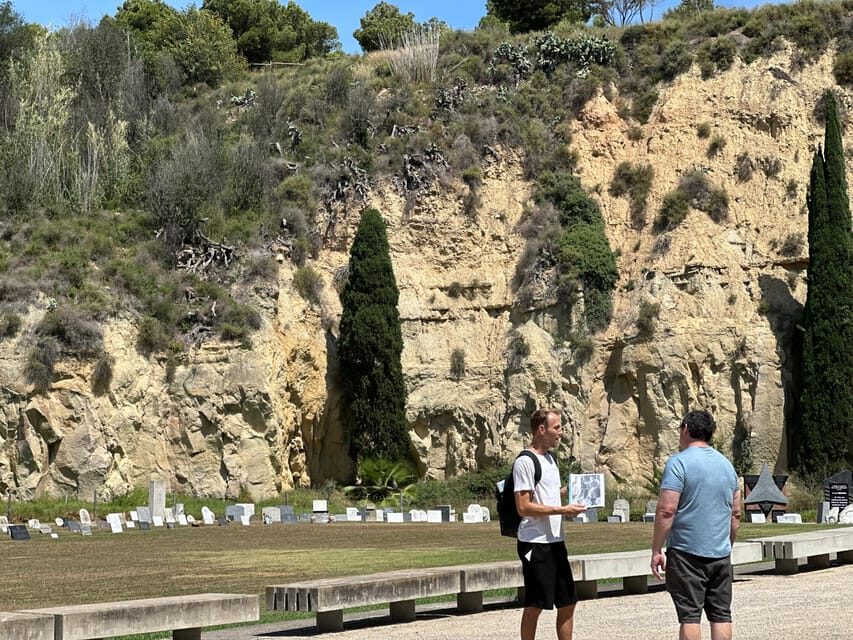
This tour runs about 2.5 hours. The good news is that the walking isn’t described as continuous nonstop strolling. The pace includes photo stops and guided explanations, so you’re not constantly moving.
The realistic challenge: there are stairs and hillside changes. It’s not said to be relentlessly strenuous, but it’s enough that people with knee issues or mobility limits may feel it. The tour is also listed as not suitable for:
- Children under 12
- Pregnant women
- People with mobility impairments
- Wheelchair users
- People with recent surgeries
- People over 70
So if you’re on the edge physically, don’t ignore the warnings. This is a cemetery, not a museum gallery with ramps.
What I’d pack mindset-wise: treat it like you’re doing a scenic walk with stop-and-go. Wear comfortable shoes with good grip, especially if it’s damp or the ground is uneven.
Price: why $28 can be good value here
The price is $28 per person for about 2.5 hours with an English live guide and roundtrip transportation.
Here’s why that can be value, not just a number:
- You’re paying for someone to steer you through a large site where it’s easy to miss the best pieces.
- You’re also paying for coordination. The tour uses transport between sections, which saves time and reduces the chance you wander into the wrong area.
- You get both art and storytelling, including specific named tombs with guided attention.
If you’ve ever visited a complex site alone and realized you’re only seeing a fraction of it, the guide part is what makes this feel like more than a sightseeing walk.
Who should book this Barcelona cemetery tour
Book it if you:
- Like history that’s tied to real places and real people
- Want something quieter and less touristy than the usual highlights
- Enjoy cemeteries as art and architecture, not just as somber background
- Want sea views and photo-friendly stops without a big crowd
Skip it if you:
- Need an easy, flat route
- Rely on wheelchair access or have difficulty with stairs
- Are sensitive to cemetery settings and would rather avoid that atmosphere entirely
Should you book?
I’d recommend booking if you want a different angle on Barcelona, one that’s calm, specific, and actually guided. This tour is built for a “take your time and look closely” experience, not speed sightseeing.
Just be honest with your body. If stairs are a problem, choose another plan. If you can handle short uphill and downhill walking, you’ll likely love how the cemetery turns into a story you can read with your eyes.
FAQ
How long is the cemetery tour?
It lasts about 2.5 hours.
Where does the tour start and how do I find the guide?
The meeting point is Portal de Santa Madrona. The guide will be waiting with a white umbrella in front of the wooden doors or gate of the old city wall.
Is the tour in English?
Yes, the live tour guide speaks English.
What is included in the price?
The tour includes transport from the city to the Montjuïc Cemetery area, plus guided sightseeing during the walk and photo stops.
Is there walking on stairs?
Yes. The tour includes walking up and down stairs. It is not described as continuous, but it can be challenging for people with knee or mobility issues.
Do I need to be able to do longer physical activity?
The tour is not suitable for people with mobility impairments, wheelchair users, or those with recent surgeries, and it also has an age limit listed as not suitable for people over 70.
What ages is the tour suitable for?
It is not suitable for children under 12.
How much does the tour cost?
The price is listed as $28 per person.