REVIEW · BARCELONA
Ultimate Barcelona Food Tour with visit to a Local Market
Book on Viator →Operated by Devour Barcelona Food Tours · Bookable on Viator
Food and neighborhoods in one easy walk.
This small-group Barcelona food tour strings together Santa Caterina Market and the older streets of Born and Barceloneta, so you snack your way through the city’s food culture. I like that it doesn’t rely on one big tourist stop; you hit several family-run places for everything from cured meats and cheese to Barcelona-style drinks.
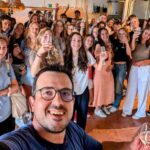
What I also love is the pacing: you’re not just eating, you’re learning how Catalans build a meal. In a group of up to nine, you get multiple tastings that cover breakfast and lunch, plus wine and cava.
One consideration: it’s a lot of food in about three hours. If you don’t eat much at breakfast or you get full fast, plan to start hungry and go slowly when the croissants and seafood paella arrive.
In This Review
- Key highlights at a glance
- Santa Caterina Market: your breakfast lesson, not just a photo stop
- Brunells croissants: why one bakery can change your whole breakfast standard
- Nougat at Torrons i dolços La Campana: turrón with a real backstory
- Bodega in the Princesa area: vermut and the tapa story you’ll actually use
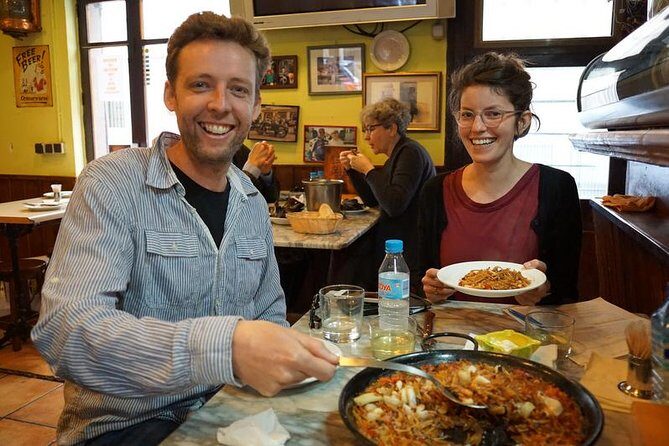
- Seafood paella at Can Ramonet: the lunch finish that fills you up
- Why the Born and Barceloneta route works so well
- What you’ll eat and drink (and how to plan your appetite)
- Small group guides: what the best ones do differently
- Dietary fit: who this works for, and where you need to be realistic
- Timing, walking, and your comfort level
- Price and value: what you’re really paying for
- Should you book this Barcelona food tour?
Key highlights at a glance
- Santa Caterina Market without the biggest crowds
- Born-to-Barceloneta route built around Catalan classics
- Vermut and cava tastings at old-school spots
- Croissants and nougat stops with real staying power
- Seafood paella lunch in a historic fishers’ district setting
Santa Caterina Market: your breakfast lesson, not just a photo stop
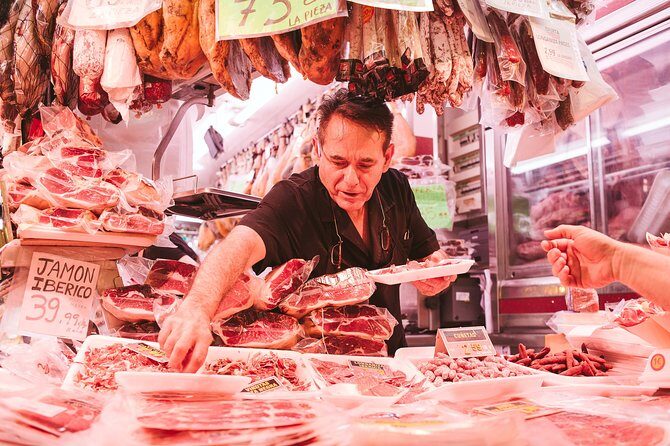
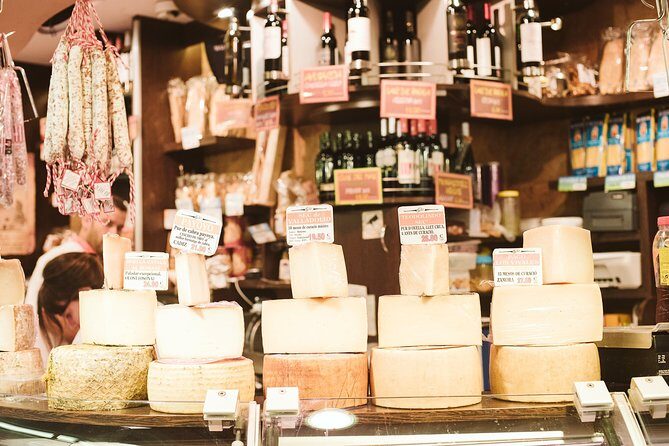
The tour starts at Mercat de Santa Caterina, right in central Ciutat Vella. This market feels like the Barcelona that still runs on locals and routine, not a stage set for visitors. You’ll walk through the stalls with your guide and small group (max nine), and you’ll start tasting right away.
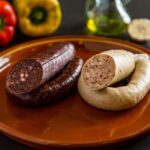
Expect classic Spanish favorites: cured meats and cheeses from the region. This is a great way to learn what to order later, because the guide can point out differences that you’d otherwise miss on a menu—salty, fatty, mild, sharp, and how those flavors play together. Even if you’ve tried Iberian ham before, you’ll likely find new pairings here.
A small timing note that matters: Stop 1 is about one hour. Markets move fast. If you want to linger, this isn’t the time to slow down. It’s more about sampling widely and getting the flavor map in your head.
You can also read our reviews of more food & drink experiences in Barcelona


Brunells croissants: why one bakery can change your whole breakfast standard
Next up is Brunells, famous in Barcelona for croissants that date back to 1852. This is where the tour turns from savory market bites into sweet bread-and-butter education.
You’ll get one of their famed croissants (and yes, this is a stop that many people remember later when they compare croissant quality across Europe). The practical value here isn’t just taste—it’s contrast. After market cheeses and cured meats, you get to experience how Barcelona does breakfast sweetness, and why the pastry tradition is treated like a serious craft, not a quick snack.
At only about 25 minutes, this is a quick hit. If you’re the type who wants to sit and savor, bring that energy for later. Here the goal is to taste, learn what makes it good, and keep moving.
Nougat at Torrons i dolços La Campana: turrón with a real backstory
From pastry to candy-shop history. Torrons i dolços La Campana is run by two sisters, and the shop has roots going back to the 1890s. The tour gives you four tasting samples of turrón, Spain’s most recognizable nougat-style treat.
This stop is especially useful because turrón is one of those foods people think they understand—until they try multiple versions. Texture and sweetness vary a lot, and you’ll see that immediately as you sample.
Stop 3 is around 15 minutes. That’s short, but it works because it’s built around tasting, not a long sales pitch. Also, since this tasting is listed as included, you’re not left wondering if you’re paying extra once you arrive.
Bodega in the Princesa area: vermut and the tapa story you’ll actually use
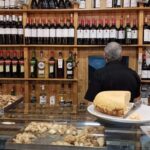
Then you head into the winding streets near Carrer de la Princesa, 36 for a bodega-style stop. This is one of those places that works because it feels relaxed, old-school, and designed for regulars—not a performance for passing tourists.
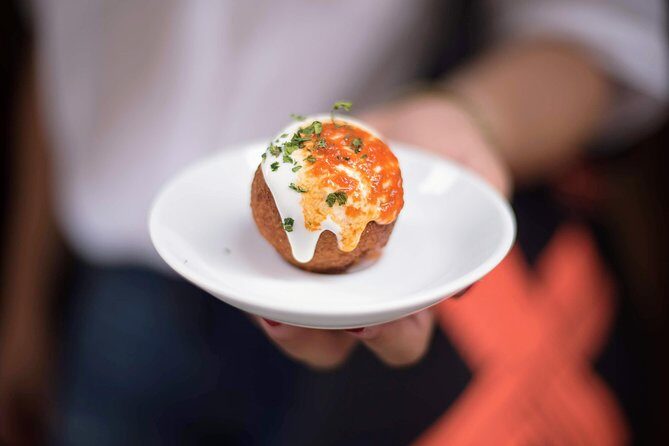
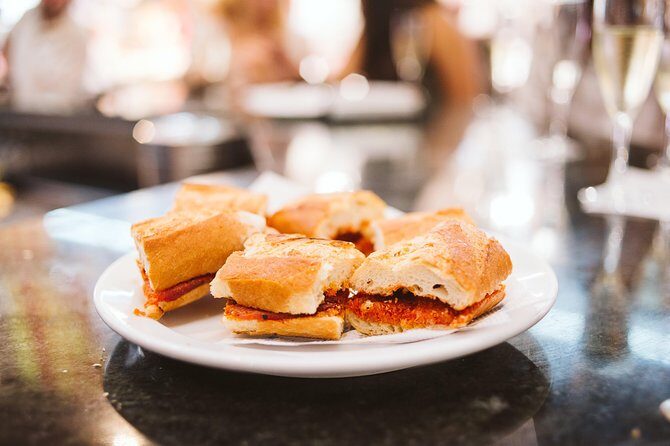
You’ll taste a Barcelona tapa called the bomba, a dish originally created in this neighborhood, alongside vermouth. The fact that your guide ties the food to a specific street and origin makes the whole experience click. You’re not just eating; you’re collecting stories you can repeat later when you order something similar.
This stop lasts about 30 minutes. That’s long enough for a proper drink-and-bite rhythm, but short enough that you won’t feel like you’re dragging through a full restaurant meal before your paella.
If vermut isn’t your thing, ask for the pairing your guide recommends for your taste. The tour does include alcohol tastings, but it also notes that non-alcoholic options are available in the overall tour approach.
Seafood paella at Can Ramonet: the lunch finish that fills you up
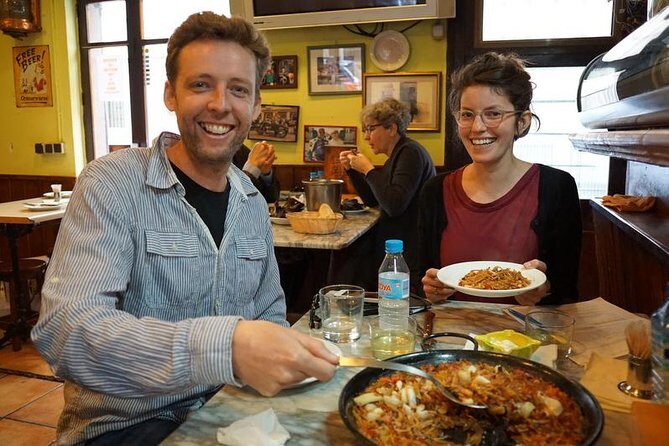
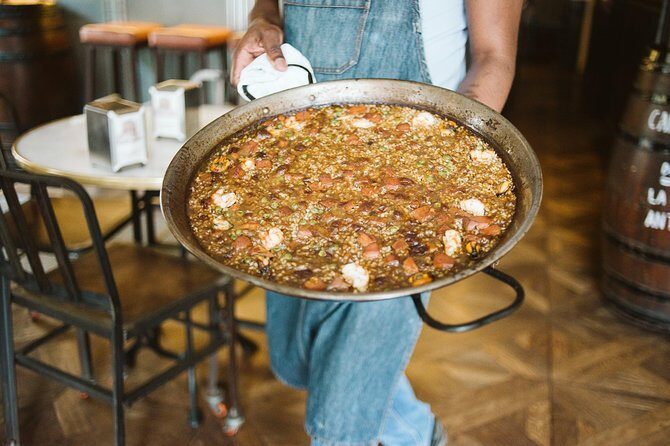
The final stop is Restaurant Can Ramonet in Barceloneta, in a historic building connected to an 18th-century winery. This is where the tour locks in the Catalan meal vibe: sit down, slow down, and eat a real plate of seafood.
You’ll have paella and choose between a glass of white or red wine. Since it’s listed as seafood paella and includes local wine, you’re getting the full “Spain meal” feeling without having to navigate ordering or timing yourself.
Stop 5 is about 50 minutes. This is one reason the tour starts earlier and keeps the pacing tight: the paella needs time to land. And based on the experience pattern, this is where appetite can become the limiting factor. One review note that matches the math: by the time paella arrives, most people are already quite full. That doesn’t mean it’s bad—it just means you should eat smart earlier so you’re not overstuffed.
Also, if you’re sensitive to seafood variety, keep expectations flexible. The tour is clearly built around seafood paella, so you won’t find a meat-focused version here.
You can also read our reviews of more tours and experiences in Barcelona
Why the Born and Barceloneta route works so well
This tour is basically three neighborhood chapters, and that matters.
- Born feels medieval and close to everyday local shopping. The nougat shop and the pastry stop fit this vibe perfectly: traditional goods, long-standing shops, and food that has a reputation for a reason.
- Barceloneta shifts you toward the sea. The aperitif-bodega moment sets you up, and the paella finish lands the story.
That arc helps you remember Barcelona as more than a sightseeing list. You start seeing how food connects to place: market trade, street-side culture, and the seafood meal cycle.
The small group size (up to nine) helps too. In a big group tour, you’re rushing and losing the guide’s explanations. Here, you’re more likely to ask a question, follow along, and keep your bearings while walking.
What you’ll eat and drink (and how to plan your appetite)

The tour is designed around tastings that add up to breakfast and lunch. You’ll sample:
- cured meats and cheese at Santa Caterina
- a famous croissant at Brunells
- multiple turrón samples at La Campana
- vermouth and a tapa (bomba) at the bodega stop
- seafood paella and wine at Can Ramonet
That’s a lot of food for a three-hour walking experience. I strongly suggest you treat this like a real meal day, not “light browsing.” If you’re the kind of person who grabs coffee and skips breakfast, this will feel like a surprise feast. If you’re the kind of person who eats a normal breakfast, you’ll still probably be fine—but go slower once the sweets arrive.
One practical trick: drink water between tastings when you can. The drinks (cava and vermut are part of the broader tour concept) plus rich foods can build up fast.
Small group guides: what the best ones do differently
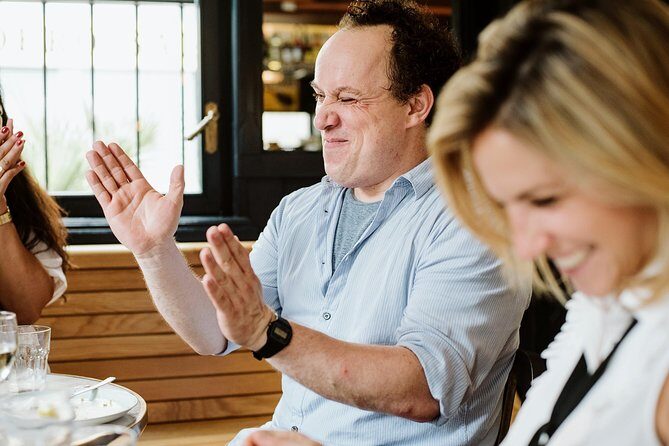
Across the guides who have led this tour, one theme shows up in the feedback: the best guides keep the food tied to Barcelona life—family-run stalls, neighborhood origins, and how locals actually order and snack.
You may be guided by people such as Alex, Jorge, Jordy, Mick, Hector, Ariana, Nika, Vera, or Andrea. The names change, but the common thread is clear: you’re not left to figure it out alone. You get food-and-place context, plus recommendations for what to do next.
If you’re worried about English-only, you’re covered: the tour is offered in English.
Dietary fit: who this works for, and where you need to be realistic
This tour states it’s adaptable for:
- vegetarians
- pescatarians
- gluten free (not celiac)
- non-alcoholic options
- pregnant women
It also says it’s not recommended for vegans, and that you may not have a replacement food option at every stop.
So here’s the honest planning advice: if you eat dairy and seafood, you’re likely to be in good shape. If you’re strictly avoiding gluten (celiac), this is a risk because it’s not described as celiac-safe. If you’re vegan, treat the standard route as a mismatch and consider alternative tours that are built for plant-based eating throughout.
When you book, mention your needs clearly. The tour’s adaptability depends on whether replacements exist at each tasting stop.
Timing, walking, and your comfort level
This is a walking tour with a moderate pace and a moderate physical fitness level requirement. The duration is about three hours, and the stops are tight enough that you’ll keep moving.
Wear comfortable shoes. Markets and old streets can mean more uneven surfaces than you expect, especially around Born and the approach to Barceloneta.
Also, don’t plan anything intense right after. Even if you’re fine with food, you’ll likely need a little downtime after a sit-down paella meal plus tastings.
Price and value: what you’re really paying for
At $107.63 per person for about three hours, this is not a budget snack crawl. But it’s also not just “a guide and a couple bites,” because you get several meaningful included elements:
- small group format (max nine)
- multiple tastings across different types of food stops (market, bakery, candy shop, bodega, and a full lunch meal)
- wine tastings included with the meal
- enough food to cover breakfast and lunch
The value angle here is simplicity. You’re buying the structure: someone handles the order of stops, makes sure you taste the local standards, and helps you avoid the trial-and-error that can waste time (and money) when you’re hungry and tired.
If you love food, this price makes sense because you’d normally spend at least one “real meal day” just figuring out where to go.
Should you book this Barcelona food tour?
Book it if:
- you want a high-hit tasting route through Santa Caterina, Born, and Barceloneta
- you’re excited to try cured meats, cheeses, cava-style drinks, vermouth, turrón, croissants, and seafood paella
- you like guided context—neighborhood origins like the bomba being tied to where it started
Consider skipping (or switching to something else) if:
- you get full quickly and don’t handle multiple tastings in one morning well
- you’re vegan and want guaranteed plant-based options at every stop
- you need celiac-safe gluten handling
My bottom line: this is one of the smarter ways to start Barcelona food decisions. You’ll leave with a much clearer idea of what to order, where the traditions come from, and how locals pace their eating—market first, snacks and sweets next, then a proper seaside lunch.