REVIEW · BARCELONA
Barcelona Gothic Quarter Walking Tour with Tapas
Book on Viator →Operated by Amigo Tours Spain · Bookable on Viator
Some streets in Barcelona feel like a living set. This 3-hour Gothic Quarter route gives you quick context for what you see, plus a real food payoff at the end.
I especially like how the tour starts at Plaza de Catalunya and moves methodically through key landmarks you’ll keep passing later in the trip. You also get a small but satisfying included tasting stop at Craft Barcelona (a drink and two pintxos, if you choose the option). One possible drawback: the Cathedral entrance isn’t included (it costs extra), and if your guide’s English is hard to follow, that can make the stories less fun.
If you’re lucky enough to get Ana, the experience can be extra smooth: people single her out for being fun, punctual, and packed with area knowledge. Another guide, Sylvia, also gets praise for making the streets feel meaningful after a few days of just wandering. That said, plan ahead for the most common snag: crowded meeting points and instructions that you should read closely so you don’t lose time.
In This Review
- Key highlights before you go
- Price and timing: why $29.04 can be a good deal
- Start at Plaza de Catalunya: your orientation fast-forward
- Las Ramblas in 10 minutes: famous, but you won’t drown in it
- Font de la Portaferrissa: the small stop that teaches you how old cities work
- Pont del Bisbe: a photo moment with real context
- Plaça de Sant Jaume: political power and ancient Roman lines
- Barcelona Cathedral: what you see first, and what costs extra
- Craft Barcelona tapas: the included finish that turns a walk into a night
- Guide quality: Ana and Sylvia, plus one real caution
- Who this 4:00 pm Gothic Quarter tour is for (and who it isn’t)
- Should you book this Gothic Quarter walking tour with tapas?
- FAQ
- Is the cathedral entrance included in the tour price?
- How long is the tour, and when does it start?
- What’s included with the tapas option?
- Where does the tour start and end?
- What languages is the guide in?
- Can I cancel and get a refund?
Key highlights before you go
- Small group size (max 20) means you’re not just a moving crowd of faces.
- Landmark-by-landmark pacing (about 3 hours total) helps you actually process the old-town details.
- Tapas at Craft Barcelona ends the night with something concrete: a drink plus two pintxos (option).
- Most stops are ticket-free, so your money mostly goes to the guide and the food.
- Cathedral costs extra (€11 for entry), so you’ll want cash/card ready if you plan to go in.
- Guide quality matters, and you should expect it to depend on who you’re assigned (Ana and Sylvia are frequent favorites).
Price and timing: why $29.04 can be a good deal
At $29.04 per person for an approximately 3-hour walking tour, you’re paying mainly for a local guide and an easy route through the Gothic Quarter’s busiest hits. Most of the included stops are listed as admission ticket free, which is a big deal in a city where tourist entries can add up fast.
The tradeoff is that you still need to budget for Barcelona Cathedral entry if you want to go inside. That’s €11 not included, so the real cost is closer to “tour + optional cathedral.” For me, that’s a fair setup: you can see a lot from the outside, and decide on the spot if you’re ready to pay for the interior.
Timing also matters. This one starts at 4:00 pm, which is smart for lighting and crowds. You get into the old streets before the evening energy fully takes over, yet you’re close to a dinner meal at the end.
You can also read our reviews of more walking tours in Barcelona



Start at Plaza de Catalunya: your orientation fast-forward
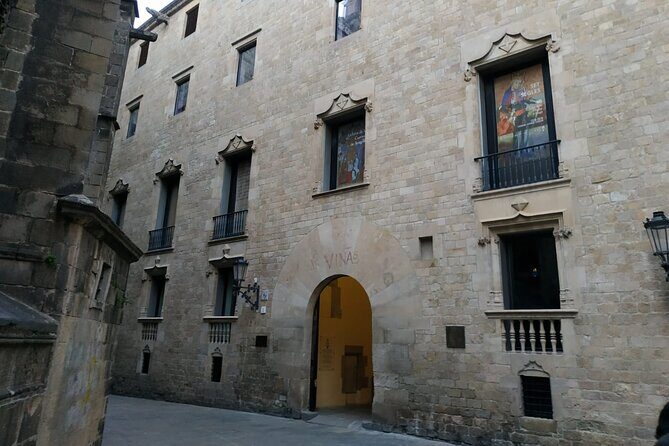
The tour begins at the Fountain of the Six Putti (Pl. de Catalunya, 31), then you spend about 15 minutes at Plaza de Catalunya. This square is huge—around 30,000 square meters—and it’s one of Barcelona’s main “you are here” points.
Why it works: if you’ve never been in Barcelona before, this stop helps you understand how the city channels people from the modern core toward the older lanes. It’s also a useful warm-up without feeling like you’re stuck in one spot. You’re moving while the guide sets the stage.
What to look for: don’t just skim the view. Take a moment to clock the flow of streets around you. Later, when you’re winding through the Gothic Quarter, you’ll recognize how this area connects to the rest of the city.
Las Ramblas in 10 minutes: famous, but you won’t drown in it
Next up is Las Ramblas for about 10 minutes. This street is famous for a reason: you’ll see it lined with flower stalls, souvenir sellers, and foot traffic that never seems to slow down.
The value here isn’t “wow, this is busy.” It’s getting a guided pass that keeps you from wandering randomly. The route description also points you toward the old port area by the sea, so you’re learning what the street is doing in the city’s layout, not just taking photos.
Practical tip: Las Ramblas is narrow in places and crowded. Keep your phone in your pocket until your group is moving, and use this as an orientation stop rather than a long browsing moment.
Font de la Portaferrissa: the small stop that teaches you how old cities work
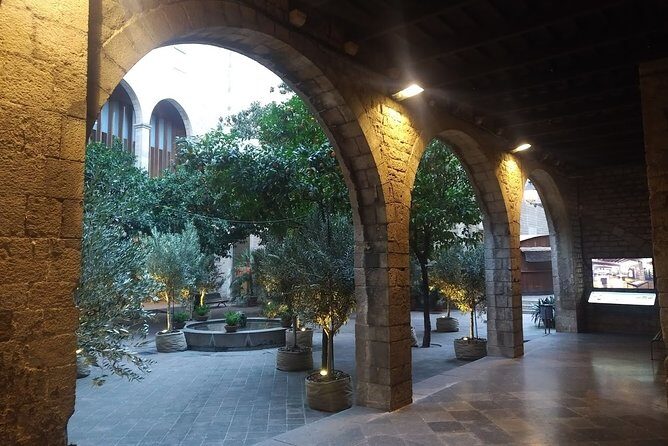
For around 10 minutes, you’ll visit Font de la Portaferrissa. This fountain served as one of the gateways when Barcelona was walled. Today, it’s decorated with ceramic artwork that shows an everyday scene from 18th-century Barcelona.
This is the kind of stop I like because it’s quick, visual, and interpretive. The guide isn’t just naming a fountain; they’re explaining why a specific spot mattered when the city had borders you could feel.
How to make it memorable: look at it like a landmark in a story. Ask yourself: if this was a gateway, what would people be doing here—entering, trading, moving between areas? That question alone makes the Gothic Quarter feel less like a postcard and more like a place with logic.
Pont del Bisbe: a photo moment with real context
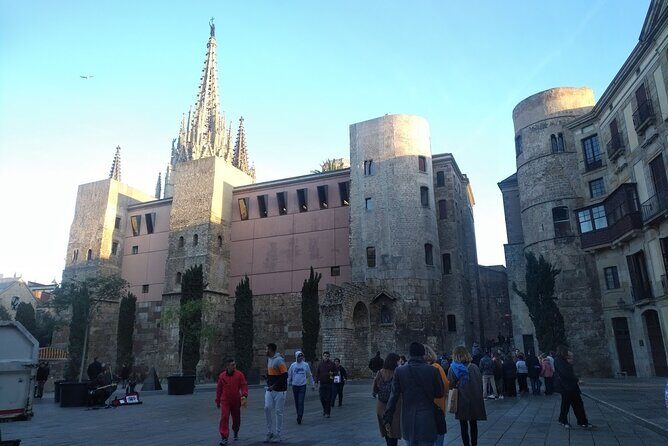
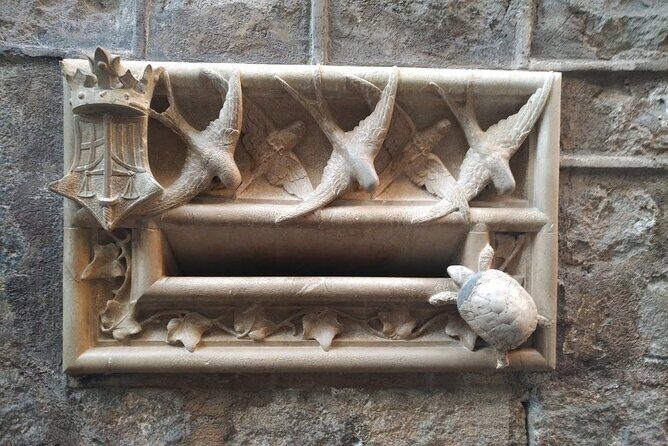
Then you’ll pass Pont del Bisbe (about 10 minutes). It’s one of the most photographed elements of the Gothic Quarter, and the tour specifically calls out that there are secrets hidden in the structure—plus you get time to take photos under it.
This stop is short, but it’s a good example of what you’re buying with a guide. Without context, a bridge can look like a pretty old object. With the explanation, it turns into something you recognize and understand.
Photo tip: don’t rush. If you want photos under the bridge, wait until you have clear space and the light looks decent. This is a spot where people stop abruptly, so a little patience will save you from a blurry shot.





Plaça de Sant Jaume: political power and ancient Roman lines
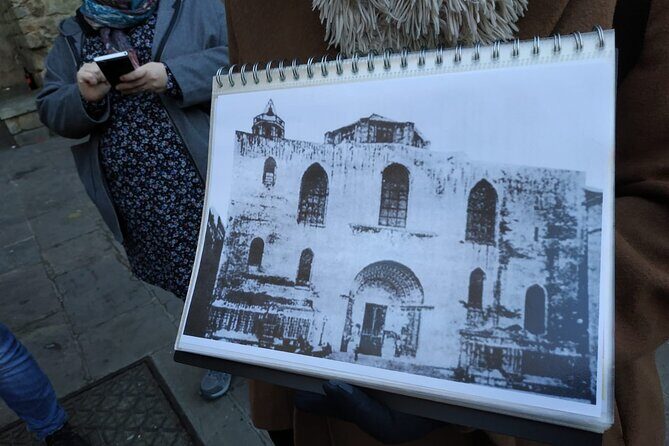
Next comes Plaça de Sant Jaume for about 15 minutes. This plaza is the administrative and political center of the city, and you’ll see the town hall plus the Palau de la Generalitat.
Then the guide adds an extra layer by connecting it to Roman planning: in Roman times, two major routes crossed here—the Cardo and the Decumanus. That detail matters because it explains why the area feels so central, even though the architecture around you is much later.
This is a great stop if you like “why this place matters” more than just “what it looks like.” And it gives you a pause before you move into the big-ticket attraction area.
Barcelona Cathedral: what you see first, and what costs extra
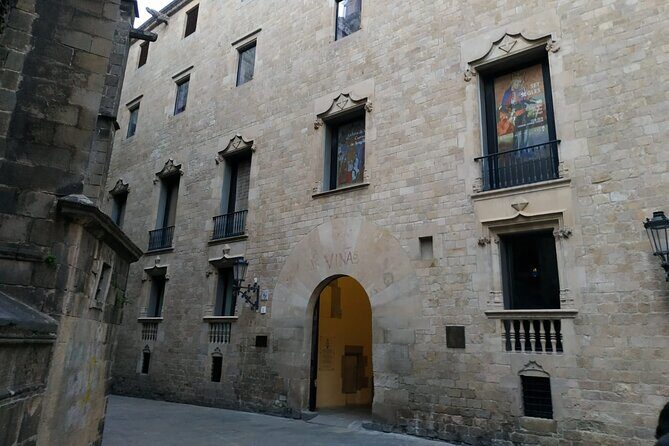
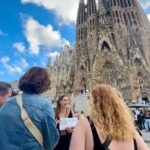
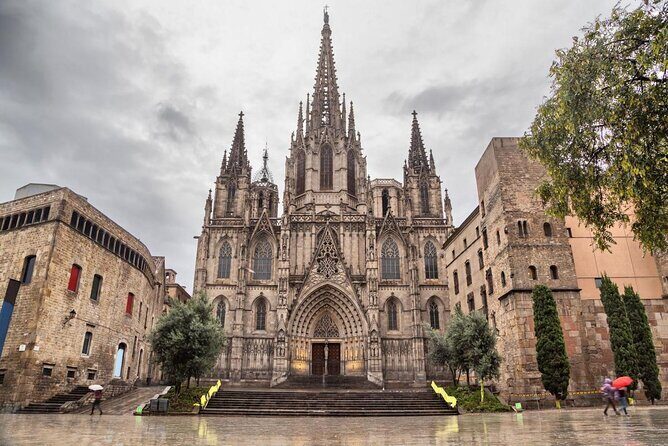
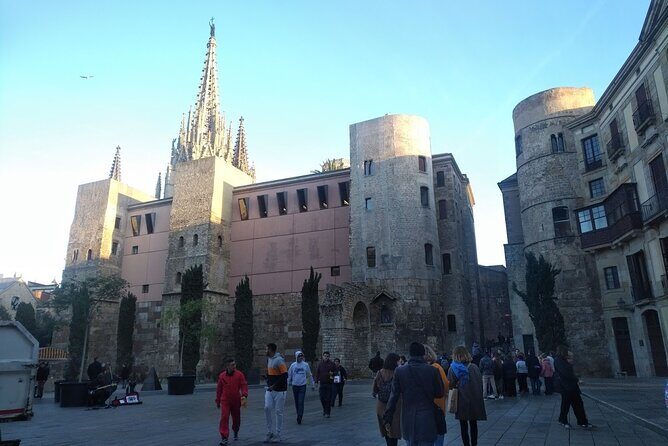
The largest sight time on the walk is Catedral de Barcelona (about 30 minutes). The tour notes that it was built on older foundations: an early Christian basilica, then a later Romanesque cathedral. The current style is Gothic.
The important catch: cathedral entrance isn’t included, and admission costs €11. That means your time at the cathedral area may feel different depending on whether the group chooses to go inside (or if the guide focuses on the outside and the quick orientation points).
My practical advice: if you’re the type who likes interiors—stained glass, vaulted ceilings, the whole hush-and-light effect—budget for the €11 and plan to go in. If you’re more focused on streets and atmosphere, you can still enjoy the Gothic Quarter vibe from outside and save the money for later.
Either way, this is a “pinch point” area for crowds. Keep your group pace in mind so you’re not stuck waiting while others pay and enter.
Craft Barcelona tapas: the included finish that turns a walk into a night
After the cathedral zone, you end with Craft Barcelona for about 30 minutes. This is where the optional upgrade becomes the point.
If you choose the option, you get a drink and two pintxos, and the tour description makes it clear you can stick around after the tasting. That’s useful because tapas hours are flexible; you can turn the scheduled stop into a real meal if the group wants to keep talking.
Why this ending is good value: you’re paying for a guide earlier, and then you’re not left with the annoying problem of figuring out dinner in a tourist-thick maze. Instead, you get a set start—drink + pintxos—at a specific spot.
What to do during your 30 minutes: don’t treat it like a quick snack and leave immediately. Use it to reset. You’ve just walked through the core; now you can linger, order something extra if you want, and enjoy the fact that you’re not trying to find a restaurant from scratch.
Guide quality: Ana and Sylvia, plus one real caution
The reviews data you have here points to a clear pattern: some guides bring the neighborhood alive, and some moments can feel harder if the guide’s English isn’t landing as well for you.
Ana gets standout praise for being fun, punctual, and full of good detail about the area. Sylvia also earns strong notes for helping the streets click—especially if you’ve already spent a couple days wandering nearby without structure. So if you’re assigned to a guide in that style, expect a more story-driven experience where you understand what you’re seeing, not just where it is.
Now for the one caution that matters for real life. There’s at least one reported experience involving meeting-point confusion in a crowded area. The core issue wasn’t the sights—it was that a group couldn’t locate the guide after arriving on time, with the meeting point being changed and communications failing.
Here’s how you protect yourself:
- Read your confirmation message closely the day before and the day of.
- Arrive a few minutes early, not right at the start time.
- Keep your phone charged and your messages ready.
- If you see the guide quickly, follow the group rather than trying to “check one more street” solo.
You can’t control crowds or every communication problem, but you can reduce the risk dramatically with those simple steps.
Who this 4:00 pm Gothic Quarter tour is for (and who it isn’t)
This tour is a good fit if you:
- Want a first-pass route through the Gothic Quarter that’s easy to follow.
- Prefer learning in short bursts rather than spending hours alone decoding old streets.
- Like a balanced mix of landmarks and street-level details, then food at the end.
- Are comfortable with moderate walking through busy zones.
It may be less ideal if you:
- Need a fully predictable, “no surprises” meeting setup in extremely crowded spots.
- Want the cathedral interior included for the price (it isn’t).
- Are very sensitive to English comprehension and you’re unsure about your tolerance for an accent or slower explanation.
On the bright side, the tour is designed for most people to participate, and the group limit of 20 helps the experience stay manageable instead of turning into a conga line.
Should you book this Gothic Quarter walking tour with tapas?
Yes, I think it’s worth booking if you want an efficient, guided introduction to the Gothic Quarter and you like ending with real food instead of guessing where to eat.
Choose it especially if you’re the kind of traveler who values context: the way a fountain becomes a former gateway, how a plaza ties to Roman street lines, or why a bridge is more than just a photo stop. The included tapas component (drink + two pintxos, if you select that option) is also a practical win.
I’d also book it if you’re traveling around 4:00 pm and want to avoid wasting your early evening in decision mode. Start with the landmarks, finish with food, then decide how late to stay.
The only strong reason to think twice is if meeting-point uncertainty would stress you out. If that’s you, be extra careful about reading the meeting details in your confirmation and arriving early.
If you get a top guide like the ones people highlight—Ana or Sylvia—you’re very likely to leave with your bearings. And that’s a big deal in Barcelona’s oldest streets.
FAQ
Is the cathedral entrance included in the tour price?
No. The Barcelona Cathedral entrance is not included, and the cost is listed as €11. The tour gives you time at the cathedral area, but you’d pay separately if you want to go in.
How long is the tour, and when does it start?
It runs for about 3 hours and starts at 4:00 pm. The walk includes multiple short stops plus time at Craft Barcelona for tapas.
What’s included with the tapas option?
If you choose the tapas option, you get a drink and two pintxos. The tapas stop is at Craft Barcelona.
Where does the tour start and end?
It starts at the Fountain of the Six Putti (Pl. de Catalunya, 31, Eixample, 08002 Barcelona) and ends in the Gothic Quarter in Ciutat Vella.
What languages is the guide in?
The guided tour is offered in both Spanish and English, and the experience is described as available in English as well.
Can I cancel and get a refund?
Yes. Cancellation is free if you cancel up to 24 hours in advance for a full refund. If you cancel less than 24 hours before the start time, the amount paid is not refunded.