REVIEW · BARCELONA
Barcelona: Gothic Quarter Walking Tour
Book on GetYourGuide →Operated by Barcelona Dragon Tours · Bookable on GetYourGuide
Barcelona’s Gothic Quarter speaks in stories.
What makes this walk so compelling is the German-language guiding and the way you move step by step through the Old City like you’re reading a timeline in the streets. I especially love how the route is structured but relaxed, with time for photos and bathroom breaks, while still covering everything from Roman-era hints to Middle Ages drama and even early 18th-century echoes. One possible drawback: it’s mostly an exterior tour, so if you’re hunting for lots of inside-the-building moments, you’ll want to know up front that interior exploration isn’t the main plan (there’s a cloister stop where clothing rules apply, though).
A standout for me was the guide. In the best version of this tour, your guide is Johannes, and the way he tailors the walk to personal needs adds real comfort if you’re traveling with different interests or energy levels. The main trade-off is that, even though the pace is relaxed, the streets are still streets—expect a decent amount of walking on uneven surfaces.
In This Review
- Key Highlights You’ll Actually Feel on the Ground
- Entering Barcelona’s Old City From Plaça de Catalunya
- A 3.5-Hour Timeline You Can Follow With Your Feet
- Romans to Middle Ages: Water, Power, and Big Stories in Small Streets
- The Dragon, the Brotherhood, and the Jewish Quarter Remnants
- Royal Power Up Close: Crown of Aragon, Advisers, and King Martin
- My Immortal, the Spanish Civil War Scars, and a Gothic Theme Park Mood
- Cloister Stop: What to Wear and Why This Moment Matters
- Santa Maria del Mar and the Collaborative Project Energy
- The Bourbon Vengeance Story and an Eyebrow-Raising Finale
- Price and Value: $212 Per Group Up to 4
- Weather, Pace, and Practical Packing Tips That Save the Day
- Who This Tour Fits Best (And Who Should Skip It)
- Booking Decision: Should You Book the Barcelona Gothic Quarter Walk?
- FAQ
- Is the tour in German?
- How long is the Barcelona Gothic Quarter walking tour?
- Is this a private group tour?
- Are interior visits included?
- What should I wear for the cloister stop?
- Does the tour run in bad weather?
Key Highlights You’ll Actually Feel on the Ground
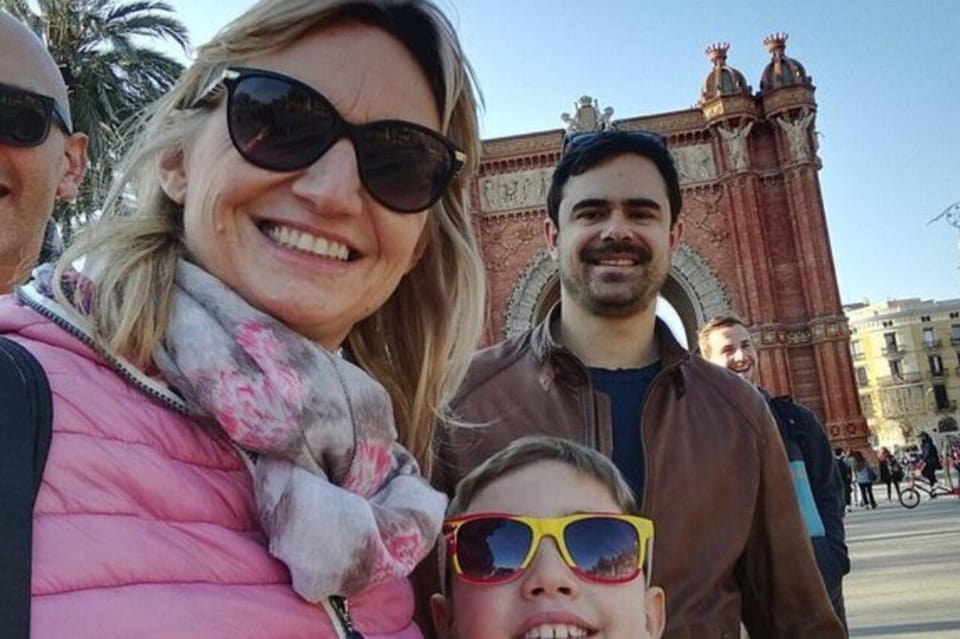
- German guide, clear storytelling that keeps the Gothic Quarter easy to follow
- Johannes-style personalization, with practical advice you can use later in Barcelona
- Mostly exterior views, with a cloister stop where dress requirements matter
- A timeline you can walk, from Romans to the Middle Ages and early 1700s
- Photo-friendly stops in small alleys and romantic squares
- Ribera and Barrio Gòtic energy, seeing how old and new sit side by side
Entering Barcelona’s Old City From Plaça de Catalunya
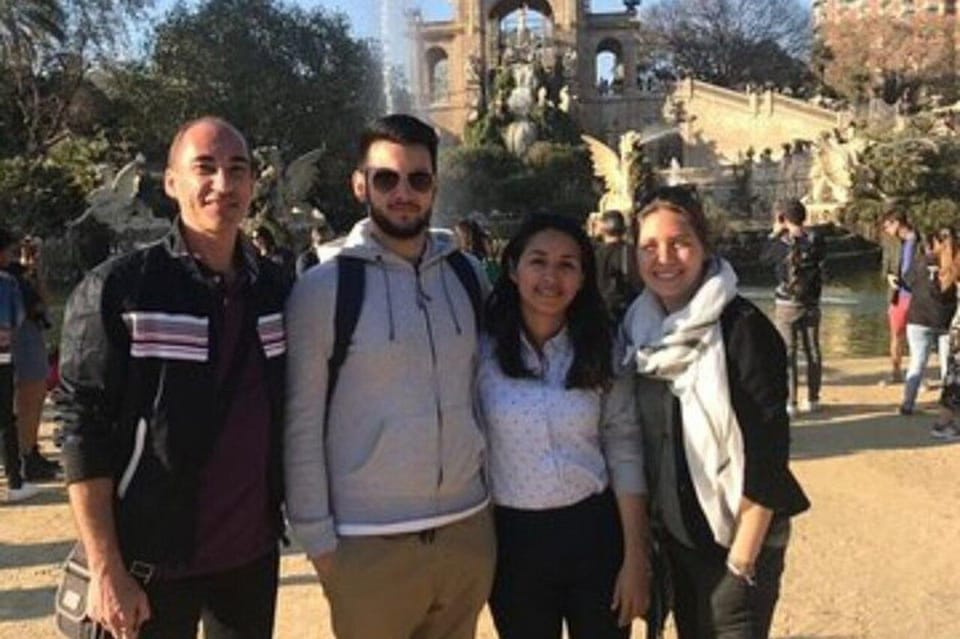
Most tours start in a pretty postcard spot, but this one begins right where Barcelona asks you to get your bearings fast. Your meeting point is in front of the Hotel Olivia Plaza at Plaça de Catalunya, 19. From there, you head toward the tight, atmospheric lanes that make the Barrio Gòtico feel like a different city.
This matters more than you might think. The Gothic Quarter can be confusing on your own—there are turns everywhere, and the buildings don’t label themselves. Having a guide from the start helps you understand what you’re looking at instead of just collecting photos.
And because the tour is listed as a relaxed walk with no rushing, it’s a good match if you want history without the treadmill feel. You’ll still be moving for about 3.5 hours, so wear shoes you’re comfortable with for long stretches.
You can also read our reviews of more walking tours in Barcelona



A 3.5-Hour Timeline You Can Follow With Your Feet
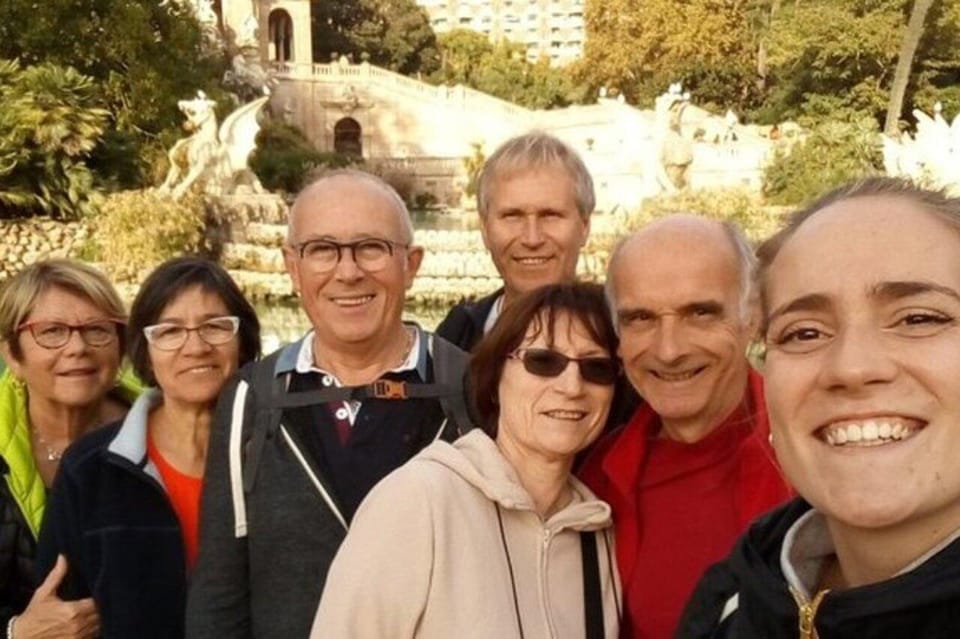
The core promise here is simple: every stone has a story, and you’ll walk through those stories in order. The tour follows a broad sweep—Romans, the Middle Ages, and then into the early 18th century. That’s a lot of time, but the way it’s presented keeps it readable, not lecture-y.
Here’s what you can expect the tour to do for you:
- You’ll learn what Barcelona’s past looked like when it was living, not static.
- You’ll connect names and places to the scenes you see in front of you.
- You’ll get a sense of how old and new Barcelona overlap in real neighborhoods.
The guide doesn’t treat Barcelona like a museum. You’ll be shown how the city keeps reinventing itself as a working port and living place. That blend—Mediterranean present-day life right next to medieval atmosphere—is exactly what makes the area worth walking instead of just driving through.
Romans to Middle Ages: Water, Power, and Big Stories in Small Streets
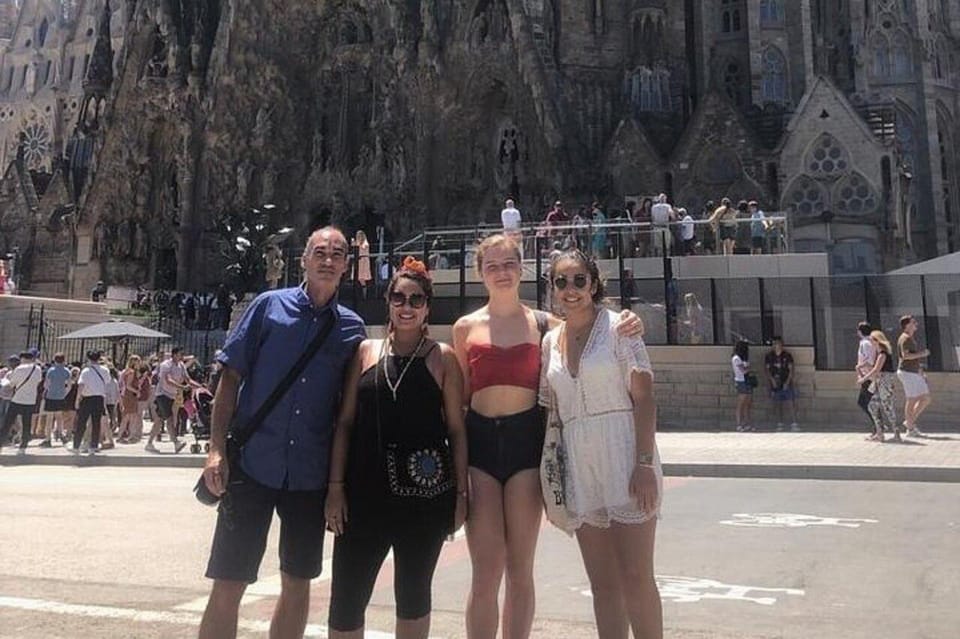
The tour doesn’t just say Medieval and move on. You get specific themes that lead you from one corner of history to the next.
One early theme focuses on Roman luxury, including a story tied to flowing water and a convalescent colony. The point isn’t to memorize ancient systems. It’s to give you a mental map: when you see certain features or layouts, you’ll know why the guide is pointing them out.
Then you shift toward a darker, power-heavy Middle Ages world: a holy city with political concurrence, a birth-of-a-nation drama with nasty and bloody turns, and legendary threads like how the dragon came to Barcelona. Expect the guide to link these to the places you pass, so you’re not just hearing myths—you’re hearing why the myths matter here.
If you like history, this is the kind of tour that makes it feel like people actually lived these streets.
The Dragon, the Brotherhood, and the Jewish Quarter Remnants
This is where the walk turns into character-driven storytelling. The route includes more than royal portraits and grand moments; it also brings in local legends and unsettling episodes.
You’ll hear about:
- The young girl in the pines and the French soldier’s bayonet
- A slightly spooky brotherhood
- The Jewish Quarter, described through remnants of a lost world
That last part is important: you’re not promised a tidy, happy history. Instead, you learn how neighborhoods hold traces—physical and cultural—even after communities change or disappear. Again, the tour stays grounded by keeping you outside and oriented to what you can actually see.
You’ll also get stories tied to the Inquisition and the hound kings, and how praise is not something to play with. It’s the kind of framing that gives the Gothic Quarter weight. It may not be the gentlest story hour, but it fits the area.
Royal Power Up Close: Crown of Aragon, Advisers, and King Martin
The walk builds toward political power in a way that feels like a living soap opera. You’ll get the Crown of Aragon story—from a smaller city to maritime force—then you’ll move through advice and governance themes: the advice of the hundreds and the general.
One of the stronger historical anchors in the tour is King Martin’s death, described as the beginning of the end of co-determination. Even if you don’t know the jargon going in, your guide’s job is to translate it into plain human stakes: how power shifts, how authority is contested, and how that affects the way a city develops.
Then you’ll encounter more royal drama, including a stop framed around a royal palace where King Fernando fights his fears and doesn’t receive Columbus at home. The fun part is that it doesn’t feel like trivia. It’s used to explain the mood and power structures that shaped the streets you’re walking.





My Immortal, the Spanish Civil War Scars, and a Gothic Theme Park Mood
Not all of the tour stays in the medieval past. Barcelona has layers, and you’ll feel that when the stories jump forward again.
There’s a themed segment around My Immortal, described as a romantic place with scars of the Spanish Civil War. You don’t need to be an expert to understand the emotional tone—this tour uses place to make the past tangible.
You’ll also hear the Gothic Quarter described like a theme park, where even houses seem to move stone by stone. That line is more than a joke. It points to what you’ll likely notice: the quarter’s buildings and architecture look like they were assembled and rearranged by time, need, and intention—not just “preserved.”
And yes, the tour includes the playful story called watch that egg dance. It’s the kind of moment that keeps the walk from turning into one long solemn lecture. You get history, but you also get atmosphere.
Cloister Stop: What to Wear and Why This Moment Matters
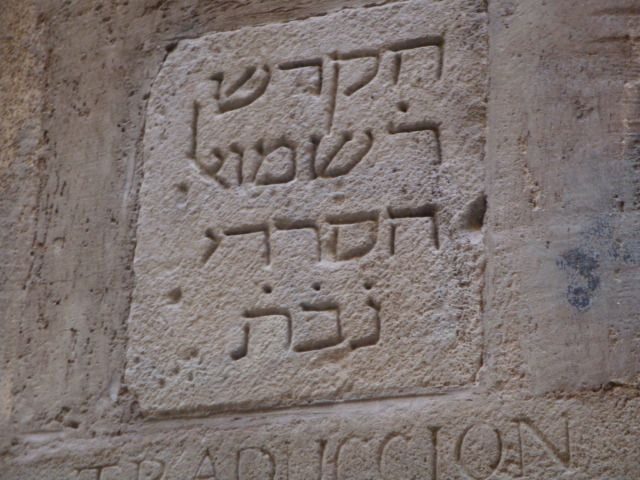
The tour is mostly exterior viewing—museum visits and interior exploration are not the focus, and entry fees are not included. Still, there is a cloister visit, and it comes with a clear dress code: wear at least knee-length clothing and cover your shoulders.
Why this is worth planning for:
- It’s one of the few places where you get a more contained architectural feel.
- It gives contrast after hours of streets and open squares.
- It’s practical to prepare, so you don’t end up stuck outside adjusting clothing.
If you’re traveling in warm weather, bring something light that still meets the requirement. If you’re going in cooler months, a thin layer is usually fine as long as your shoulders are covered.
Santa Maria del Mar and the Collaborative Project Energy
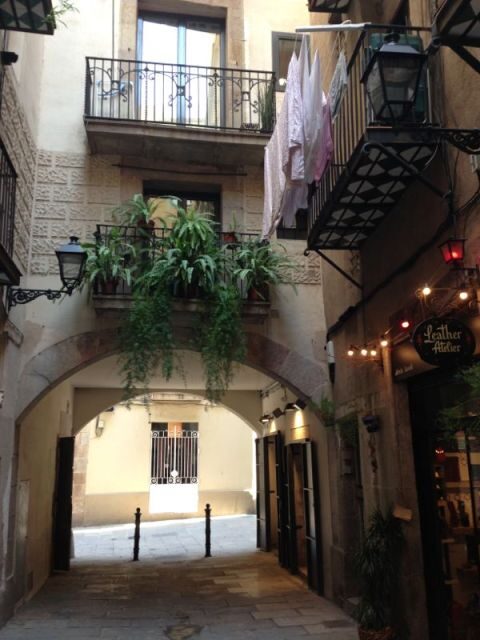
The tour also points you toward Santa Maria del Mar, framed as the first collaborative project, plus legends and heroes. Even without going inside on a typical “museum-style” schedule, the exterior viewing plus guided context can be enough to shift how you see the building.
This stop ties back to the guide’s bigger approach: Barcelona’s history isn’t only about crowns and kings. It’s also about communities working together, with stories that keep getting retold.
If you care about how cities were built by ordinary effort (not just royal decisions), this portion will likely feel like a welcome change.
The Bourbon Vengeance Story and an Eyebrow-Raising Finale
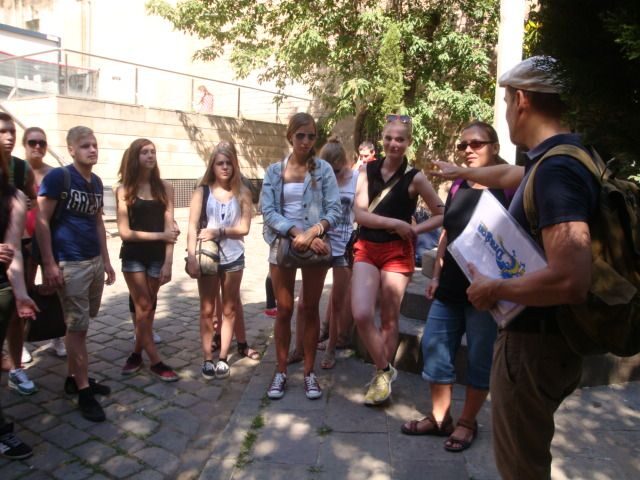
Later themes include the mulberry grave, connected here to vengeance of the Bourbon kings and the head of the general. Again, it’s not presented as a dry fact set. It’s framed as an episode that helps you understand why certain places have the reputation they do.
The tour also includes scenes described like a half house and the song of the knife-grinder. That kind of phrasing signals the guide’s style: human details, street-level voices, and short stories that make the Gothic Quarter feel lived in.
Then you close near Passeig del Born, 22, 08003 Barcelona, where the walk naturally fades into a more modern city flow. Ending in the Born area is a good move because you can continue your day without feeling stranded.
Price and Value: $212 Per Group Up to 4
At $212 per group up to 4, this is one of those prices that only feels fair once you think per person. If you book with two or four people, you’re often getting a far better deal than the single-person tour math.
What makes it good value for your time:
- You get 3.5 hours of guided storytelling with a live German guide.
- The tour is private group, so you’re not stuck with a crowd slowing everything down.
- You get practical add-ons from the guide, including tips for restaurants and shopping, plus pointers to local specialties.
One more value angle: the tour includes a guide who uses extra materials. In a high-scoring experience, Johannes included additional photos, which can really help if you want to understand what you’re seeing without guessing.
If your goal is a quick “see the sights” tour, you might find this too story-heavy. But if you want to understand what you’re walking past, it’s priced like a thoughtful experience.
Weather, Pace, and Practical Packing Tips That Save the Day
This tour runs in sun, rain, and wind, including strong showers. That’s rare enough to take seriously. You should plan on rain protection if the forecast even looks moody.
For summer, the guide’s practical advice lines up with common sense: hat, sunglasses, sunscreen, and a little bottle of water. In winter, a jacket or thin coat should work.
Also remember the route sticks mostly to streets and squares so you can experience the groups up close. That means you should expect narrow lanes and frequent turns. The walking is described as relaxed, but comfortable shoes still matter.
Who This Tour Fits Best (And Who Should Skip It)
This tour is a strong fit if you:
- Prefer German-language guidance
- Want a Gothic Quarter experience that connects legends to the places you see
- Enjoy history presented as stories, not a timeline you need to memorize
- Want practical city advice at the same time (food and shopping tips included)
You might reconsider if you:
- Only care about interior visits and entrances
- Need a tour that’s completely flat or minimal-walking (the information says it’s accessible, but it’s still a walking experience through the old city streets)
- Don’t read or understand German well enough to follow the guide comfortably
Booking Decision: Should You Book the Barcelona Gothic Quarter Walk?
If you’re choosing between a random self-guided stroll and a guided storytelling walk, I’d pick the guided one—especially if you want context fast and you like atmosphere. The combination of a structured route, a guide who adapts to personal needs (Johannes is repeatedly highlighted), and the practical aftercare tips for food and shopping makes this feel like more than a history lecture.
Just go in with the right expectations: it’s mostly exterior viewing, with a cloister stop that has a clear dress code. If that matches your style, this is an excellent way to get your bearings in the Barrio Gòtic and see why Barcelona’s old stones still matter today.
FAQ
Is the tour in German?
Yes. The live guide language is German.
How long is the Barcelona Gothic Quarter walking tour?
It lasts about 3.5 hours.
Is this a private group tour?
Yes, it’s offered as a private group.
Are interior visits included?
Most of the experience is exterior viewing, and interior visits are not part of the program (entry fees are not included). There is also a cloister visit, which has specific clothing requirements.
What should I wear for the cloister stop?
You need at least knee-length clothing and your shoulders must be covered.
Does the tour run in bad weather?
Yes. It runs in sun, rain, and wind, including strong showers.