REVIEW · BARCELONA
Barcelona: Gothic, Tapas & Churros Small Group Tour
Book on Viator →Operated by Castlexperience Wine Tours · Bookable on Viator
Barcelona has a smell-and-sound rhythm all its own. This small-group tour ties together the Gothic Quarter’s landmarks with real food stops so you see the city and then taste what people actually talk about. I love the way the route mixes big sights like the cathedral with smaller, mood-setting moments, and I love that the lunch isn’t just an afterthought; it’s built into the walk. One thing to consider: you’re on your feet for most of the 3.5 hours, and you’ll be eating churros and tapas as part of the experience.
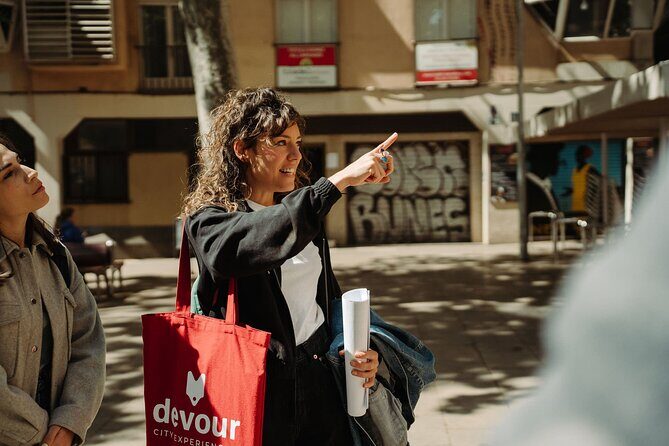
You’ll meet at Hard Rock Café near Plaça de Catalunya and head into the old streets around El Raval, Gothic, and Sant Pere. Guides such as Susana or Vince (you might be lucky enough to get one of them) bring strong historical context and a warm, conversational style, so the walk feels like Barcelona with a friendly translator.
In This Review
- Key things I’d bank on before you go
- Getting Oriented at Hard Rock Café and Starting at 11:45
- Els 4 Gats, the Kissing Wall, and the Gothic Streets’ Dramatic Mood
- Barcelona Cathedral and the Neo-Gothic Views You’ll Want to See Twice
- Santa Maria del Pi and the Surrounding Corners of Medieval Barcelona
- The Darker Corners and Why That Story Changes How You See the Streets
- Mercat de la Boqueria: Smells, Colors, and Guided Choices
- Churros, Aperitif, and a Traditional Tapas Lunch That Fits the Walk
- How the Walk Stays Comfortable in 3 Hours 30 Minutes
- Price and Value: Is $53 Worth It?
- Who This Tour Fits Best (and Who Should Think Twice)
- Should You Book This Barcelona Gothic Quarter Food Tour?
- FAQ
- What is the duration of the tour?
- How much does the tour cost?
- Where does the tour start and when?
- Where does the tour end?
- Is there hotel pickup or drop-off?
- What’s included in the food part of the tour?
- How large is the group?
- Is the tour in English?
- Do I need to bring a printed ticket?
- What if my plans change—can I cancel?
- Is the tour near public transportation?
- Is there an option to extend the day?
Key things I’d bank on before you go
- A small group (max 20) that keeps questions flowing and the pace from turning into a shuffle
- Food stops that drive the timing so you’re not wandering hungry or guessing where to eat
- Iconic Gothic landmarks like Barcelona’s Cathedral, Santa Maria del Pi, and Sant Felip Neri, plus the famous kissing wall area
- Mercat de la Boqueria on the route, which is ideal because you get guidance before the crowds and noise take over
- Included lunch structure (churros, an aperitif, and a traditional tapas lunch) so you can plan your afternoon
- Hard Rock Café start near public transit, which makes it easy to reach without complicated logistics
Getting Oriented at Hard Rock Café and Starting at 11:45
The tour starts at 11:45 am at Hard Rock Café, Plaça de Catalunya 21 (Ciutat Vella). That’s a smart choice. Plaça de Catalunya is one of Barcelona’s most connected hubs, so you can get there by public transportation without a long taxi run.
You’ll receive a mobile ticket, and the activity ends back at the meeting point. That matters more than it sounds. When you’re done walking and eating, you’re not stranded across the city trying to reverse-engineer your way home.
With a maximum group size of 20, it’s the kind of walk where you can actually hear the guide and still stop for photos without holding everyone up. Expect a steady walking pace through narrow streets. If you’re the type who likes to stop for one extra look at a façade, you’ll be happy you chose a guided route instead of trying to self-navigate the Gothic web.
You can also read our reviews of more tours and experiences in Barcelona.
Els 4 Gats, the Kissing Wall, and the Gothic Streets’ Dramatic Mood
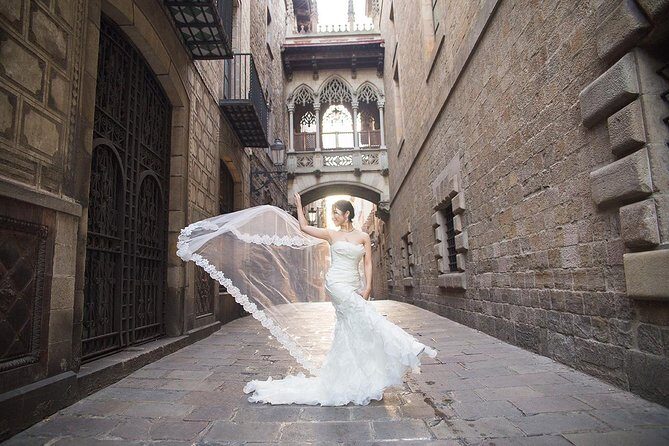
The early part of the walk sets the tone. You’ll go past Els 4 gats, an iconic modernist bohemian spot, and then head toward the area known for the kissing wall near Sant Felip Neri.
I like how this section works as a “tone setter.” Barcelona’s Gothic Quarter can feel like a maze if you go in cold. Here, the guide puts landmarks into story form—why certain buildings and corners matter and how the street patterns shape what you see next.
The kissing wall stop is also a good example of why a guide helps. If you’re just looking, you might miss what makes the setting so memorable. With direction, you get to enjoy the romance without turning it into a tourist circus.
A practical tip: plan to look up. The streets here reward attention to detail—carved stone, doorways, and small changes in architectural style that you’d never notice at street level without someone pointing them out.
Barcelona Cathedral and the Neo-Gothic Views You’ll Want to See Twice
Next up is the cathedral area, which is the kind of stop that can look impressive in a quick glance and then become even better after you understand what you’re looking at.
You’ll spend time with Barcelona’s Cathedral and take in the surrounding roman wall. The tour’s description focuses on the “magnificient Neo-Gothic Cathedral,” and I get why. Gothic architecture has a way of making you slow down. The lines and stonework don’t just sit there; they frame the entire street scene around them.
What I like about this segment is that it’s not only about the façade. You also get context for the surrounding structures, so the space feels less random. You’re not just standing in front of a famous building; you’re standing in an area layered with different eras.
If you’re sensitive to crowds, aim to be flexible with your photo timing. This is a popular zone. The good news is that the tour is paced so you’re not constantly fighting to move.
Santa Maria del Pi and the Surrounding Corners of Medieval Barcelona
As you continue, the tour keeps you moving through the Gothic neighborhood by focusing on standout religious and street-level landmarks like Santa Maria del Pi. This is one of those churches that feels like it belongs to the neighborhood itself rather than sitting apart from it.
I also appreciate the tour’s way of linking religious buildings to everyday street life. Medieval towns didn’t function like modern cities with clear zoning. Here, sacred spaces are woven into the same pedestrian reality as cafés, passageways, and market noise.
And then you reach the stops that feel like a shift in atmosphere—think of the places you’d label on a map as “small” but that turn out to have the weight of old events. You’ll see a prettiest hidden square, framed by history tied to darker times, and a reminder of what medieval Barcelona feels like when you’re standing inside it.
Is this your favorite part? It can be. Even if you’re not a history fanatic, these “pause moments” help you make sense of the neighborhood. Without them, the Gothic Quarter can feel like nonstop pretty stone.
The Darker Corners and Why That Story Changes How You See the Streets
The tour includes a stop at a beautiful, less obvious square with history from darker times. I’m glad that’s in the mix. The Gothic Quarter is often sold as atmosphere. It is atmosphere—but it’s also a place where politics, power, and survival left their mark.
You don’t need to remember every detail. What matters is that you leave with a clearer mental map: which streets are for wandering, which areas feel more exposed to historical forces, and why certain spaces are designed the way they are.
A small caution: if you prefer purely light and cheerful sightseeing, this part might feel heavier than expected. It’s brief and guided, but it’s not purely postcard.




Mercat de la Boqueria: Smells, Colors, and Guided Choices
Then comes the food crescendo at Mercat de la Boqueria. The tour explicitly leans into what you can expect here: the smells, noises, and colors of a multicultural gastronomic hub.
This is a perfect stop to do with a guide. Boqueria can overwhelm you fast—so many displays, so many choices, so many people shoulder-to-shoulder. With guidance, you’re not just wandering with a confused stomach. You’re directed toward what fits the tour’s flow and what pairs well with the rest of the meal plan.
I also like that the tour doesn’t treat the market as a photo-only moment. It treats it as part of the city’s daily rhythm. That’s where the Gothic Quarter starts to feel alive in a different way: not just old stone, but living food culture.
If you have a sensitive stomach or strong aversions to intense smells, take a beat before you enter the densest stalls. The market can be loud and sensory-heavy, by design.
Churros, Aperitif, and a Traditional Tapas Lunch That Fits the Walk
Food is the main reason many people book this kind of tour—and in this case, the plan is thoughtfully structured. The experience includes:
- Churros
- an aperitif
- a traditional tapas lunch (served at several gastronomic stops)
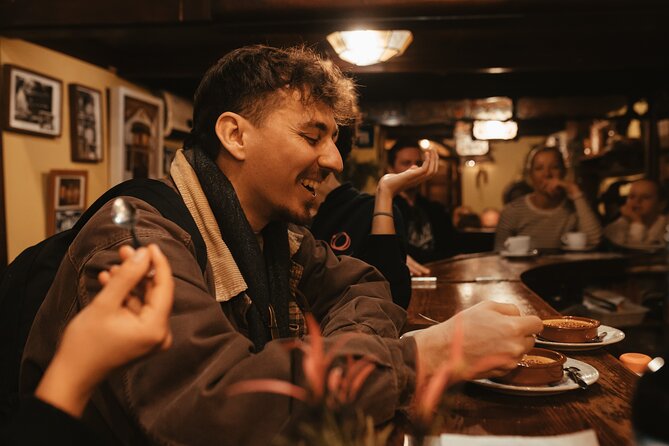
I like that churros appear early enough to feel like a reward, not a random dessert detour. And tapas lunch is a good way to keep things social. You get a spread rather than one heavy plate that kills your energy for the rest of the walk.
About the aperitif: guides tend to bring it to life with local context. For example, my guide experience with Susana included lots of friendly chat about enjoying vermouth with friends, and that kind of candid local flavor is part of why these stops work.
One practical note: the included food is part of the fixed itinerary. If you have strong dietary restrictions, you’ll want to ask in advance what options are typically available for tapas and sweet items like churros. The tour data confirms those specific items are included, but it doesn’t spell out alternative menus.
How the Walk Stays Comfortable in 3 Hours 30 Minutes
The duration is about 3 hours 30 minutes, and that’s a key value point. It’s long enough to get real storytelling and multiple stops, but short enough that you’re not spending half a day buried in tourist logistics.
What makes it workable is the rhythm:
- Gothic landmarks and side streets that make sense as you move
- A major food environment at Boqueria
- A structured lunch with several gastronomic stops
Also, you’re not expected to start from scratch. The meeting point is central, the tour is in English, and it runs in neighborhoods like El Raval, Gothic, and Sant Pere—areas where walking is the only sane way to see things.
If you want to add a bigger day plan, the tour also mentions a Combo Tour option that includes Montserrat in the afternoon, avoiding morning crowds. That’s a smart pairing because it lets you do city food and streets first, then switch to mountain views later.
Price and Value: Is $53 Worth It?
At $53, this is priced like a modern, practical food-and-sights walking tour. The value comes from two things you’re actually getting:
- Guided time in a dense historic area where self-guided wandering can waste hours
- A meal structure that includes churros, an aperitif, and tapas lunch, rather than asking you to find everything on your own
If you’ve ever paid for a food market experience without the guide and then spent extra money figuring out what to eat, you already know why guided tours can be cheaper than they seem. Here, the food is built into the schedule, so you spend less time deciding and more time enjoying.
Big note: tips aren’t included, so budget for that if you want to be fair. The tour also doesn’t include hotel pickup/drop-off, but since the meeting point is near public transportation, that’s usually a minor concern rather than a dealbreaker.
Who This Tour Fits Best (and Who Should Think Twice)
This tour is a great fit if you want:
- a focused Gothic Quarter experience without planning your own route
- meaningful sights like Barcelona’s Cathedral and Santa Maria del Pi
- a guided run through Mercat de la Boqueria
- included tasting stops that add up to a full meal
You might think twice if:
- you have dietary restrictions that could conflict with churros/tapas (confirm options ahead of time)
- you prefer sightseeing that’s strictly quiet and slow (this includes market noise and walking time)
- you want a fully independent experience without scheduled food
Should You Book This Barcelona Gothic Quarter Food Tour?
I think it’s an easy yes for most first-timers—especially if you like your Barcelona with both stories and food. The combination of Gothic landmarks, the sensory hit of Boqueria, and a real lunch plan makes the 3 hours 30 minutes feel efficient instead of rushed.
Book it if you want to:
- learn what you’re seeing while you walk
- eat your way through the city instead of hunting restaurants
- join a small group where you can ask questions
Skip it or ask extra questions before booking if you have food limitations or you absolutely don’t want to spend time in busy market areas.
If you want a starter day in Barcelona that sets you up for the rest of your trip, this is a strong choice.
FAQ
What is the duration of the tour?
It runs for approximately 3 hours 30 minutes.
How much does the tour cost?
The price is $53.
Where does the tour start and when?
The tour starts at Hard Rock Café, Plaça de Catalunya 21, at 11:45 am.
Where does the tour end?
It ends back at the meeting point (Hard Rock Café).
Is there hotel pickup or drop-off?
No. Hotel pickup and drop-off are not included.
What’s included in the food part of the tour?
You’ll have several gastronomic stops including churros, an aperitif, and a traditional tapas lunch.
How large is the group?
The maximum group size is 20 people.
Is the tour in English?
Yes, it’s an English guided tour.
Do I need to bring a printed ticket?
No. You’ll use a mobile ticket.
What if my plans change—can I cancel?
Cancellation is free up to 24 hours before the experience starts. Within 24 hours, the amount paid is not refunded.
Is the tour near public transportation?
Yes, the meeting point is near public transportation.
Is there an option to extend the day?
The experience mentions a combo option to do Montserrat in the afternoon, avoiding morning crowds.