REVIEW · BARCELONA
Barcelona: Local Market & Street Food Walking Tour
Book on GetYourGuide →Operated by Orange Umbrella Srl · Bookable on GetYourGuide
Food stories in Barcelona start here. This street food walk strings together local bites with famous sights, so you get flavors and context in one route. I like the combination of a local guide and a market stop at La Boqueria, one of Europe’s oldest markets. It also takes you through the kind of central streets you’ll want to understand later on your own.
I also like that the tastings are spread across traditional, family-run spots instead of being one restaurant with a set menu. The tour is designed as a walking sampler, with stops like jamón, cheese, pinchos, pastries, and seasonal treats. One possible drawback: the food portions are meant for sampling, so if you’re expecting a big meal, you may feel it is not a ton of food.
You’ll cover a lot of Barcelona in 2.5 hours, including iconic areas like the Rambla and Plaça Sant Agusti, plus sights along the way like Casa Bruno Cuadros and Santa Maria del Pi. If you want an efficient way to get your bearings in the old center while eating, this is a solid choice.
In This Review
- Key highlights you’ll actually notice
- Why La Boqueria and street-food walking tours work so well
- Finding the meeting point near Liceu (Miro’s mosaic on the ground level)
- La Boqueria Market: 13th-century stalls and what to watch for
- Rambla, Plaça Sant Agusti, and the old town walk between bites
- What you’ll eat on this tasting walk (and how it really feels)
- How the guide adds value: stories, pace, and photo-friendly stops
- Price and value: Is $50 for 2.5 hours fair?
- What to bring, and what to plan around on the walk
- Who should book this tour, and who should skip it
- Should you book this Barcelona Local Market and Street Food Walking Tour?
Key highlights you’ll actually notice
- La Boqueria, founded in the 13th century, for a real market atmosphere
- A street-food tasting mix: jamón, cheese, pinchos, pastries, and seasonal treats
- Iconic sight-walk route, including Rambla, Plaça Sant Agusti, and stops around the old town
- Guide-led stories about Catalan food culture and how it evolved
- English live guide and a route that helps you understand central Barcelona fast
- Meeting at Miro’s mosaic (ground level) outside Liceu metro station, easy to find
Why La Boqueria and street-food walking tours work so well
Barcelona has a way of turning everyday food into culture. Markets here are not only for shopping; they’re social spaces where you can see ingredients, traditions, and small businesses doing their thing. That’s why a guided street-food route makes sense: you taste more than you could on your own, and you also learn how the city frames food.
This kind of tour is especially useful if it’s your first couple days in town. You’ll be walking through the central areas that most first-time visitors try to map later, when their feet are already tired. Here, the walking and the eating support each other, so you’re moving through the city while it still feels easy.
The big value is the pairing of market energy with street-level flavor. La Boqueria sets the scene with its long-running market life, and then the smaller neighborhood tastings keep you from getting “market fatigue.” It’s a practical way to experience Barcelona food culture without needing a food background to enjoy it.
You can also read our reviews of more walking tours in Barcelona

Finding the meeting point near Liceu (Miro’s mosaic on the ground level)
Logistics matter, because if you miss the start, the whole tour rhythm collapses. You meet the guide by Miro’s mosaic at ground level, located outside Liceu metro station. The location is specific, which usually helps a lot in busy tourist zones.
A useful planning tip: arrive 10 minutes early so you can spot the mosaic without rushing. Wear comfortable shoes because this is a walking experience, not a hop-on hop-off situation. If the weather is hot or bright, sunscreen and a water bottle will make the walk much more pleasant.
Also, plan your first stop around where you’ll be after the tour. Since there’s no hotel pickup or drop-off, you’ll want your next plan to start near central Barcelona. This tour naturally ends in that same general region, so you can roll right into dinner or a museum visit.
La Boqueria Market: 13th-century stalls and what to watch for
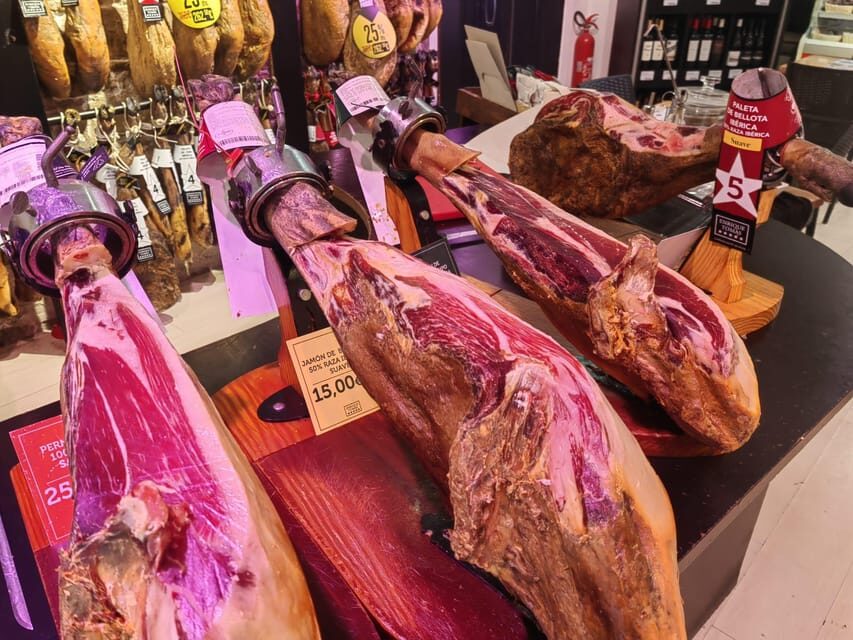
La Boqueria is the core stop, and it’s easy to see why. The market traces back to the 13th century, which gives you more than a pretty place to take photos. You’re tasting in a space that has operated for centuries, so you’re getting a snapshot of long-term trading and eating habits.
When you arrive, you’ll be surrounded by the visual language of a working market: product displays, busy counters, and the steady flow of people buying food to eat now. On a guided tour, that can help you focus, because you’re not guessing what’s best or where to stand. Your guide takes you to specific sampling points, which saves time and reduces decision stress.
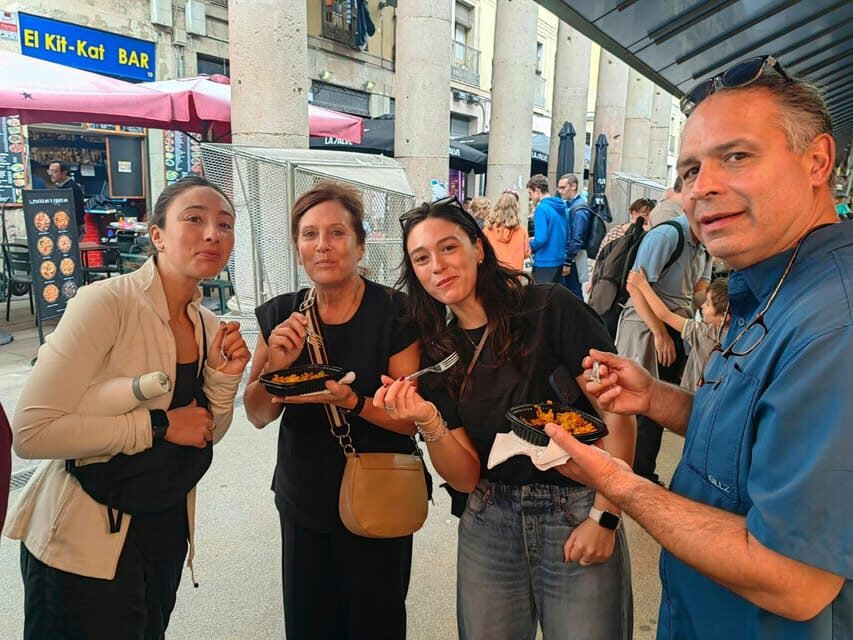
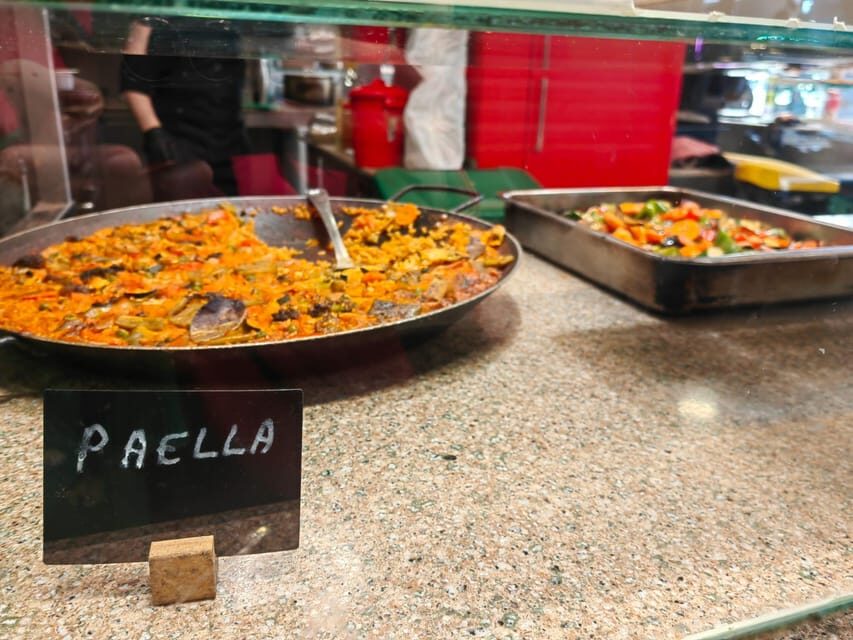
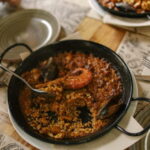
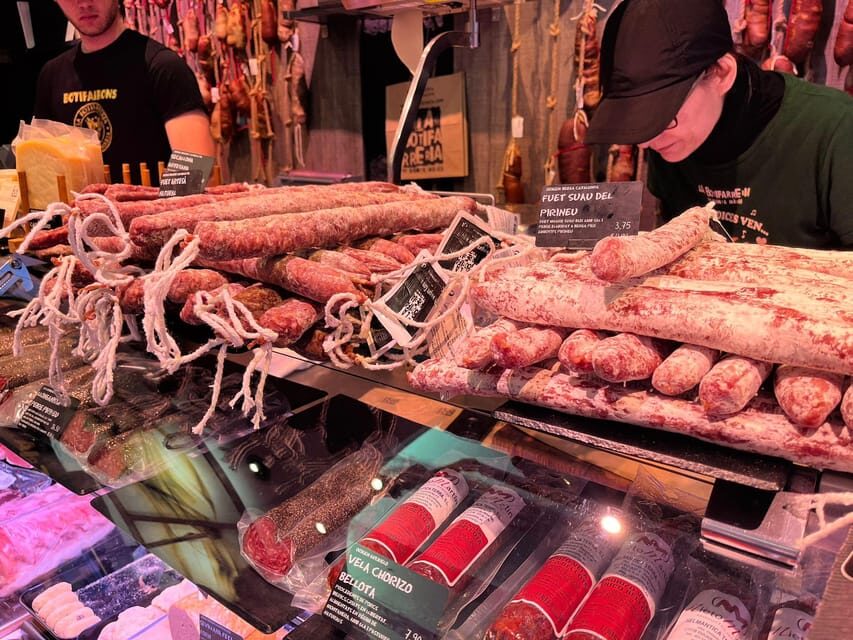
What you might eat at La Boqueria depends on what the market has on offer that day, but expect classic Catalan-style choices that fit street-food traditions. The tour description points to savory tapas and local delicacies, and one review specifically mentions paella as part of the tastings at Mercat de la Boqueria. So if you’re a paella fan, it’s worth leaning in when your guide offers it.
A quick consideration: markets are crowded and you’ll likely be standing close to other people during tastings. If you don’t love tight spaces, bring your patience. The upside is that the market setting gives your food choices context you can’t easily copy elsewhere.
Rambla, Plaça Sant Agusti, and the old town walk between bites
Food tours can turn into a shuffle from one place to another. Here, the walking route is part of the experience, with stops and views that help you connect the food with the city itself.
Your path goes past the Rambla, a major Barcelona corridor that you’ll recognize right away, even if you don’t know the side streets. The tour also includes Plaça Sant Agusti, plus additional points like Casa Bruno Cuadros and Santa Maria del Pi. Those names matter because they mark you through the old center’s layout, so later you can navigate on your own with more confidence.
One of the most practical benefits is that you’re learning what the central neighborhoods feel like, not just what they look like. When a guide points out landmarks while you’re eating, it sticks. It’s also a nice way to see “where you are” while your brain is still fresh and your schedule is still flexible.
If you’re thinking of pairing this with other sightseeing, the route is built for that. Reviews mention the Gothic Quarter and even seeing Barcelona Cathedral as part of the experience. So you may finish the tour feeling like you’ve already sampled part of the city’s big sightseeing hits, without needing to plan them in advance.
What you’ll eat on this tasting walk (and how it really feels)
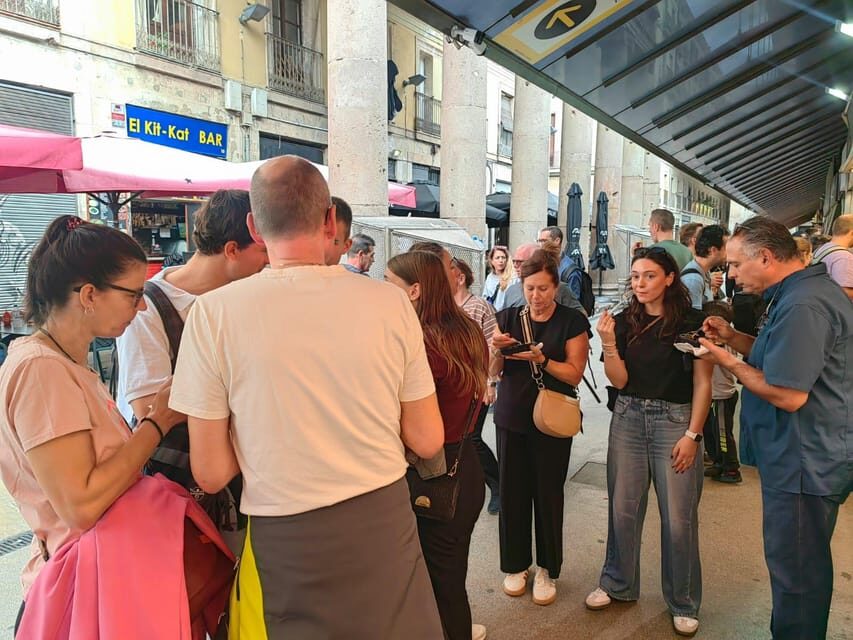
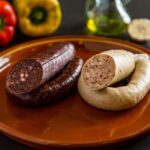
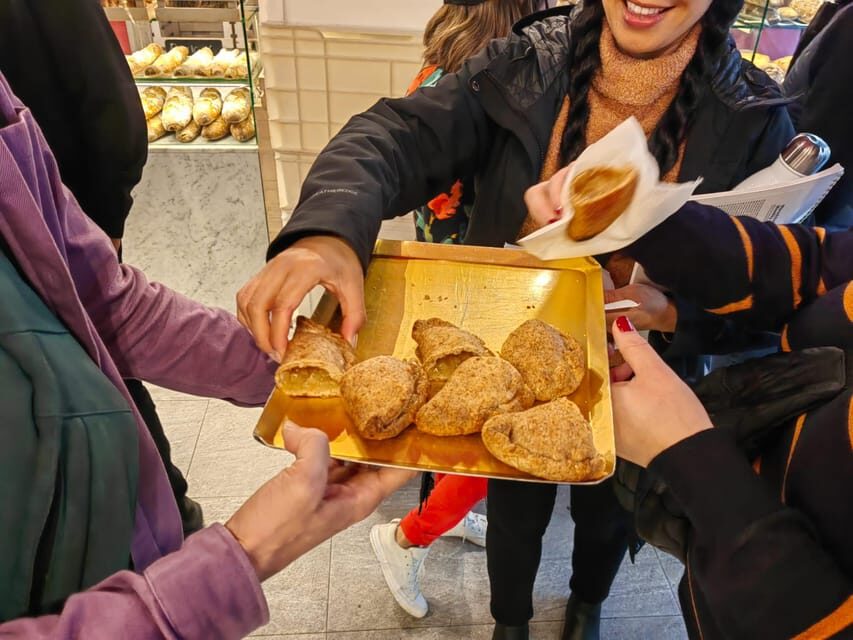
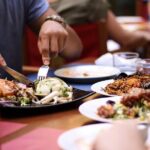
This is a tasting-focused tour. That matters because it shapes your expectations. You’ll sample a variety of street foods and local specialties like jamón, cheese, pinchos, pastries, and other seasonal treats.
The menu style fits how Barcelona tends to eat on the street: small plates, quick bites, and flavors that change based on what’s available. Your guide moves you from stop to stop, and the tastings are meant to keep you exploring rather than settling into one heavy meal.
In real terms, I’d treat this as an appetizer-heavy experience. One review notes that portion sizes could be slightly increased, and that there isn’t a ton of food. So if you get hungry easily, you’ll probably still want a proper dinner after. The good news is that the variety helps. You’re not repeating one flavor profile over and over, and you’re learning what “street-food Barcelona” means.
If you have allergies or dietary limits, read the fine print carefully. This tour is not suitable for vegans, and it’s also listed as not suitable for people with gluten intolerance or lactose intolerance. That’s not a small detail. It strongly affects whether you can safely participate and still enjoy the experience.
You can also read our reviews of more food & drink experiences in Barcelona
How the guide adds value: stories, pace, and photo-friendly stops
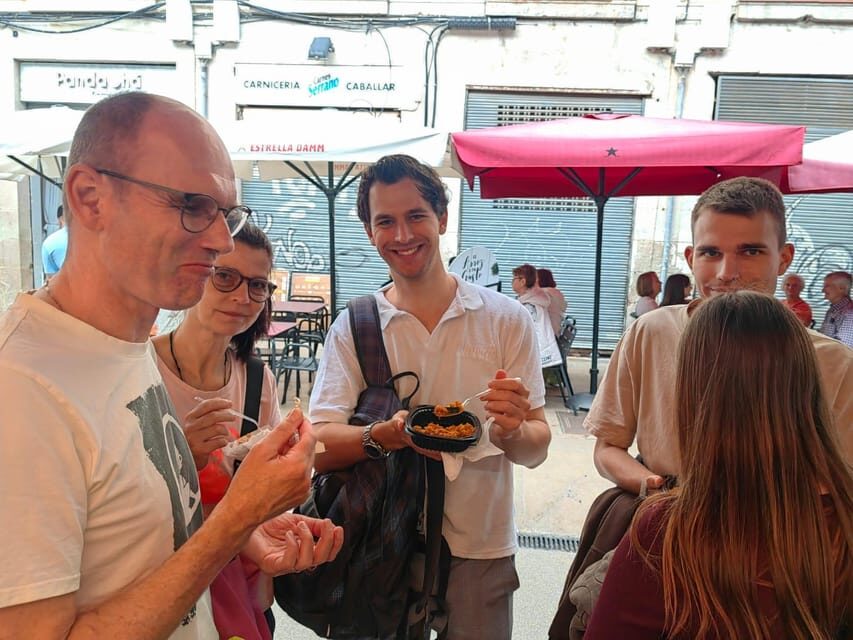
Food tastes better when someone tells you what you’re looking at. The tour is led by a live English guide, and the guide’s job is more than handing out bites. You’ll hear stories about Barcelona’s culinary history, local traditions, and cultural curiosities that have shaped how people eat.
The tour experience feels smoother when the guide can manage timing and movement. Reviews highlight that guides like Vincenzo/Vincent are both fun and informative, and that they’re patient if you want photos at the sights where you’re tasting. That’s a real quality-of-life detail. In busy central areas, people often rush. A relaxed pace helps you enjoy the food instead of just surviving the walk.
It also helps that the route mixes big recognizable sites with smaller, more specific landmarks. That makes the guide’s explanation more useful than generic “this is famous” talk. You come away understanding why the city is arranged the way it is and how food culture fits into that layout.
Price and value: Is $50 for 2.5 hours fair?
At $50 per person for 2.5 hours, the value depends on what you’re using the tour for. If you want guided tastings plus a sightseeing walk through central Barcelona, the price can make sense. You’re paying for an expert guide, multiple food tastings at various spots, and a visit to La Boqueria plus other iconic sites.
Compare that to the cost of trying to self-plan tastings. You’d need to find the right places, translate menus (or know what to order), and still pay for each stop one by one. A guided route reduces that decision fatigue, and it bundles the experience into one organized timeframe.
The main reason some people may feel it’s not as filling as they hoped is the sampling style. Even at a fair price, you should expect tastings, not a full meal. If you’re the type who needs to leave satisfied, plan for a light-to-regular dinner after the tour. If you want variety and city context, the price is more likely to feel like a win.
What to bring, and what to plan around on the walk
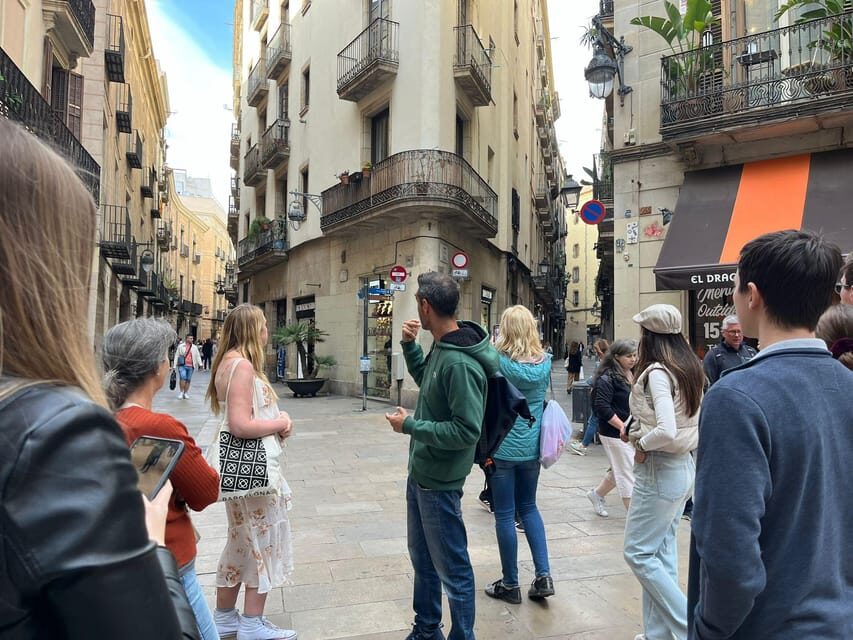
You’ll be on your feet for a while, so pack like it’s a neighborhood stroll, not a sightseeing sprint. Bring comfortable shoes, a camera if you like to document food and architecture, sunscreen for sun exposure, and water to stay hydrated. The tour notes that weather conditions can vary, so it’s smart to be ready for heat or changes in conditions.
If you’re sensitive to standing crowds, consider when you’ll go. This is central Barcelona, so it can be busy around the market areas and on major streets like the Rambla. An early start time can help, but your best bet is to be prepared for normal city foot traffic.
One more practical thought: since hotel pickup and drop-off aren’t included, your start location matters. Plan how you’ll reach Liceu metro station area, and keep your return plan close to central neighborhoods. That way, the tour ends without turning into a long transit puzzle.
Who should book this tour, and who should skip it
This tour fits best if you want a guided way to taste Barcelona street food while learning what you’re seeing. It’s also a good option if you’d rather start with local guidance than spend time researching which stalls and bars to try.
It’s especially worth considering if you like:
- Eating your way through classic Barcelona flavors such as jamón, pinchos, cheese, and pastries
- Visiting La Boqueria and walking through nearby iconic streets
- A route that helps you understand central areas quickly for later independent exploring
Skip it if any of the listed limits apply to you. It’s not suitable for wheelchair users, vegans, and people with gluten intolerance or lactose intolerance. If you fall into those categories, it may be hard to eat safely and comfortably, which defeats the purpose of a food tour.
Should you book this Barcelona Local Market and Street Food Walking Tour?
I’d book it if you want a focused 2.5-hour experience that combines La Boqueria with a guided street-food tasting and a sight-walk through central Barcelona. The guide-led stories, the mix of classic foods, and the fact that it helps you get your bearings make it a strong “first city navigation” style tour.
I would not book it if you’re looking for a full, heavy meal or if you need a vegan or gluten/lactose-free-friendly route. This is a tasting format, and the tour’s suitability limits are clear.
If you’re ready to walk, eat sampling portions, and enjoy Barcelona’s food culture with a guide who can keep the experience fun and organized, this is a good value bet for your time in town.