REVIEW · BARCELONA
Barcelona guided tour in French
Book on GetYourGuide →Operated by Jeremy from Barcelona · Bookable on GetYourGuide
Barcelona is easier with the right storyteller. You start at Plaça Reial and work your way through the old streets, learning Catalan identity and local customs in a way that sticks. I love the small-group feel and the way Jérémy uses quizzes and anecdotes to keep you involved. One thing to keep in mind: monument and museum entries aren’t included, so you may want to plan tickets separately if you want to go inside.
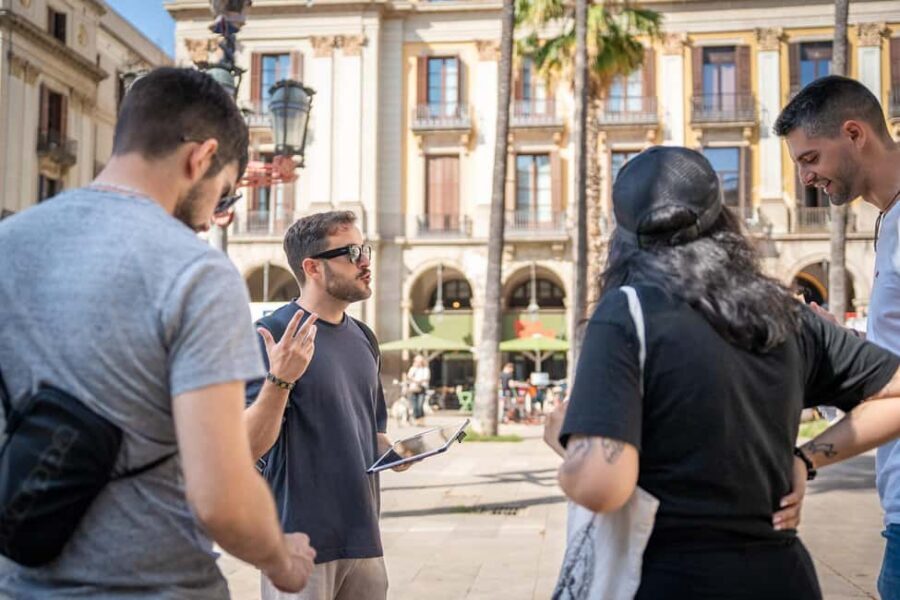
The tour is led by Jérémy, speaking French (and Spanish is also available). You’ll get visual support on an iPad with images and videos, which helps when you’re trying to place details on real streets instead of guessing later. After the walk, you can keep asking questions through WhatsApp, and Jérémy also shares his best addresses to extend your day.
This experience is wheelchair accessible, and it’s designed to work for children too, with quiz-style moments and kid-friendly stories. The only possible downside is that if you want a slow, silent, photo-only stroll, the interaction may feel a bit active.
In This Review
- Key highlights at a glance
- Meeting Plaça Reial: the start that sets the tone
- Why Jérémy’s French tour style works (and not just for French speakers)
- Gothic Quarter streets: from Calle del Bisbe to Catedral de Barcelone
- Plaza Sant Jaume and the story behind Catalan identity
- Jewish Quarter walking moments: learning through participation
- El Born and Santa Maria del Mar: why this stop feels different
- Ending near Cathédrale Sainte-Croix de Barcelone, then back to Plaça Reial
- Price and what you actually get for $42
- Accessibility and kid-friendly format that still works for adults
- Who should book this French Barcelona tour
- Should you book? My practical take
- FAQ
- Is the tour guided in French?
- How long is the Barcelona guided tour in French?
- Where do we meet the guide?
- Does the tour include entrance fees to monuments or museums?
- Is the tour wheelchair accessible?
- Is there any support after the tour?
Key highlights at a glance
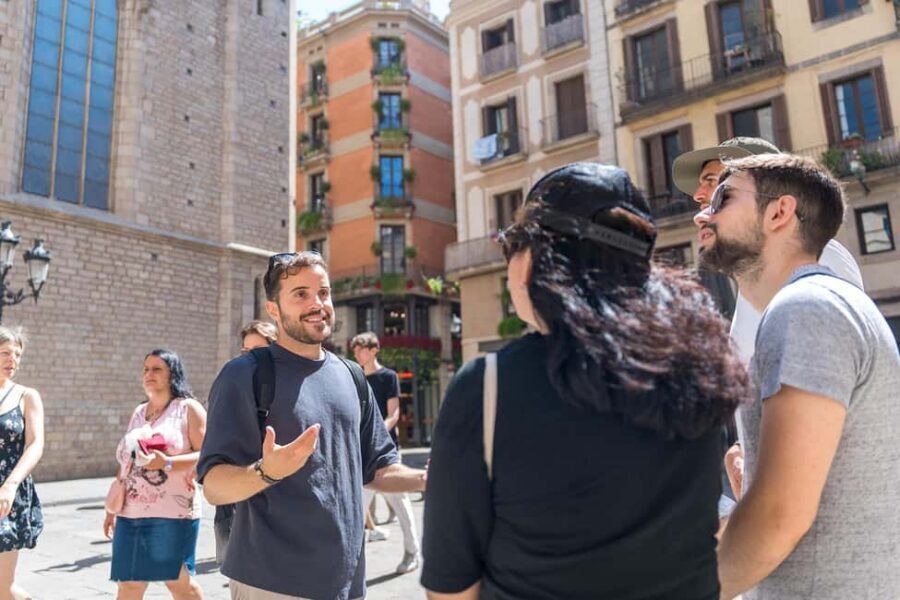
- Small-group, tailor-made pacing that feels intimate instead of rushed
- French-led storytelling with iPad images and videos to make landmarks click
- Quizzes and anecdotes that teach Spanish customs and Catalan identity in a fun way
- Route through major old neighborhoods from Plaça Reial to Santa Maria del Mar and the Jewish Quarter
- Post-tour support on WhatsApp plus Jérémy’s best addresses for where to go next
- Wheelchair accessible and adapted for kids with age-appropriate prompts
Meeting Plaça Reial: the start that sets the tone
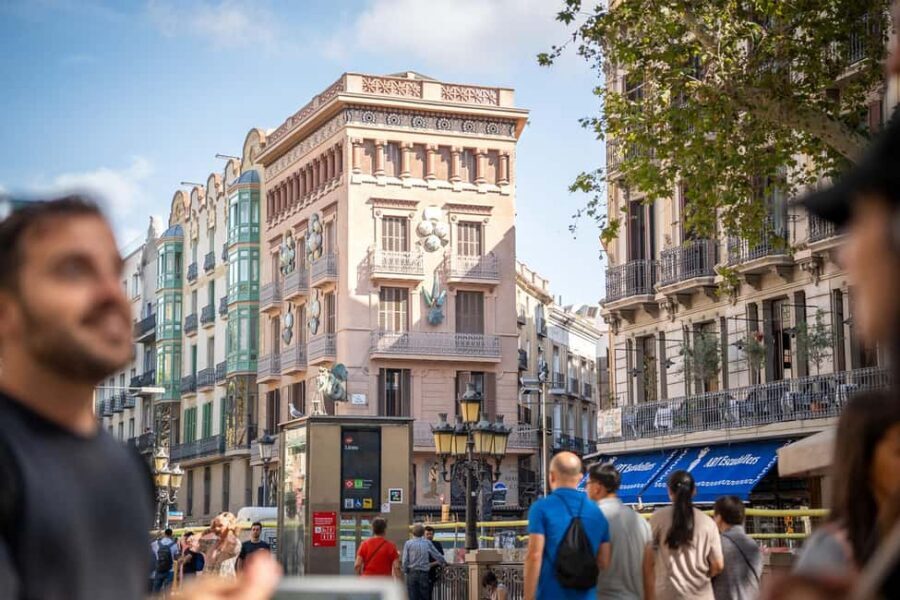
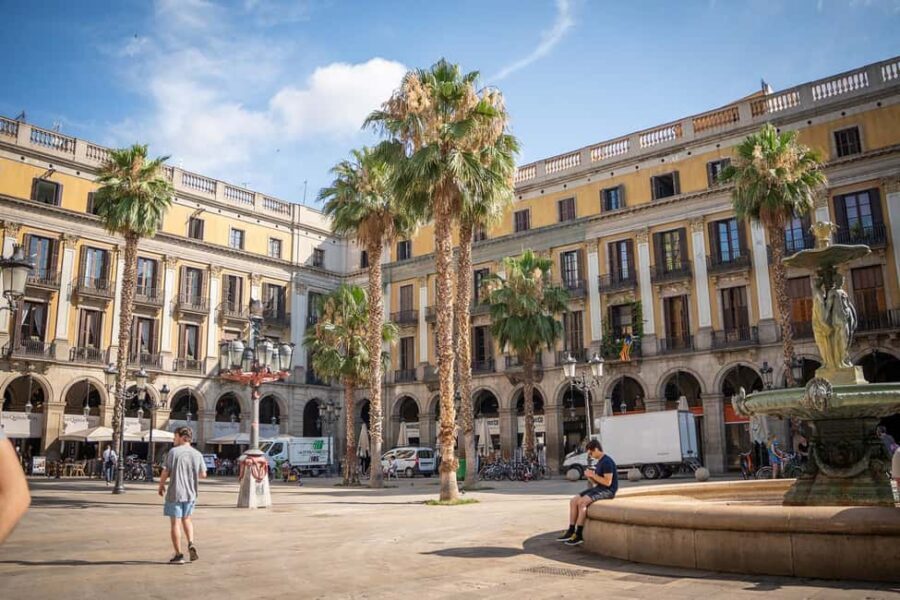
Your tour begins in the middle of Plaça Reial, right in front of the fountain. It’s an easy landmark to find, and your guide will be recognizable—he holds his iPad and is easy to spot. Getting started here matters because Plaça Reial gives you an immediate feel for Barcelona’s street-life before you slip into the medieval lanes.
What I like about this first part is the mental switch it triggers. Instead of treating sights like isolated photos, Jérémy frames them as part of how the city formed, how people live, and how Catalonia sees itself. Even if you only remember a few facts, you’ll leave with a stronger sense of direction in the Gothic Quarter.
Expect a friendly, humorous approach. You’re not just watching; you’re invited to answer little quiz questions along the way. That’s a big help when you’re walking for hours—your brain stays awake, and you stop feeling like you’re being lectured at street corners.
You can also read our reviews of more guided tours in Barcelona


Why Jérémy’s French tour style works (and not just for French speakers)
This tour isn’t only about knowing what you’re looking at. It’s about understanding why it looks that way and what it means in everyday culture. Jérémy adapts the pace and content so the walk stays clear and easy to follow, even when you’re switching from one neighborhood vibe to another.
The iPad support is more practical than it sounds. When you’re on foot, it’s hard to zoom in on inscriptions, compare architectural features, or understand symbolism from a distance. The guide’s images and videos give you context in the moment, so you’re not stuck trying to interpret everything later with guesswork.
You’ll also get language support beyond French. The tour lists both French and Spanish, which can be a relief if you’re comfortable with one but need help in the other. And the post-tour WhatsApp support is the kind of extra that’s useful on a busy trip—if you’re wondering where to eat near your next stop, you don’t have to guess blindly.
Gothic Quarter streets: from Calle del Bisbe to Catedral de Barcelone
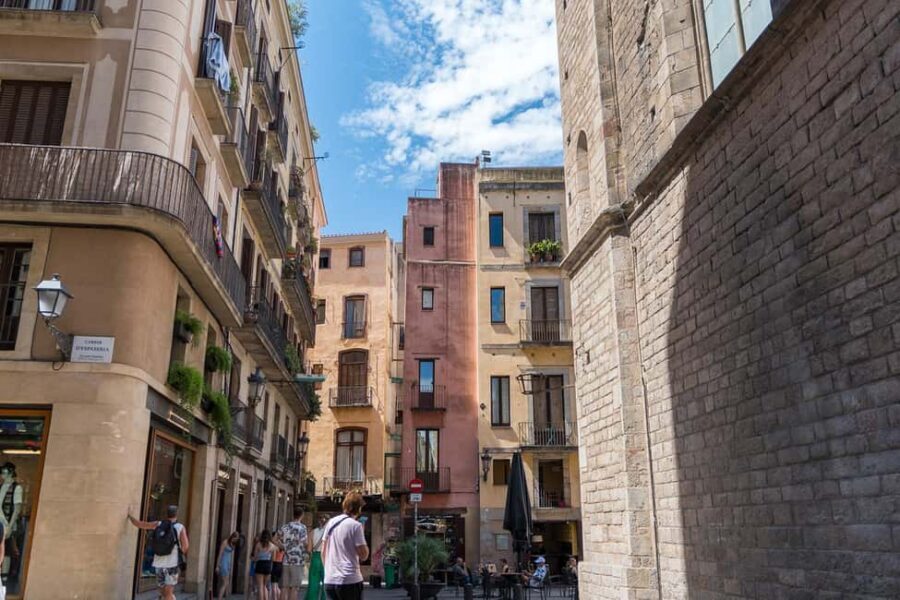
After you leave Plaça Reial, the walk takes you into the Gothic Quarter, where narrow streets and stone facades make the city feel older than your phone photos can capture. A key moment is passing Calle del Bisbe, a street you’ll likely hear about once you start exploring, but you’ll understand it much faster with real explanations in context.
Jérémy also brings you to the Catedral de Barcelone area. The value here isn’t just naming the building. You’ll learn how to read the area—what kinds of spaces were important, what styles you’re noticing, and how locals talk about identity through place. The tone is instructive but light, and the quizzes keep you paying attention.
One practical note: the Gothic Quarter is where you’ll likely want your best shoes. The streets are not built for slow, casual gliding. Plan to walk normally and keep your energy for the full route.
If you’re the type who likes to connect dots—architecture to politics to culture—this segment is where the tour starts paying off. You’ll leave with a better idea of what to look for when you return on your own.
Plaza Sant Jaume and the story behind Catalan identity
As the tour threads through the older core, you’ll reach Plaza San Jaume. This is the kind of square that can feel “just a stop” if you’re rushing, but with a good guide it becomes a real anchor point. Jérémy uses customs, small contrasts between countries, and Catalan identity themes to help you understand what you’re seeing—not only what it looks like.
I like the way the tour treats culture as something you experience, not something you study from a distance. You’ll get explanations tied to real life: how traditions are practiced, how locals describe themselves, and why some details matter more than others when you’re meeting the city for the first time.
This also helps with decision-making later. Once you understand local identity signals, you can make smarter choices about what to prioritize—neighborhoods, museums (if you want tickets), and even the kind of places where you’ll feel comfortable.
Jewish Quarter walking moments: learning through participation
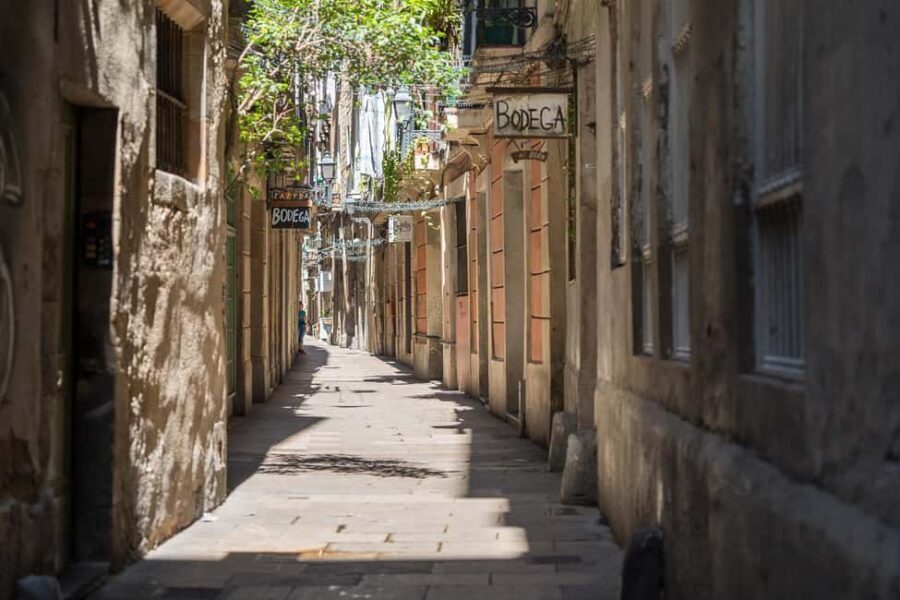
A major part of this walk includes the Jewish Quarter (Barrio judío). You won’t just be handed facts. Jérémy builds the route so you’re mentally active—he uses short quiz moments to help you remember what you’re learning while you walk through the streets.
That interactive style is the secret sauce for this tour. When a city feels dense, it’s easy to forget what you saw. Participation turns details into something you’re more likely to retain. It’s also kinder to your energy level than a nonstop monologue.
Be ready for anecdotes and connections. The tour focuses on Spanish customs, differences with other countries, and the sense of place that comes with Catalonia. This is where you’ll start to see the city as layers of community life, not just buildings lined up for sightseeing.
If you’re traveling with kids, this segment usually lands well too, since the format includes question prompts and storytelling. Adults benefit as well because quizzes prevent the usual “checklist fatigue.”




El Born and Santa Maria del Mar: why this stop feels different
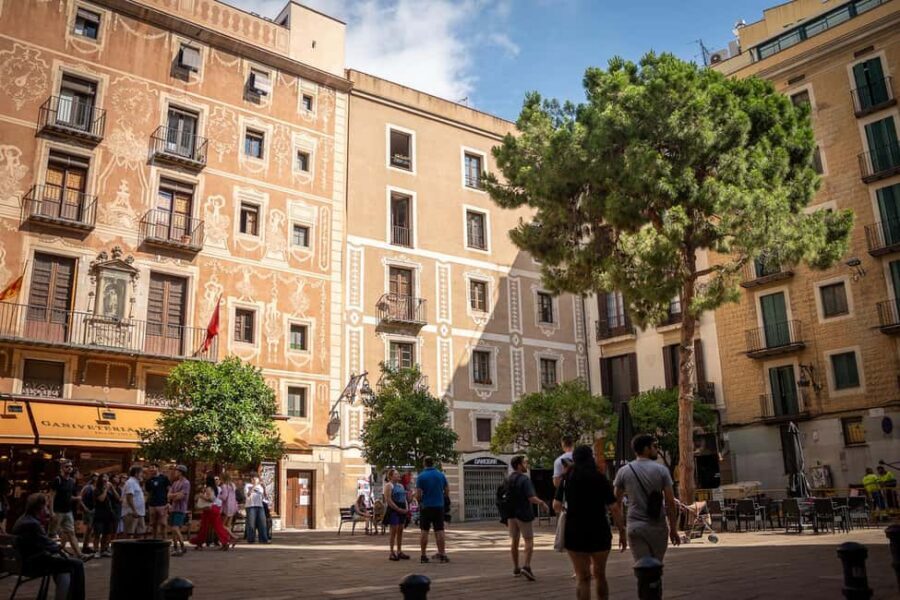
Next comes El Born, one of those neighborhoods where the architecture and street layout make it easy to imagine daily life in earlier centuries. Jérémy’s approach here stays consistent: he guides your attention so you notice details that you might otherwise skip.
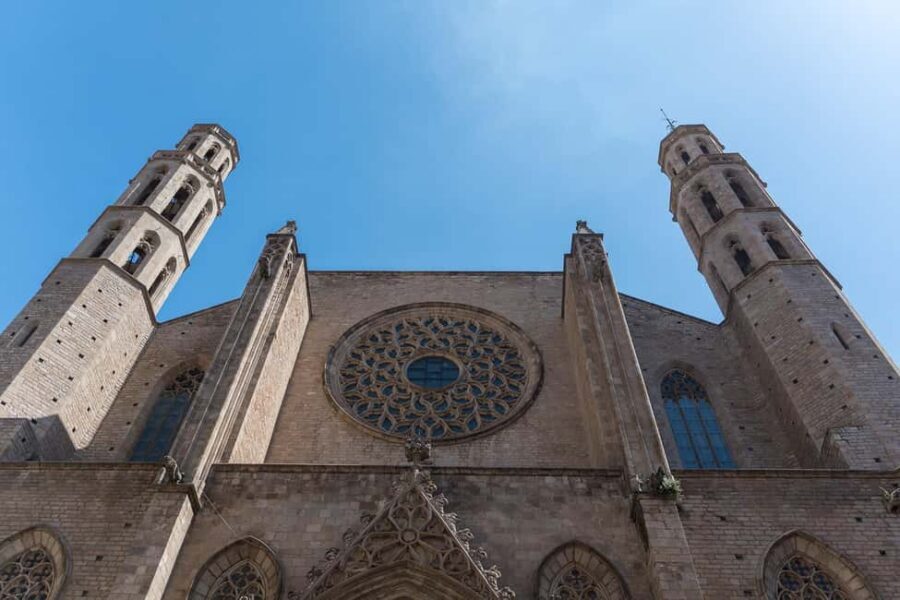
A highlight along this part of the route is Basilica de Santa Maria Del Mar. This kind of church can look impressive but still feel vague if you don’t understand its role in the area. With the guide’s explanation and visual aids, you’ll get a clearer sense of why this building fits the neighborhood and what makes it meaningful in the bigger story of Barcelona.
I like how the tour connects religious, civic, and cultural spaces. You’re not just bouncing between monuments. You’re building a mental map of how neighborhoods developed and what mattered to the people who lived there.
This is also where the group dynamic matters. In a small group, you can ask questions without turning your back on the guide or waiting for someone else to catch up. That keeps the route flowing and keeps you from feeling stuck.
Ending near Cathédrale Sainte-Croix de Barcelone, then back to Plaça Reial
The walk wraps up at Cathédrale Sainte-Croix de Barcelone. Even though the route is concentrated, this final stop helps you pull the themes together: identity, city structure, and the way Barcelona’s older quarters express meaning through spaces.
Then, the tour returns you back to Plaça Reial. That return is practical. Plaça Reial is a convenient reference point, and it’s easier to plan your next move afterward—especially if you want a relaxed dinner nearby or to continue sightseeing on your own.
This ending is also where the “stay connected” part becomes real. Jérémy offers post-tour WhatsApp support to answer questions during your stay. That’s useful for practical planning, not just travel trivia. You can ask what to do next, where to go, or how to fit things together without guessing.
He also sends his best addresses after the tour. That kind of local list tends to be more helpful than generic recommendations, because it’s built around your guide’s idea of what’s worth your time.
Price and what you actually get for $42
At around $42 per person for a 3-hour French guided walk, the value comes from what’s included—not just from seeing landmarks. Your ticket covers a guided route through multiple neighborhoods, interactive teaching (including quizzes), and visual support via iPad images and videos.
You also get something many tours skip: ongoing support. The WhatsApp help and the best-addresses follow-up can save you time and reduce decision stress later in your trip. If you’re the type who likes guidance to get your bearings fast, this matters more than it might on paper.
The main trade-off is that admissions are not included. If your priority is entering lots of museums or paying for monument visits during the tour window, budget extra. If your priority is learning the streets, understanding the city, and then deciding what to ticket later, this price feels fair.
Also, because it’s structured for small groups, you’re paying partly for the chance to ask questions and stay engaged. That’s a different value proposition than a large coach tour where you get a quick view and then move on.
Accessibility and kid-friendly format that still works for adults
This tour is listed as wheelchair accessible, which is a big deal when you’re booking in old-city areas. The route is built for walking through central neighborhoods, so you should still think about your comfort on cobblestones and uneven sidewalks. But the key point is that accessibility has been planned for.
It’s also adapted for children. That means you’re not just stuck watching grown-up explanations that bounce right over kids’ heads. The format uses quizzes and anecdotes aimed at making learning feel like a game.
The important part for adult travelers: this doesn’t mean the tour becomes childish. The interactive style—quizzes, participation, storytelling—helps adults too. It keeps your attention engaged and makes the walk feel like a shared experience rather than a one-way delivery.
Who should book this French Barcelona tour
Book this if you want a guided walk that blends culture, architecture, and identity with real human stories. It’s a great fit for people who like conversation and participation, and for those who prefer small-group attention over crowded touring.
It’s especially strong if:
- you want your French-language experience with the help of iPad visuals
- you’re curious about Catalan identity and local customs, not just monuments
- you’ll appreciate a guide who shares practical addresses and answers questions after
If you already know Barcelona well and only want the fastest possible monument checklist, you might find some parts more educational than you need. Also, because entries aren’t included, it’s best if you’re happy to learn first and choose ticketed sites later.
Should you book? My practical take
I’d book this if you want to understand Barcelona in a way that travels with you. The combination of small-group pacing, French-led explanation, and the interactive quiz style is exactly what turns sightseeing into real learning. The iPad support helps you connect details on the spot, and the WhatsApp follow-up plus Jérémy’s best addresses is a real trip-planning bonus.
Skip it only if you’re mainly chasing entrances and tickets during those three hours. In that case, you’ll still enjoy the walk, but you’ll need to add admissions elsewhere to match your priorities.
FAQ
Is the tour guided in French?
Yes. The live tour guide speaks French, and Spanish is also available.
How long is the Barcelona guided tour in French?
The duration is 3 hours.
Where do we meet the guide?
You meet in front of the fountain in the center of Plaça Reial (Pl. Reial, Ciutat Vella, 08002 Barcelona).
Does the tour include entrance fees to monuments or museums?
No. Admission to museums and monuments is not included.
Is the tour wheelchair accessible?
Yes, the tour is wheelchair accessible.
Is there any support after the tour?
Yes. You get post-tour WhatsApp support to answer your questions throughout your stay, and Jérémy shares his best addresses after the tour.