REVIEW · BARCELONA
Barcelona: Jewish Tour by a Jewish guide
Book on GetYourGuide →Operated by The best of Barcelona · Bookable on GetYourGuide
Street-level clues tell a big story. This 2-hour Jewish heritage walk in Barcelona is led by a Jewish guide, so you get context that feels human, not just factual. I especially like the stop at the house of the Rashba and how the guide turns Hebrew inscriptions into real places on the street.
One possible drawback: much of what you see is found through remnants—small details, building elements, and inscriptions—so if you want only grand, fully preserved spaces, this route may feel subtle rather than dramatic.
In This Review
- Key things that make this tour worth your time
- Why Plaça de Sant Jaume is the perfect kickoff point
- Gothic Quarter streets: how the guide reads the city for you
- The house of the Rashba: a stop that makes the neighborhood feel real
- Synagogue visit: when one site can explain an era
- City Hall, a Roman temple, and Hebrew text in surprising places
- The old mikve: the ritual space you can actually feel
- How the guides turn a walk into a story (Adi, Dina, Monica)
- Price and value: what $68 buys you in real terms
- Practical logistics: walking time, where to meet, and what to bring
- Should you book this Barcelona Jewish Quarter tour
- FAQ
- How long is the Barcelona Jewish Tour?
- Is this tour private?
- What languages are available?
- Which sites are part of the experience?
- Is the synagogue museum entrance included?
- Where do I meet the guide?
Key things that make this tour worth your time
- A Jewish guide with deep context in English, Hebrew, or Spanish, with a relaxed, conversational pace
- The house of the Rashba plus a synagogue site considered among the oldest in the world
- The old mikve, a powerful look at ritual life you can’t fake with photos
- Gothic Quarter streets full of clues, including Hebrew text tucked into surprising spots
- A personal, private-group feel that makes it easier to ask questions and slow down when something matters
Why Plaça de Sant Jaume is the perfect kickoff point
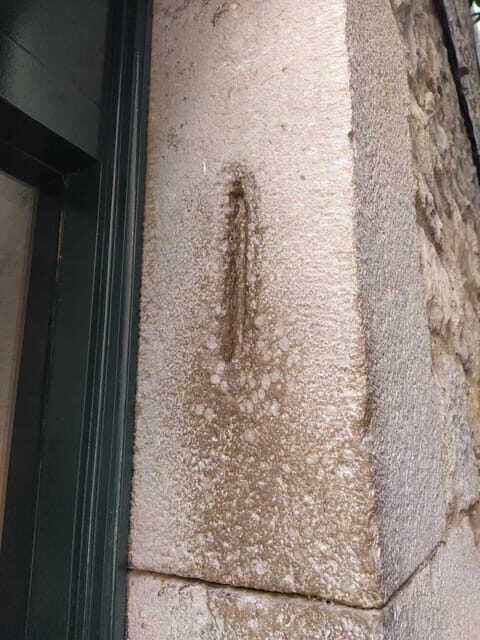
You start at Plaça de Sant Jaume, right in the thick of Barcelona’s medieval core. It’s a smart choice because you’re not easing into the story later—you’re stepping into the streets where the Jewish quarter once lived, worked, and prayed.
This tour also gives you a sense of direction fast. You begin with a guided orientation and then the walk gets more specific, moving from the big square down into the narrow, twisty Gothic Quarter lanes. If you like history you can actually point at with your feet, this start helps.
And yes, it’s a working city square. So even though the subject matter can feel heavy, the walk stays grounded in real Barcelona life—stone walls, street angles, and the kind of details you normally walk past without noticing.
You can also read our reviews of more guided tours in Barcelona


Gothic Quarter streets: how the guide reads the city for you
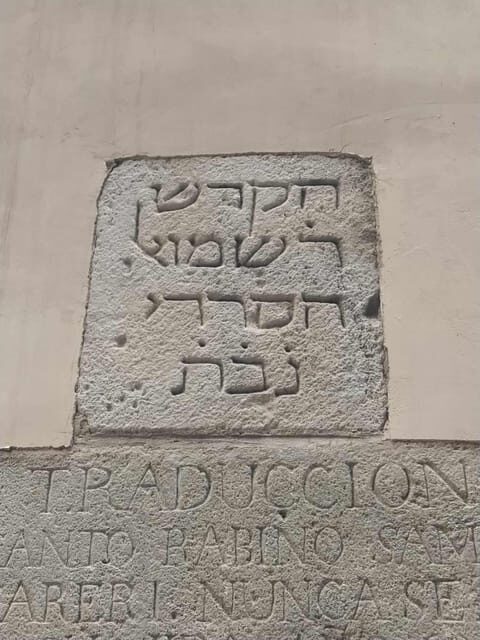
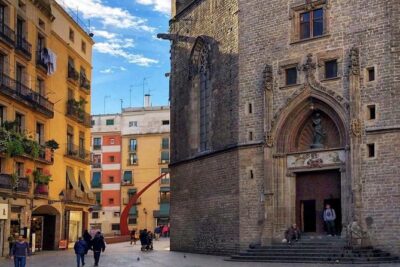
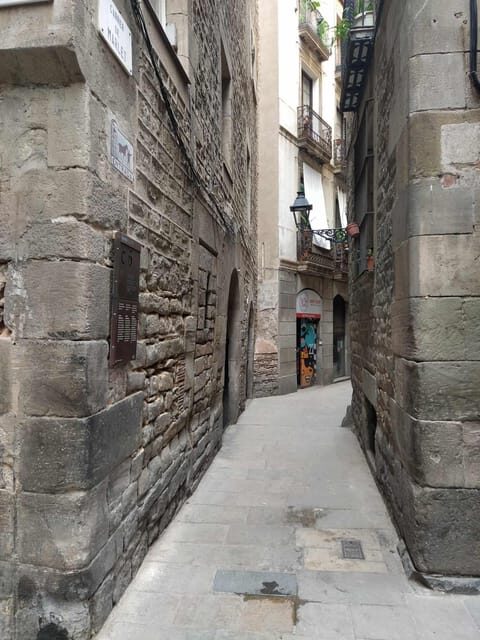
The main chunk of time is spent in the Gothic Quarter, and the value here is how the guide teaches you to see. Barcelona has layers. From the sidewalk, you’ll notice how buildings have been reused over centuries, and you’ll start recognizing the difference between a street sight and a historical clue.
I like tours where the guide doesn’t just name-drop. Here, you’re guided through the old city with specific attention to what’s visually there—corners, textures, and details that don’t come with labels. This is also where the tour’s private-group setup matters. In a smaller group, the guide can tailor explanations to your pace and your questions, whether you’re coming in with zero background or you already know some of the basics.
You’ll also hear how to connect the dots between Jewish culture and the wider city. That part matters because the Gothic Quarter isn’t a museum set. It’s real architecture with real urban changes, so the guide’s framing helps you understand why traces of the Jewish past still show up—sometimes in places that seem unrelated.
The house of the Rashba: a stop that makes the neighborhood feel real
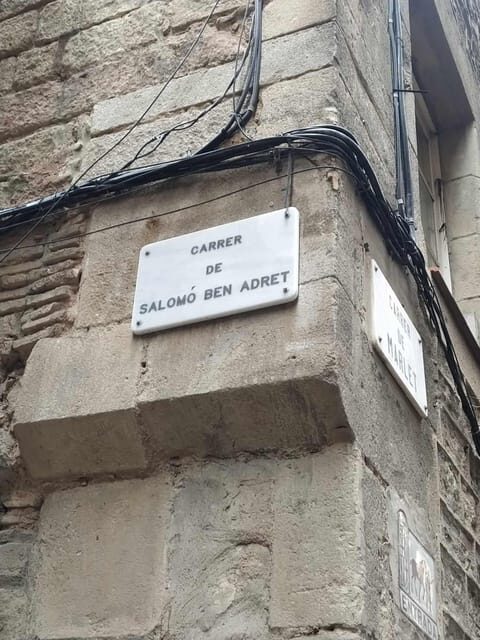
One of the signature moments is the house of the Rashba. Even if you don’t know every term going in, this is the kind of place that changes how you look at the surrounding blocks. It gives you a focal point—an anchor—so the rest of the walk doesn’t feel like random wandering.
What makes this stop especially useful is the way it’s connected to lived Jewish life and learning. The name carries weight, and the guide brings it down to street level: what the place represents, why it matters, and how to imagine the neighborhood when it was functioning as a community.
The bigger win: after this, the tour feels less like a checklist and more like a timeline you can follow with your feet. You start seeing how the area’s story isn’t just about one building—it’s about a whole way of life tied to the city’s layout.
Synagogue visit: when one site can explain an era
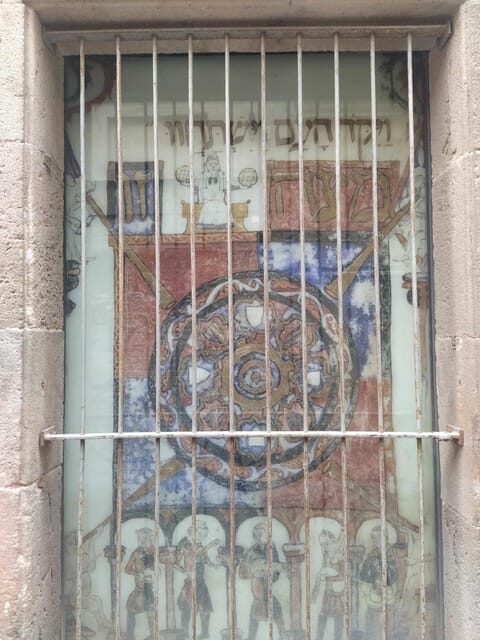
Next comes a synagogue considered one of the oldest in the world (as presented on this tour). This is a high-impact stop because it brings together setting and meaning. You’re not only hearing about Jewish tradition—you’re standing near a physical reminder of it.
Also, pay attention to what’s included versus not included. The tour covers the guided visit, but entrance to the synagogue museum is not included. If you know you want museum time, plan a little extra budget and time so you don’t feel rushed.
Even if you keep expectations modest—because you’re in the old city and access can vary—this synagogue stop tends to be the point where the tour’s emotional weight becomes unavoidable. Many people come expecting history; they leave thinking about continuity and loss at the same time.
If you’re the type who prefers the “why” behind the “what,” you’ll likely appreciate the guide’s approach. The guides described here have a knack for handling serious material with care, and they often add human context so the experience doesn’t feel cold.
City Hall, a Roman temple, and Hebrew text in surprising places
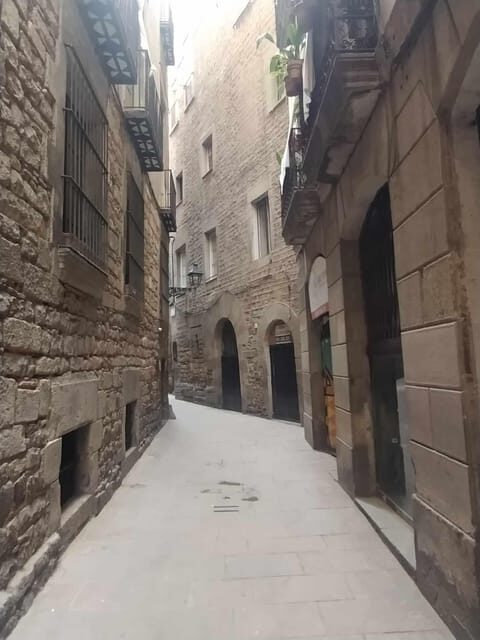
A big reason this tour earns a strong rating is how it links Jewish presence with the broader city. You’ll see City Hall and a Roman temple, and the guide uses these stops to show how different eras overlap in Barcelona’s streets.
This part is valuable because it prevents history from turning into a silo. You’re learning how Barcelona’s urban identity formed over time, and how Jewish life was part of that larger story. You also get a reality check: you won’t only be looking at sites that scream Jewish heritage. You’ll find clues woven into the fabric of the city.
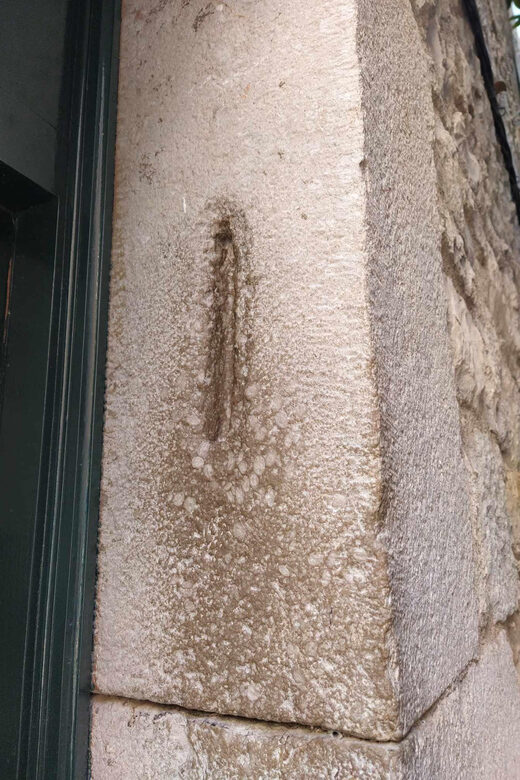
One of the tour’s most distinctive features is the hunt for Hebrew inscriptions in places you might not guess. That changes the experience from passive watching to active noticing. It’s like getting a decoder ring for Barcelona. After a while, you start spotting the kinds of details you’d otherwise miss—letters, marks, and small signals that make the past feel closer.



The old mikve: the ritual space you can actually feel
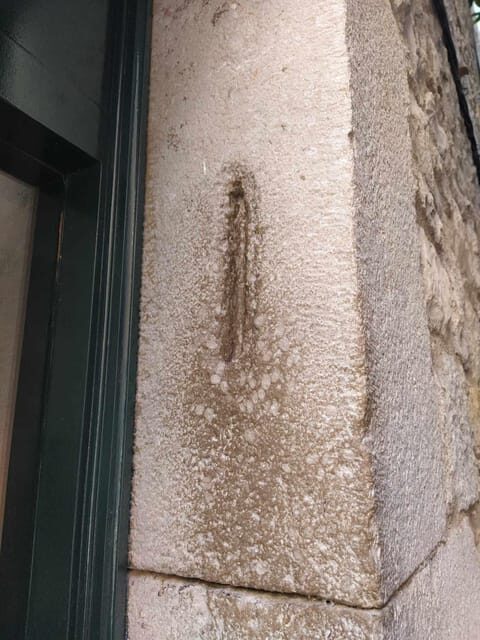
The tour also includes a visit to the old mikve. This is one of those stops that hits differently, not because it’s flashy, but because it’s specific. A mikve isn’t about grand gestures; it’s about ritual life and community practice.
If you’re trying to understand Jewish culture beyond names and dates, this is a key moment. You’ll get a clearer picture of how tradition shows up in ordinary routines. It also helps you grasp that Jewish heritage in Barcelona isn’t only about famous events. It’s about daily structure—about how people lived.
The guide’s role here is crucial. Without interpretation, you might register the site as an old building. With interpretation, you start understanding what it represents and why it mattered.
It’s also a reminder that the old Jewish quarter wasn’t just about prayer spaces. It included community spaces for belonging, preparation, and religious observance—exactly the kind of context you want from a guided walk.
How the guides turn a walk into a story (Adi, Dina, Monica)
The tour’s strongest asset is the guide. You might meet Adi (including Adi Mahler), Dina, or Monica, depending on the schedule. Across names, the pattern is consistent: people report that the guides are energetic, personable, and full of context.
Here’s what that means for you:
- You’re not just getting facts; you’re getting connections between places.
- You’re more likely to ask questions without feeling like you’re slowing everyone down.
- You get humor and warmth even when the subject becomes sad.
That last part matters. Jewish history in Europe often carries heavy themes, and this kind of tour can go emotionally dark fast. The guides mentioned here are said to keep things respectful but also human, including a more optimistic thread when possible. That’s not about minimizing anything—it’s about making the experience bearable and worth remembering.
If you want a tour where your curiosity is welcome, a private-group format helps a lot. It’s easier to follow along when the guide can pace the group.
Price and value: what $68 buys you in real terms
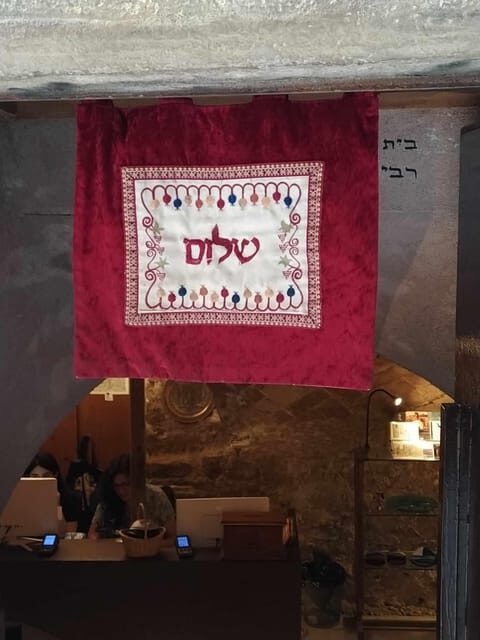
At $68 per person for a 2-hour private guided tour, you’re paying for more than someone walking beside you. You’re paying for interpretation, routing, and access to sites where much of the heritage isn’t obvious at first glance.
This price makes sense if:
- You want a guide to point out the hidden details that a self-walk might miss.
- You value a Jewish guide who can explain traditions in context.
- You prefer small-group attention over a big bus-style experience.
It’s also worth noting what isn’t included. Transportation isn’t part of the price, and the synagogue museum entrance is not included. Those add-ons can change your final spend depending on whether you choose extra museum time.
Still, the overall value holds because the tour’s “product” is the guided storytelling across key stops: Rashba house, synagogue site, old mikve, plus the street-level clues like Hebrew inscriptions. That combination is exactly the kind of experience that tends to justify the guide cost.
Practical logistics: walking time, where to meet, and what to bring
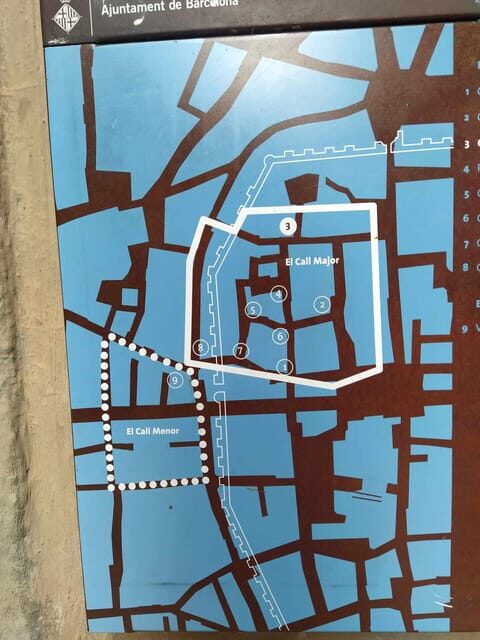
This is a walking-focused tour. Plan for the 2-hour duration and expect it to concentrate on the old center around Plaça Sant Jaume and the Gothic Quarter.
Meeting is straightforward: the guide is waiting outside Starbucks (at the starting area). That detail matters because it reduces uncertainty on a busy morning and helps you start on time.
What you should bring:
- Comfortable shoes (the Gothic Quarter is made for wandering, not for sore feet)
- A small water bottle if you’re going in warmer weather
- If you think you’ll want the synagogue museum, be ready for an extra paid ticket, since it isn’t included
Wheelchair accessibility is listed, so if that’s relevant for you, you can plan around the fact that the tour is designed to be accessible.
Should you book this Barcelona Jewish Quarter tour
I’d book this if you want Jewish heritage with real place-based meaning. The mix of major stops (the Rashba house, an ancient synagogue site, and the old mikve) plus the street-level “look closer” moments (Hebrew inscriptions, Roman-era and civic landmarks in the same walk) makes it more than a one-note history lesson.
I’d think twice if you’re looking for a fully preserved, museum-like route where everything is clearly labeled and big and obvious at every step. Here, the payoff comes from learning how to read the city, and that takes attention.
If you like guided walks, personal pacing, and a guide who can explain the why behind the stones, this one is a strong match.
FAQ
How long is the Barcelona Jewish Tour?
The tour lasts 2 hours.
Is this tour private?
Yes. It’s listed as a private group.
What languages are available?
The live guide speaks English, Hebrew, and Spanish.
Which sites are part of the experience?
You’ll see the house of the Rashba, a synagogue considered one of the oldest in the world, the old mikve, and you’ll also pass major landmarks like City Hall and a Roman temple, with Hebrew inscriptions pointed out in the area.
Is the synagogue museum entrance included?
No. Entrance to the synagogue museum is not included.
Where do I meet the guide?
The guide waits outside of Starbucks at the meeting area in Plaça de Sant Jaume.