REVIEW · BARCELONA
Barcelona Old Town Private Walking Tour
Book on Viator →Operated by Private tours Julia Travel · Bookable on Viator
Barcelona’s Old Town feels like a time machine.
This private walk is built for orientation and context, not just stamp-collecting. You start at Arc de Triomf, roll into Parc de la Ciutadella, then move through Barri Gòtic and El Born where the city’s layers are still visible in streets, walls, and churches.
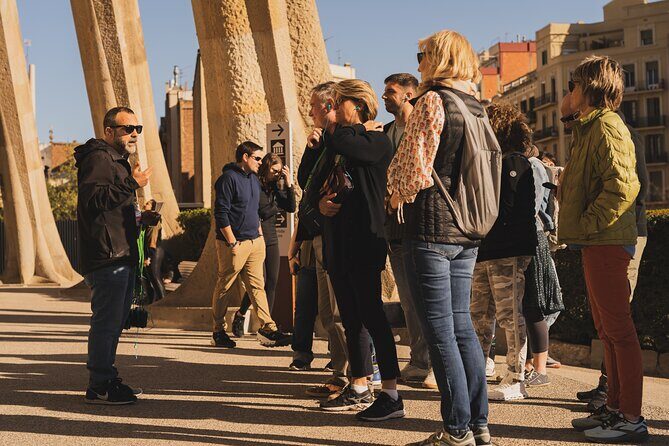
I especially like the private pacing. Your guide can slow down for questions, speed up when you’re eager, and shape the route to fit your day—morning or afternoon. The included radio guide system also helps a lot when you’re in tight streets or moving past loud crowds.
One thing to consider: you cover a lot in about three hours. If you prefer to sit and absorb at museums for long stretches, this is more of a well-paced walking tour than a slow, deep sit-down experience.
In This Review
- Key takeaways before you go
- Getting Oriented at Arc de Triomf
- Parc de la Ciutadella: The Park Stop That Makes Old Town Make Sense
- The Gothic Quarter Walk: Barri Gòtic, Jewish Quarter, and Roman Walls
- El Born: Medieval Streets Without the Rush
- MUHBA and El Call: Tracing the Jewish Area
- Barcelona Cathedral and Plaça del Rei: Power in Stone
- Plaça de Sant Jaume and the Generalitat Building: Modern Catalan Identity
- Plaça Reial: Where the Tour Ends and Your Day Continues
- Value and price: What $145.37 buys you (and what to watch)
- Choosing morning or afternoon without regretting it
- Who this tour fits best
- Should you book this Barcelona Old Town Private Walking Tour?
- FAQ
- How long is the Barcelona Old Town private walking tour?
- How much does the tour cost per person?
- Is this a private tour or a group tour?
- Do I get pickup, and where does pickup work?
- Is the tour in English?
- What’s included besides the guide?
- Are any admissions fees required during the route?
- Can I cancel for a refund?
Key takeaways before you go
- Arc de Triomf to the Old City in a logical flow so you understand where you are as you go
- Parc de la Ciutadella sights (including the Three Dragons area and the waterfall) before the Gothic Quarter
- Barri Gòtic guided at street level with stop-by-stop context on Roman and medieval Barcelona
- El Born + MUHBA stops for clues of what used to be here before the streets fully took shape
- Private setup with hotel pickup and a radio guide that keeps the experience clear and relaxed
- A included drink and tapa so you’re not left scrambling for a break
Getting Oriented at Arc de Triomf
Most walking tours start in the mess. This one starts with a bit of structure.
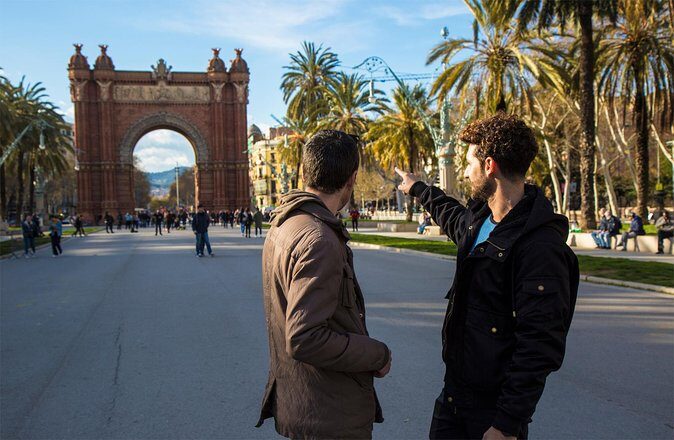
You’ll begin at Arc de Triomf, one of the city’s most important monuments. It’s a good first move because it frames Barcelona beyond the cathedral-and-tour-bus stereotype. You can orient yourself right away, then your guide can connect that modern-looking entrance to the city’s bigger story—how Barcelona grew, and why different parts of town developed in different eras.
Arc de Triomf is also a nice warm-up for a walking itinerary. If your tour time is morning, you’ll often get fresher light and less crowd pressure in the surrounding streets. If you go afternoon, you’re setting yourself up to watch the Old Town shift into evening rhythms later.
You can also read our reviews of more walking tours in Barcelona



Parc de la Ciutadella: The Park Stop That Makes Old Town Make Sense
Then you get a breather: Parc de la Ciutadella. This isn’t just greenery. It’s a transition zone between Barcelona’s citywide layout and the tight medieval blocks you’ll hit next.
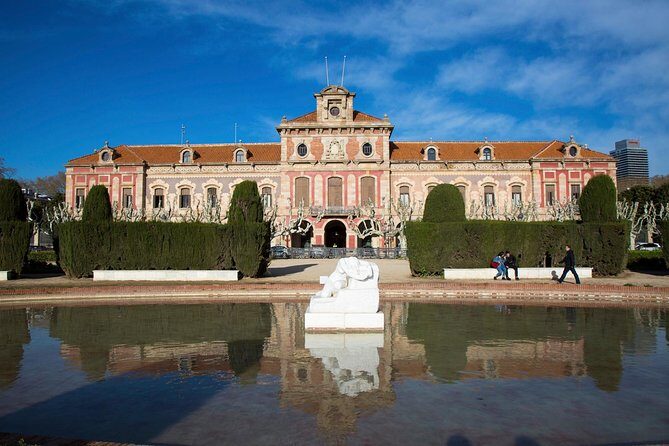
You’ll visit the park’s big-ticket pieces like the Castle of the Three Dragons area and other landmarks along the route. The itinerary also includes time around the park’s waterfall and fountain, plus sightlines toward the Catalonian Parliament. Many guides use this stop to explain how the city’s identity evolved—how civic power and public space show up in real architecture.
There’s also a practical benefit. The park breaks up walking fatigue and gives you room to reset before Barri Gòtic’s narrow lanes. In the reviews, guides like Jorge, Marc, and Roger are praised for turning simple landmarks into clear, human stories you can remember later when you’re staring at stone walls wondering what you’re looking at.
The Gothic Quarter Walk: Barri Gòtic, Jewish Quarter, and Roman Walls
After the park, you step into the Gothic Quarter (Barri Gòtic), the oldest-feeling part of Barcelona. This is where the tour earns its name: you’ll spend real time walking the lanes where surprises pop up without warning.
This section focuses on the types of details that are hard to spot on your own. You’ll hear about the Jewish Quarter area, see the majestic Cathedral from the streets, and visit key public spaces like Plaça del Rei. You’ll also pass the Roman walls, which is one of those moments where the city suddenly feels layered under your feet.
A major highlight here is Santa Maria del Mar. The itinerary includes time to see the church, and it’s one of the stops that repeatedly earns top marks because it’s both beautiful and explainable. When your guide talks about what the building represents—who shaped it and why—you start noticing things like structure, symmetry, and the way light changes inside.
The pacing is also part of why people like this tour. With a private guide, you’re not stuck listening to twenty people stumble through the same photo stop. You can ask a quick question, get an answer that fits what you’re seeing right then, and keep moving.
El Born: Medieval Streets Without the Rush
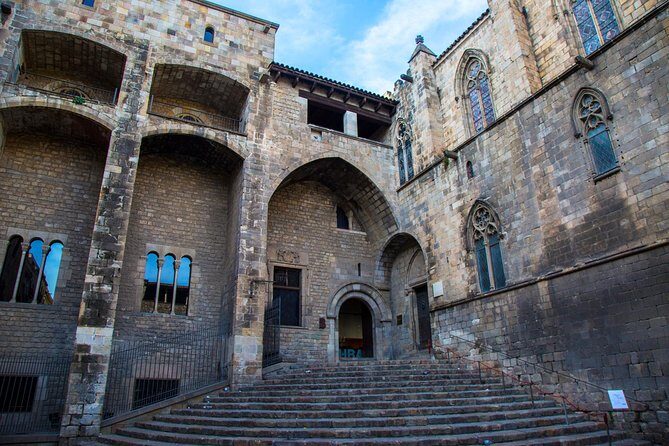
Next comes El Born, a district that feels medieval even when it’s full of modern life. You’ll walk through its older streets in the middle of the action, but the guide’s job is to help you read the place.
You’ll get a short orientation walk through El Born, then move into the El Born Centre de Cultura i Memoria, described as an old market space where remains of the medieval city can be seen. Even if you’re not a museum person, this kind of stop works because it gives you a concrete reference point: the city you’re walking on didn’t appear all at once.
In multiple guide stories, Gaby and Lenise stand out for making the walk feel like a conversation instead of a lecture. That matters here, because El Born is the type of neighborhood where curiosity pays off. When someone points out what to look for, you feel like the streets start talking back.
MUHBA and El Call: Tracing the Jewish Area
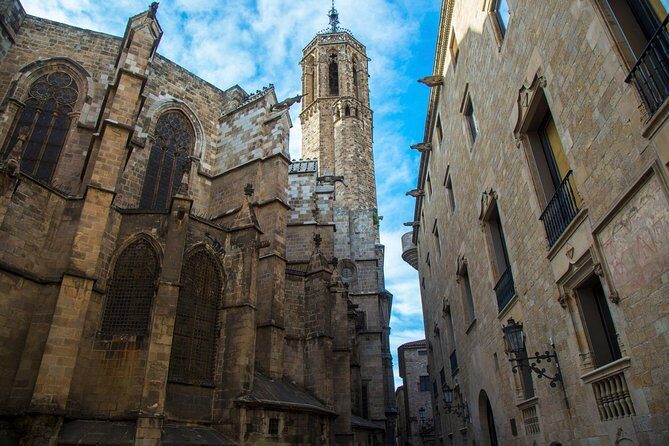
The tour also includes MUHBA – El Call, focused on the Jewish area known as El Call. Importantly, admission there is listed as not included, so plan for a small extra cost if you want to go inside as part of your experience.
Why it’s worth it: Barcelona’s Jewish history isn’t something you always catch from casual sightseeing. Having a guide connect the street layout and the surviving traces to the historical context helps you understand what the area used to represent, instead of treating it like one more stop on a map.
If you’re someone who likes cultural history as much as architecture, this is where the tour turns from pretty walking to meaningful storytelling.
You can also read our reviews of more private tours in Barcelona




Barcelona Cathedral and Plaça del Rei: Power in Stone
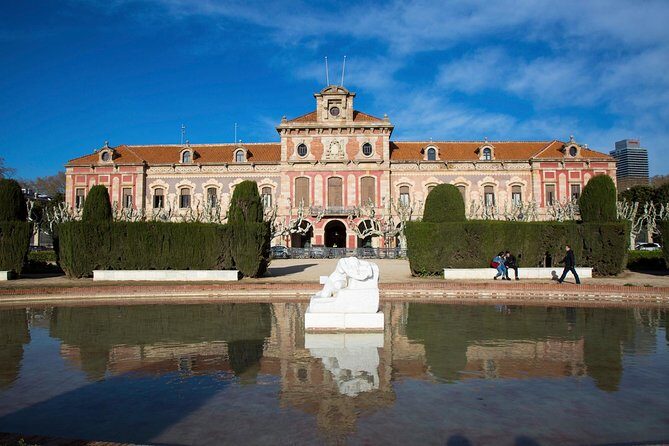
You’ll circle through major squares and monuments that show how Barcelona organized itself over time.
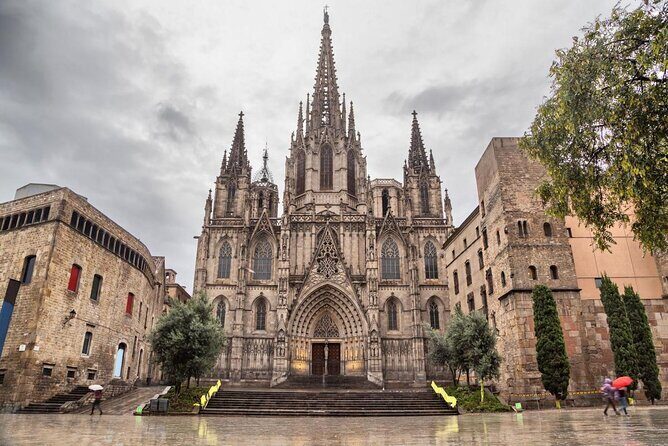
The itinerary includes seeing Barcelona Cathedral from the outside, with a short, focused stop. That exterior look is useful because it lets you appreciate the massing and setting before you commit energy to interior visits elsewhere (and it keeps the pace friendly for people who don’t want long queues at every stop).
Then there’s Plaça del Rei. You spend time here because squares like this were the city’s social and political center points. Even if you’ve visited cathedrals before, a square stop changes your perspective—you start noticing the relationship between public space and the buildings that controlled movement, identity, and faith.
One reason people love this portion of the itinerary: it’s paced so you don’t feel rushed, but you still get the key landmarks that shape the Old Town. And because it’s private, you can linger if something catches your eye.
Plaça de Sant Jaume and the Generalitat Building: Modern Catalan Identity
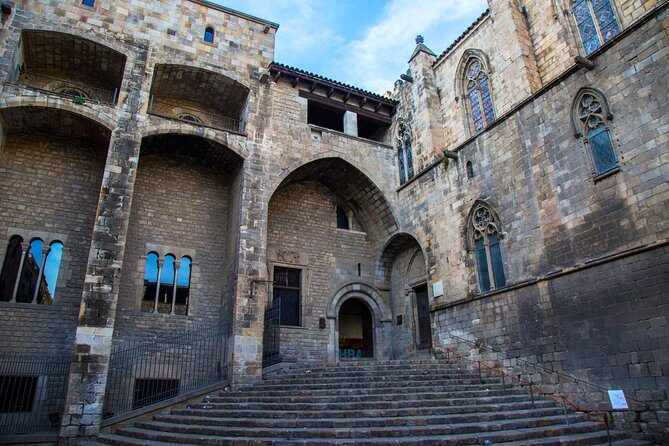
After centuries of older stone, the tour shifts to modern civic Barcelona.
You’ll visit Plaça de Sant Jaume, a major square with both city hall and the Catalan government nearby. It’s a strong contrast to the Gothic Quarter. The architecture isn’t ancient in the same way, but the message is clear: Barcelona’s identity doesn’t stop at medieval times.
The itinerary also includes seeing the Palau de la Generalitat de Catalunya from outside. Your guide’s job here is to connect what you’ve already seen—religious power, Roman traces, medieval public squares—to the political heartbeat of the region. Guides like Ramone and Allan are specifically praised for helping guests place Catalan culture into historical context, so you leave with a clearer mental map of how Barcelona thinks about itself.
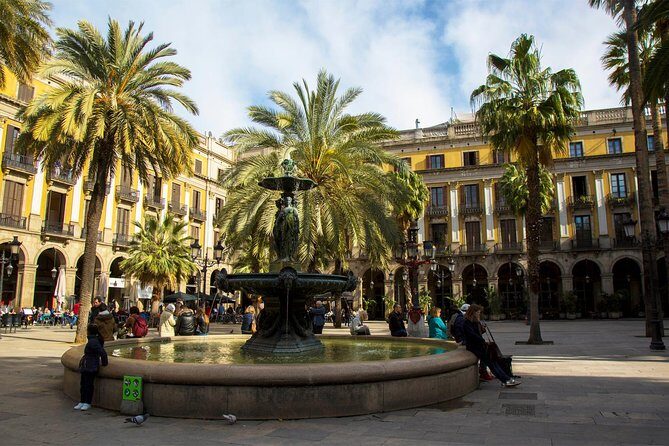
Plaça Reial: Where the Tour Ends and Your Day Continues
Finally, you wrap up at Plaça Reial.
This ending point is practical. Plaça Reial is the kind of place where it’s easy to keep moving after the tour—whether you want more wandering, a casual drink, or a meal. And since the tour ends after you’ve walked the key districts, you’re better set up to choose what to do next without feeling lost.
If you’re visiting for the first time, this is a smart finish because your brain gets a map you can actually use. If you already know the basics, it still helps because you get the connections between the neighborhoods, not just the highlights.
Value and price: What $145.37 buys you (and what to watch)
At $145.37 per person for about three hours, this isn’t a cheap “walk and hope” deal. But it is structured. You’re paying for a true private guide experience, plus several built-in extras that add up.
Here’s what supports the price:
- Private guide with pickup from your hotel or apartment within the Barcelona city area
- A drink and a tapa included (so you don’t have to stop mid-tour and negotiate your way through options)
- Public transport tickets included, which matters if your guide needs to move you efficiently at any point
- Radio guide system, which helps you hear clearly without always leaning in
- Mobile ticket, which keeps check-in simple
What to watch:
- Private tours cost more than group tours because you’re not spreading the guide fee across strangers. If you’re traveling with a group, it can feel like better value than solo booking.
- The experience depends on the guide’s teaching style. Most reviews are extremely positive—people call out guides like Isabel, Lenise, Jorge, Marc, and Roger as standout—but one or two notes mention the tour didn’t meet expectations with a less effective guide. If you care about depth, ask questions early and see how the guide responds.
Choosing morning or afternoon without regretting it
You can book the tour for morning or afternoon, and that choice can shape your comfort and your photos.
Morning often helps if you want fewer delays and easier walking. Afternoon can be great too, especially in warmer months when later start times can feel less punishing. One review even praised an afternoon timing because it meant fewer people in the key spots, making the tour feel calmer.
If you’re also planning cathedral time, museum time, or dinner reservations, the tour’s timing can help you build a simple plan: let the guide show you the layout early, then you decide what you want to revisit.
Who this tour fits best
This works best if you want:
- a guided orientation you can build on for the rest of your trip
- help understanding what you’re seeing in Barri Gòtic and El Born
- a private pace that works for families, couples, and multi-generation groups
It might be less ideal if you prefer:
- long interior stays in only a couple of major sites
- a self-guided pace with lots of solo time and minimal structure
Should you book this Barcelona Old Town Private Walking Tour?
I’d book it if you’re trying to make your Old Town day feel coherent. The itinerary lines up the districts in a way that helps you understand Barcelona as layers—starting at Arc de Triomf, walking through Parc de la Ciutadella, then connecting the Gothic Quarter to El Born and the El Call area. The included radio system, pickup, and tapa add comfort and practical value, not just sightseeing.
Skip it only if you know you want a slow museum-heavy day, or if you strongly prefer self-exploring without a guide. Otherwise, this is one of the better ways to get real context fast, without turning your day into a rushed checklist.
FAQ
How long is the Barcelona Old Town private walking tour?
The tour lasts about 3 hours.
How much does the tour cost per person?
The price is $145.37 per person.
Is this a private tour or a group tour?
It’s a private tour. Only your group participates.
Do I get pickup, and where does pickup work?
Yes, pickup is offered from your hotel or apartment in the Barcelona city area. You need to inform the provider in advance about your address.
Is the tour in English?
Yes, it’s offered in English.
What’s included besides the guide?
Included features are a private guide, a 3-hour private tour, a drink and a tapa, public transport tickets, and a radio guide system.
Are any admissions fees required during the route?
Most listed admissions are free, but MUHBA – El Call has admission listed as not included.
Can I cancel for a refund?
Yes. Free cancellation is available, with full refund if you cancel at least 24 hours in advance of the experience start time.