REVIEW · BARCELONA
Barcelona: Picasso Museum Tour with Moco Museum Ticket
Book on GetYourGuide →Operated by Julia Travel Gray Line Spain · Bookable on GetYourGuide
Picasso and modern street art line up nicely here. I love the way the Picasso Museum guide walks you through his evolution instead of leaving you to guess. I also like that the Moco Museum visit is self-guided right after, so you can linger over Banksy, Kaws, Andy Warhol, and Jean-Michel Basquiat at your own pace. One thing to keep in mind: this is a tight 3-hour format, so you’ll want to arrive on time at the meeting point and be ready to move through two museums in one stretch.
You’ll start at Plaça del Fossar de les Moreres, then get a short walk to the Picasso Museum in an area where the city feels instantly historical. Inside, you’ll see how Picasso’s art changed across major periods—plus how Barcelona shaped him—before stepping into the Cervelló Palace for modern twists at Moco.
In This Review
- Key things to know before you go
- Why this Picasso + Moco combo works in Barcelona
- Meeting at Plaça del Fossar de les Moreres: the logistics that matter
- The walk to Picasso: short, simple, and right into the vibe
- Entering the Picasso Museum: a palace museum made for a guided story
- What you learn during the guided visit
- Why the 3,500-plus works feel manageable (with a guide)
- How Picasso’s Barcelona years add meaning to what you see
- Moco Museum right next door: why the pacing feels smart
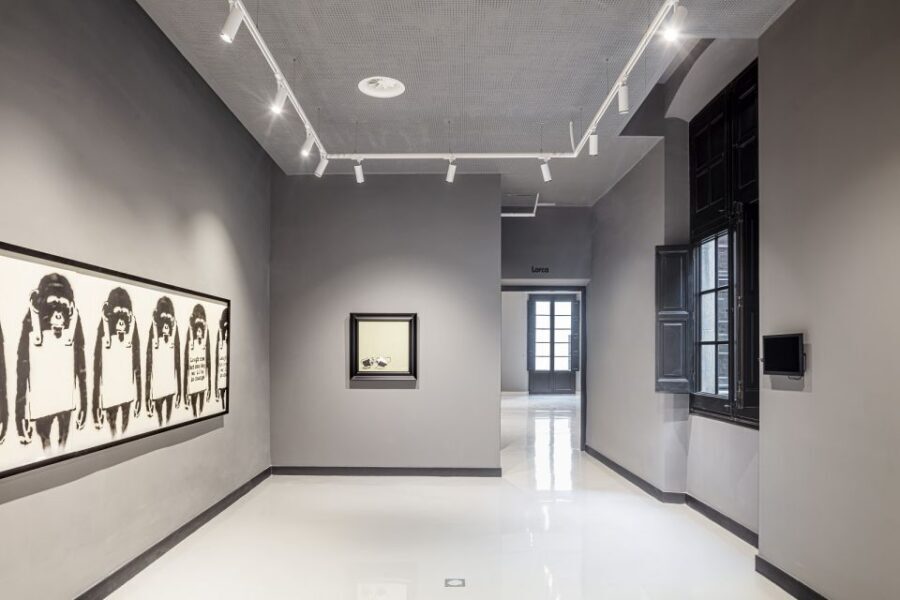
- The modern art experience: Banksy, Kaws, Warhol, Basquiat
- Group size, pace, and language: what to expect from a real-world tour
- Price and value: what you’re really paying for
- Who should book this tour (and who should pass)
- Should you book this Picasso Museum with Moco ticket combo?
- FAQ
- Where is the meeting point?
- How long does the tour take?
- What does the price include?
- Is hotel pickup included?
- What language is the tour guide?
- Is there a skip-the-line benefit?
- Are there any restrictions for kids or bags?
Key things to know before you go
- Guided Picasso Museum: a local guide explains Picasso’s evolution and key periods in a way that makes the collection easier to read.
- Skip-the-ticket-line at the Picasso Museum: less waiting time, more looking time.
- Moco Museum is self-paced: once you have your tickets, you choose how long you stay with Banksy, Kaws, Warhol, and Basquiat.
- All set in real Barcelona palaces: the Picasso Museum spans five palaces (13th–14th c.), and Moco sits in the historic Cervelló Palace.
- Small group size (max 20): the pace stays manageable, with a real chance to ask questions during the guided portion.
Why this Picasso + Moco combo works in Barcelona
This tour fits a very smart goal: you get the context for Picasso first, then you shift into modern art right next door. That order matters. Picasso can look like a dozen different artists if you don’t know what changed and why. With a guide steering the visit, you’re not just walking gallery to gallery—you’re learning how his style evolved across recognizable phases.
And then there’s Moco. You don’t have to treat it like homework. The Moco Museum part is on your schedule, which is perfect when you want to compare ideas—like how street-art energy can show up in a very curated museum setting.
You can also read our reviews of more tours and experiences in Barcelona


Meeting at Plaça del Fossar de les Moreres: the logistics that matter
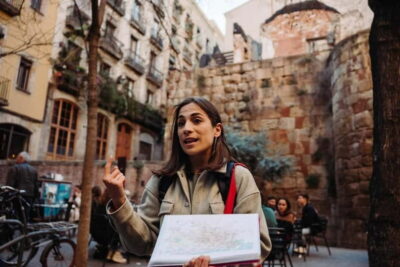
Your meeting point is Plaça del Fossar de les Moreres (08003), and the guide waits with a Julià Travel sign or umbrella near the sculpture of the Eternal Flame. This is the kind of meeting spot that can feel obvious once you’re standing there, but confusing from a block away—so give yourself extra time.
A practical tip: plan to arrive a bit early, not right on the minute. Access and entry work smoothly when everyone is together, and the tour runs as one unit. Also note the tour does not include hotel pickup or drop-off, so you’ll be using your own route into the area.
What to wear and pack:
- Bring comfortable shoes (this is a museum walk, plus standing time).
- Wear comfortable clothes.
- Try not to bring a backpack. If you have one, you’ll need to leave it at the box office to access the museum.
The walk to Picasso: short, simple, and right into the vibe
From the Fossar de les Moreres meeting point, you’ll take a nice and short walk to the Picasso Museum. The benefit of this kind of start is that you’re not spending your tour time on transportation. You’re also transitioning immediately from street Barcelona to a museum complex that feels like it grew piece by piece over centuries.
This is a small detail, but it affects your mood. When a tour begins with a straightforward walk and clear timing, you arrive ready to look—not already tired from getting there.
Entering the Picasso Museum: a palace museum made for a guided story

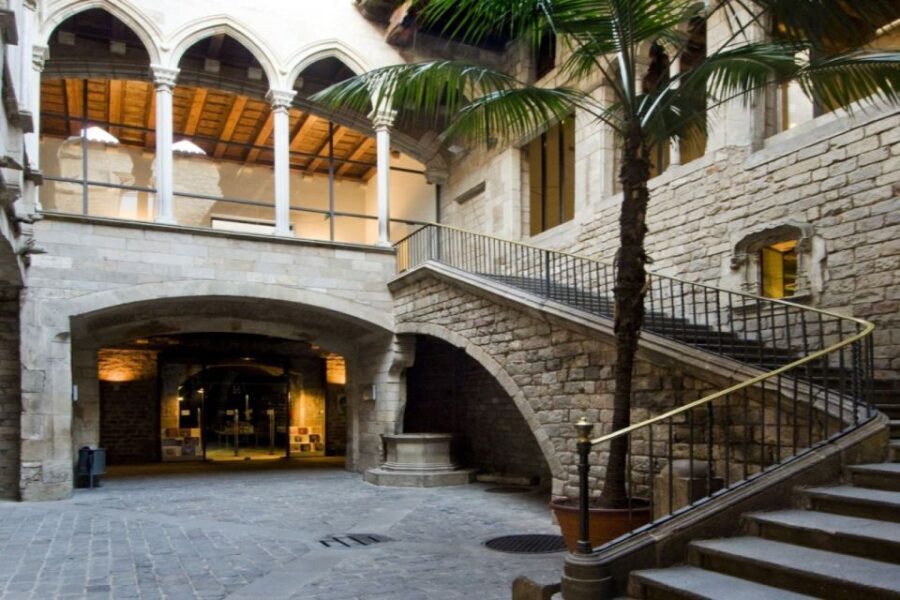
The Picasso Museum in Barcelona didn’t begin as the big complex you see today. It originally centered on one building called the Palau Aguilar, then expanded over the years. Now it’s spread across five different palaces, built between the 13th and 14th centuries.
That matters because the setting changes how you move. You’re not just inside a white-box museum. You’re navigating spaces that feel architectural and layered, which can make the guide’s “this is how Picasso changed” explanation feel more grounded.
What you learn during the guided visit
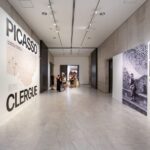
The guide focuses on Picasso’s artistic evolution, from youth through his later life, including his specific Barcelona period from 1895 to 1904. You’ll also hear about something special to this museum: it was the first and only museum created during Picasso’s lifetime. That fact alone gives the collection a different energy, like Picasso was there while the story was being built.
Expect the visit to organize Picasso’s work into five major periods:
- Blue
- Pink
- Cubist
- Neoclassical
- Surrealist
Even if you’ve seen one or two Picasso works before, this structure helps you connect the dots. Instead of asking, Why does this look so different? you start thinking, What changed in Picasso’s world, and what did he do with it?
You can also read our reviews of more museum experiences in Barcelona


Why the 3,500-plus works feel manageable (with a guide)
The museum collection includes more than 3,500 works, and that can feel intimidating if you’re on your own. With a guide, you’re not expected to see everything. You’re guided toward the main works and the story behind them, which makes the scale feel useful rather than overwhelming.
This is one of the best values of the tour: the guide acts like a filter. Without that filter, Picasso can become a blur of names and styles. With it, you start to notice patterns.
How Picasso’s Barcelona years add meaning to what you see
A lot of Picasso tours quickly treat Barcelona as the backdrop. This one highlights his time in the city between 1895 and 1904. For you as a visitor, that makes the collection feel less like a random greatest-hits archive and more like a biography you can trace.
Barcelona was also a stage for experimentation. When you learn where Picasso was in his development while he lived and worked in the city, you’ll probably find that his choices start clicking—especially when the guide links the works to the phases of his career.
If you like art that has a sense of place, this part is worth paying attention to. It turns the museum from a showcase into a timeline.
Moco Museum right next door: why the pacing feels smart
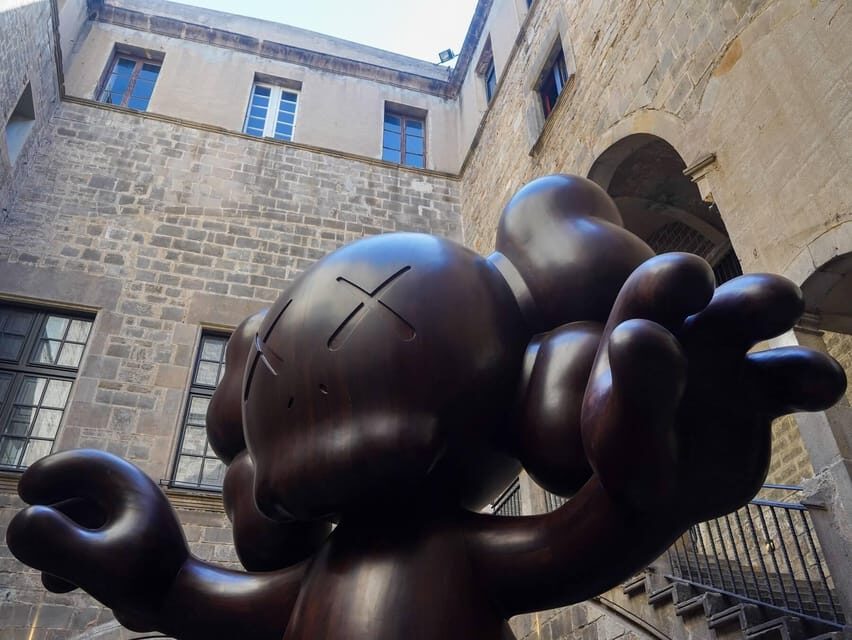
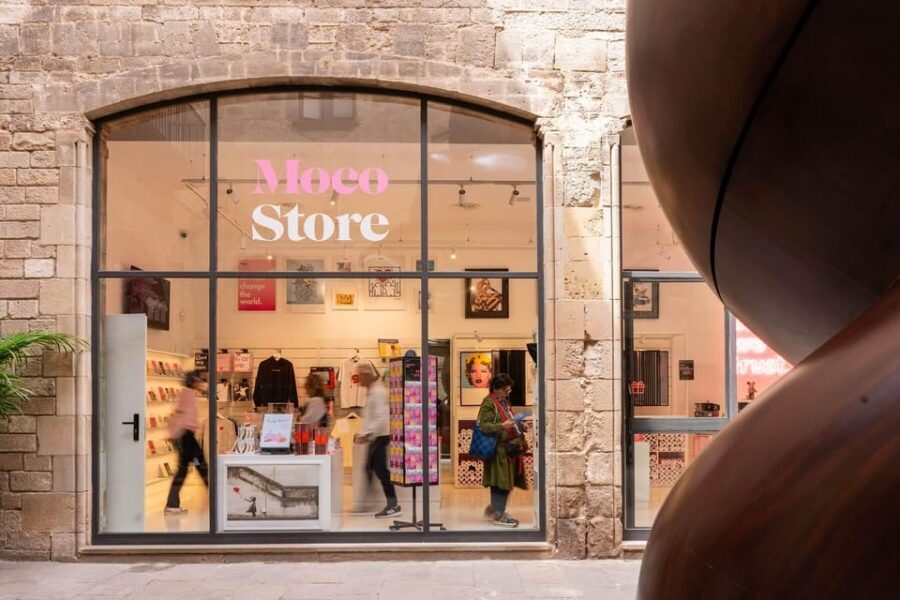
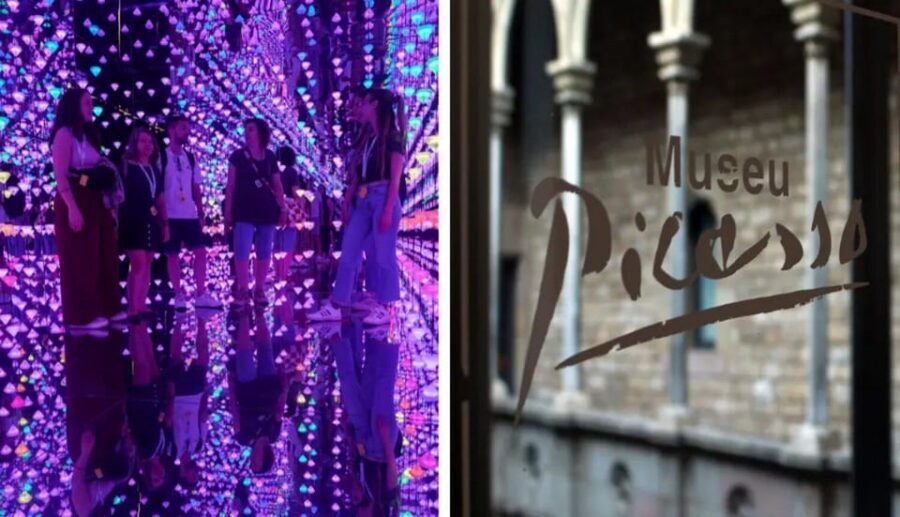
After the Picasso Museum, you go to the Moco Museum, which is located right next to it. The guide provides the tickets, and then your visit at Moco becomes self-guided.
This pacing is a real strength. Picasso is guided for a reason—you need help making sense of it. Moco works better when you’re free to stop, step back, and decide what you care about. Some people want to zoom in on one artist. Others want to compare styles across the room. Self-paced time makes both approaches feel comfortable.
You also get a building change that’s more than aesthetic: Moco is housed in the Cervelló Palace, a historic setting where aristocrats, merchants, and members of royalty lived from the Middle Ages until the 20th century.
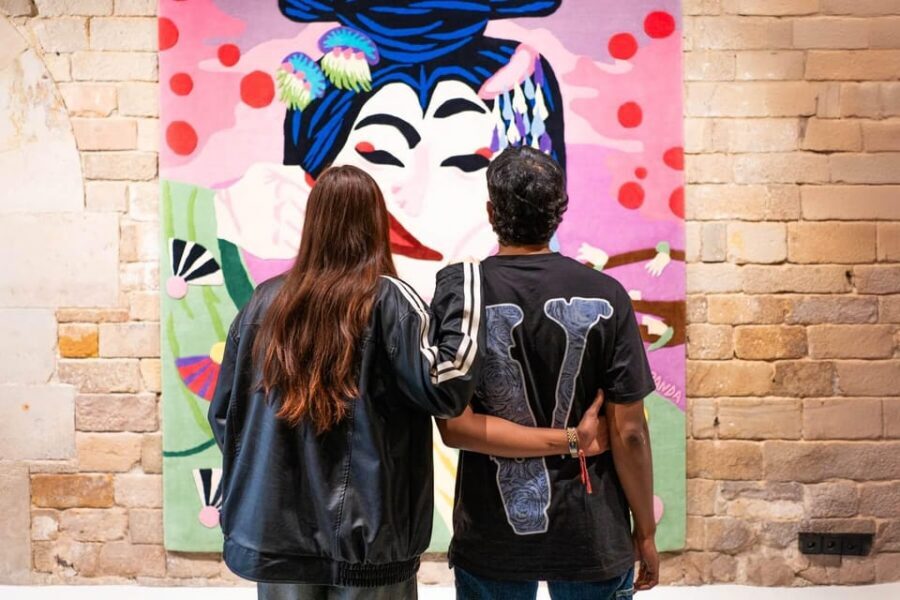
That contrast—old palace rooms meeting modern art—adds an extra layer. You’re not just seeing street-art famous names. You’re watching them placed in spaces built for status and long-term power. It makes you think about how culture travels.
The modern art experience: Banksy, Kaws, Warhol, Basquiat

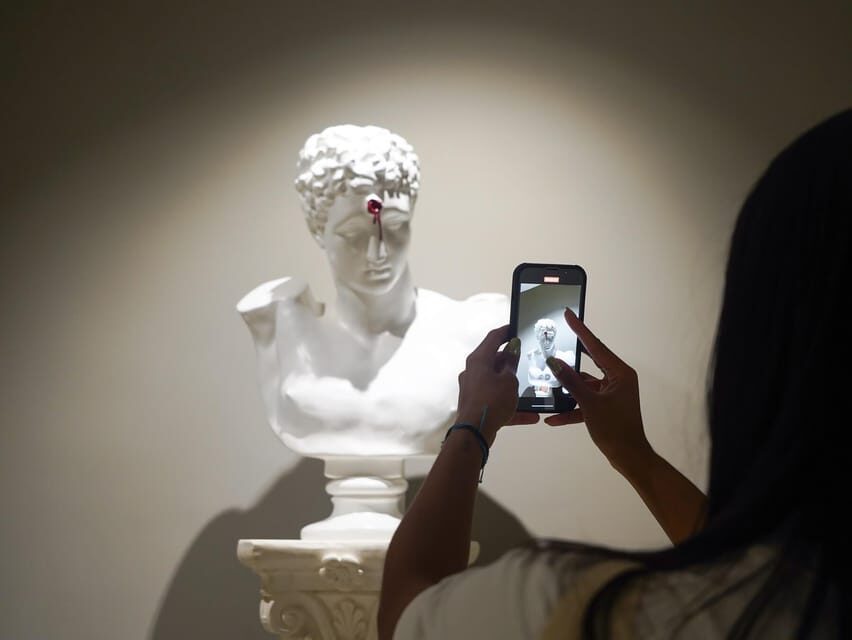
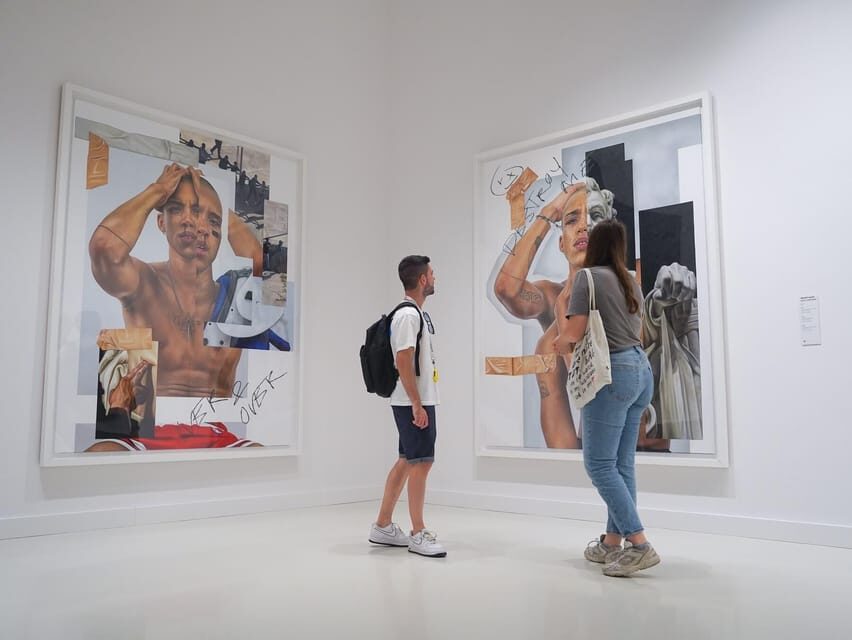
Moco’s collection in this tour is tied to big names: Banksy, Kaws, Andy Warhol, and Jean-Michel Basquiat. If you’re already curious about modern or street art, you’ll likely feel an instant connection because these artists are instantly recognizable.
Here’s what I’d pay attention to as you walk:
- How each artist treats symbols and repetition.
- How humor, provocation, and commentary show up differently across the styles.
- How the modern works sit in a historic interior—some pieces can feel more intense when you’re surrounded by older architecture.
And about time: since the Moco portion is self-paced, you control how long you want to spend. If you feel like you’re moving too fast, slow down. If you’re more interested in quickly sampling the “greatest hits,” you can do that too.
One balanced note: some people wonder if Moco is worth the extra cost on top of Picasso. I think it depends on what you love. If modern art is a major part of your trip interests, Moco is an easy yes. If you’re mainly a Picasso purist, you may still enjoy it, but your heart will likely stay with the guided Picasso story.
Group size, pace, and language: what to expect from a real-world tour
The tour runs with a maximum of 20 travelers per guide, which helps keep the experience from feeling like a frantic herd. You should be able to hear explanations and navigate without constant crowd collisions.
Language is listed as English. Still, pay attention to this in your own expectations. One real-life issue that can change the experience is when a guide shifts language to involve children in the group. If you’re traveling with kids and your priority is everyone understanding the guide in English, it’s smart to ask ahead or confirm your language expectations when you check in.
Also, you’re dealing with a short total duration (about 3 hours). That means you won’t have unlimited museum time. You’ll get a structured Picasso visit plus a self-paced Moco stop, so your plan should be: focus for Picasso, roam for Moco.
Price and value: what you’re really paying for
At $62 per person for a 3-hour experience, you’re paying for two main things:
- A professional local guide inside the Picasso Museum (not just tickets)
- Tickets to both museums, including a skip-the-ticket-line benefit for the Picasso Museum
That’s the key value equation. If you tried to DIY this in the same time window, you’d likely spend time figuring out entry logistics and you might miss the guided structure that turns Picasso’s phases into a coherent story.
Another value signal: you start with a focused museum context (Picasso) and finish with flexible modern art time (Moco). That’s a good use of time in Barcelona when you have only so many museum hours.
Who should book this tour (and who should pass)
This experience is a strong fit if:
- You want a guided introduction to Picasso’s major periods (blue, pink, cubist, neoclassical, surrealist).
- You like modern art and want a quick, recognizable hit list (Banksy, Kaws, Warhol, Basquiat).
- You prefer small-group pacing and don’t want to spend time sorting out museum entry alone.
It may not be the best match if:
- You’re traveling with very young children. The tour is not recommended for children under 3 years old.
- You hate structured time. The Picasso portion is guided and paced; you won’t have total freedom to wander during that segment.
- You’re extremely sensitive to language mix in a mixed group. English is listed, but group dynamics can affect how explanations land.
Should you book this Picasso Museum with Moco ticket combo?
I’d book it if you want the easiest path to understanding Picasso without losing your whole day. The guided visit at the Picasso Museum turns a huge collection into a readable story, and the Moco Museum right afterward gives you modern art energy without forcing you to keep listening to explanations.
I’d think twice if your main goal is only Picasso masterpieces and you don’t care about modern names at all. In that case, spending extra time (and money) on Moco might feel like it’s pulling you away from what you really came for.
If you do book: arrive early at Plaça del Fossar de les Moreres, wear shoes you can stand in, and treat the tour like a two-part mission—learn Picasso on the inside, then choose your own path through Moco.
FAQ
Where is the meeting point?
The meeting point is Plaça del Fossar de les Moreres – 08003 – Barcelona. The guide will be waiting with a Julià Travel sign or umbrella next to the sculpture of the Eternal Flame.
How long does the tour take?
The duration is 3 hours.
What does the price include?
The price includes a ticket to the Picasso Museum, a professional local guide, a tour inside the Picasso Museum, and a ticket to the Moco Museum.
Is hotel pickup included?
No. Hotel pickup and drop-off are not included.
What language is the tour guide?
The tour is in English.
Is there a skip-the-line benefit?
Yes. This experience includes skip-the-ticket-line for the Picasso Museum.
Are there any restrictions for kids or bags?
The tour is not recommended for children under 3 years old. The experience also advises not carrying backpacks; if you do, you must leave it at the box office to access the museum.