REVIEW · BARCELONA
Barcelona: Picasso Walking Tour with Picasso Museum Tickets
Book on GetYourGuide →Operated by TourzUP · Bookable on GetYourGuide
Picasso’s Barcelona feels personal fast. This experience pairs a short walk in the artist’s old neighborhood with entry to the Museu Picasso, so you can connect the streets to what you’re seeing inside. It’s built for people who want Picasso on foot and then time to look slowly at the art.
Two things I like a lot: you get skip-the-ticket-line entry, and the group stays small (limited to 8). If you choose the guided option, you also get a brief outside briefing and ticket handoff, which helps you get your bearings quickly before you go at your own pace.
One heads-up: the guide does not go into the museum with you. After a short meet-up and ticket process, the visit becomes self-guided, so if you want someone in the galleries explaining everything, you’ll need an audio guide (or be ready to read signage carefully).
In This Review
- Key highlights at a glance
- Meeting at the Museu Picasso: fast start, clear expectations
- The walk in Picasso’s old area: what the outside context gives you
- Inside the museum: your 90 minutes, your pace
- Early works: seeing style changes in real time
- The Blue Period: sad beauty in blue tones
- The Rose Period: brighter colors, love, and harlequins
- Cubism: geometric shapes and shifting viewpoints
- Sculptures and ceramics: Picasso in 3D
- The workshop moment: seeing the creative space
- Museum shop: buy gifts tied to what you saw
- Price and value: is $37 fair for what you get?
- Who should book, and who should pass
- Heads-up: the two ways this can disappoint
- Should you book the Barcelona Picasso walking tour with museum tickets?
- FAQ
- How long is the Barcelona Picasso walking tour with museum tickets?
- Where do I meet for this experience?
- What is included in the price?
- Is there a guided tour inside the museum?
- Do I skip the ticket line?
- What languages are the guides/tour available in?
- What should I bring, and what is not allowed?
- Is this tour suitable for wheelchair users?
- Is there flexibility if my plans change?
Key highlights at a glance
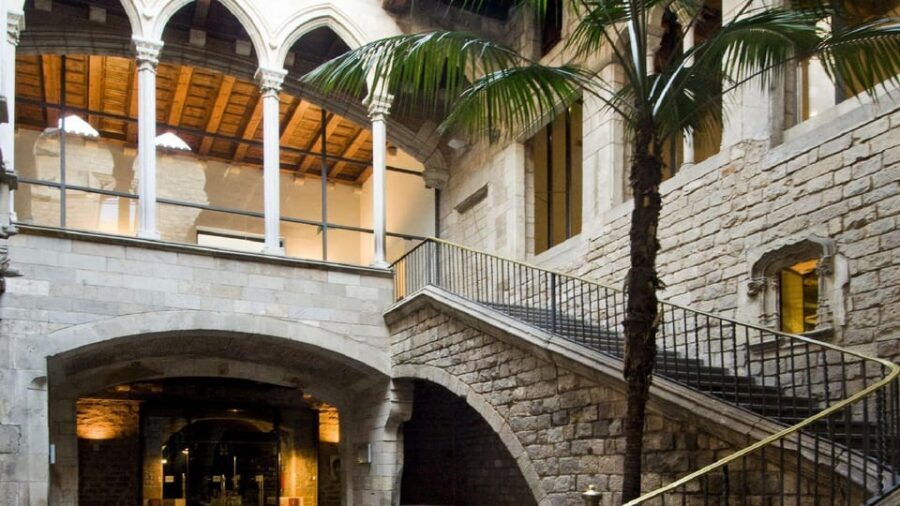
- Skip-the-line museum entry so you spend time looking, not waiting
- Small group (up to 8 people) for a calmer, easier start
- Outside-guide briefing option with an initial walk and area context
- Early works through Cubism: you’ll move through multiple Picasso styles
- Sculptures, ceramics, and the workshop for a 3D view of how he worked
- Museum shop on the way out for Picasso-themed gifts
Meeting at the Museu Picasso: fast start, clear expectations
The whole experience kicks off right at the Museu Picasso in Barcelona. That’s good news because you’re not hunting for an office, a subway stop, or some vague corner. You just show up at the museum, meet the team, and get directed from there.
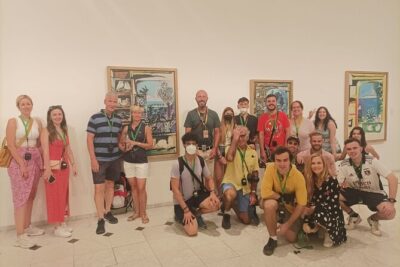
If you selected the guided option, plan on a short briefing by the outside guide before you enter. The guide’s job is practical: give you context while you walk, then help with the ticket moment so you can move on without queue stress. In a small group (up to 8), that early focus matters. You’re less likely to feel like you’re being rushed or swallowed by a crowd.
Language options are English and Spanish, so you can match your comfort level. And the tour timing is tight: 2 hours total, with a briefing period up front and then a longer museum chunk afterward.
One important mental model: this is not a guided tour where someone follows you room to room and tells you what to look at. It’s an outside-guided start plus a self-paced museum visit. If that matches how you like to travel, it works very well.
You can also read our reviews of more tours and experiences in Barcelona



The walk in Picasso’s old area: what the outside context gives you
The walking portion is about putting Picasso’s life in front of your eyes before you enter the museum. With the guided option, the outside guide gives some insider tips about the neighborhood and its historical importance while you’re walking. Even if you’re not a super-nerdy history person, this kind of framing can help you understand why the museum’s location matters.
If you choose Tickets Only, you’ll skip the guidance. You still get entry, but you’ll be doing the neighborhood part on your own. For some people, that’s perfectly fine. For others, it can feel like you’re entering the museum cold—no quick orientation, just a ticket and a map.
Either way, you’ll want comfortable shoes. The tour isn’t described as a long hike, but it is a walking experience through an old city area. Your feet will be the limiting factor more than anything else.
Inside the museum: your 90 minutes, your pace
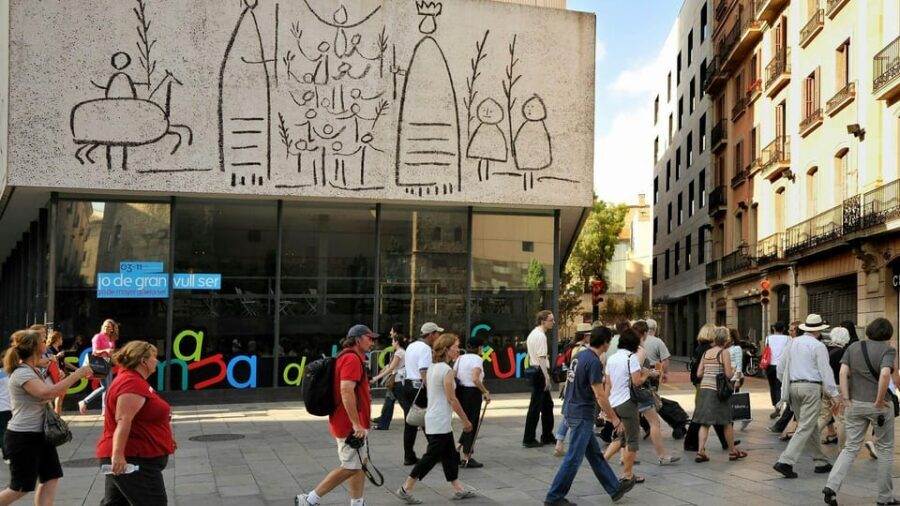
After the outside briefing and ticket process, you enter with your tickets and enjoy the museum on your own. The guide does not stay with you inside. Instead, you get a short meeting first, then your visit becomes self-guided for the museum portion.
That setup is a double-edged sword:
- It’s great if you like to linger in front of one piece and then jump to the next room when you feel like it.
- It can be frustrating if you expect someone to interpret the works as you go.
If you’d like extra help, the description points out that you might need an audio guide to understand the objects better. That’s a smart option here because the museum covers multiple phases of Picasso’s style, and having a layer of explanation can make the shifts much easier to recognize.
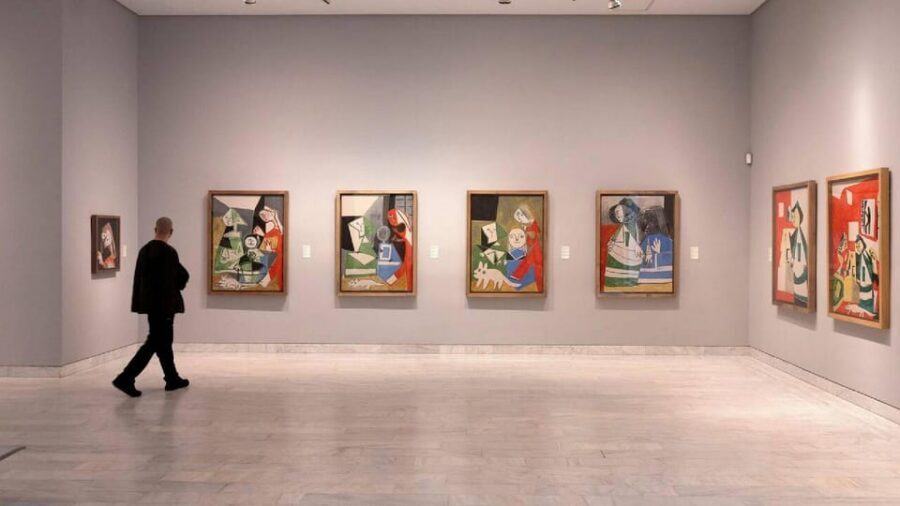
Within the museum, the visit is designed around Picasso’s changing style over time. You’ll get a clear pathway through his early work, key periods, and the more experimental breakthroughs.
Early works: seeing style changes in real time
You start by looking at paintings, sketches, and drawings Picasso made when he was young. The idea is to notice how his style and methods were shifting over time. When you’re doing this on your own, give yourself permission to compare.
What to do in this room:
- Spend a little time scanning for differences, not just favorites.
- Look for signs of how the work changes as he develops.
- If labels feel too short, consider using an audio guide so each object has more context.
This is where self-guided can actually be a plus. You’re not being steered to one “important” piece and moved along. You can follow your own curiosity.
The Blue Period: sad beauty in blue tones
Next comes the Blue Period collection, described as sad beauty with heavy blue colors and themes of being poor, hurt, and alone. This is one of those places where the emotional tone does the explaining before any wall text does.
If you’re prone to zoning out in museums, try a simple check: ask yourself what you notice first—color, expressions, mood, subject—and then how that feeling changes from piece to piece. Since the collection is theme-driven (poverty, hurt, loneliness), you’ll likely see a consistent thread.
The self-paced structure helps here because the Blue Period works don’t work like a quick photo stop. They reward slower looking.
You can also read our reviews of more walking tours in Barcelona





The Rose Period: brighter colors, love, and harlequins
Then you shift into the Rose Period gallery, where the description calls out brighter colors and themes of love and happiness. The circus artists and harlequins play a big role here, and they reflect a significant change in Picasso’s artistic direction during this period.
This is a good “contrast moment.” If you’ve just been sitting with the Blue Period mood, you’ll likely feel the difference immediately. Again, self-guided is a strength, because you can let the emotional change register in your own time.
A practical tip: don’t rush this section just because it’s the “lighter” one. The point is how Picasso pivoted, not just that the palette changed.
Cubism: geometric shapes and shifting viewpoints
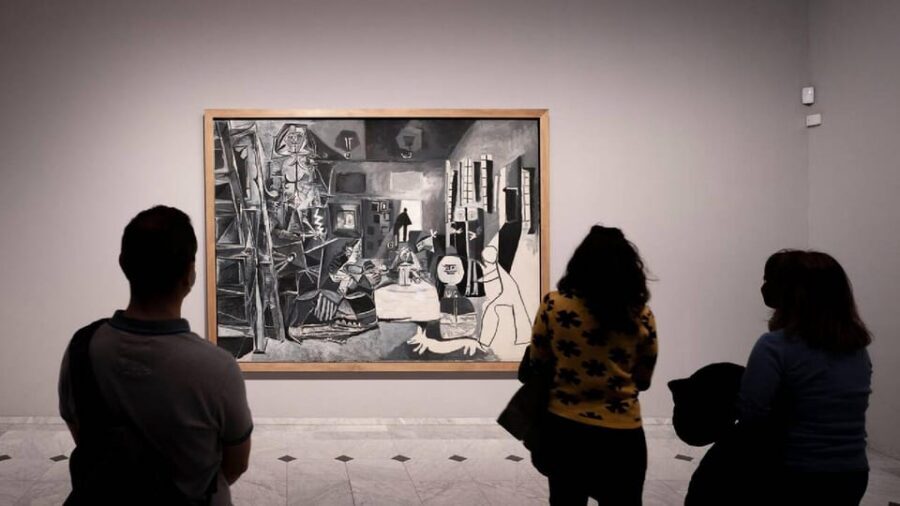
After that, you get the Revolutionary Cubism exhibition. This section is described in plain terms: geometric shapes, different points of view, and broken-up shapes.
This is another place where expectations can make or break your visit. If you go in expecting traditional perspective, Cubism can feel like a puzzle you don’t want to solve. If you treat it like a controlled experiment—different angles, fragments, and reassembled forms—you’ll usually enjoy it more.
With self-guided time, you can pick the pieces that click for you. Then you can step away before you feel overwhelmed.
Sculptures and ceramics: Picasso in 3D
The museum also includes a dedicated area for Picasso’s sculptures and ceramics. The key point is the 3D side of his imagination—how he uses materials and how the work holds shape in space.
If you’re the type who only really “gets it” when you can see how something is built, this part is worth extra time. You don’t just look at an image—you consider form, texture, and structure.
The workshop moment: seeing the creative space
You also have access to what’s described as Pablo Picasso’s famous studio, offering a glimpse at the creative space where he produced well-known works. The workshop is positioned as a rare chance to connect with how he transformed ideas into art.
This is where the museum becomes more than a list of styles. It turns into a sense of process: place, work rhythm, and the way ideas become objects.
Even if you’re not an art-history person, a studio setting often makes the whole museum feel more human. It’s less about theory and more about making.
Museum shop: buy gifts tied to what you saw
Before leaving, the museum shop is part of the experience. You can pick up unique pieces themed around famous Picasso paintings. Since it’s at the exit point, it’s easy to browse after your last gallery session without breaking your flow.
If you’re buying gifts, I’d use this strategy: first choose one or two works you truly liked, then shop around those themes. Otherwise you can end up with neat souvenirs you don’t really connect to.
Also note: the tour itself doesn’t include food breaks, and the activity info says pets, food and drinks, and luggage or large bags aren’t allowed. Plan accordingly so you don’t end up hunting for a place to store anything.
Price and value: is $37 fair for what you get?
At $37 per person, you’re paying for a bundle: entry tickets plus an outside guide if you choose the guided option. You also get the practical benefit of skipping the ticket line.
Here’s the value math in normal human terms:
- If you were going to buy museum tickets anyway, the guided add-on is what you’re really funding.
- If you hate waiting, the skip-the-line part can be worth real money in stress saved.
- If you want interpretation inside the galleries from a guide, you should know that the inside part is self-guided and there is no guided tour inside.
So the price works best for people who are comfortable reading museum info, using an audio guide if needed, and enjoying a museum at their own pace. It’s less ideal for people who want a full guided explanation during the museum visit.
One more thing: the tour includes an outside guide briefing (when selected) that lasts about 30 minutes. That short time can be just enough to set you up to enjoy the next 90 minutes in the museum.
Who should book, and who should pass
This is a strong fit if:
- You’re a history buff or an art lover.
- You want Picasso’s changing style in a single structured visit.
- You like small groups and a calmer start rather than a big rushed crowd.
- You enjoy looking at art on your own, with optional audio support.
It’s not the best match if:
- You expect a guide to walk you through the museum rooms.
- You need full mobility support. The info says it’s not suitable for mobility impairments and wheelchair users.
- You want the most structured, lecture-style interpretation possible.
Also, remember what you’re really doing: walking first for orientation, then museum time on your own. That’s a style of travel decision, not just an art decision.
Heads-up: the two ways this can disappoint
No travel plan is perfect, but I think you should be aware of two specific risk points tied to how this works.
First, museum access can be disrupted. One booking experience described a message the day before about closure on the planned date. That’s the kind of thing you can’t fully control, but you can reduce the odds of a wasted trip by checking museum opening status the day before and the morning of.
Second, make sure you understand what you bought. Another reported issue described a case where the booking felt like tickets were sold with no tour or guide support. To protect yourself, double-check that you selected the guided option you want. If you booked Tickets Only, you should expect no guidance.
These aren’t reasons to avoid Picasso in Barcelona. They are reasons to treat this as what it is: ticket + optional outside guide, then self-paced museum time.
Should you book the Barcelona Picasso walking tour with museum tickets?
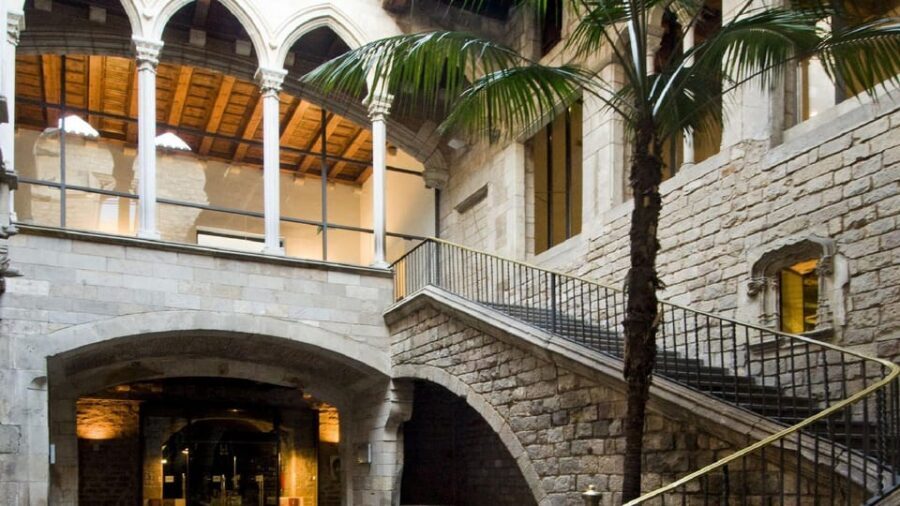
I’d book it if your priorities are fast entry, a small-group start, and a self-guided museum visit where you can move at your own pace. The combination of outside context plus access to a collection that moves from early works through Blue Period, Rose Period, and Cubism is a smart way to understand Picasso’s evolution without feeling tethered to a scripted lecture.
Skip it or think twice if you want a full guided experience inside the museum, or if you need accessibility accommodations. In that case, you’ll likely feel the absence of an in-gallery guide.
If you do book, do one simple thing: confirm the museum is open for your date and verify you selected the guided option if that’s what you want. If those boxes are checked, this is a practical, value-focused way to spend 2 hours in Picasso’s orbit.
FAQ
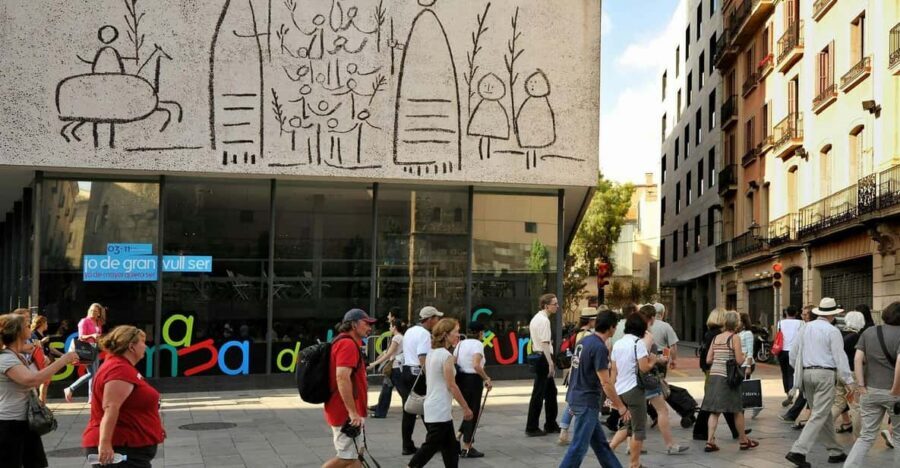
How long is the Barcelona Picasso walking tour with museum tickets?
The duration is 2 hours.
Where do I meet for this experience?
You meet at the Picasso Museum in Barcelona.
What is included in the price?
It includes entry tickets, and an outside guide if you select the guided option.
Is there a guided tour inside the museum?
No. The tour is self-guided inside the museum. The guide does not go in with you.
Do I skip the ticket line?
Yes, it includes skip-the-ticket-line entry.
What languages are the guides/tour available in?
The live tour guide is available in English and Spanish.
What should I bring, and what is not allowed?
Bring comfortable shoes and comfortable clothes. Pets, food and drinks, and luggage or large bags are not allowed.
Is this tour suitable for wheelchair users?
No. It is not suitable for people with mobility impairments or wheelchair users.
Is there flexibility if my plans change?
You get free cancellation up to 24 hours in advance for a full refund, and you can reserve now and pay later.