REVIEW · BARCELONA
Barcelona: Tapas & Wine Tour in Born & Gothic Quarter
Book on GetYourGuide →Operated by Devour Tours · Bookable on GetYourGuide
This tapas night comes with a wine plan. It guides you through Barcelona’s Born and Gothic Quarter with modern and traditional small plates, plus plenty of time to learn how local food habits actually work. I like the clear structure of tasting exactly 5 Catalan wines, and I also like that it stays small—12 people or fewer—so your guide can keep things moving without turning it into a food parade.
One big consideration: this tour is built around alcohol. It’s not for people who don’t drink, and it’s not suitable for under 18 or pregnant guests (there may be alternatives, but it won’t be the same experience).
In This Review
- Key things to know before you go
- Born and the Gothic Quarter: the right stage for tapas
- Getting there and keeping the pace comfortable
- Stop-by-stop: your tapas and wine route in plain English
- The warm-up: Cava and shared small plates
- El Born: a short guided orientation that helps you notice more
- Bastaix: Catalan meets Latin American, plus vermouth on tap
- Restaurant Santagustina: classic Catalan flavors with a Catalan red
- La Palma de Bellafila: the wrap-up tasting and a sweet ending
- Price and value: what $123 is really buying
- Who should book this tapas and wine crawl
- Should you book it?
- FAQ
- How long is the tour?
- Where does the tour start?
- Do I need to arrive early?
- What is the group size?
- How many wines and what kind are included?
- What food should I expect?
- Is hotel pickup or drop-off included?
- Is it suitable for vegans or gluten intolerance?
- Can children or teens join?
- What if I need to cancel?
Key things to know before you go
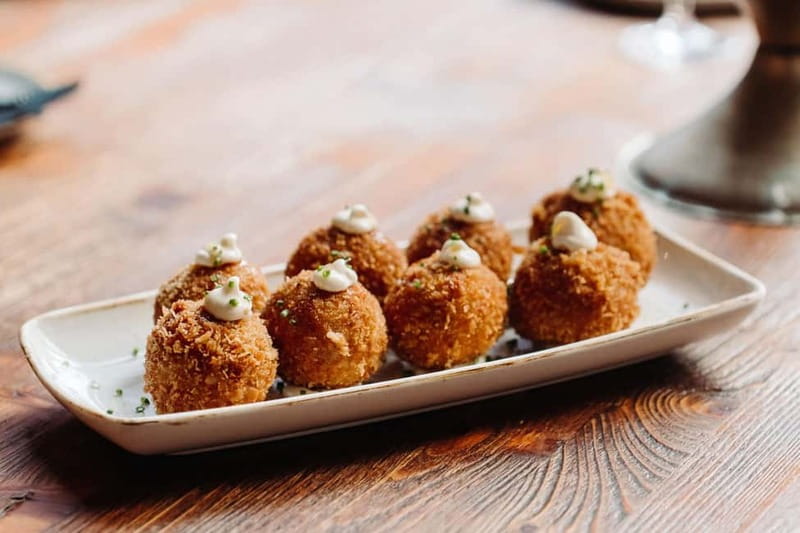
- 5 Catalan wines across multiple stops, including Cava and a dessert wine finish
- 3 tapas tasting stops in local-favorite places you’d miss if you only hunted for famous names
- Small-group pacing (12 people or fewer) on a moderate walk
- Vermouth from the tap with a quick explanation of why it’s back in fashion
- Sit-down tapas dinner style at one of the later restaurants, not just standing around
Born and the Gothic Quarter: the right stage for tapas
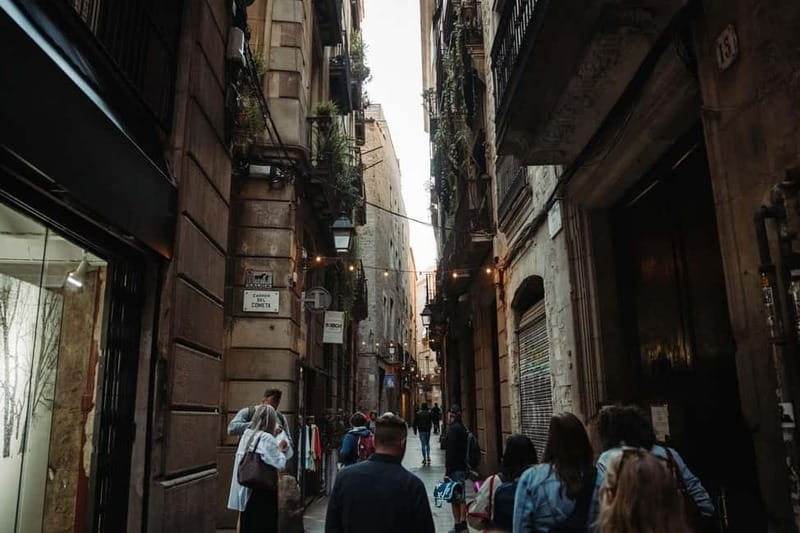
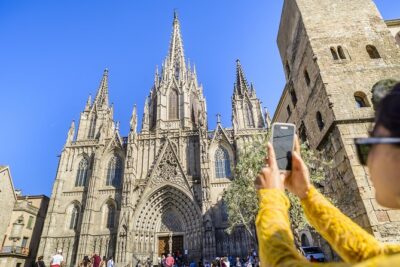
Born and the Gothic Quarter are perfect for this kind of evening because they reward slow walking. The streets are tight, the food spots are close together, and the whole vibe is about lingering. This is the difference between eating a few tapas and actually understanding the culture: your guide connects the dots between what you’re tasting and how locals eat it—shared plates, lots of variety, and a drink that changes how the next bite lands.
You also get the practical bonus of being in central neighborhoods with character. You start near Carrer del Rec Comtal (right by farmacia Comas), then you move into Born for a short guided introduction. That little orientation matters more than you’d think. When you can place a neighborhood historically and socially, the tapas stops feel less random and more like a route through Barcelona’s eating habits.
And yes, the night has a strong wine heartbeat. If that sounds like fun, you’ll get a lot out of the pairing talk and the way each stop builds on the last one.
You can also read our reviews of more wine tours in Barcelona



Getting there and keeping the pace comfortable
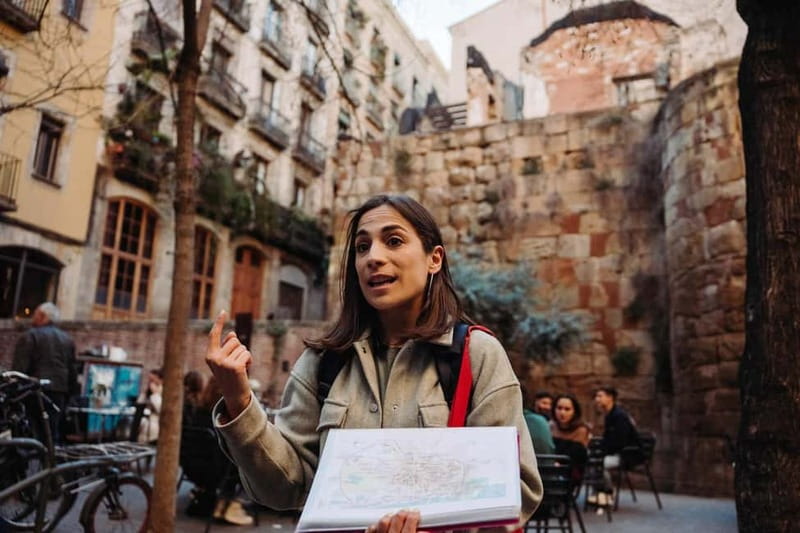
This is a walking tour. It lasts about 3 hours, and you’ll cover a moderate distance at an easy-but-steady pace. Wear comfortable shoes—no heroics required. You’ll also want to arrive early because the meeting point is specific.
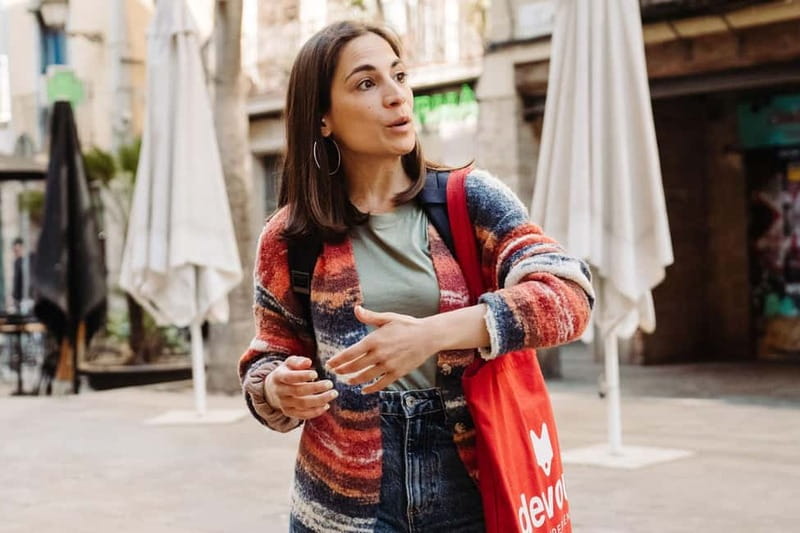
Plan to show up 15 minutes before your start time at Carrer del Rec Comtal, 2. Your guide will be holding a red bag or a Devour Tours sign, waiting in front of farmacia Comas. From there, the route is designed to keep you eating rather than waiting.
The tour is in English, and it’s led by a local food guide. You’ll get explanations as you go, including Catalan food context that helps you understand why these places serve the foods they serve and why certain drinks show up at the table.
Stop-by-stop: your tapas and wine route in plain English
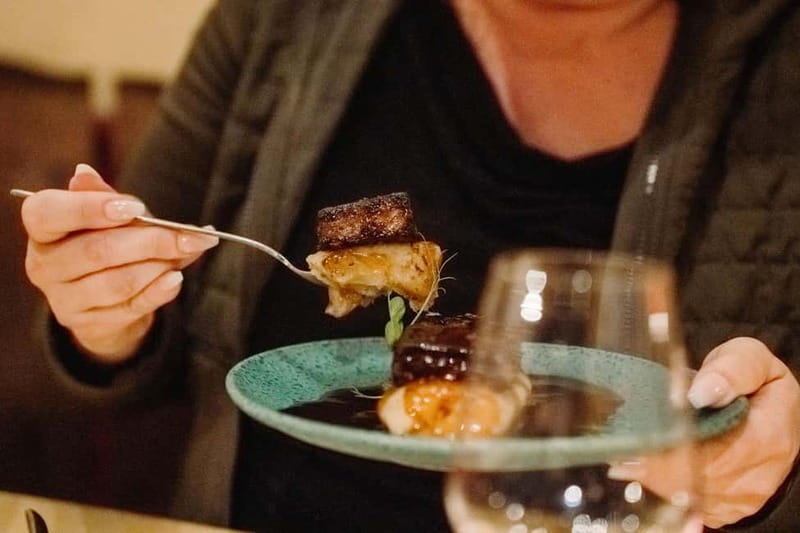
The warm-up: Cava and shared small plates
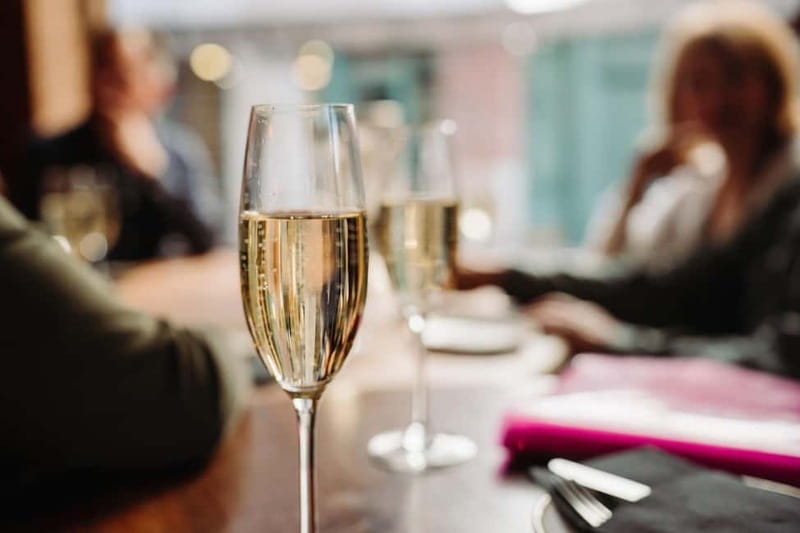
You start the evening with the most Barcelona way to begin: a tasting-style introduction where you share small bites at a tapas bar. This is where you get your first taste of Catalonia’s drinking culture with Cava, a Spanish sparkling wine produced primarily in Catalonia. You’ll be sampling classic and modern flavors in the same session, so you’re not stuck in one lane.
This early stop does two useful things. First, it gets your palate ready—sparkling wine cuts through rich flavors and salty tapas fast. Second, it sets expectations for the rest of the night: tapas here aren’t tiny for decoration. They’re meant to be collected, compared, and eaten at a relaxed pace.
What to watch for: because the tour is wine-focused, the schedule doesn’t slow down if you take a long time reading menus. If you know you want pacing that’s food-first over alcohol, consider that up front.
El Born: a short guided orientation that helps you notice more
Then you’ll head into El Born for a brief guided segment. It’s only about 15 minutes, but it’s the kind of intro that improves the rest of the evening. Your guide sets the scene—how the neighborhood relates to Barcelona’s food life, and how tapas culture became part of everyday social time.
I like this part because it stops the evening from feeling like a checklist of restaurants. You learn enough to understand why the guide chose these bars and why the foods reflect the region’s identity instead of just catering to tourists.
It also helps you feel confident moving through streets later, when you’re not with the group.





Bastaix: Catalan meets Latin American, plus vermouth on tap
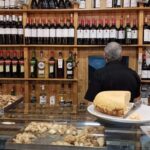
Next comes Bastaix for about one hour of wine and food tasting. This is one of those stops that proves tapas can be both modern and rooted. The place leans into a mix of Catalan and Latin American cuisines, and you’ll taste a range of Barcelona-style small dishes along with freshly prepared plates.
On the wine side, you’ll get a refreshing glass of white wine, plus a tasting of vermouth poured directly from the tap. Vermouth is having a comeback in Barcelona, and your guide explains why it works so well with tapas—its fortified, herbal profile gives you a backbone for salty bites and fatty sauces.
The real cultural angle here is the connection between food and identity. The owner pays respect to her Argentina roots while also treating Catalonia as home. You can taste that blend in the way the menu plays with flavors rather than copying one style only.
A practical note: if you’re the type who loves trying unfamiliar drinks, this stop is a highlight. If you dislike bitter herbal flavors, vermouth might be the one part you consider most carefully.
Restaurant Santagustina: classic Catalan flavors with a Catalan red
Your next major tasting stop is Restaurant Santagustina, also about one hour. This is where the night shifts closer to a traditional tapas dinner rhythm. You’ll sit down and focus on flavors that reflect classic Catalan taste patterns—what “local” means here, and how the kitchen builds plates for sharing.
You’ll also taste a beautiful Catalan red wine with the meal. That pairing matters: red wine changes the conversation with tapas, especially when you’re moving from lighter bites to richer sauces and more structured dishes.
This is also a good stop for the kind of learning that isn’t academic. Your guide folds in the bigger story of tapas—how it became a social habit, how it ties to wine culture, and why these meals are built for conversation, not speed.
If you want a night that feels like food and wine culture, not just consumption, this is the moment you’ll feel it.
La Palma de Bellafila: the wrap-up tasting and a sweet ending
The final tasting stop is La Palma De Bellafila for another one hour of wine and food. By now, your stomach is full enough to appreciate the variety, and your palate is warmed up to notice differences between wines and styles of tapas.
This is the stop where the tour’s wine story tends to land its finishing note. The experience includes a regional dessert wine to close things out sweetly. That last sip isn’t just a treat—it’s a smart way to end, because it signals that the goal of tapas nights is not heavy stuffing. It’s sampling, pacing, and ending comfortably.
One tip: plan to keep sipping water between tastings. Not because you have to slow down, but because it keeps you tasting clearly through the final stop.
Price and value: what $123 is really buying
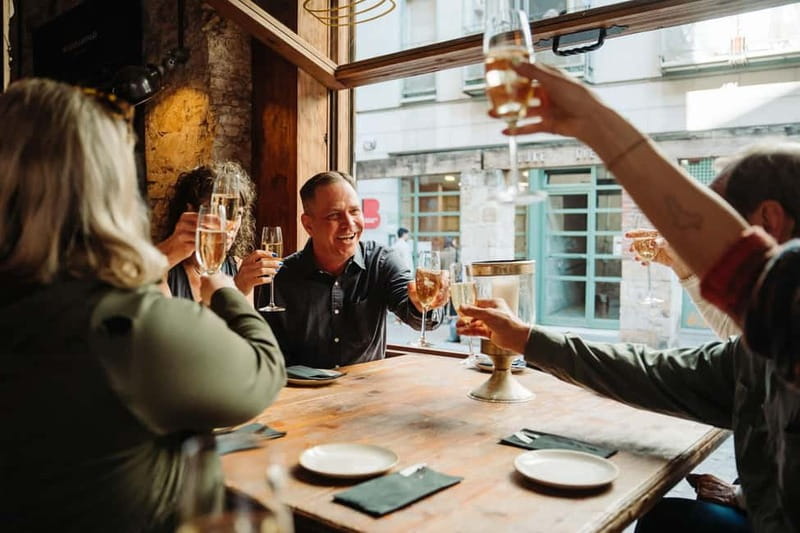
At $123 per person for about 3 hours, you’re paying for a package: a local English-speaking guide, a focused walk, 3 tasting stops, and 5 different Catalan wines plus a variety of tapas that add up to a full meal.
Here’s the value math that matters in Barcelona. If you tried to replicate this on your own, you’d likely pay for:
- Several drinks across different bars and restaurants
- Multiple tapas orders (and the guesswork of what to pick)
- At least one sit-down meal
- Time spent hunting for places that fit tapas culture instead of just being convenient
This tour saves you that “planning tax.” You get the route, the selection logic, and the pairing explanations without having to gamble on menus. And the small group size (12 or fewer) is part of that value: you’re not lost in the shuffle, and you can ask questions during the tastings.
The other side: if you don’t drink alcohol, the price is harder to justify, because the tour is structured around wine progression.
Who should book this tapas and wine crawl
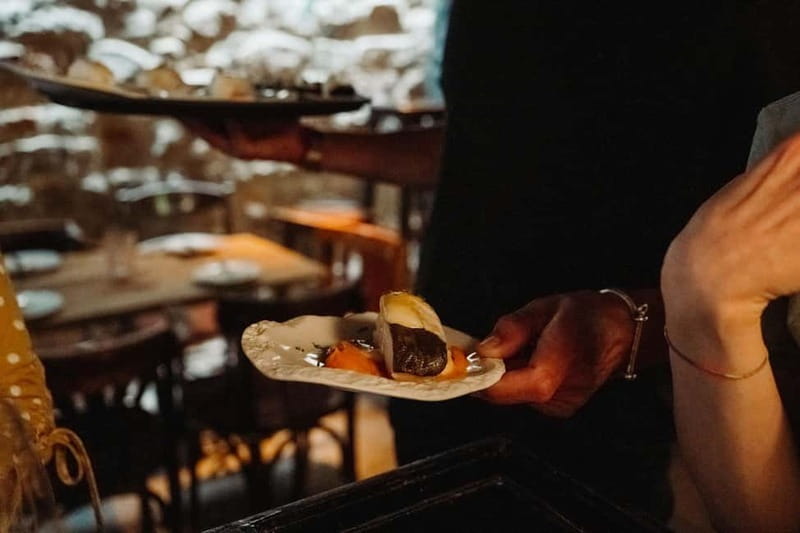
Book it if you want:
- A wine-forward night with clear pacing and tastings that feel like a complete meal
- Local-feeling spots in Born and the Gothic Quarter, not just a single restaurant
- A small-group experience led by a guide who connects food with neighborhood context
In fact, guides like Alex and Alexandra F. are known for being personable and for weaving in Catalan context alongside the tasting. That combination is exactly what makes the evening worth it: you’re not just eating, you’re getting the story behind why the dishes and drinks work together.
Skip it if:
- You don’t drink alcohol or you’re looking for a strictly non-alcoholic food tour
- You’re vegan or have a gluten intolerance (the tour is not suitable for vegans or gluten intolerance based on the provided info)
- You need wheelchair access or are pushing a stroller (the tour isn’t suitable for mobility impairments, wheelchairs, or strollers)
Should you book it?
If you like wine and you enjoy tapas as a shared, multi-stop style meal, this is a strong choice. The structure is tight: you get 5 Catalan wines, enough tapas for a real meal, and you visit multiple places in the neighborhoods that make sense for this kind of eating.
If wine isn’t your thing, be honest with yourself. This tour is built around alcohol progression, so you’ll probably have a better time with a food-focused tour designed for non-drinkers.
FAQ
How long is the tour?
The tour lasts about 3 hours.
Where does the tour start?
It starts at Carrer del Rec Comtal, 2, in front of farmacia Comas.
Do I need to arrive early?
Yes. You should arrive 15 minutes prior to your start time.
What is the group size?
The tour is a small group of 12 people or fewer.
How many wines and what kind are included?
You taste 5 different Catalan wines, with tastings that include items such as Cava and vermouth, plus a dessert wine finish.
What food should I expect?
You’ll taste a variety of tapas across multiple tasting stops, enough food for a complete meal.
Is hotel pickup or drop-off included?
No. Hotel pickup and drop-off are not included.
Is it suitable for vegans or gluten intolerance?
No. The tour is not suitable for vegans or for people with gluten intolerance.
Can children or teens join?
It is not suitable for children under 15.
What if I need to cancel?
You can cancel up to 24 hours in advance for a full refund.