REVIEW · TARRAGONA
Birdwatching in the Ebro Delta
Book on GetYourGuide →Operated by VIATGES NÉMON · Bookable on GetYourGuide
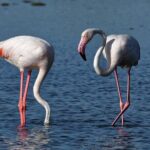
Flamingos make the Ebro Delta real. This 2.5–3 hour birdwatching outing sweeps you past viewpoints around Les Olles and along the coastline toward Fangar Bay, with real explanations of how the Delta works (not just a checklist). I especially like the mix of car + short walks, which helps you cover more habitat without feeling rushed. I also love how the guides—like Pep, David, and Eli—turn what you’re seeing into clear, practical understanding of the ecosystem. One thing to consider: you’ll be out in rain or wind, and you travel in your own car, with space needed for the guide.
You’ll start at the Camping Ampolla Playa de L’Ampolla reception and follow an environmental educator around the lagoon on foot, then keep going by car to the next coastal viewpoints. It’s a small group (up to 10), and the tour runs in English, French, Spanish, or Catalan. If you want birds plus the “why” behind them, this format is a strong fit.
In This Review
- Key Points Before You Go
- Les Olles Lagoon: The Smallest Lagoon in the Park, With Big Bird Energy
- What I like about the teaching style here
- A practical note
- Fangar Bay and the Coastal Drive: Why This Route Works
- What you can realistically spot along the way
- Why you’ll feel more confident after
- Riding With Your Own Car: Logistics That Matter (and How to Prep)
- Group size: small enough for attention
- What You’ll Learn: Rice Fields, Plants, and How the Delta Feeds Birds
- A small but important bonus
- Bird Species Highlights: How to Spot the Ones the Tour Emphasizes
- Bring your own comfort, and your eyes
- Timing: 2.5–3 Hours That Feel Like More
- Price and Value: Is $47 Worth It?
- Weather, Clothing, and Rules You Should Actually Respect
- Who This Tour Is Best For (and Who Might Want Something Else)
- Not a fit if…
- Meet the Guides in Your Head: Pep, David, and Eli’s Common Strength
- Should You Book This Birdwatching Tour in the Ebro Delta?
- FAQ
- How long is the Ebro Delta birdwatching tour?
- Where is the meeting point?
- Do I need a car for the tour?
- How many people are in the group?
- What birds can we expect to see?
- What languages is the tour guide available in?
- Is the tour wheelchair accessible?
- What should I bring?
- Is the tour canceled if weather is bad?
- What is the cancellation and payment flexibility?
Key Points Before You Go

- Les Olles lagoon viewpoints: built for spotting waterfowl and waders, not just looking at water
- Coastal route to Illa de Mar: you’ll cover the Delta’s shoreline from L’Ampolla toward the fishing port
- Guides who connect species to habitat: you learn how rice fields, dunes, and plants shape what birds do
- Small group, max 10: easier listening, easier repositioning at viewpoints
- Potential for extra help with optics: in some outings, guides have provided binoculars to everyone
- Weather is part of the plan: rain, shine, or wind—so bring clothes you can move in
Les Olles Lagoon: The Smallest Lagoon in the Park, With Big Bird Energy
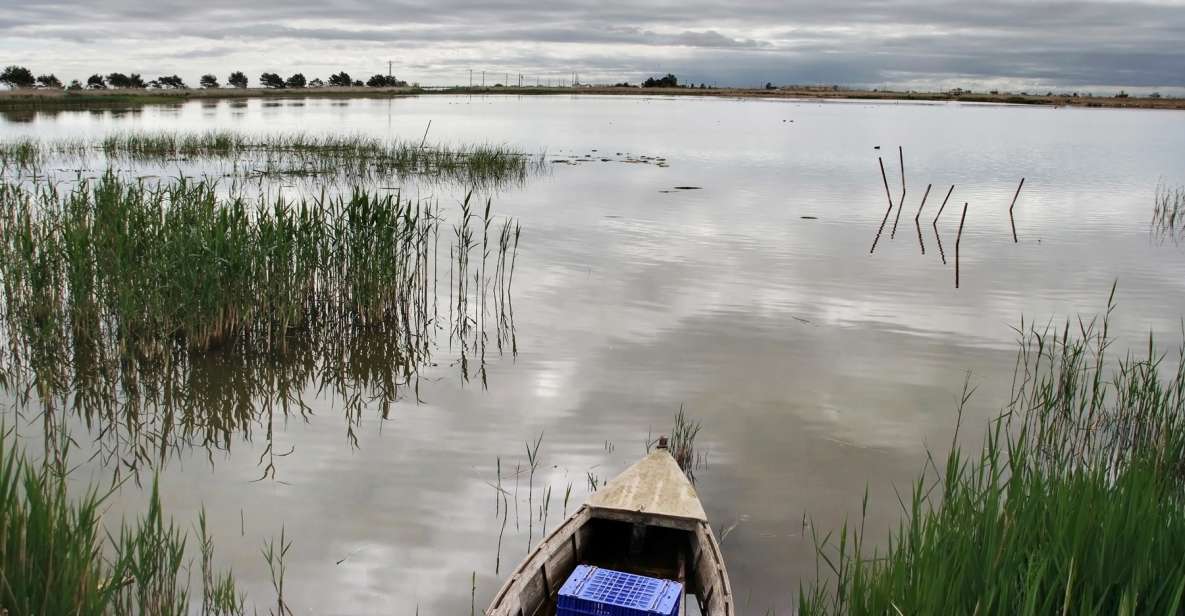
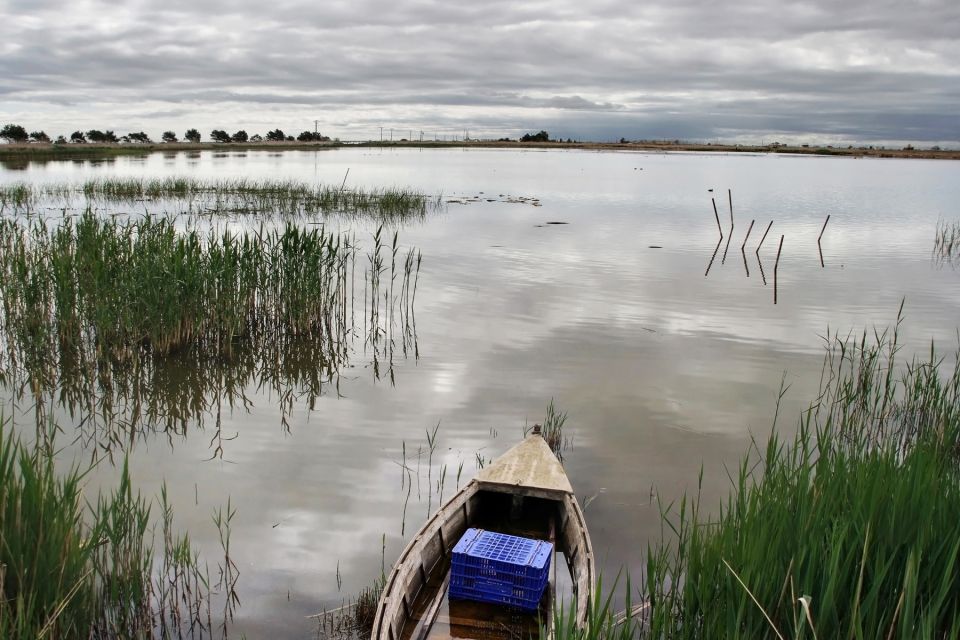
The Ebro Delta can feel enormous from the road. Then you get to Les Olles, and the whole birdwatching experience gets more focused. Les Olles is described as the smallest lagoon in the Natural Park, but it still holds a significant population of waterfowl. That’s the trick: in the Delta, size isn’t the main event. Habitat quality and food sources are.
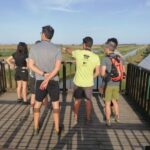
From the start, you’ll move around the lagoon and stop at viewpoints designed for seeing birds. You’re not stuck in one place. That matters, because birds shift. One minute you’re scanning for movement in the reeds; the next you’re catching a flash of color farther out. The tour’s pace makes it easier to keep your eyes working instead of burning out.
You should expect to look for a mix of birds like mallards, egrets, kingfishers, stilts, and (when conditions cooperate) the iconic flamingos. The lagoon is also a place where you’ll learn to notice vegetation, not just wingbeats. The educator talks about the plants of the region and how the Delta’s habitats function as a connected system.
You can also read our reviews of more tours and experiences in Tarragona.

What I like about the teaching style here
Instead of treating birdwatching like a guessing game, the guide points you toward what to look for: where birds feed, how lagoons and surrounding land influence bird behavior, and how water and vegetation interact. When a guide named Pep or David explains these links, it clicks fast. You end up more confident when you scan on your own later.
A practical note
If you come hoping for guaranteed flamingo photo ops, you might get frustrated. Birdwatching has real variability. But the upside is that you’ll also learn to enjoy the in-between moments—herons moving along shorelines, small waders calling attention to themselves, and the steady rhythm of water birds feeding.
Fangar Bay and the Coastal Drive: Why This Route Works

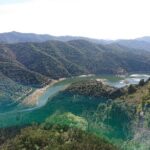
After the Les Olles part on foot, you keep moving along the coast. The tour describes it as running along the coastline—from L’Ampolla to the fishing port of Illa de Mar—with stops that help you view different parts of the Delta ecosystem.
This “by car and by foot” structure is a big part of the value. The Delta’s bird hotspots aren’t all next door. Driving between them lets you cover more habitat types in one morning/afternoon without turning your tour into a long road march.
You’re not just sightseeing the coastline either. You’re seeing how the shoreline shapes what birds choose to use it. Coastal areas can concentrate birds that feed along shallows, roost in sheltered spots, or move with tides and wind. Even if you’re not chasing a single species, this route gives you variety fast.
What you can realistically spot along the way
The tour highlights species tied to the lagoon and surrounding coastal habitats, and the bird range you might see can be wide. Based on real experiences shared by past participants, it’s common to encounter birds beyond the headline names, including cormorants, ibis, ducks, and other water birds. You may also hear about species groups like herons and waders as the guide explains habitat choices.

Why you’ll feel more confident after
A good birdwatching guide doesn’t just point and name. They explain the logic of the ecosystem. That’s what turns this from a one-off walk into something you can use again later—whether you come back to the Delta on your own or you just want to understand what you’re observing.
Riding With Your Own Car: Logistics That Matter (and How to Prep)
This tour uses your car. The guide needs a place in your vehicle, so bring a workable setup (and don’t show up with your trunk packed to the ceiling like you’re heading to a camping festival).
Meeting point: reception of Camping Ampolla Playa de L’Ampolla (the tour uses this as its starting location). From there, you begin by car and then switch to on-foot viewing around the lagoon.
This can be a great match if:
- you’re traveling with a partner or small group and already have a car,
- you like having the guide decide stops while you focus on looking,
- you want less time fighting with public transport.
But if you’re car-free, this is the trade-off. The tour explicitly isn’t designed around renting a single shared vehicle. So check your transportation plan before you book.
Group size: small enough for attention
The tour is limited to 10 participants, which changes how the stops feel. You can hear explanations without strain. And at viewpoints, it’s easier for the guide to guide your scanning instead of herding a big crowd.
What You’ll Learn: Rice Fields, Plants, and How the Delta Feeds Birds
Birdwatching in the Ebro Delta is never only about birds. The tour builds in education around the region’s vegetation and the way rice fields surround the reserve. That’s a key insight for understanding why certain birds show up where they do.
Rice fields can act like an indirect habitat for water-related wildlife. When you pair that with lagoon water levels, reed beds, and coastal vegetation, you start to see a system rather than separate “pretty places.”
During the walking portion around Les Olles, you’ll learn about:
- the vegetation that shapes shelter and feeding areas,
- how the lagoon environment supports waterfowl,
- the relationship between the reserve and surrounding agricultural land.
Participants describe guides who explain the formation of the Delta and the ecosystems you’re passing through. In plain terms: you start to understand why this area looks the way it does, and why birds treat it like an all-you-can-eat buffet.
A small but important bonus
This kind of ecological context also improves your birdwatching skills. When you understand the “why,” you stop treating every bird sighting as a random hit. Instead, you start predicting where to look next.
Bird Species Highlights: How to Spot the Ones the Tour Emphasizes
The tour’s bird list gives you a good baseline: mallards, egrets, kingfishers, stilts, and flamingos. But real value comes from learning how to recognize behavior as well as appearance.
At lagoon viewpoints, waterfowl and waders often show up in predictable zones: open water edges, shallow margins, and places with vegetation cover. That’s why the guide’s route matters. You’re not just walking anywhere—you’re walking and stopping with a plan.
Based on bird sightings described by past participants, you might also see birds like:
- imperial herons and other heron types,
- night-heron-like species (called martinetes),
- ibis and cormorants,
- a mix of ducks and other water birds.
You may even encounter smaller raptors depending on conditions and habitat use. The common thread is that the tour helps you interpret what you’re seeing instead of staring into reeds with zero clues.
Bring your own comfort, and your eyes
The tour recommends comfortable clothes. Since you’ll be walking on foot near a lagoon and taking coastal viewpoints, choose shoes you trust on uneven ground. If you have binoculars, bring them. And if you don’t, it’s worth knowing that in some outings the guide has provided binoculars to everyone, which can make your first Delta birdwatching session much less stressful.
Timing: 2.5–3 Hours That Feel Like More
The tour runs about 2.5 to 3 hours. That’s a smart length for this type of experience. Long enough to cover the lagoon walking and multiple coastal viewpoint stops, short enough that you’re not exhausted by the end.
Because the route is partly coastal drive and partly on-foot, the time flies if you’re engaged. You’ll spend enough moments scanning that you remember what you saw, instead of losing details to hurry.
You’ll return to the meeting point after the tour, so you don’t have to plan extra transport at the end.
Price and Value: Is $47 Worth It?
At about $47 per person, this is priced like a focused nature tour: short duration, small group, and a local guide. What makes it good value isn’t the sticker. It’s what you get for your money.
You’re paying for:
- a local guide who knows the Delta and the viewpoints,
- multiple habitats (lagoon + coastline),
- and education on vegetation, rice fields, and Delta ecology.
If you tried to do this on your own, you’d likely spend time figuring out where to go and how to observe without a lot of context. Here, the guide handles the route logic. You handle the scanning and enjoying.
The main cost-related trade-off is transportation: you use your own car. If you already have a car, the price feels fair for what’s included. If you don’t, it becomes harder to value because you’ll need a solution to get there.
Weather, Clothing, and Rules You Should Actually Respect
This tour takes place rain, shine, or windy. That’s not a scare tactic; it’s just reality in coastal areas. Dress like you might need layers and wind protection. Comfortable clothes are specifically recommended, and that’s good advice for movement during on-foot segments.
Also note the tour rules:
- no alcohol and drugs,
- no explosive substances,
- no alcoholic drinks in the vehicle,
- no nudity.
You don’t need to overthink it, but it’s good to know the expectations. This is a nature-focused tour, so keep it practical.
Who This Tour Is Best For (and Who Might Want Something Else)
You’ll enjoy this tour most if you:
- want a birdwatching experience with education, not just names,
- like small groups and listening to a guide,
- enjoy learning why species use specific habitats,
- have access to a car and don’t mind bringing the guide along.
It’s also a great fit if you’re not a hardcore birder. The tour is structured so you can still follow along and learn as you go. People come for flamingos and leave with a better understanding of the Delta’s ecosystems, including rice fields and vegetation.
Not a fit if…
The tour isn’t suitable for wheelchair users. And if you hate walking at all or you need long, flat, step-free routes, you might prefer a different style of activity in the Delta.
Meet the Guides in Your Head: Pep, David, and Eli’s Common Strength
Different guides have different styles, but the common thread in the experiences shared is clarity and local expertise. Guides such as Pep, David, and Eli are described as expert in the area, with a way of explaining the Delta’s formation and the ecosystems around it.
You’ll feel that as you scan. The guide isn’t just saying bird name after bird name. They connect your sighting to habitat and process. That’s the difference between seeing birds and understanding why they’re there.
Should You Book This Birdwatching Tour in the Ebro Delta?
Yes, if you want a structured birdwatching outing that teaches you how the Ebro Delta works. The best reason to book is the combination of Les Olles lagoon viewpoints, a coastline route toward Illa de Mar, and a local guide who explains vegetation and the rice-field setting around the reserve.
Skip it (or look for alternatives) if you’re car-free, hate weather surprises, or need fully accessible walking conditions. Also, go in with the right expectations: birdwatching is never a guarantee of seeing every highlighted species in perfect conditions.
If you’re flexible and curious, this tour hits a sweet spot—enough time to spot birds, enough context to remember them, and just the right length to keep the experience fun.
FAQ
How long is the Ebro Delta birdwatching tour?
The tour lasts about 2.5 hours, and it may run approximately 2.5 to 3 hours depending on the pace of stops and viewing.
Where is the meeting point?
You meet the guide at the reception of Camping Ampolla Playa de L’Ampolla.
Do I need a car for the tour?
Yes. Participants use their own car for the tour, and the guide needs a place in your car.
How many people are in the group?
It’s a small group limited to 10 participants.
What birds can we expect to see?
The tour highlights the possibility of seeing mallards, egrets, kingfishers, stilts, and flamingos, depending on conditions.
What languages is the tour guide available in?
The live guide speaks English, French, Spanish, and Catalan.
Is the tour wheelchair accessible?
No, the tour is not suitable for wheelchair users.
What should I bring?
Bring comfortable clothes for walking and viewing around the lagoon and coastal stops.
Is the tour canceled if weather is bad?
No. The tour takes place rain, shine, or windy.
What is the cancellation and payment flexibility?
There is free cancellation up to 24 hours in advance for a full refund. You can also reserve now and pay later.