REVIEW · BARCELONA
Gaudi’s Modernist Legacy: Small Group Walking Tour
Book on Viator →Operated by In Out Barcelona Tours · Bookable on Viator
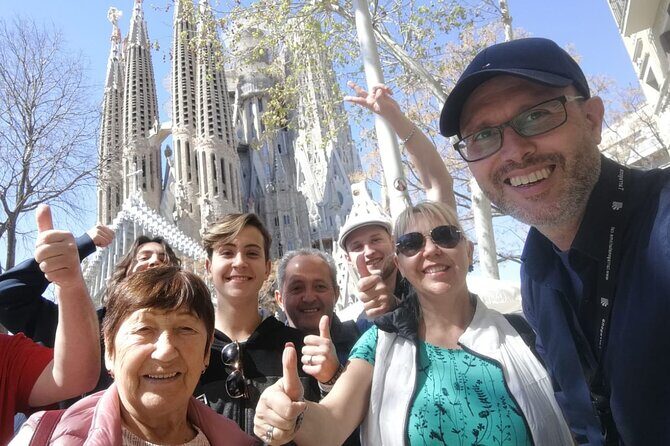
Gaudí’s world comes to life on foot. This 2.5-hour small-group walking tour strings together Barcelona’s most important modernist landmarks with clear explanations, so you start seeing patterns instead of just admiring façades. I especially love how it focuses on the modernist movement as you walk, and how the final stop at Sagrada Família lands as a truly memorable emotional finale.
The main thing to consider is pacing and ticket expectations. The itinerary includes major sights like Casa Batlló and La Pedrera, but entry rules at Sagrada Família can be confusing, so you should plan to manage your time and check what you can actually go inside.
In This Review
- Key takeaways before you go
- A Small-Group Walk Through Gaudí’s Modernist World
- Price and Value: Why $22.01 Can Actually Feel Like a Win
- Timing and Logistics: Where You Start and How to Handle the Walk
- Passeig de Gràcia First: Luxury Shopping Streets as a Modernist Stage
- Domènech i Montaner: The Teacher Thread Behind Gaudí
- The Chocolate-Maker House: When Industry Becomes Architecture
- Casa Batlló: Color, Fantasy, and the Face of Creative Freedom
- La Pedrera (Casa Milà): Nature Forms and the Late-Career Payoff
- St George and the Myth Thread Through Modernist Details
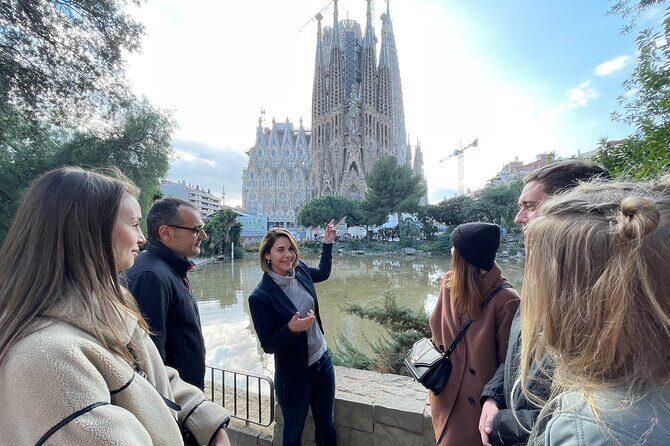
- Sagrada Família: The Emotional Finale You End Up Remembering
- Who This Tour Fits Best (And Who Might Want Something Different)
- Tips That Make Your Walk Better (Without Overthinking It)
- Should You Book This Gaudí Modernist Walking Tour?
- FAQ
- How long is the Gaudí’s Modernist Legacy small-group walking tour?
- What’s the group size?
- Is the tour offered in English?
- Where do we meet and where does the tour end?
- What’s included in the price?
- What are my options if my plans change?
Key takeaways before you go
- Small group size (max 12) keeps the experience personal and keeps questions from getting lost.
- Modernist focus, not just Gaudí photos: you learn what makes this style tick.
- Flexible start times help you fit it into a busy Barcelona schedule.
- Passeig de Gràcia landmarks first, then a gradual build toward Sagrada Família.
- Expert guides with big personality show up in guide reviews, including names like Jose Carlos, Antonio, Montse, Alfredo, and Roberto.
- Plan for ticket details, especially around Sagrada Família entry.
A Small-Group Walk Through Gaudí’s Modernist World
This tour is built for people who want more than a checklist. You’ll get a guided walk that helps you read Barcelona’s modernist architecture like a story: who invented what, why the style looked the way it did, and how Gaudí fit into the larger movement rather than living in a solo bubble.
And it’s not a giant bus-tour vibe. With a maximum of 12 people, you actually have a chance to ask questions as you go—whether that’s about sculptural details, symbolism, or how to spot the differences between related styles. That matters in Barcelona, because a lot of the fun is in the small stuff you’d otherwise miss while doing the quick photo-and-move routine.
You’ll also appreciate the structure. The route is designed to build momentum: you start with Barcelona’s famous boulevard energy, move through modernist pioneers and themed façades, and end with the moment that makes most people stop walking and just stare. If you like seeing a city’s identity connect point by point, this format makes sense.
You can also read our reviews of more walking tours in Barcelona



Price and Value: Why $22.01 Can Actually Feel Like a Win
At $22.01 per person for about 2 hours 30 minutes, you’re not paying for a long sit-down lesson or a complicated multi-part ticket package. You’re paying for a professional guide and a guided, curated route through major modernist stops—plus an explanation that ties everything together.
That’s where the value comes in. You’re not just looking at buildings; you’re learning what you’re looking at. Modernism in Barcelona can be visual overload if you don’t have a framework. A good guide gives you that framework fast, so your time sightseeing doesn’t feel like random sightseeing.
Also, the tour notes group discounts, and the small size often means you get more attention than you would on pricier large-group options. In other words: you’re paying for a guide-led walk with a tight focus, not for extra frills you don’t need.
Timing and Logistics: Where You Start and How to Handle the Walk
The meeting point is Carrer de Fontanella, 2 (Ciutat Vella), and the tour ends at Sagrada Família (Eixample). That setup is practical: you begin near the city core and finish where most people want to be anyway—near the temple—so you’re not trapped on the “wrong side” of Barcelona after the tour.
It’s also helpful that it’s offered in English and you’ll receive a mobile ticket. Mobile tickets save time, especially when you’re hopping between neighborhoods and attractions.
The walk is long enough that you’ll want comfortable shoes, but the route is paced for a guided experience rather than a forced march. One review noted that a tour ran long due to time management, and that left less time for Sagrada Família. So while the tour is built to include every major stop, do expect the guide’s pacing to affect how much time you personally get for photos at the end.
Passeig de Gràcia First: Luxury Shopping Streets as a Modernist Stage
One of the smartest choices of this tour is where it starts: along the city’s most famous avenue, a stretch known for elegant homes and high-end boutiques. Even if you don’t shop, you’ll feel the vibe instantly—Barcelona dressed up, with architecture doing the talking.
This portion isn’t just “look at pretty buildings.” It’s where you get your bearings for the whole modernist story. As you walk, you’re essentially learning to compare: how one façade talks to the next, how color and ornament act like signatures, and how the modernist boom reshaped prestige neighborhoods.
You’ll also get the chance to spot details that would be easy to overlook while wandering on your own. That’s one of the big repeat themes in guide feedback: people come away saying they noticed features they would not have spotted without explanations.
Domènech i Montaner: The Teacher Thread Behind Gaudí
One key stop looks at a house that pioneered modernist style in Barcelona, built by Domènech i Montaner—described here as Gaudí’s teacher at university.
That detail matters. If all you know is Gaudí, modernism can feel like one person’s inventions and whims. But modernism is a movement. By showing you the teacher connection, the tour gives you a cleaner timeline for what influenced Gaudí and how the style developed in Barcelona.
This stop also helps you understand something practical: modernist architecture isn’t only about one iconic name. You’re learning the web of people, schools, and ideas that fed the movement, which makes your later Gaudí stops feel more grounded instead of randomly brilliant.





The Chocolate-Maker House: When Industry Becomes Architecture
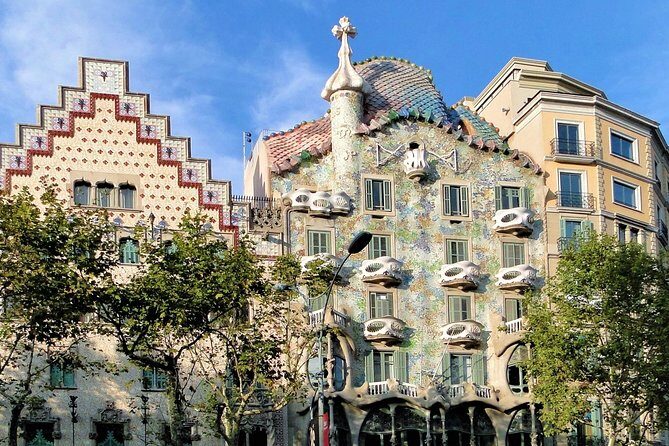
Next comes a stop connected to Barcelona’s famous chocolate makers. It’s described as a true modernist architectural gem, and you’ll have a chance to buy chocolate to take home.
This is one of the fun ways the tour connects culture and city life. Modernism isn’t just a museum story—business owners commissioned designs, and commercial success helped fund bold architecture. So this stop does double duty: it’s visually interesting, and it reinforces that modernism grew from real neighborhoods and real commerce.
One practical tip: if you plan to bring chocolate back, buy it near the stop rather than leaving it for the final hour. You’ll have fewer transport headaches that way, and you’ll be less rushed.
Casa Batlló: Color, Fantasy, and the Face of Creative Freedom
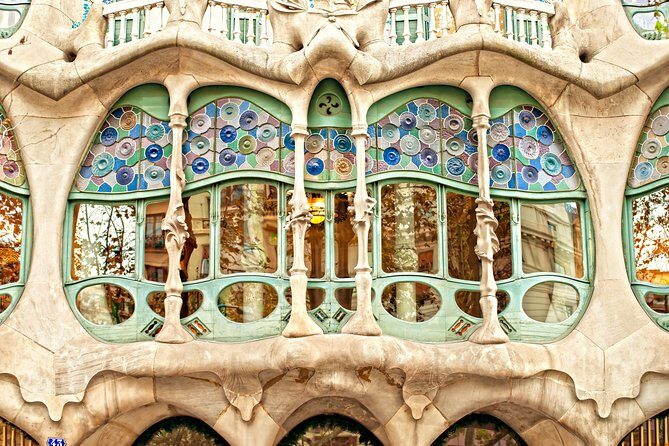
Then you hit Casa Batlló on Passeig de Gràcia, one of the best-known landmarks for good reason. The description emphasizes its color and fantasy, and that it visually contrasts with neighboring houses like Casa Amatller and Casa Lleó Morera.
The guide focus here is what makes Casa Batlló more than just a famous façade. You’re learning how Gaudí treated the building like a living concept—an architect working with creative freedom to produce one of the standout private houses in the world, and listed as a UNESCO World Heritage Site.
Also, do pay attention to how the architecture changes how you walk and look. This is where you start seeing modernism as a design language: curves, texture, symbolism, and theatrical impact. Even if you’re not an architecture nerd, this is the stop that makes most people feel something.
La Pedrera (Casa Milà): Nature Forms and the Late-Career Payoff
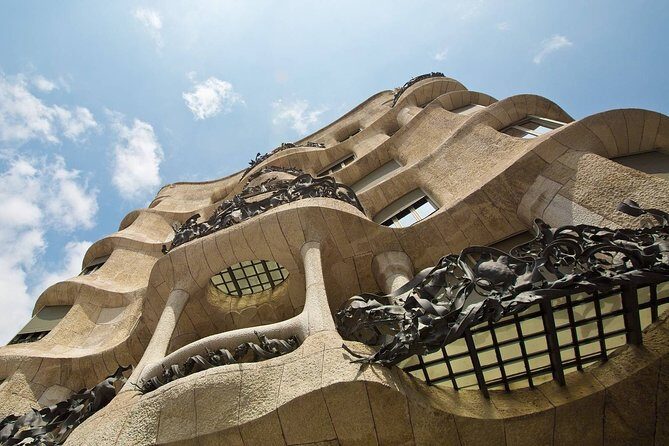
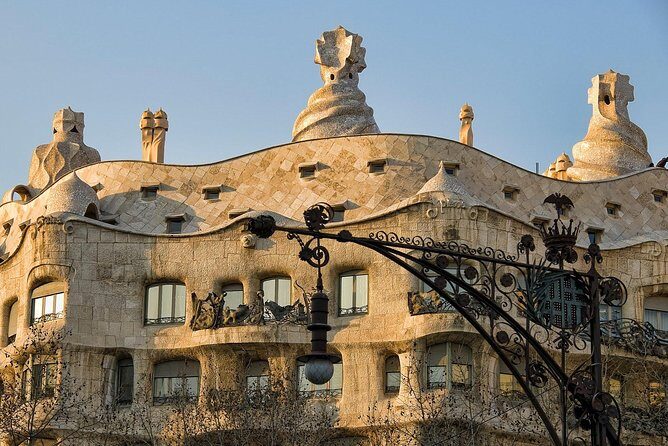
After Batlló, the tour continues to La Pedrera (Casa Milà), also a UNESCO World Heritage Site. This part is framed as the culmination of Antoni Gaudí’s career, designed for new social needs, while still driven by the idea that nature and organic forms should guide design.
That explanation helps you understand why La Pedrera looks so unusual. It’s not novelty for its own sake. It’s about form and function meeting in a style that doesn’t separate art from everyday life.
One caution: you’ll want to manage your expectations about what you’ll physically enter. The tour listing information says it includes Casa Batlló and La Pedrera, but some visitors found that ticketing and entry details weren’t perfectly clear, especially for Sagrada Família. So treat this as a walk-and-insight tour first, and then plan your inside access based on what you’re told on the day.
St George and the Myth Thread Through Modernist Details
Along the way, you’ll pass by another modernist architecture highlight tied to the legend of St George, described here as the Patron Saint of Barcelona and many countries and cities.
This is the kind of stop that’s easy to miss on your own—because mythology doesn’t announce itself with a sign that says pay attention. A good guide helps you connect the symbolism to the place and the style, so you’re not just reading stone. You’re reading meaning.
And this section matters for your overall experience because it keeps the tour from becoming a lineup of façades. It reminds you modernism in Barcelona often works like storytelling: symbols, identity, and local legends get turned into design.
Sagrada Família: The Emotional Finale You End Up Remembering
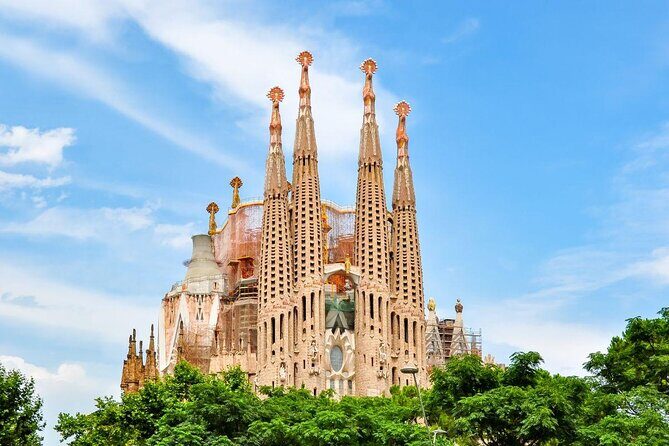
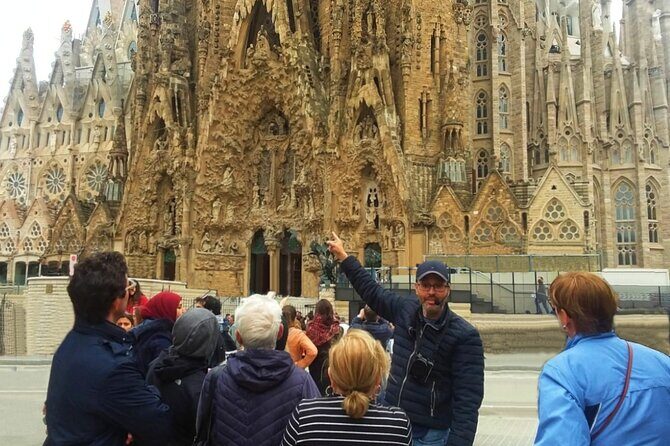
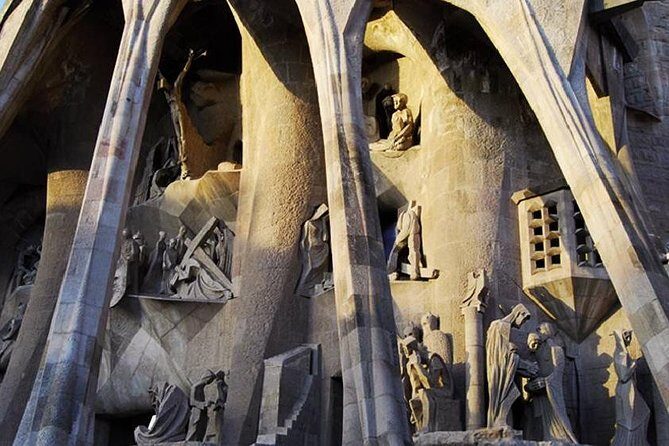
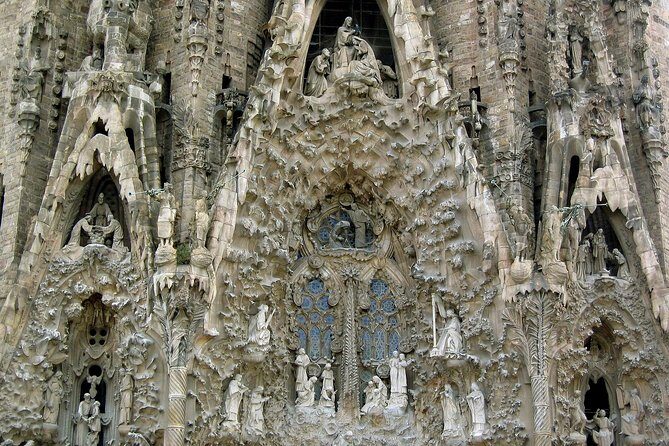
Then you reach the biggest payoff: Sagrada Família. The description doesn’t treat it like another photo stop. It frames it as the life project of a genius, and says it will leave a lifelong impression.
This is where all your earlier learning clicks. Organic shapes, sculpted symbolism, and the way light moves through stained glass are not random artistic choices. They’re part of a larger design logic that you’ve been building toward as you learn modernist ideas and Gaudí’s approach.
Now, one practical note: Sagrada Família entry can involve ticketing. In feedback, some people were confused because the written description mentioned free admission at locations, but they only entered a nearby building while Sagrada Família still required tickets. That confusion is exactly what you want to avoid. Before your tour, check what’s included for the Sagrada stop and what you’ll need separately.
Who This Tour Fits Best (And Who Might Want Something Different)
This tour is a great match if you:
- Want a guided introduction to modernist architecture in a short time.
- Like walking and learning details as you go, not after the fact.
- Are interested in how Gaudí fits into a wider movement.
It’s also ideal as a first architecture tour in Barcelona. You’ll come away with a set of “how to look” skills that make other Gaudí and modernist stops easier to enjoy afterward.
Who might want to think twice? If you’re the type who hates planning around entry times and ticket rules, you’ll need to do a quick check ahead of your tour day. The biggest frustration people reported wasn’t the guide style—it was unclear expectations about what’s actually entered at ticketed sites.
Tips That Make Your Walk Better (Without Overthinking It)
A few simple things will improve your experience:
- Bring your walking stamina. Two and a half hours is enough to feel like a real outing.
- Take notes or photos fast. The tour works best when you don’t get stuck on one building too long.
- Ask questions early. With small groups, it’s easier to get answers while you’re standing in front of the detail.
- Do a quick ticket sanity check for Sagrada Família. If you want interior time, plan for it instead of assuming everything is covered.
- Use it as a guide to your next steps. One of the most liked extras in feedback was restaurant recommendations. You’ll likely leave with ideas for where to eat after the walk.
Should You Book This Gaudí Modernist Walking Tour?
I think this is a strong booking for most first-time visitors who want real context, not just pictures. At $22.01, the price feels fair for a professional guide plus major modernist touchpoints—especially because the tour’s goal is to teach you how to see modernism, including what makes Gaudí’s work distinct within the larger movement.
Book it if:
- You want small-group attention (max 12) and a clear learning path.
- You’re excited to connect Passeig de Gràcia modernist icons to a bigger story.
- You value the Sagrada Família finale and you’re willing to verify ticket expectations.
Skip or pair with something else if:
- You need guaranteed inside access at multiple ticketed sites and don’t want any uncertainty.
- You’re very time-sensitive and can’t risk a slightly longer pacing at the earlier stops.
If you book with realistic expectations and come ready to walk and learn, you’ll leave Barcelona seeing modernism as a language, not a blur.
FAQ
How long is the Gaudí’s Modernist Legacy small-group walking tour?
The tour lasts about 2 hours 30 minutes.
What’s the group size?
It’s a small group tour with a maximum of 12 travelers.
Is the tour offered in English?
Yes, the tour is offered in English.
Where do we meet and where does the tour end?
You meet at Carrer de Fontanella, 2, Ciutat Vella, 08002 Barcelona, and the tour ends at Sagrada Família, Eixample, Barcelona.
What’s included in the price?
It includes a professional guide, a modernist walking tour that features Casa Batlló and La Pedrera, plus thorough explanations about modernist architecture and Sagrada Família.
What are my options if my plans change?
The experience offers free cancellation, and you can cancel up to 24 hours in advance for a full refund.