REVIEW · GIRONA
Girona: Jewish Heritage Guided City Tour and Museum Visit
Book on GetYourGuide →Operated by Girona Experience · Bookable on GetYourGuide
Girona’s Jewish Quarter is still standing.
This 2.5-hour walk and museum visit takes you through El Call (the medieval Jewish neighborhood) and into the Museum of Jewish History, including the last synagogue before the 1492 expulsion. It’s a focused way to understand how daily life worked here, from street corners and house design to customs and tools, all in one small-group format.
I especially love how the tour turns stones into stories: you get Nahmanides context and the places tied to Girona’s three synagogues. I also like the small group feel (limited to 10), so you can ask questions rather than shout over a crowd.
One consideration: expect steady walking on old streets, and it’s not suitable for wheelchair users. Bring comfortable shoes and plan for a pace that feels “on,” especially in narrow lanes with cobbles.
In This Review
- Key highlights you shouldn’t miss
- Why Girona’s El Call Still Feels Medieval
- Meeting at Plaça Sant Feliu: How the 2.5 Hours Are Set Up
- Barri Vell to El Call: Getting Context Before You Hit the Streets
- Walking The Call: Cobblestones, Synagogue Sites, and Nahmanides
- Museum of Jewish History: The Last Synagogue Story (and Why It’s Powerful)
- 1492 Explained in Real Time: From Coexistence to Expulsion
- Pace, Footwear, and Group Size: What to Expect on the Ground
- Price and Value: Is $53 Worth It?
- Who Should Book This Girona Jewish Heritage Tour
- Should You Book It? My Decision Shortcut
- FAQ
- How long is the Girona Jewish Heritage Guided City Tour?
- How much does the tour cost?
- Where do I meet the guide?
- What does the tour include?
- Is food included?
- What languages are available for the live guide?
- Is the tour wheelchair accessible?
- What should I bring?
- FAQ
- What’s the cancellation policy?
- How big is the group?
Key highlights you shouldn’t miss
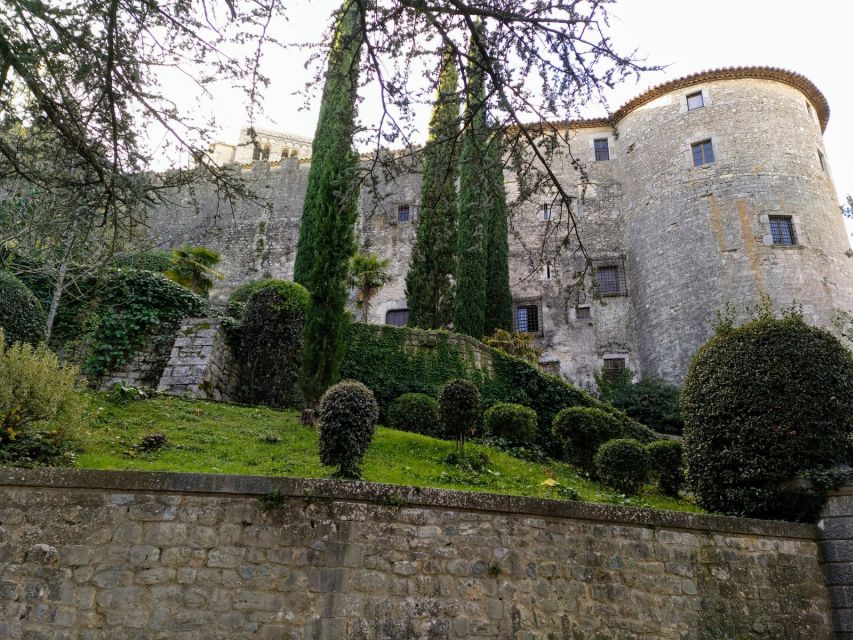
- El Call / The Call street walk in one of Europe’s best-preserved medieval Jewish quarters
- Nahmanides connection: Girona as the hometown of the rabbi-philosopher, physician, and Sephardic rabbi
- Synagogue site stops tied to the area’s three synagogue locations
- Museum visit included, focused on Jewish history and the last synagogue before 1492
- 1492 explained with context, showing the end of 600 years of coexistence
- Small group (up to 10) with live English or Spanish interpretation from an expert guide
Why Girona’s El Call Still Feels Medieval
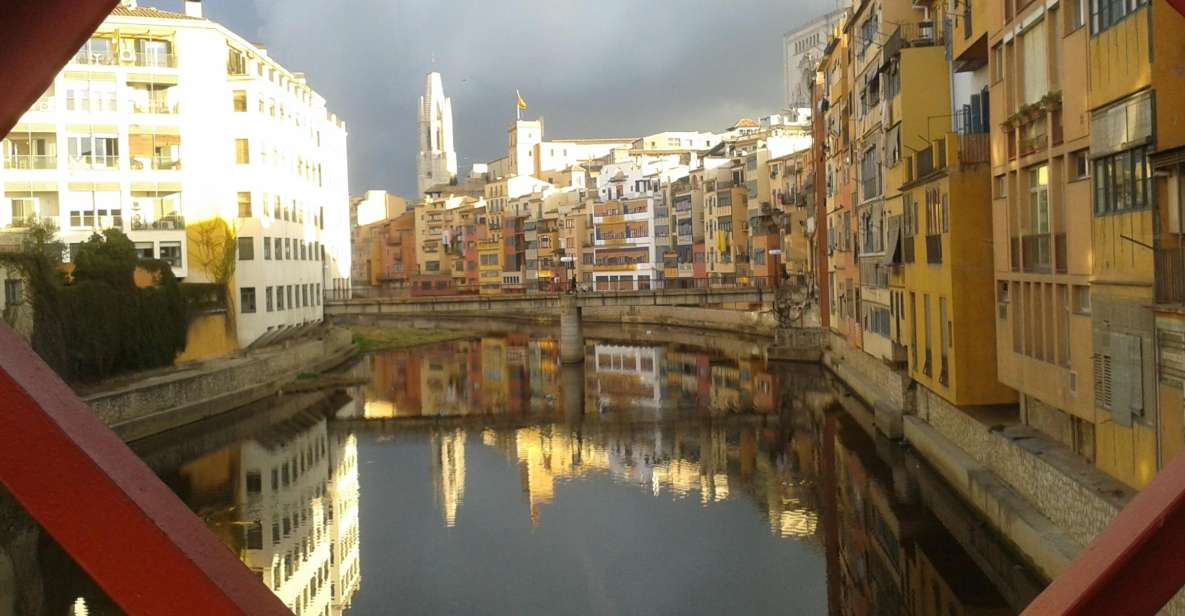
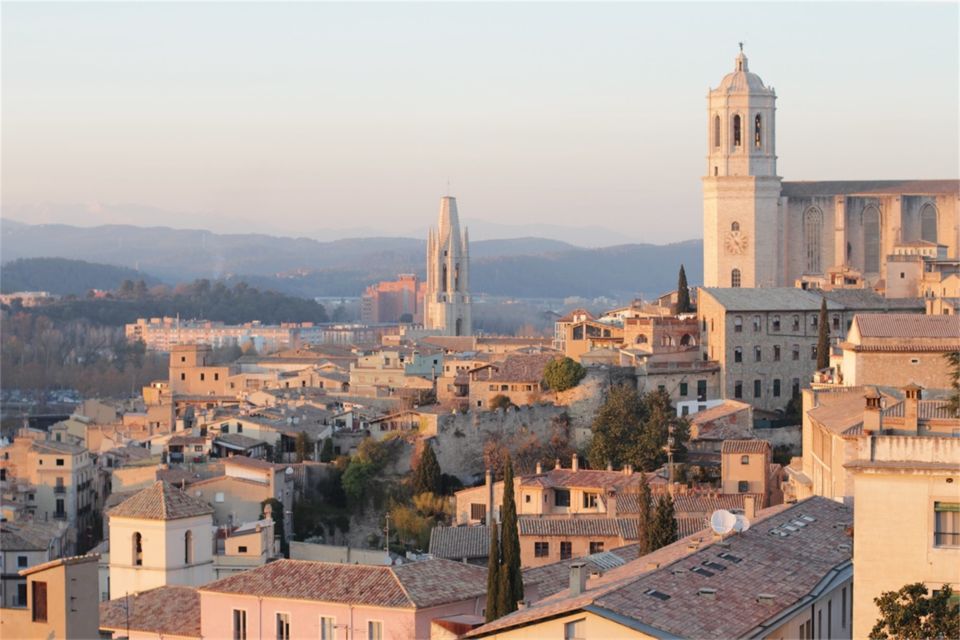
If you like history that you can actually see, Girona’s El Call is a strong choice. This neighborhood is known locally as the Call, and it’s among the best-preserved medieval Jewish quarters in Europe. That matters, because you’re not just reading about the past—you’re walking through the kind of streets where daily life used to happen.
The tour also gives you the setting behind the scenery. You learn that the Jewish community here was significant enough to reach about 1,000 inhabitants during the Middle Ages, which helps you imagine this as a real neighborhood, not a few buildings. And because the district sits in the heart of the city, you’ll also pick up how Roman and medieval layers overlap in Girona.
You can also read our reviews of more tours and experiences in Girona.


Meeting at Plaça Sant Feliu: How the 2.5 Hours Are Set Up

You start at Plaça Sant Feliu, beside The River Caffe. The tour is designed to move in a logical flow, with guided time split between the city’s older core and then the El Call area, before you shift indoors to the museum.
The overall duration is 2.5 hours, and the structure is simple:
- guided walk through Barri Vell (about 1 hour)
- guided walk through El Call (about 1 hour)
- Museum of Jewish History visit (about 45 minutes)
One practical perk: you can skip the ticket line for the museum visit. That keeps the tour from turning into a waiting game, especially if you’re visiting in busier seasons.
Barri Vell to El Call: Getting Context Before You Hit the Streets
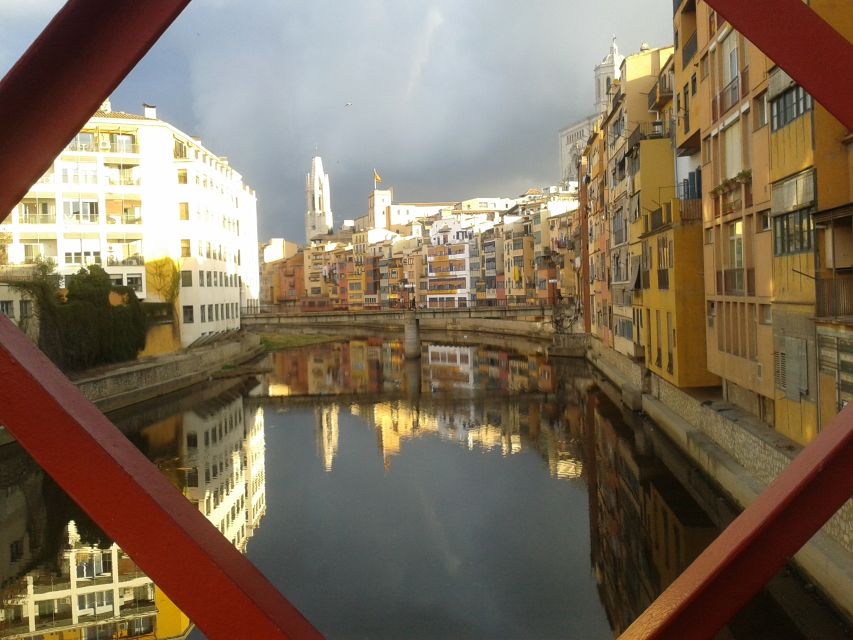
A lot of historical tours jump straight into the main attraction. This one gives you a little grounding first, which makes the Jewish Quarter part land harder.
During the Barri Vell portion, you get orientation: where you are in Girona, how the medieval city worked, and why the Jewish community ended up where it did. It also helps you understand the “why” behind the “what,” so that when you step into El Call’s tighter lanes, the whole place feels connected instead of random.
This first segment is also where the guide’s approach matters. In past groups, guides like Mike have been praised for humor and for answering questions across different comfort levels with Jewish history. Another guide, Carolina, has been noted for being engaging and conversational rather than lecturing at people. That kind of tone matters because it turns the walking from a history pass into a real dialogue.
Walking The Call: Cobblestones, Synagogue Sites, and Nahmanides
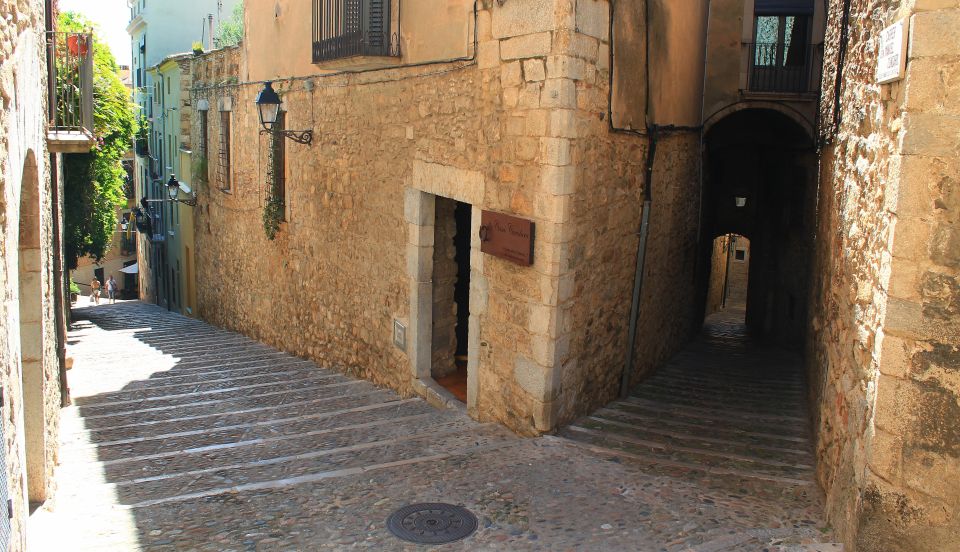
This is the heart of the experience: a guided walk through El Call’s narrow, cobbled streets. You’ll hear how the Jewish community lived, what they valued, and how their environment shaped daily routines.
You’ll also learn that El Call is tied to some major names—especially Nahmanides. He’s described here as Girona’s hometown connection: a rabbi-philosopher, physician, and a Sephardic rabbi. Even if you’ve never studied medieval Jewish thinkers, the tour frames him in a way that makes the Girona link feel concrete rather than abstract.
One of the most interesting parts is the way the guide points out where the three synagogues were located. You’re not just seeing old streets—you’re seeing the “map” of community life. That’s a big deal in a neighborhood like this, because the area’s meaning is partly hidden in how compact and old the layout is.
And it doesn’t stop at buildings. You’ll hear about:
- customs and traditions of the people who lived here
- the tools they used
- how the houses were designed
That set of details is what helps you avoid the common problem with heritage tours: only learning names and dates without understanding how people actually lived.
Museum of Jewish History: The Last Synagogue Story (and Why It’s Powerful)
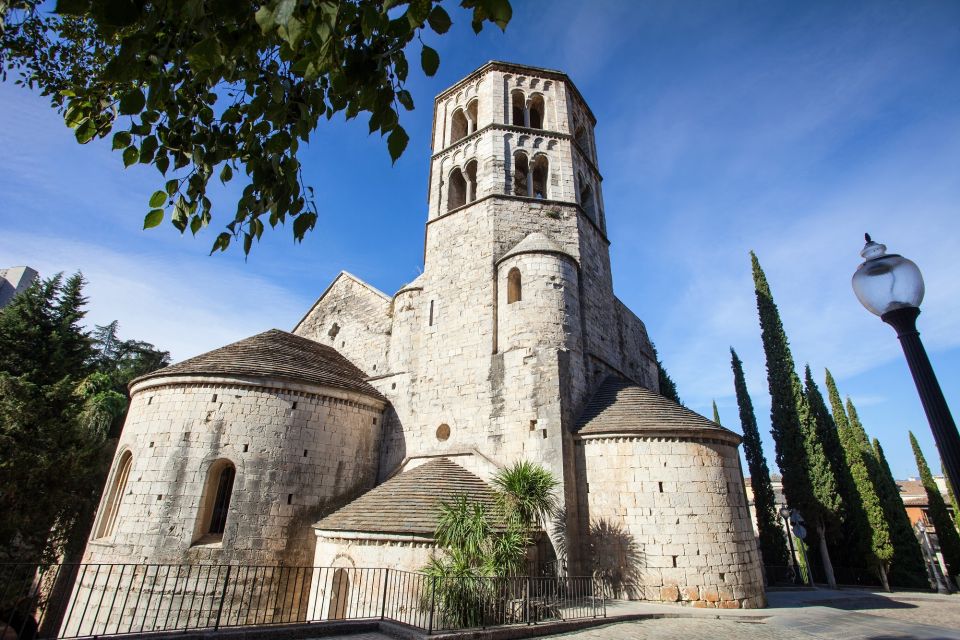
After the street walking, you head to the Museum of Jewish History for about 45 minutes. The museum visit is included, and it’s not treated as a separate chore. It feels like the natural follow-up to what you just saw outside.
The museum focus includes the idea of the last synagogue before the expulsion in 1492. That framing gives the tour emotional weight without turning it into a lecture. It’s the kind of shift that helps you connect architecture and artifacts to the events that reshaped lives.
If you want a quick gut-check on value: the museum portion is where the tour can slow down. Outside, you’re moving, looking, and absorbing. Inside, you get a chance to make sense of it with context—especially if you’re the type who wants to understand more than just the street names.



1492 Explained in Real Time: From Coexistence to Expulsion
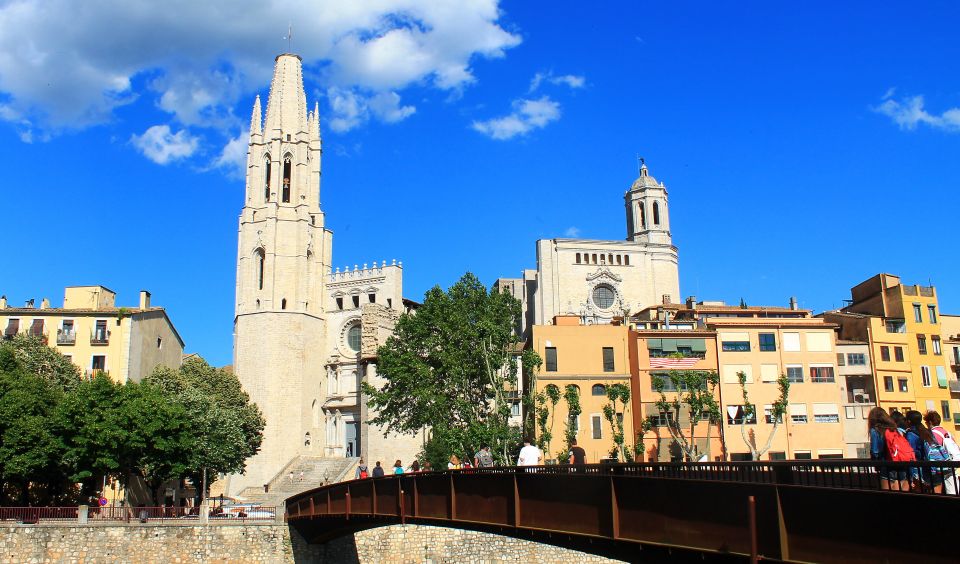
One of the key themes of the walk is the story of the expulsion of the Jews in 1492. The guide explains it as an ending—not as an isolated moment. You’ll hear about how that act brought an end to 600 years of coexistence.
That “600 years” detail changes the conversation. Instead of treating 1492 as a sudden plot twist, you’re pushed to see it as the culmination of long social and political pressures. The tour makes room for that bigger timeline while still keeping things clear enough to follow during a walking experience.
This is also where the best guides earn their pay. In the feedback you’ll see patterns: guides like Ona and Monica have been praised for encouraging questions and staying engaged with the group. If you tend to learn best by asking, you’ll probably appreciate that style.
Pace, Footwear, and Group Size: What to Expect on the Ground

This is a walking-centered tour. The main requirement is simple: comfortable shoes. You’re on cobblestones and you’ll be moving through old-street lanes where even a short stretch can feel like more than it sounds.
Also keep in mind:
- The group is small, limited to 10 participants, which helps the guide manage pacing and questions.
- The tour runs in English or Spanish (live guide), so if you’re choosing based on language, you’ll have a straightforward option.
Notably, it’s not suitable for wheelchair users, so plan alternatives if mobility is an issue. For most people who can comfortably walk in an older city, the duration (2.5 hours) is a realistic commitment without being exhausting.
Price and Value: Is $53 Worth It?
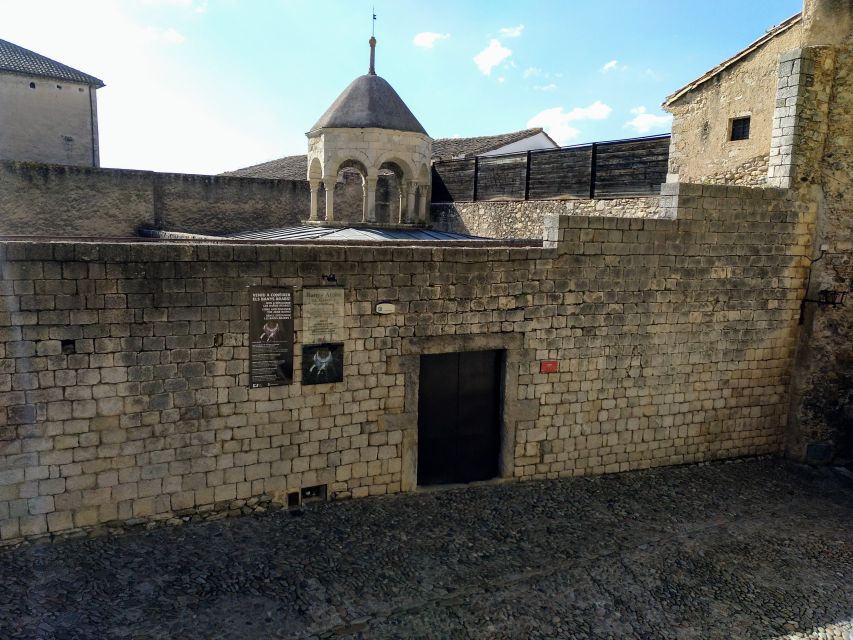
At $53 per person for a 2.5-hour guided street tour plus museum entry, you’re paying for three things at once:
1) A live guide who can connect geography to Jewish life and key historical turning points
2) Museum entry time built into the experience
3) A small-group format that makes the explanations feel personal rather than one-size-fits-all
Where this tour stands out in value terms is that it isn’t only “see the quarter.” You also get the museum context, plus guided interpretation around daily life—customs, tools, house design—so you come away with more than a photo set.
One more quiet value point: it includes skip the ticket line for the museum. That means less downtime for you, more time learning.
If you’re in Girona for a short stay, this format is efficient. You can also pair it with your own wandering afterward, because once you understand the Call, the neighborhood becomes easier to read as you walk through it again.
Who Should Book This Girona Jewish Heritage Tour
I think this tour is a great fit if you want:
- a guided route through El Call that explains what you’re seeing, not just what it is
- context for Nahmanides and Girona’s Jewish intellectual life
- a clear, emotionally aware explanation of 1492 and what changed
- a smaller-group experience with room for questions
It’s also a good match if you’re traveling as a family or with mixed ages. Guides have been noted for being good with kids and for engaging teens, which suggests they can handle different attention spans without oversimplifying.
Should You Book It? My Decision Shortcut
Book it if you want your Girona history to include the story of the Jewish community in a way that feels specific—street-level specific—and supported with museum context. This is the kind of tour that helps you understand why El Call is famous for preservation, because the guide turns that preservation into meaning.
Skip it or consider alternatives if:
- you need a fully accessible route (it’s not suitable for wheelchair users)
- you dislike fast-moving group walks on cobbles
- you’re looking for a self-paced audio tour instead of live interpretation
FAQ
How long is the Girona Jewish Heritage Guided City Tour?
The tour runs for 2.5 hours total.
How much does the tour cost?
The price is $53 per person.
Where do I meet the guide?
Meet your guide at Plaça Sant Feliu, beside The River Caffe in Girona.
What does the tour include?
It includes a walking tour of the Jewish Quarter, entrance to the Museum of Jewish History, and an expert live guide.
Is food included?
No. Food and drinks are not included.
What languages are available for the live guide?
The tour offers live guidance in English and Spanish.
Is the tour wheelchair accessible?
No. It is not suitable for wheelchair users.
What should I bring?
Bring comfortable shoes.
FAQ
What’s the cancellation policy?
You can cancel up to 24 hours in advance for a full refund.
How big is the group?
The group is small, limited to 10 participants.