REVIEW · GIRONA
Girona Walking Tour + Main Monuments
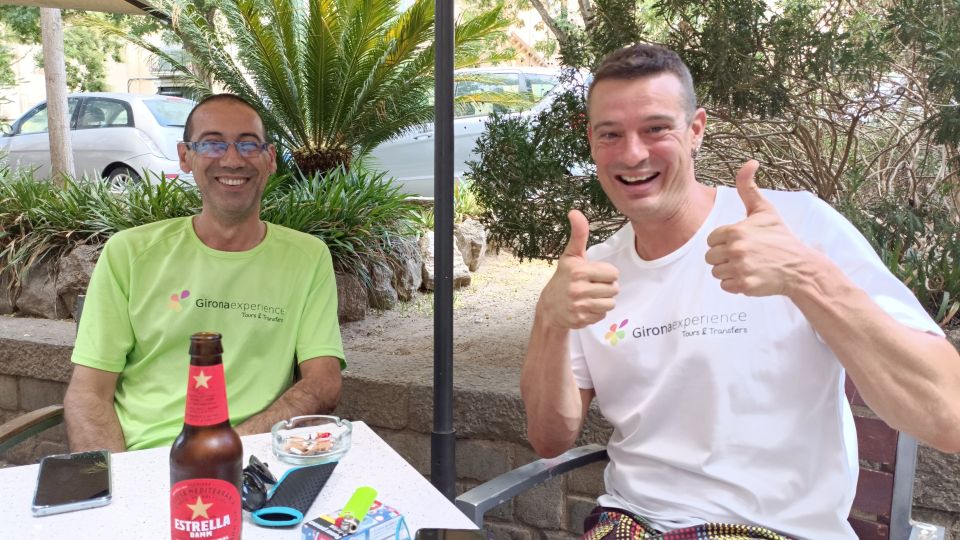
Book on GetYourGuide →Operated by Girona Experience · Bookable on GetYourGuide
Girona packs centuries into one walk. In just 3 hours, you move through Roman and medieval walls, then drop into the old Jewish quarter, El Call, with an expert guide explaining how Girona became a crossroads of cultures. It is the kind of itinerary that makes history feel practical, not textbook.
What I really like is the focus on the city’s big monuments without turning it into a checklist. You get included entry to the Cathedral of Santa Maria, the Arab Baths, and the Basilica of Sant Feliu, plus skip-the-ticket-line access so you spend more time looking and less time queuing.
One thing to consider: this is a walking tour. Expect cobbled lanes and a climb toward the old walls for the best viewpoints, and it is not suitable for wheelchair users or people with mobility impairments.
In This Review
- Key points to know before you go
- Why Girona’s centuries come to life on this 3-hour route
- Starting at Plaça de Sant Feliu: the good place to get oriented
- Barri Vell + El Call: the medieval and Jewish quarter story you will remember
- Cathedral of Santa Maria of Girona: why this stop is more than a quick look
- Arab Baths (Banys Àrabs): a calm, atmospheric change of pace
- Basilica of Sant Feliu (Iglesia de San Félix): a strong earlier anchor point
- Walls, legends, and climbing for the best Girona views
- Rafael Masó house + the Rambla bridges over the Onyar River
- Value and practical fit: is this tour a good use of time?
- Should you book this Girona Walking Tour + Main Monuments?
- FAQ
- FAQ
- How long is the Girona Walking Tour + Main Monuments?
- Where does the tour start and end?
- What major sights are included in the tour?
- Does the tour include ticket lines or advance access?
- How big is the group?
- What languages is the guide available in?
- Is this tour suitable for wheelchair users or mobility impairments?
Key points to know before you go
- Fast-track entry to the Cathedral, Arab Baths, and Sant Feliu, with tickets included
- Small group limit (10 people) so questions actually get answered
- El Call and Jewish history explained clearly, including Girona’s link to Kabbalah
- Arab Baths on the route, with time set aside to take in the space
- Walls and viewpoints to see Girona from above, not just from street level
- Onyar River landmarks at the Rambla, including the Eiffel-designed bridge
Why Girona’s centuries come to life on this 3-hour route
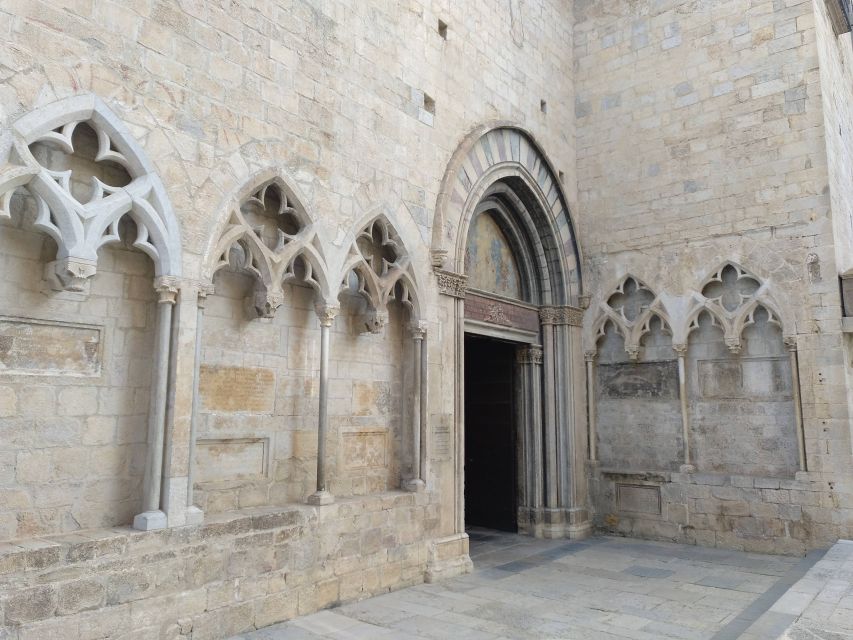
Girona is one of those rare places where you can walk and instantly feel layers stacked on top of each other. You start in the Barri Vell and cover the kind of timeline that most cities spread out over days: Roman roads like the Via Augusta, then later Carolingian and medieval walls. Instead of stopping for only photos, the tour connects sites with the people who lived around them.
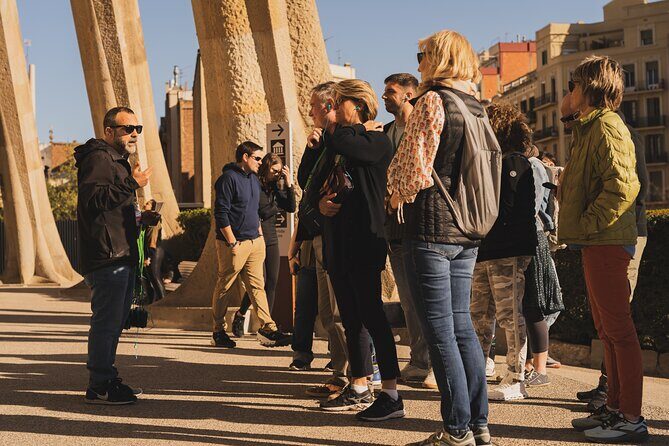
I like that the experience is organized around movement. You are not stuck listening in one spot; you’re always walking between eras, which makes the story easier to hold onto. When the guide explains why a quarter looks the way it does, you can see what they mean right in front of you.
The size matters too. With a small group, you typically get more back-and-forth, not just a monologue. That shows up in the way the tour is paced and how the guide handles questions.
You can also read our reviews of more tours and experiences in Girona.
Starting at Plaça de Sant Feliu: the good place to get oriented
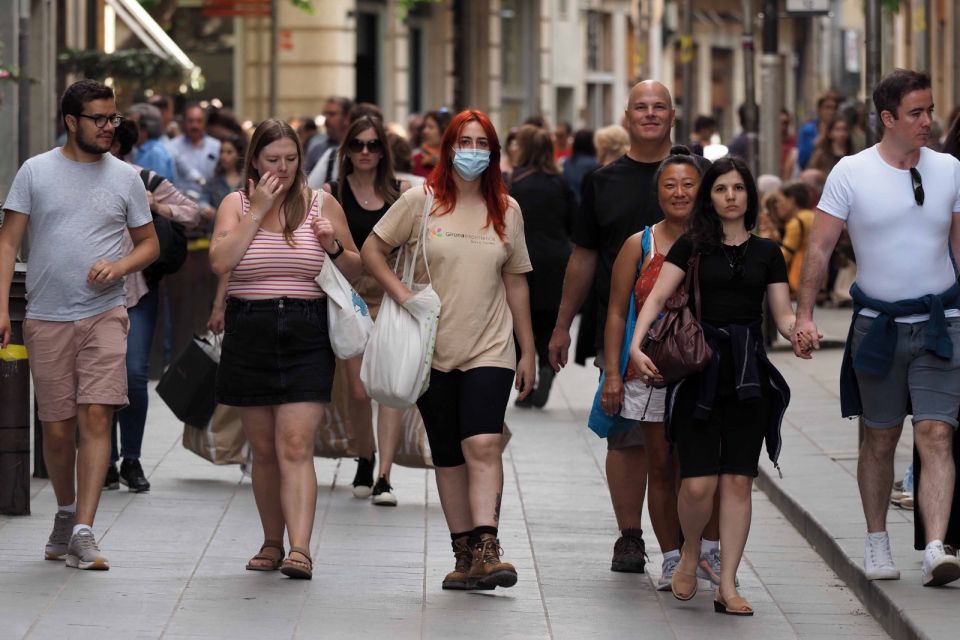
The tour kicks off at Plaça de Sant Feliu, right by The River Cafe. This spot is a smart start because it pulls you into the center of the historic core immediately, before you start weaving through narrow streets and stonework.
From there, the plan is basically: Barri Vell first for context, then the key monuments that define Girona’s medieval face. The schedule gives enough time up front to understand where you are, so later stops make more sense. If you arrive early and you want a coffee, this plaza is a convenient base before the walking begins.
Also: wear comfortable shoes. Even if you’re not a fast walker, the tour depends on you being steady on uneven cobbles and older pavement.
Barri Vell + El Call: the medieval and Jewish quarter story you will remember
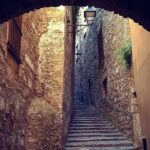
The biggest block of time is spent in Barri Vell, including the historic lanes around El Call. This is where Girona’s Jewish footprint still shows up in the street plan and the feel of the neighborhood. The guide doesn’t treat it like a single highlight; they frame it as a living community that shaped the city.
What stands out most is how the tour explains why the quarter mattered. Girona’s Jewish community, the Aljama, was one of the most important in Spain, and it became a center for Kabbalah. You’ll also hear about Nahmanides, connected to Kabbalah teaching, and you get the idea that the city’s economy and culture weren’t separate from its religious life.
You also learn about the timeline ending in the tragedy of 1492, when Jews were expelled from Spain. Walking through those cobbled lanes after hearing that context makes the place feel weightier in a good way. It is not just architecture; it is geography tied to real people.
One practical note: this part of the route involves a lot of close-up walking. If you want big, open spaces to catch your breath, you might find yourself doing short pauses rather than long breaks. Still, the route is set up so you never feel rushed through the key areas.
Cathedral of Santa Maria of Girona: why this stop is more than a quick look
The itinerary includes a focused visit to the Cathedral of Santa Maria (about 30 minutes). This is not a drive-by stop. You get time to see the monument and understand why it is central to Girona’s skyline and identity.
The tour’s pacing here is useful. By the time you reach the cathedral, you already have the city’s layered story in your head: Roman influence, later medieval growth, and the way major institutions gathered power around certain spaces. That makes the cathedral stop feel less like an isolated sight and more like the end result of centuries of change.
If you are the type who likes to know what you are looking at, a guided explanation can help you notice details you’d likely miss alone. The cathedral visit is short enough to keep the energy up, but long enough that you’re not just standing in front of a door and moving on.
Arab Baths (Banys Àrabs): a calm, atmospheric change of pace
Next up are the Banys Àrabs, the Arab Baths, also around 30 minutes. This stop is valuable because it shifts you from churches and civic buildings into a place built for daily life and ritual bathing.
The Arab Baths are often a surprise for first-time visitors. You might expect a quick room-and-arch viewing, but the guided format helps you connect what you see to the culture that shaped it. It’s a different kind of Girona experience: quieter, slower, and oddly grounding after streets full of crowds and stone corners.
This is also a good example of why the tour is worth booking rather than trying to stitch sites together on your own. You get entry tickets included, and you do not lose time on ticket lines during the flow of the walk.


Basilica of Sant Feliu (Iglesia de San Félix): a strong earlier anchor point
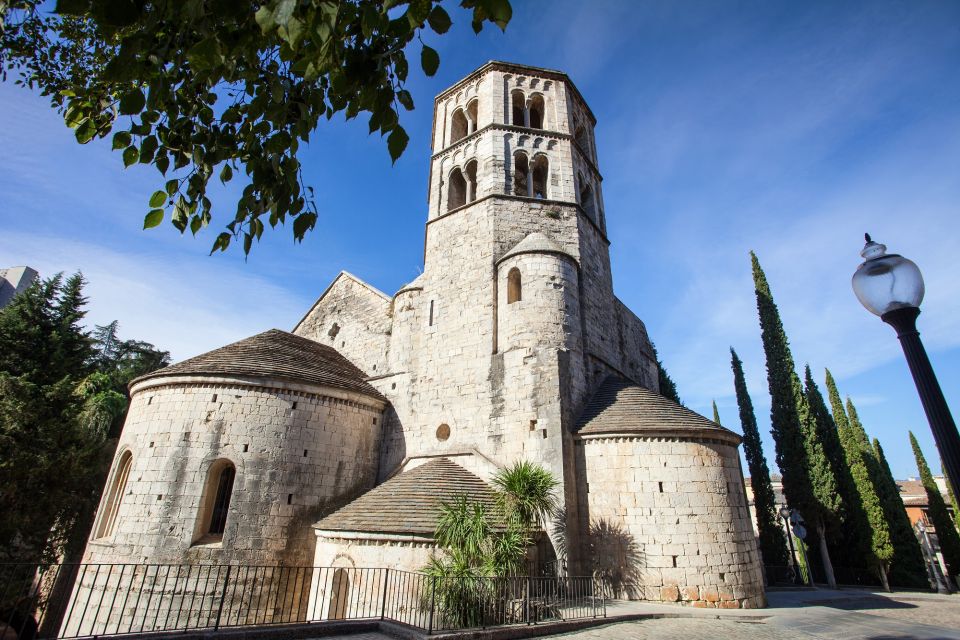
The schedule includes time at Basilica of Sant Feliu (listed as Iglesia de San Félix, about 30 minutes). This stop works well as an anchor because it sits early in the route and adds another layer of understanding to the city’s religious architecture.
Even with short time, the guide’s approach helps you see it as part of a bigger story about medieval Girona rather than a standalone church. You’ll also get a sense of how different religious and civic buildings coexisted and influenced the city’s look.
If you like variety—two different religious stops plus the Arab Baths—this part of the route is where that mix becomes fun rather than overwhelming.
Walls, legends, and climbing for the best Girona views
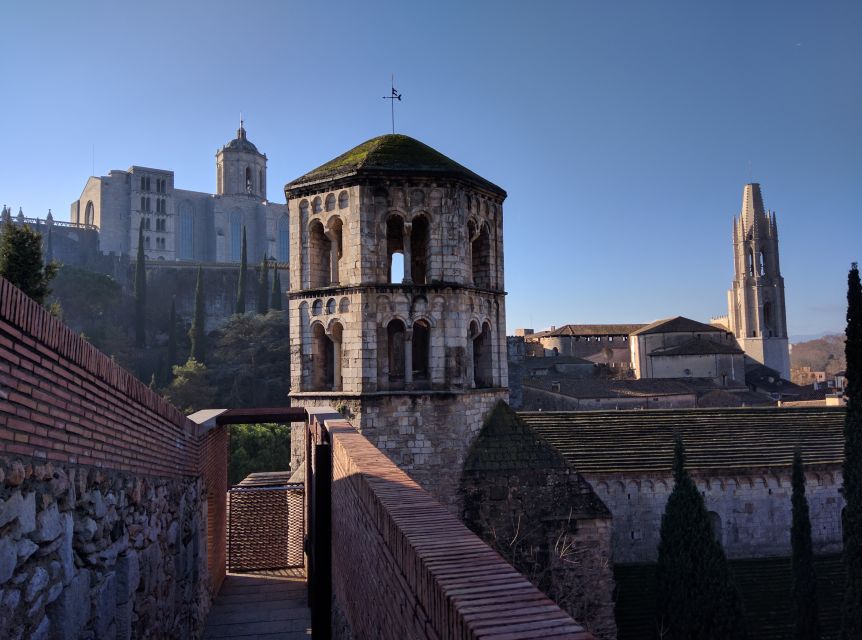
One of the tour’s promises is the viewpoint payoff: climbing to the old walls to see Girona from above. This isn’t only scenic. From the higher viewpoints, you can better understand how the city grew and how the walls fit into protection and power.
The guide ties the walking to the story of the Via Augusta and multiple eras of walls, including Roman and Carolingian layers, then the medieval fortifications. Even if those terms feel abstract at first, seeing where the city sits helps everything click.
The route is rain or shine, so come prepared for the day’s weather. On a sunny day, the views are a reward. On a rainy day, you might rely more on the guide’s context because the scenery is less dramatic—but the walking-through-history part still works.
Rafael Masó house + the Rambla bridges over the Onyar River
After the older quarters and monuments, the tour shifts toward the iconic city scene at the Rambla and the Onyar River. One neat detail in the route is the Novecentista-style house where architect Rafael Masó was born. If you enjoy architecture beyond the medieval core, that small detour adds range.
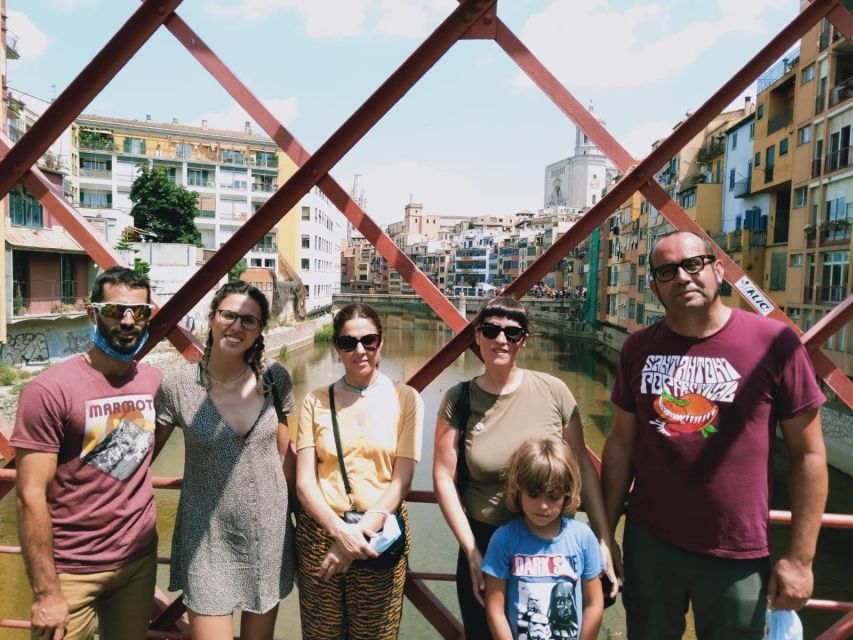
Then you hit the famous bridges, including the one designed by Gustave Eiffel, which tends to be the big photo magnet. Here’s how I’d think about it: you’re not stopping just to snap a picture. You’re connecting the medieval city with the modern artistic identity tourists recognize from postcards.
Finally, the tour ends at Plaza de la Independència, a natural wrap-up spot with restaurants and terrace life. It’s a good place to reset your brain after a dense, guided 3 hours.
Value and practical fit: is this tour a good use of time?
At $113 per person for a 3-hour small group tour, the value is mainly in three things: the included entry tickets, the fast-track approach, and the guide time that connects the sites. If you were to visit each monument separately, you’d likely lose more time to ticketing and planning than you want on a short trip.
This is also a great choice if Girona is a day stop for you. The itinerary is packed, but it is structured, so you don’t just check boxes—you build a mental map. If you only have a few hours, this is the kind of tour that gives you a coherent Girona story instead of isolated stops.
Who it suits best:
- You like guided explanations, not silence
- You want to see major monuments and the Jewish quarter without building a route yourself
- You enjoy history tied to real streets, not just artifacts
Who might find it less comfortable:
- You have trouble walking on uneven cobblestones
- You dislike climbs or the idea of spending time near old walls viewpoints
- You want long, free time inside each monument (this tour keeps things moving)
Should you book this Girona Walking Tour + Main Monuments?
I’d book it if you want a compact Girona that still feels meaningful. The mix of El Call, the Arab Baths, and both major church stops gives you more variety than the typical “one neighborhood only” walk. Add in fast-track entry and a small group cap, and it becomes a strong option for first-time visitors.
Skip it if your priority is slow pacing, wheelchair-friendly routes, or lots of downtime. This is a walking-and-absorbing kind of tour, with the best payoff coming from how well the guide links places into a single story.
FAQ
FAQ
How long is the Girona Walking Tour + Main Monuments?
The tour lasts 3 hours.
Where does the tour start and end?
It starts at Plaça de Sant Feliu, beside The River Cafe, and finishes at Plaza de la Independencia.
What major sights are included in the tour?
You get entry tickets and guided visits to the Cathedral of Santa Maria of Girona, the Arab Baths of Girona (Banys Àrabs), and the Basilica of Sant Feliu.
Does the tour include ticket lines or advance access?
Yes. The tour offers skip-the-ticket-line access for the included monuments.
How big is the group?
The group is small, limited to 10 participants.
What languages is the guide available in?
The live tour guide operates in English and Spanish.
Is this tour suitable for wheelchair users or mobility impairments?
No. It is not suitable for people with mobility impairments or wheelchair users.