REVIEW · BARCELONA
Guided Gaudí’s Trencadís Mosaic Workshop in Barcelona
Book on GetYourGuide →Operated by MOSAICCOS · Bookable on GetYourGuide
Gaudí’s shards turn into your own art. In this Trencadís mosaic workshop, you learn the look and method behind Gaudí’s broken-tile style, then design a piece that feels personal—not mass-made. It’s a hands-on craft session in Barcelona with a real payoff: one-of-a-kind mosaic art you can take home.
I especially like two things: the chance to make a proper take-home souvenir, and the way instructors guide your hands so your design doesn’t fall apart halfway through. Many sessions are led with a warm, clear style—often including an instructor named Melissa—so you’re not just copying a sample.
One fair consideration: some steps use tile clippers, which do require decent hand strength. If you have arthritis or grip issues, the cutting part might be the least fun moment of the day, even though the team works to keep things moving smoothly.
In This Review
- Key things to know before you start your Trencadís mosaic
- Why a Gaudí-style mosaic class is worth your time in Barcelona
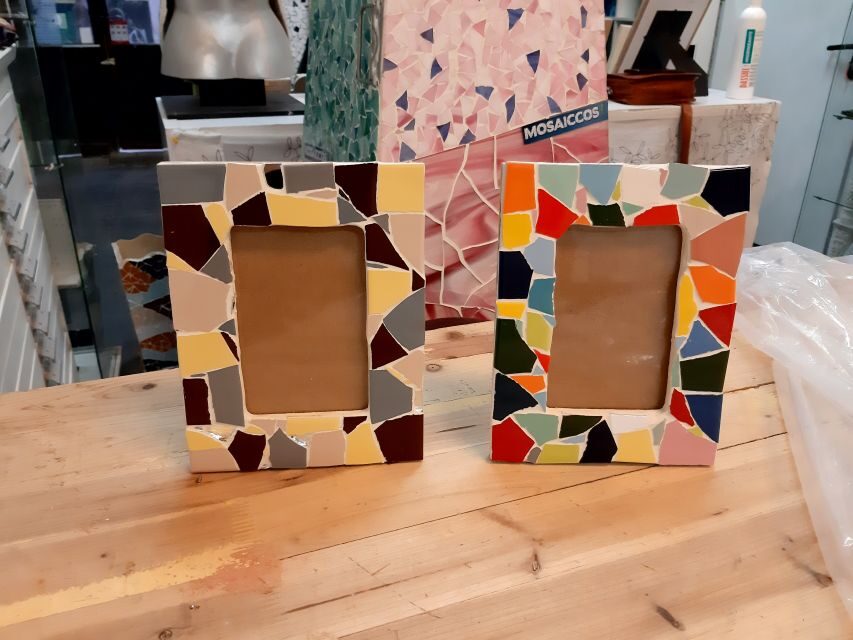
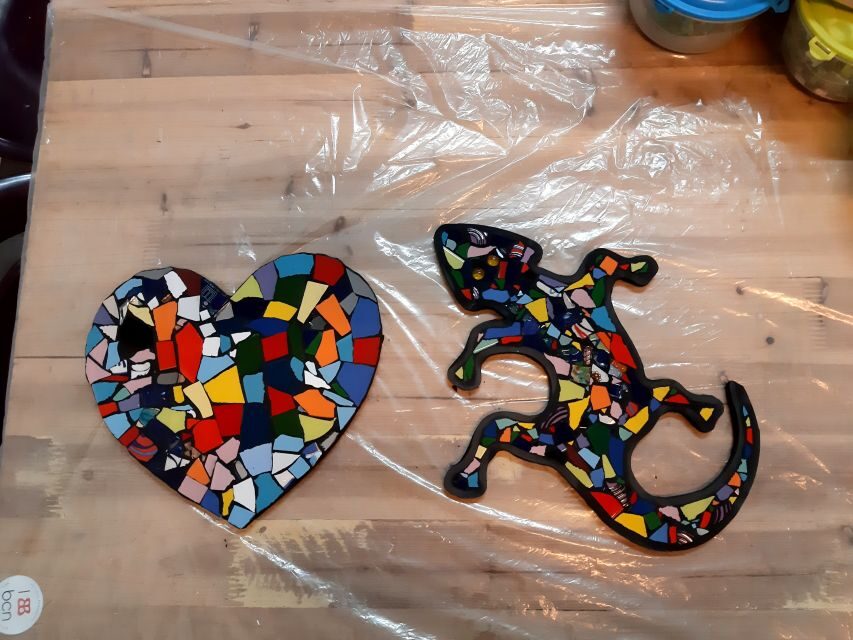
- What you’ll make: frames, coasters, boxes, and animal shapes
- The workshop flow: tools, cutting, placing, and getting unstuck
- The grout and pickup timing: when your mosaic is ready
- Price and value: $35 for materials, coaching, and a real souvenir
- Where to meet: Carrer dels Assaonadors near Picasso
- Rules and practical limits (so you’re not surprised)
- Who this workshop suits best (and who should adjust expectations)
- Sustainability note: Biosphere Certification 2026
- Should you book this Trencadís mosaic workshop?
- FAQ
- How much does the Gaudí Trencadís mosaic workshop cost?
- How long is the workshop?
- Do I need any prior experience with mosaics?
- What can I make during the class?
- Will I be able to take the mosaic home the same day?
- Are food and alcohol allowed during the workshop?
- Are pets allowed?
- What languages are available for the instructor?
- Is the workshop wheelchair accessible?
Key things to know before you start your Trencadís mosaic
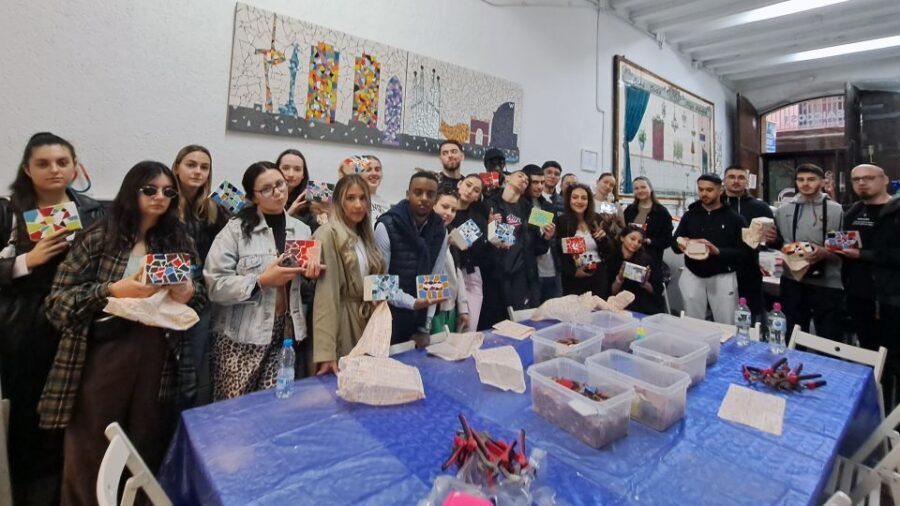
- Learn the Trencadís technique by doing it, not watching from afar.
- Pick a project shape like a photo frame, coaster, box, animal figure, or another option based on what’s available.
- Design with color and composition using colorful ceramic pieces (and pre-cut acrylic for younger kids).
- The grout happens after you finish, so you’ll pick up your piece later once it’s set.
- Small group energy means you get actual coaching, not just a quick demo.
Why a Gaudí-style mosaic class is worth your time in Barcelona
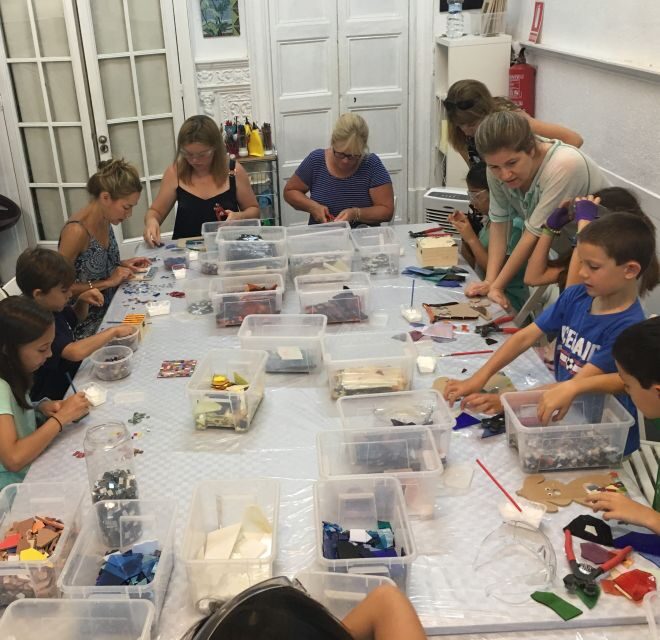
Barcelona has plenty of art on display—glass, stone, murals, and buildings that look like they’re breathing. This workshop is different because you’re not just looking. You’re building the effect Gaudí helped popularize: the way tiny pieces of ceramic create a lively surface when they’re arranged with intention.
That matters for two reasons. First, the technique is visual. Once you understand how to place pieces for contrast and movement, the whole city’s Gaudí details start making more sense. Second, you end up with something you can actually use or display at home. It’s harder to forget a skill you practiced with your own hands.
And yes, this feels like an “out of the ordinary” Barcelona stop. It’s creative, a little messy in the best way, and it turns your time into an object you can pack.
You can also read our reviews of more guided tours in Barcelona



What you’ll make: frames, coasters, boxes, and animal shapes
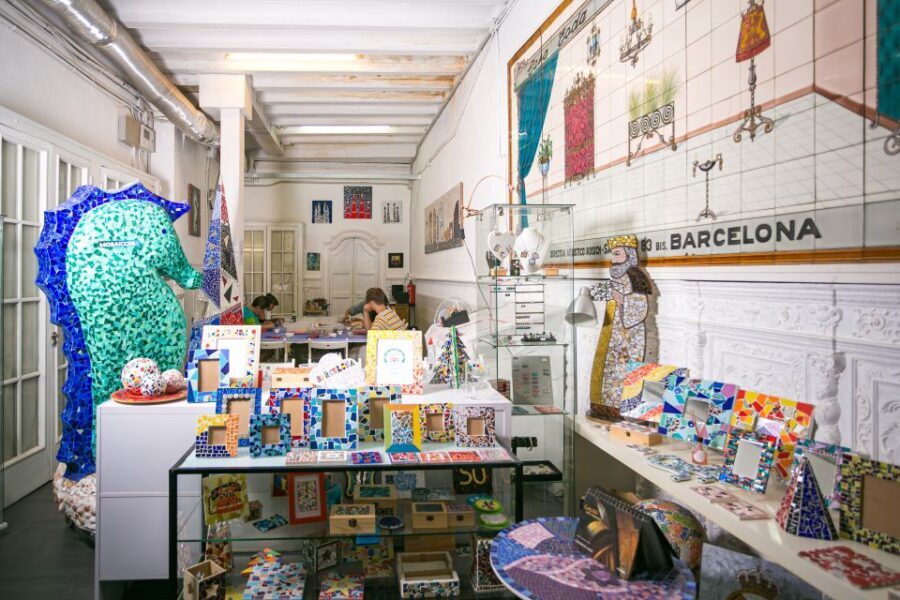
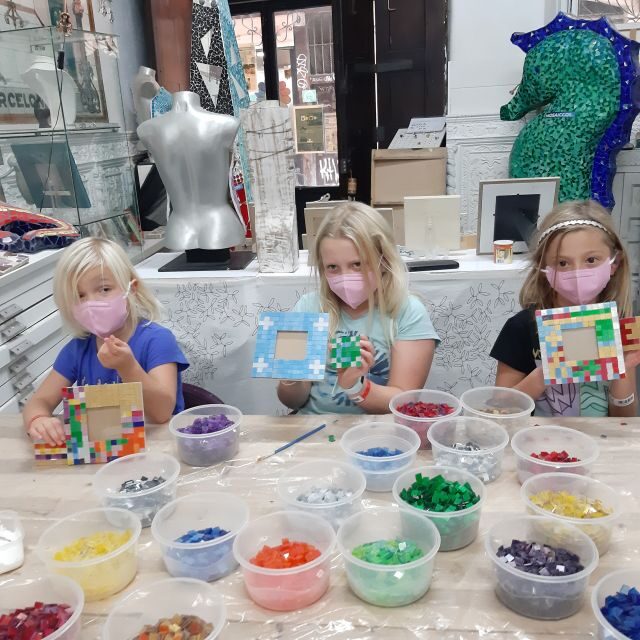
You’ll create a mosaic piece using colorful ceramic pieces, guided step by step. The workshop offers options for the shape and format of your artwork, and it’s not limited to just one template.
Common project types include:
- photo frames
- boxes
- animal figures
- coasters
- other shapes, depending on what you choose or what’s available
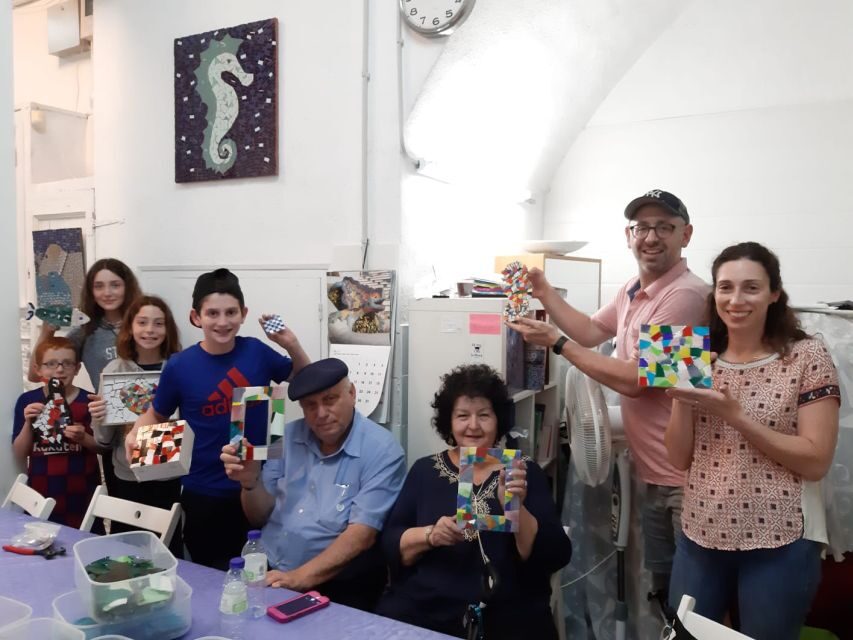
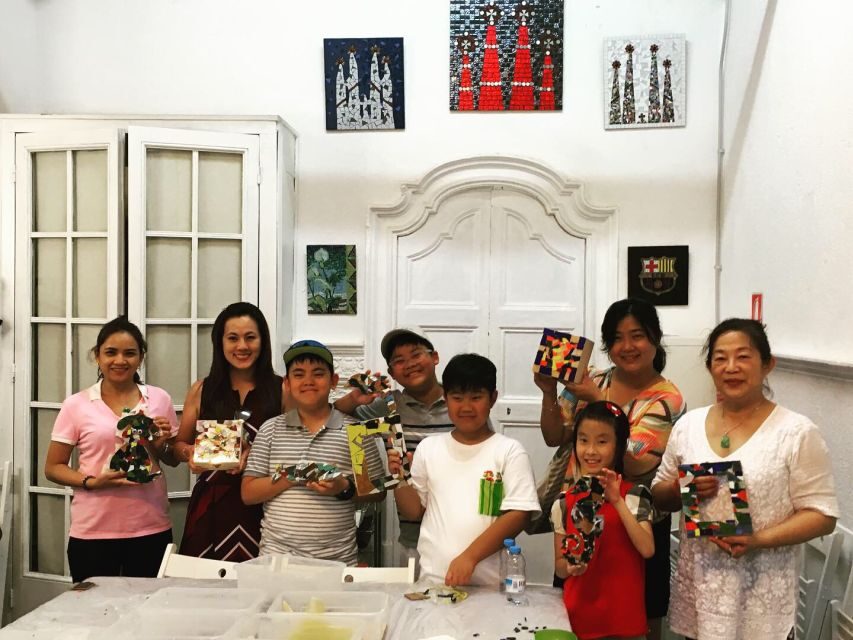
This is one of those activities where the “design” part is real. You’ll work on color choices and layout, and you’ll get help to make the finished look cohesive. If you’re traveling with kids or teens, this is also the kind of craft project that gives everyone a visible result, even when skill levels vary.
One smart tip from the workshop vibe: if you want a cleaner final result, choose a simpler outline and start with more straightforward shapes. Rounded, complex patterns can look amazing—but they also take more time and patience.
The workshop flow: tools, cutting, placing, and getting unstuck
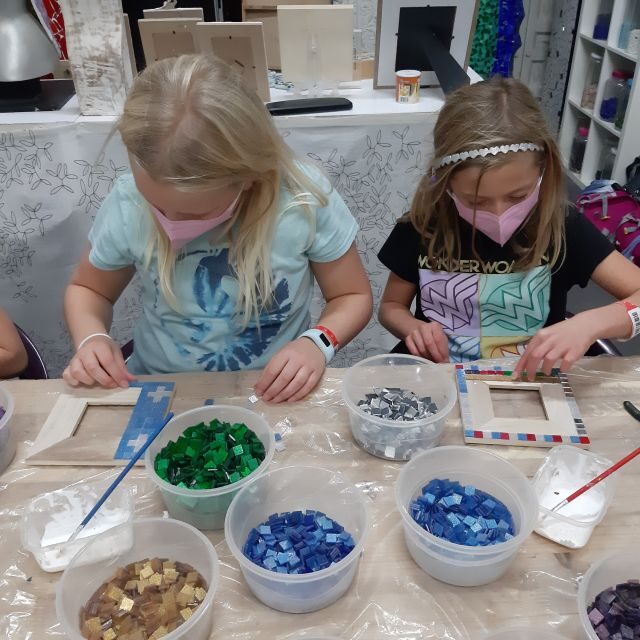
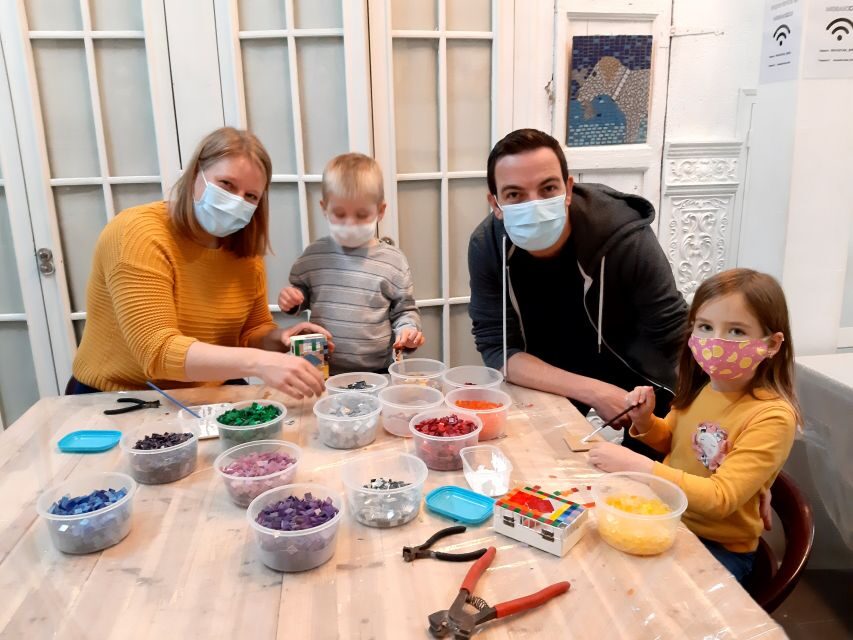
Plan for a hands-on session where every stage uses your own effort. The class includes the materials and tools you need, including safety goggles and equipment such as a ceramic cutter and tile clippers.
Here’s how the experience typically plays out:
- You arrive, get set up, and choose your design direction.
The instructor introduces the materials and technique and helps you translate your idea into a workable layout.
- You prep pieces and start assembling the mosaic.
You break and shape small ceramic pieces and place them to form your image or border pattern.
- You work at your own pace with active guidance.
The coaching is practical: where to place pieces, how to keep spacing consistent, and how to build a pleasing color flow.
- Your piece gets finished with grouting after you stop.
Once you’re done arranging, the staff applies grout so the surface sets into a lasting finish.
Kids get options too. Younger children work with pre-cut acrylic tiles. Children above age 10 may use the normal ceramic pieces. That age split is there for a reason: ceramic cutting requires more control and hand strength.
Also worth mentioning: the atmosphere tends to be relaxed and creative, and music often plays in the background. That small detail makes the workshop feel more like a studio session than a classroom drill.
The grout and pickup timing: when your mosaic is ready
Your final mosaic doesn’t become “finished-finished” the moment you stop placing tiles. After you complete the arrangement, staff applies grout. That’s what makes the piece sturdy enough to survive daily life—plus it visually blends the whole artwork together.
Pickup timing depends on when your workshop happens:
- If your session ends in the morning, you’ll usually be able to pick it up in the afternoon.
- If your session runs in the afternoon, your piece is typically ready the following day.
So if you’ve got a tight travel schedule, plan your booking so you won’t need to carry raw grout-free tiles all over town. The staff is handling the grout step for durability, not just for looks.
And if you’re the type who likes to pack early: consider buying a small protective bag or cloth wrap for the final day pickup. Your mosaic will be ready, but you still want it to travel safely.
Price and value: $35 for materials, coaching, and a real souvenir
At $35 per person, this is priced like a craft class—not like a high-end private art experience. The value is in what’s included.
You get:
- the mosaic class
- all materials and tools (including safety goggles and the equipment for making pieces)
What you don’t get is delivery. You’ll pick it up yourself.
So the “value math” looks like this: for one flat price, you’re buying time with an instructor, access to tools, and the materials to create an art object. You’re not paying extra per tile or per tool. That’s the main reason the price feels fair.
Also, the workshop duration can be anywhere from 1 to 4 hours. If you’re choosing between time slots, I’d base it on how complicated your design is likely to be:
- 1 hour can be great if you want something smaller or very simple.
- 2 hours can feel tight if you want lots of detail.
- 3 to 4 hours is a better bet if you want a more polished look with more freedom in color and layout.
If your goal is a frame or a shape that you’ll be proud to photograph at home, lean toward the longer end of the time range.
You can also read our reviews of more tours and experiences in Barcelona





Where to meet: Carrer dels Assaonadors near Picasso
The meeting point is Carrer dels Assaonadors, 10, 08003 Barcelona. It’s about a five-minute walk from the Picasso Museum area, which is a convenient anchor if you’re already sightseeing around that part of town.
If you like arriving early and getting settled, do it here. Once you finish your mosaic arrangement, grout is applied afterward, and you’ll be planning pickup later. Starting on time helps your whole day flow better.
Rules and practical limits (so you’re not surprised)
This workshop has a clear set of boundaries. Food and drinks are not allowed, and alcohol isn’t allowed either. Pets aren’t allowed (assistance dogs are allowed). Fireworks and explosive substances obviously won’t come into play, but the overall point is simple: keep the space clean and safe for crafting.
Soft drinks are allowed, though. If you need a drink, stick to what they permit, and don’t count on eating a meal during the session.
If you’re traveling with kids, this matters. No snack stops inside the workshop means you’ll want to eat before you go, then treat the workshop as the main event.
Who this workshop suits best (and who should adjust expectations)
This is a great fit if you want:
- a hands-on cultural activity in Barcelona
- a creative project that works for kids and adults
- a take-home piece that feels personal, not generic
It’s also a smart choice if you’re the kind of traveler who likes doing one craft thing instead of adding another “tourist photo spot” to your day.
Here’s who may want to plan carefully:
- If you have weak grip or hand pain, the tile-clipping stage can be tough. You can still do the workshop, but you might need to pace yourself.
- If you’re only interested in quick sightseeing and zero mess, this may feel a bit active. It’s a craft class; your hands are part of it.
Group size is kept small when available, which generally means you get more attention while you’re cutting, placing, and fixing tricky parts of the design.
Sustainability note: Biosphere Certification 2026
The workshop is described as sustainable and proudly holds the BIOSPHERE Certification 2026, reflecting environmental respect as part of how the experience is run. If sustainability matters to you when choosing activities, this is a good sign that they’re not treating responsibility as an afterthought.
Should you book this Trencadís mosaic workshop?
If you want a Barcelona memory you can hold—something made with your own hands—this is an easy yes. The price includes tools and materials, the class is guided, and the result is a real craft object rather than a disposable souvenir.
Book it especially if:
- you’re traveling with kids (this can be a satisfying shared activity)
- you like hands-on learning more than museum-only days
- you want your own Gaudí-inspired artwork from Barcelona
Reconsider or choose a longer time slot if:
- you want a more detailed frame or more complex shapes
- you’re worried about time running out while you cut and place pieces
- hand strength is a concern for the cutting steps
Bottom line: if you like the idea of turning Gaudí’s broken-tile magic into something you personally designed, this workshop is one of the most practical, feel-good ways to spend a few hours in the city.
FAQ
How much does the Gaudí Trencadís mosaic workshop cost?
It costs $35 per person.
How long is the workshop?
The duration ranges from 1 to 4 hours. Starting times depend on availability.
Do I need any prior experience with mosaics?
No prior experience is needed. The instructors guide you through the tools, materials, and technique.
What can I make during the class?
You can design your own mosaic piece, such as a photo frame, box, animal figure, coaster, or other shapes based on the workshop options.
Will I be able to take the mosaic home the same day?
You’ll take home a completed piece. The staff applies grout after you finish, and your artwork is typically ready for pickup by the afternoon or the following day if the workshop is in the afternoon.
Are food and alcohol allowed during the workshop?
No. Food and alcohol are not allowed. Only soft drinks are allowed.
Are pets allowed?
Pets are not allowed, but assistance dogs are allowed.
What languages are available for the instructor?
The instructor can speak Catalan, English, French, German, Spanish, Turkish, and Portuguese.
Is the workshop wheelchair accessible?
Yes, it is wheelchair accessible.