REVIEW · BARCELONA
Jewish Walking Tour Barcelona by Expert Jewish Guide 2h
Book on Viator →Operated by barcelona dreaming · Bookable on Viator
Barcelona has a hidden Jewish story.
This 2-hour private walking tour threads together key places in the old Jewish quarter, using architecture and street-level context so the area makes sense fast.
I especially like the focus on real monuments and the route: Placa de Sant Jaume, the Major Synagogue area, MUHBA El Call, and Placa del Rei. Another win is the guide format—your local pro will point out details you’ll miss wandering solo, with strong storytelling and lots of practical recommendations.
One thing to consider: the tour time is short, and entrance fees aren’t included. You’ll also be asked for a €5 per person donation onsite at the synagogue.
In This Review
- Key things to know before you go
- Why the Jewish Quarter route makes sense in Barcelona
- Starting at Conesa Entrepans on Carrer de la Llibreteria
- Placa de Sant Jaume: the political doorway to Jewish Barcelona
- Major Synagogue: one of Europe’s oldest synagogue stories
- MUHBA El Call: alleyways where daily life and tragedy live side by side
- Placa del Rei: kings, Jewish leaders, and the weight of change
- Price and what you’re really paying for
- Guide experience: what the best guides do in this neighborhood
- Practical tips so your 2 hours feel smooth
- Who should book this Jewish Walking Tour of Barcelona
- Should you book it?
- FAQ
- How long is the Jewish Walking Tour Barcelona?
- What is the price per person?
- Is the tour offered in English?
- Is this tour private?
- Where does the tour start and end?
- What stops are included on the tour?
- Are entrance fees included?
- Is hotel pickup or drop-off included?
- Are food and drinks included?
- What is the cancellation policy?
Key things to know before you go
- Private, group-only experience: it’s just your group, not a mixed crowd.
- Built around four high-impact stops: political square to synagogue to El Call alleys to Placa del Rei.
- You get a mobile ticket and a local guide: easy start, less guesswork.
- Donations and entrance costs: budget an extra €5 per person onsite plus any site fees you choose.
- Guides vary, but the pattern is consistent: lots of history tied to architecture and the streets.
- 2 hours is the sweet spot: enough time for context without turning into a day-long ordeal.
Why the Jewish Quarter route makes sense in Barcelona
Barcelona is a city where you can stare at stone for hours and still miss the story. That’s exactly why this kind of walking route through the Gothic Quarter works so well. You’re not just looking at buildings; you’re learning why certain spots mattered, and how Jewish life fit into Catalonia’s shifting power centers.
I like that the pacing stays tight. You move between distinct locations—political heart, synagogue focus, alley neighborhood memory, then the plaza where leaders and kings collide in the historical record. In other words, you get a storyline with stops that actually match the chapter.
Also, because it’s a private tour in English, you can ask follow-up questions without waiting in line or competing with a big group. That helps a lot if you’re the type who wonders how one street or corner can carry centuries of change.
You can also read our reviews of more walking tours in Barcelona



Starting at Conesa Entrepans on Carrer de la Llibreteria
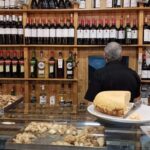
Your tour meets at Conesa Entrepans, Carrer de la Llibreteria, 1, in Ciutat Vella (the Gothic Quarter). The meeting point is handy because you’re in the area where you can easily connect with public transport and walk a short distance from most central sights.
What I’d do: arrive a few minutes early and give yourself a quick orientation lap around the immediate area. This tour ends back at the meeting point, so it’s designed to be low-drama. You won’t need to hunt for a second pickup location or coordinate later plans.
And yes, it’s a mobile ticket style setup. That’s one less thing to fumble with once you’re already navigating narrow streets.
Placa de Sant Jaume: the political doorway to Jewish Barcelona
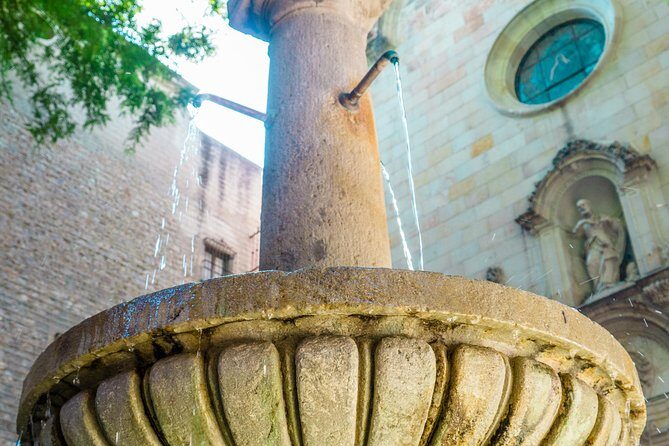
The walk begins at Placa de Sant Jaume, often described as Catalonia’s political heart and a symbolic gateway to Jewish Barcelona. Even if you’re not a history junkie, this stop helps you get the framework right away: who held power here, what kind of public life surrounded the area, and why the Jewish quarter couldn’t be separated from the political environment.
You only spend about 15 minutes here, so think of it as setting the stage rather than a long stop. The payoff is psychological. Once the political context is in your head, the later stops feel less random. Street names and building footprints start to click into a bigger pattern.
Potential downside: if you’re hoping for lots of time to wander photos and coffee stops, this square is brief. But that’s the trade for a tight 2-hour storyline.
Major Synagogue: one of Europe’s oldest synagogue stories
Next comes the highlight many people care about most: the Major Synagogue stop. The tour description frames it as an ancient synagogue in central Barcelona and notes it’s believed to be among the oldest synagogues in Europe.
Here’s what I think makes this stop valuable: it pushes you past the idea that synagogues are just religious buildings. Your guide will help you read the space as part of a community’s public footprint—how it functioned, why it mattered, and what you should look for while you’re standing there.
Also, entrance costs are not included. And the important practical piece: there’s a €5 per person donation requested onsite at the synagogue. Plan for it. If you’re budgeting tightly, treat this donation like part of the experience cost, not a surprise add-on.
One more tip: slow down your pace during this segment. Even when you feel you know the basics, this is where small details often become the biggest learning points, because your guide will point you to things you won’t notice at tourist speed.
MUHBA El Call: alleyways where daily life and tragedy live side by side
The tour then shifts into MUHBA – El Call, with about 30 minutes focused on the winding alleys and what they reveal about Jewish life and tragedy. This is the emotional center of many visitors’ experiences because it’s where the neighborhood scale shows up.
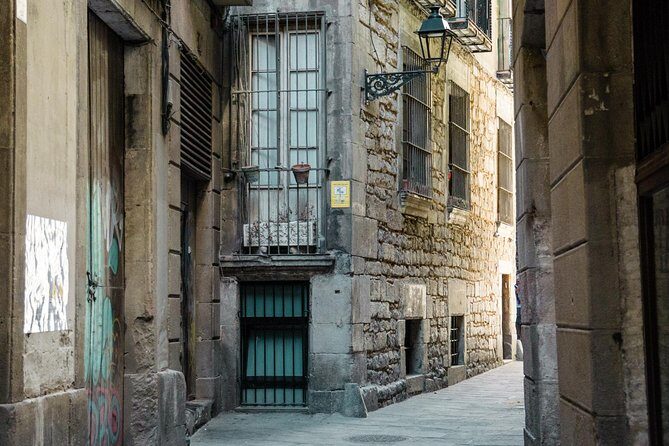
Instead of big monuments, you get the feel of a place: narrow streets, tight corners, and the sense that daily life played out in small spaces. That’s often what makes historical content stick. You’re not only hearing about what happened; you’re standing in a layout that makes the stories feel more real.
From the guide style described in the experience feedback, this stop is usually where you’ll learn how to “read” the area—how one route connects to another, and why some spots are remembered more clearly than others. Some guides also bring in maps and visual aids, which helps a lot if the street grid feels confusing at first.
A practical consideration: it’s still a walking tour, so you’ll want comfortable shoes. The time is short, but the street surfaces and turns can add up.
You can also read our reviews of more guided tours in Barcelona



Placa del Rei: kings, Jewish leaders, and the weight of change
The final major stop is Placa Del Rei, where the tour frames Jewish leaders serving kings and history changing forever. Spend about 30 minutes here, and you’ll likely connect the earlier political context to what happened over time.
This is where the narrative often gains tension. You start from public power (Sant Jaume), move through community and worship spaces (the synagogue), then come to the neighborhood’s lived experience (El Call). Placa Del Rei gives you the “how did it connect to the crown and broader politics” piece.
I like this ending because it doesn’t leave you stuck on one theme. It reminds you that Jewish life in Barcelona was shaped by the decisions of rulers and institutions. That kind of context can help you interpret what you see in the street layout afterward, even when the tour is over.
Price and what you’re really paying for
The price is $96.79 per person for the 2-hour experience. On paper, that sounds like a lot for a walking tour. But the value comes from three things the tour delivers: time, focus, and interpretation.
First, you’re buying a professional local guide’s concentrated attention for about two hours. That’s the difference between looking at sights and understanding why those sights exist in the story of Barcelona.
Second, the tour is private (your group only). If you’re traveling with friends or family, your per-person cost starts making more sense because the guide isn’t splitting attention across multiple groups.
Third, entrance fees aren’t included, and the synagogue stop includes a €5 per person onsite donation. That means the posted price is mainly for the guide and the guided route—not for site fees. If you want museum-level time and ticketed access to everything, plan to add some extra costs on top.
Guide experience: what the best guides do in this neighborhood
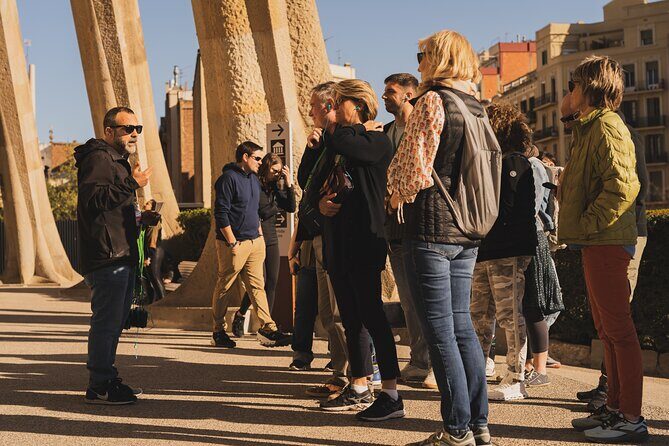
A big reason people rate this tour so highly is how guides bring the streets to life. Names that show up in the experience feedback include Ella, Dina, Lilac, Eyal, Leilah, Rina, and Alan. While each guide has their own style, there’s a strong common thread: they connect architecture, Jewish Catalan history, and broader Spanish-era events into a story you can follow while walking.
Some guides are praised for personal anecdotes and for living in or deeply knowing the area. Others are highlighted for answering questions easily and pointing out small details that would otherwise be invisible. There’s also mention of visual aids, maps, and storytelling that makes the Call feel less like a blur of old streets and more like a place with real routines and real consequences.
If you’re deciding whether this tour fits you, look for what you want most:
- If you want a clear historical storyline with stops that match the chapters, this format is a good match.
- If you want mostly photo time, you might find the pace a bit structured.
Practical tips so your 2 hours feel smooth
You’ll be on your feet for about 2 hours, and the itinerary runs from one central square to another with a neighborhood section in between. That means a few simple prep moves can make the experience feel effortless.
- Wear comfortable walking shoes. The El Call alley segment is where your feet will notice every turn.
- Bring a light layer. Barcelona weather can change quickly, and one guide was praised for staying informative even during heavy rain.
- If you care about details, don’t be shy with questions. The experience feedback repeatedly mentions guides being open and receptive.
- Save your energy early. If you start the tour focused, the route makes more sense by the time you reach MUHBA El Call.
Who should book this Jewish Walking Tour of Barcelona
This is a great choice if:
- You’re spending limited time in Barcelona and want a structured way to understand the Jewish Quarter.
- You enjoy history that connects buildings to the people who used them.
- You like guided storytelling that teaches you how to look at streets, not just where to stand for a photo.
It may not be the best match if:
- You prefer independent sightseeing with no structured route.
- You’re expecting long museum-style time at indoor exhibits, since this is a focused walking tour.
- You’re uncomfortable with the idea of an extra €5 onsite donation at the synagogue.
Should you book it?
If you want a quick, guided path through the key places tied to Barcelona’s Jewish past, I think this tour is an easy “yes.” The 4-stop flow is smart, the guides tend to be energetic and story-driven, and the private setup keeps it personal. The main catch is budget: entrances aren’t included, and the synagogue stop asks for a €5 per person donation onsite—so include that in your planning.
If you’re the kind of traveler who likes understanding what you’re looking at while you walk, this is one of the better-value ways to do that in Barcelona’s older core.
FAQ
How long is the Jewish Walking Tour Barcelona?
It’s about 2 hours of walking time.
What is the price per person?
The price is listed as $96.79 per person.
Is the tour offered in English?
Yes, it’s offered in English.
Is this tour private?
Yes. It’s a private tour/activity, so only your group participates.
Where does the tour start and end?
It starts at Conesa Entrepans on Carrer de la Llibreteria, 1 in Ciutat Vella, and it ends back at the same meeting point.
What stops are included on the tour?
The tour includes Placa de Sant Jaume, the Major Synagogue, MUHBA – El Call, and Placa Del Rei.
Are entrance fees included?
No. Entrance fees are not included, and there is a €5 per person donation requested onsite at the synagogue.
Is hotel pickup or drop-off included?
No. Hotel pickup and drop-off are not included.
Are food and drinks included?
No. Food and drinks are not included.
What is the cancellation policy?
You can cancel for free up to 24 hours in advance for a full refund.