REVIEW · BARCELONA
Pyrenees & Medieval Towns Small Group Tour from Barcelona
Book on Viator →Operated by Explore Catalunya · Bookable on Viator
Mountain air replaces Barcelona heat.
This full-day tour is interesting because it strings together medieval Catalonia and high-Pyrenees scenery in one tight plan. I love the mix of guided history in Vic plus the jaw-drop views as the route climbs toward the Núria Valley. I also like the small-group feel (up to 16) and the fact that you get real free time to hike, stroll, or just sit and take it in. One possible drawback: it’s a long day, and if you want the Coma de Vaca trails, you’ll need a reasonable level of walking fitness.
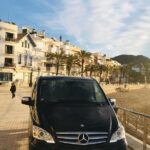
The practical highlight for me is the transport combo: an air-conditioned minivan for the connections and a rack railway ride that gets you into the valley area without the stress of driving up steep mountain roads. In feedback, guides such as Marta, Sergio, and Neu are repeatedly praised for keeping the group on track and sharing stories that make stops feel more than just photo ops. Still, temperatures drop up high, so you’ll want warm layers even if Barcelona is warm.
If you hate long travel days, this might feel like too much. But if you want one day that actually changes your scenery and adds real regional flavor, this tour does the job.
In This Review
- Key points to know before you go
- From Palau de la Música to the Pyrenees: why this day plan works
- 8:30 a.m. start and the drive north: Barcelona gives way to Montseny
- Stop in Vic: medieval buildings, cathedral mix, and market-square time
- Queralbs: the stone village and the ride that raises the fun level
- Vall de Núria: lake views, green pastures, and choosing your hike level
- The return to Queralbs: fairy-tale church vibes and mountain quiet
- Transport and timing: how the day stays enjoyable instead of chaotic
- Price and value: what you get for $143.91
- Weather, rail closures, and how to stay flexible
- What to bring and how to dress for mountain reality
- Who this tour suits best (and who should think twice)
- Should you book this Pyrenees & Medieval Towns tour?
- FAQ
- Where do I meet the tour, and where does it end?
- What time does the tour start, and how long is it?
- Is the tour offered in English, and how big is the group?
- How much walking do I need at Vall de Núria?
- What happens if the rack railway is closed?
- Is food included in the price?
Key points to know before you go
- Vic’s medieval center first: cathedral styles, historic squares, and time to snack at your own pace
- Queralbs + the rack railway: the train ride is part of the fun, not just a transfer
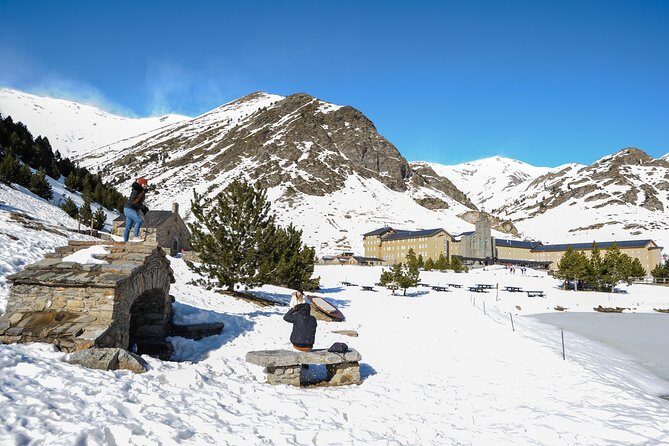
- Núria Valley free time: choose easy strolls or go for the longer options like Coma de Vaca
- Small group size (max 16): easier questions, less waiting around
- Weather and rail updates can happen: the operator has alternatives if the line closes
From Palau de la Música to the Pyrenees: why this day plan works
This isn’t just a sightseeing route. It’s a structure that keeps you moving from city life to mountain life without wasting your whole day in transit. You start early at the main office near Palau de la Música, with a quick pre-departure moment to meet your guide and use the restroom. That small buffer matters, because once you’re on the road, you’re on a schedule designed around train timing and valley exploration time.
The route also has a smart pacing trick. You get a guided “anchoring” stop in Vic, then a mountain “main event” that relies on the rack railway to reach Queralbs/Núria access. After that, you get hours of freedom in the valley itself, so you’re not stuck listening to commentary the whole time.
And yes, you should expect a long day. The upside is you’ll feel like you left Barcelona, not just drove to a nearby town and back.
You can also read our reviews of more tours and experiences in Barcelona.
8:30 a.m. start and the drive north: Barcelona gives way to Montseny
Your day begins around 8:30 a.m. at Carrer del Palau de la Música (Ciutat Vella). The tour notes that the meeting point is near public transportation, which helps if you’re not staying right by the office. Before departure, the guide typically sets expectations for what the day will look like.
Once the minivan rolls through the Eixample district, the mood shifts fast. You move out of the city and head north, and the guide fills the time with a brief history of Barcelona before you settle into the ride. Roughly an hour later, the drive takes you past Montseny Natural Park, a large protected area designated a UNESCO biosphere reserve in 1978. You’re not hiking Montseny on this tour, but seeing it from the road gives context: these mountains aren’t just scenery. They’re lived-in ecosystems.
Practical tip: this is one of those days where you’ll want to dress in layers. You might be comfortable early in the morning and then feel cooler as altitude rises.
Stop in Vic: medieval buildings, cathedral mix, and market-square time
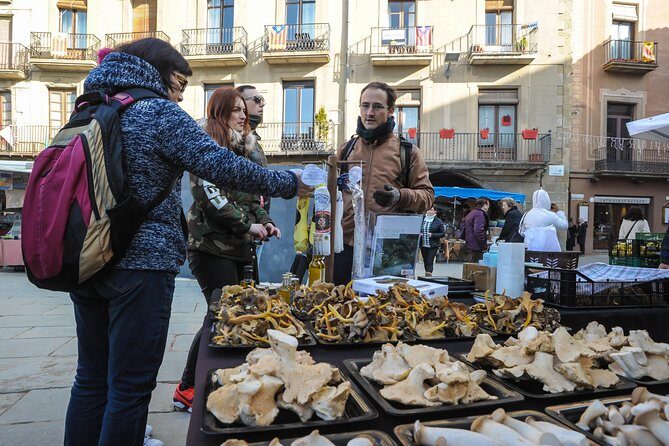
The first real stop is Vic, an old market town where you start with a guided walk through the medieval center. Expect a cathedral with a mix of styles, plus impressive renaissance and baroque buildings in the mix. You’ll also hear about the ancient Roman temple tucked between buildings in the old quarter, which is a great example of how stacked old history can be in one tight space.
Then you get about two hours of free time. This is where the tour earns points with me. You’re not rushed to “see everything.” You can grab breakfast (own expense), coffee, or just wander the market square area at your own pace.
A useful mindset for Vic: plan for small, satisfying choices. If you show up hungry, you can turn that free time into a proper meal rather than a quick snack.
Queralbs: the stone village and the ride that raises the fun level
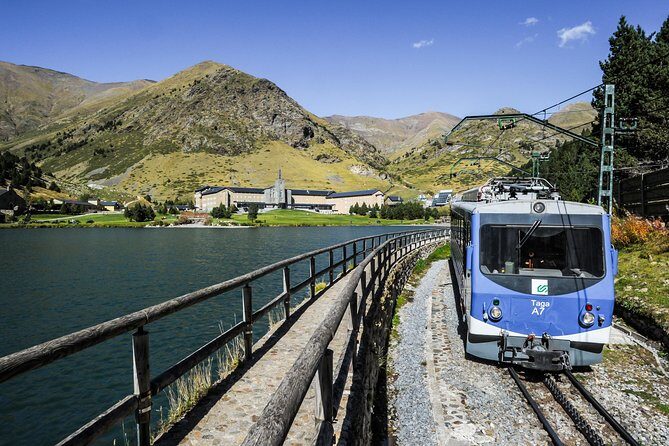
After Vic, the tour continues to Queralbs, a stone-built mountain village. It’s described as the last point on the route accessible by road, which is why the next part is so important.
Here you leave the minivan and ride the rack railway up toward the Núria Valley. In the feedback, people consistently highlight that the train ride feels modern and comfortable, not scary. That’s not a small detail. If you’re traveling with anyone who doesn’t love heights or shaky vehicles, the rack railway is the kind of transport that reduces stress while still delivering dramatic views.
When you arrive, the day flips into “your time.” You get several hours to explore as you wish once you’re in the valley area. That’s your chance to manage your own pace.
Vall de Núria: lake views, green pastures, and choosing your hike level
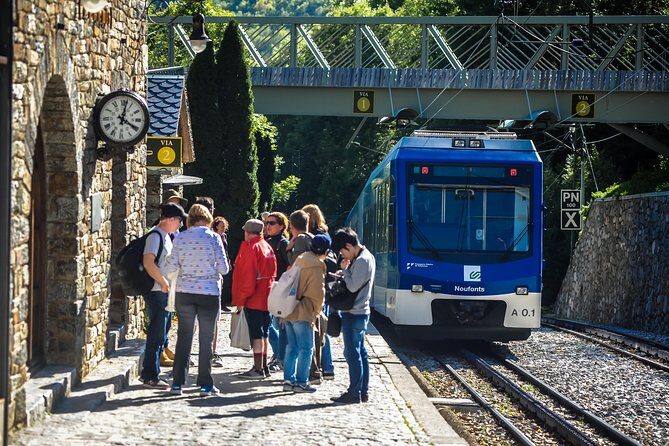
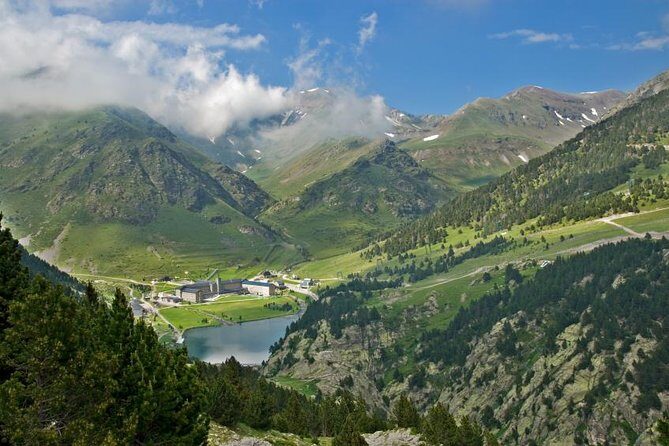
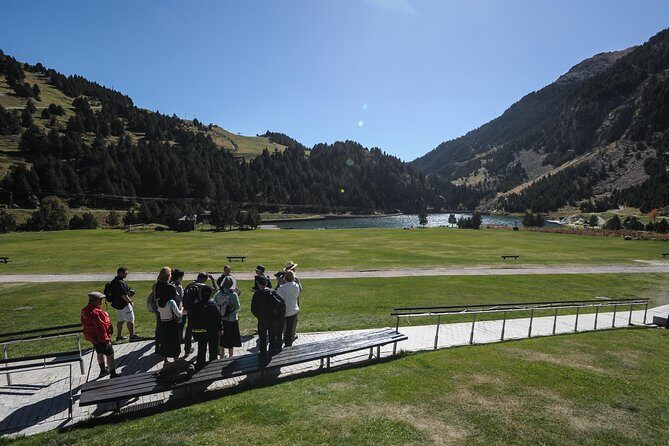
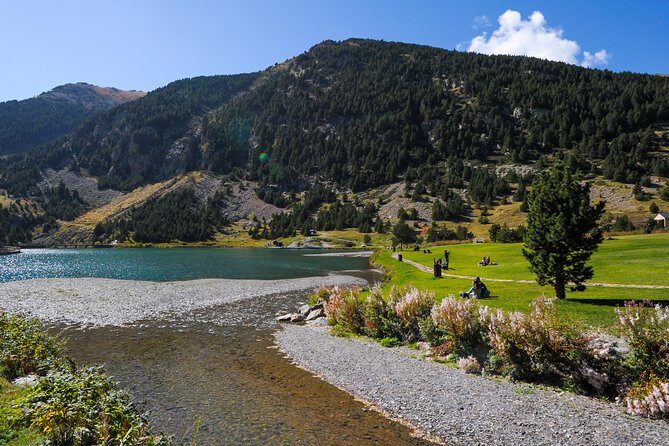
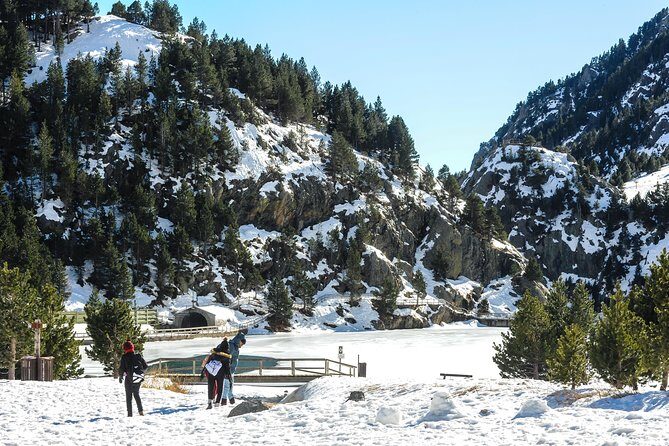
The star setting is the Núria Valley (Vale de Núria): a picturebook combination of a lake, bright green pastures, and high peaks around you. You’ll admire the scenery from the train, and then you’ll have time to wander the valley at your own speed.
This is a pick-your-own-adventure stop:
- If you want easygoing walking, you can stick to lighter trails and enjoy the lake views.
- If you want a longer trek, you can choose routes such as the paths up to Coma de Vaca.
The tour is clear that a good fitness level isn’t required for everyone, but a reasonable level of walking fitness is needed if you choose Coma de Vaca. The best way to think about this: you’ll get a great day even if you do minimal hiking, but you’ll want proper shoes if you go further.
Also, the valley has options beyond walking. The tour mentions local activities like horseback riding and boating (own expense), plus time to eat at traditional Catalan restaurants (own expense). One nice detail from the feedback: at Núria, it can be smart to follow the guide’s advice about food timing. The idea is simple: buy what you’ll enjoy for lunch while you’re there, so you’re not stuck hunting later.
One more add-on to consider: at Núria, there’s also time for a cable car to a higher viewpoint area, and people call out that the views are well worth it if you have energy and clear weather. Since it’s an optional extra, you can decide on the spot.


The return to Queralbs: fairy-tale church vibes and mountain quiet
After time in the valley, you’ll head back down and spend another block of time in Queralbs. This second stop is shorter, but it’s special because it’s not only about the train or the valley.
Queralbs is tiny, with a permanent population around 200. That matters because the village feels like you stepped into a place where daily life happens at a slower rhythm. You’ll also see the Church of Sant Sadurní de Fustanyá, famous for how finely the stones were worked. Local legend says it was built by fairies and witches who inhabited caves nearby—exactly the kind of story that makes the stone walls feel alive.
If you’re the type who likes checking out a church for the architecture and atmosphere rather than just reading about it, this stop is a good payoff.
Then the day shifts again into logistics mode as you return by minivan toward Barcelona.
Transport and timing: how the day stays enjoyable instead of chaotic
This tour is designed around a few built-in rules:
- You have scheduled stops every so often, so the group isn’t stuck in endless motion for hours at a time.
- When you reach key locations, you get real free time, not just 15 minutes for photos.
- The rack railway is the hinge that connects Queralbs to Núria Valley without turning the day into a car-only grind.
Because it’s a small group (maximum 16), you’re more likely to get a personal response when you ask questions. The guide also tends to keep an eye on timing, which helps if you decide to hike a bit farther or if you need the restroom break before a train departure.
The day ends back at the area of the office or in Plaça de Catalunya. That’s practical, because it keeps you near major transit options for getting dinner.
Price and value: what you get for $143.91
At $143.91 per person, you’re paying for more than the ride. In practice, the value comes from three big ingredients:
- A professional English-speaking guide who handles the story and the schedule
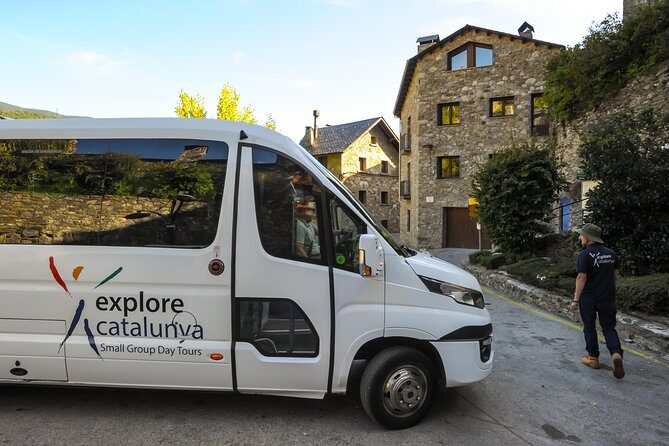
- Comfortable transportation in an air-conditioned minivan
- The rack railway experience and guided time in the medieval areas, plus several hours of exploration in the valley
Food is where you’ll spend extra. The tour doesn’t include meals (unless specified), so plan on buying breakfast in Vic and lunch or snacks around Núria or during free time (own expense). You should also budget for any optional activities like horse riding, boating, or cable car access if you choose those.
So if you want a day that feels like a full outing—history plus mountains plus real time on site—this price often pencils out as fair.
Weather, rail closures, and how to stay flexible
This tour depends on good weather. If conditions aren’t right, the operator may offer a different date or a full refund. That’s important because the experience is outdoor-heavy: walking in towns, and spending hours in the valley.
Also, the rack railway has two types of “what if” moments:
- Planned maintenance: The line is closed between Mondays and Fridays from November 1 to November 30. On those days, the tour uses an alternative itinerary that reaches the mountain valleys by road or hiking at a lower height. The operator states the Pyrenees experience won’t be taken away.
- Rare closures: The track can close without notice due to routine maintenance. The tour still provides alternatives for different ages and fitness levels.
Translation for you: don’t treat any single train ride as the only way the day can work. The operator builds backup options, and the views are still a core part of the plan.
What to bring and how to dress for mountain reality
Even if Barcelona feels mild, the mountains can feel different quickly. The tour specifically recommends:
- Warm clothes
- Sturdy walking shoes
- Sun protection
Bring clothing that works for shade and sun. You’ll be outdoors for stretches, and it’s easy to overheat in the minivan right before stepping outside into cooler valley air.
If you’re hiking on Coma de Vaca or any longer trail segments, footwear becomes non-negotiable. For shorter strolling, you still want shoes with grip, since you’ll be walking on uneven surfaces.
Who this tour suits best (and who should think twice)
This is a great fit if you:
- Want to see more than just Barcelona in one day
- Like medieval towns but also want a big nature payoff
- Prefer a guided plan with free time, not a constant lecture
- Enjoy train-based travel through scenery
It may be less ideal if you:
- Don’t handle long days well
- Want a very light walking day with zero effort (you can still do easy paths, but it’s not a sit-in-a-bus-only outing)
- Travel with very young children, since it’s not recommended for child aged 4 and under
One more small note: the tour is English only, which helps you plan if you’d rather not rely on translation.
Should you book this Pyrenees & Medieval Towns tour?
I think you should book if your ideal Barcelona trip includes at least one day where the air changes and the scenery starts acting like a real character in the story. The combination of Vic’s medieval center, Queralbs’ stone village, and the rack railway to Núria Valley is a strong match for people who like both culture and dramatic outdoor views.
Skip it (or be cautious) if you hate schedule days, dislike walking, or you’re traveling when weather looks shaky. Also, if you know you’ll want the Coma de Vaca hikes, be honest about your walking level before you go.
If you book, do yourself a favor: dress for cold mountain air, bring good shoes, and use the free time in Núria to match the day to your energy. That freedom is where this tour turns from a route into a memory.
FAQ
Where do I meet the tour, and where does it end?
You meet at the main office near Carrer del Palau de la Música in Ciutat Vella. The tour ends back at the office or near Plaça de Catalunya in the Eixample area, depending on group size and traffic.
What time does the tour start, and how long is it?
The start time is 8:30 a.m. and the duration is about 11 hours.
Is the tour offered in English, and how big is the group?
The tour is offered in English only. The maximum group size is 16 travelers.
How much walking do I need at Vall de Núria?
A good physical fitness level is not required for the tour overall, but a reasonable walking level is needed if you want to take the Coma de Vaca trails. You can also choose easier walking options or local activities in the area.
What happens if the rack railway is closed?
If the rack railway is closed, the tour uses an alternative itinerary that reaches the mountain valleys by road or by hiking at a lower height. Alternatives are also offered if the line closes due to routine maintenance.
Is food included in the price?
Food and drinks are not included unless specified. You’ll have free time to eat on your own in places like Vic and during your time in the valley.