REVIEW · BARCELONA
Pyrenees Mountains Private Day Trip from Barcelona
Book on Viator →Operated by Explore Catalunya · Bookable on Viator
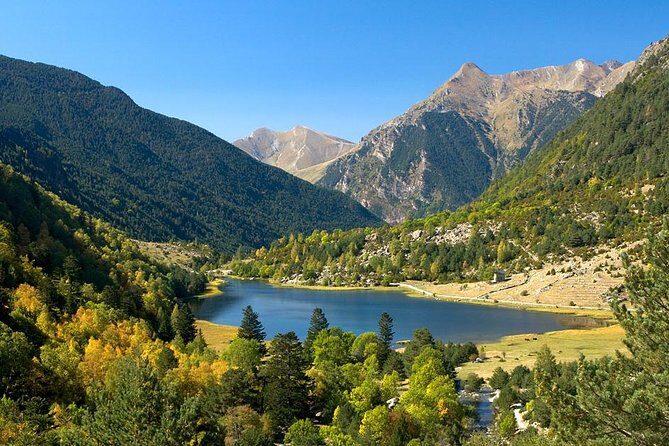
You go from city noise to mountain quiet fast. This private day trip pushes north of Barcelona for a long, story-filled route through medieval towns and into the Nuria Valley. You’ll drive past major natural scenery like the Montseny park, then stop for Romanesque sights and stone villages before riding up to the mountains.
Two things I really like about this experience: the undivided attention of a private guide (you can flag what you care about ahead of time), and the built-in chance to get real outdoors time at Nuria with options that range from easy strolls to higher walks. One drawback to plan around: it’s an all-day outing (about 11 hours) and you’ll want solid shoes and warm layers, since the temperatures up high are noticeably cooler than Barcelona.
In This Review
- Key highlights to notice before you go
- First look: what makes this Pyrenees day trip feel worth the splurge
- Getting out of Barcelona: the drive route and why it’s part of the experience
- Vic stop: a quick hit of cathedral power and Renaissance-Baroque streets
- Ripoll: Romanesque roots and a monastery with real age
- Queralbs: the last vehicle-accessible village and a stone-church story
- The Nuria Valley day: outdoor time with multiple ways to play
- Walks: from easy paths to the Coma de la Vaca option
- Non-hiking activities: make the day work for different energy levels
- Wildlife and scenery: what you should actually expect
- November reality check: when the rack railway closes and what that means for you
- How the private guide shapes the day (and why that shows in the best reviews)
- Price and value: what you’re truly buying for $1,381.75 per person
- Practical tips to make the mountain day easier
- Who should book this private Pyrenees day trip
- Should you book it? My straight answer
- FAQ
- What time does the tour start, and how long is it?
- Does the tour include hotel pickup and drop-off?
- Is this a private tour?
- What language is the tour offered in?
- What happens in November if the rack railway is closed?
- Are meals included?
- How physically demanding is the Nuria portion?
Key highlights to notice before you go
- Private guide, private pace: you can share interests like art, architecture, history, or culture when booking.
- Vic, Ripoll, and Queralbs: each stop adds a different layer of Catalonia’s medieval feel.
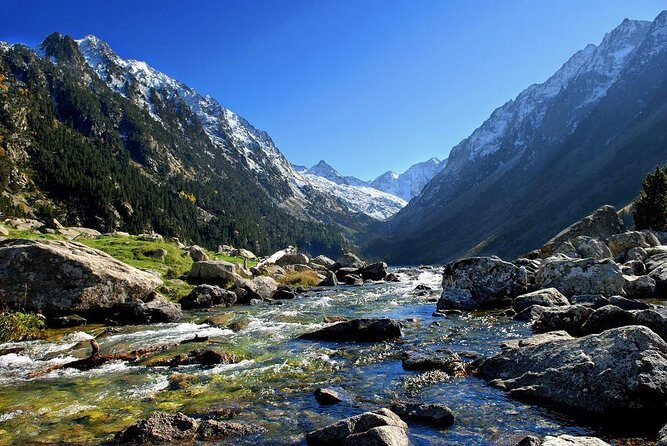
- Nuria Valley time is yours: walks, lake time, and even light activities beyond hiking.
- Rack railway planning matters: November weekday closures can change how you reach Nuria.
- Door-to-door convenience: hotel pickup and drop-off plus an air-conditioned vehicle keep the day smooth.
First look: what makes this Pyrenees day trip feel worth the splurge
Let’s talk money up front. At $1,381.75 per person, this is not a budget excursion. You’re paying for three things that matter in real life: a private guide, hotel pickup/drop-off, and the logistics of getting you out to the Pyrenees for one full day. If you can’t stand long, crowded tours, or you want the guide to answer your exact questions, that’s where the value shows.
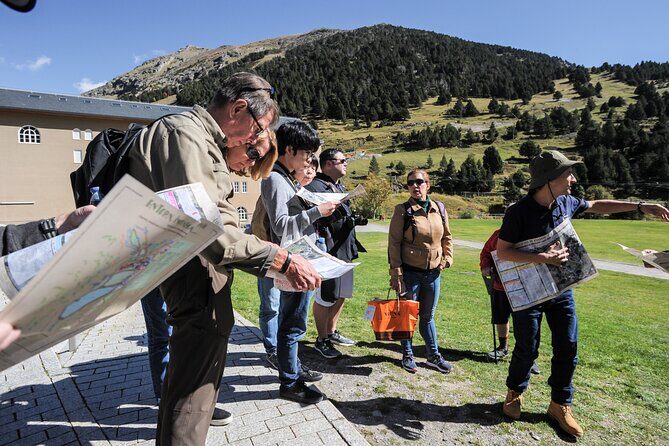
The other smart detail is the guide setup. You’re asked to list special interests at booking, so the day isn’t just a generic sweep of photo stops. Guides such as Rod and Jordi are known for giving clear explanations and shaping the pace around what you like. That turns the trip from sightseeing into something more personal and useful.
Still, the day is long. You’ll be on the move most of the morning, then you’ll get concentrated time in the mountains. If you’re hoping for a slow, low-effort day in every town, tell your guide your limits early—private tours can adapt, but the overall structure stays mountainous.
You can also read our reviews of more private tours in Barcelona
Getting out of Barcelona: the drive route and why it’s part of the experience
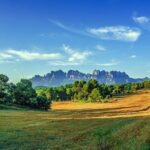
Your day starts at 8:30 am, and you’re picked up from your hotel. From there, you head north into the countryside, passing Montseny, a large natural park and UNESCO-designated biosphere reserve. Even if you don’t hop out immediately, this part matters because it sets the tone: the air changes, the scenery becomes hills and forests instead of streets, and you’re already transitioning into the Pyrenees mindset.
You also get a sense of “layers” as you travel. The route includes medieval and historic checkpoints—so it’s not just a transfer. For example, you’ll drive past Montesquiu Castle, a fortified building dating from the 10th century. You’re not expected to turn it into a major photo project, but seeing it from the road helps you understand why these mountain edges were strategically important.
Two practical tips for the ride:
- Wear something you can layer. It may be warm in Barcelona, but as the altitude rises, you’ll feel it.
- Have a phone battery plan. You’ll be taking lots of views and town-center moments, and you won’t want to run out halfway up the day.
Vic stop: a quick hit of cathedral power and Renaissance-Baroque streets
The tour builds in a break in Vic, described as an ancient settlement where you can explore the town center at your leisure. This is where your guide’s “history and culture” strengths can really pay off—Vic isn’t only about one building. You can visit the cathedral and then wander through areas with Renaissance and Baroque buildings.
Here’s what makes Vic valuable in this itinerary: it acts like a bridge between Barcelona-style architecture and the older Catalan roots you’ll see next. It’s also a good time to stretch your legs before the day becomes more outdoors-focused.
A possible drawback: Vic is a town-center stop, and that means you’ll want comfortable walking shoes, even if you aren’t planning long hikes. Also, since the pace is private, the guide can adjust your time, but you still need to be realistic about how much you can pack into an 11-hour day.
Ripoll: Romanesque roots and a monastery with real age
Next is Ripoll, home to a Romanesque monastery built in 879 by Wilfred the Hairy, the first Count of Barcelona. This is one of those stops that’s short enough to fit into the day but meaningful enough that it changes how you see the region.
If you care about architecture, Romanesque details are often easier to appreciate when someone can point out what you’re looking at—shapes, stonework patterns, and the logic behind the style. That’s where private guiding shines: you can ask, and you can get explanations that match your curiosity.
If you don’t love architecture, you can still enjoy Ripoll as a cultural pause. It’s the kind of place where the stone and scale make you slow down naturally. And in case the rack railway is closed later in the day (more on that soon), Ripoll is also listed as one of the alternative options, which is a nice backup.
Queralbs: the last vehicle-accessible village and a stone-church story
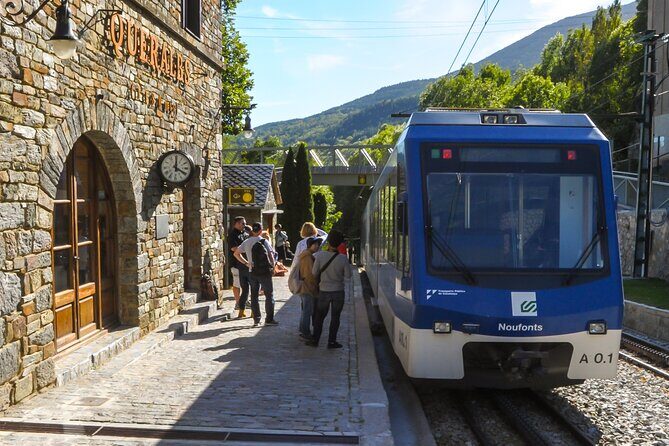
Then comes Queralbs, at 1,236 meters (4,055 feet) above sea level, and the last vehicle-accessible village on the route to the mountains. This stop is less about a checklist and more about atmosphere: stone buildings, mountain air, and a clear sense you’re nearing higher terrain.
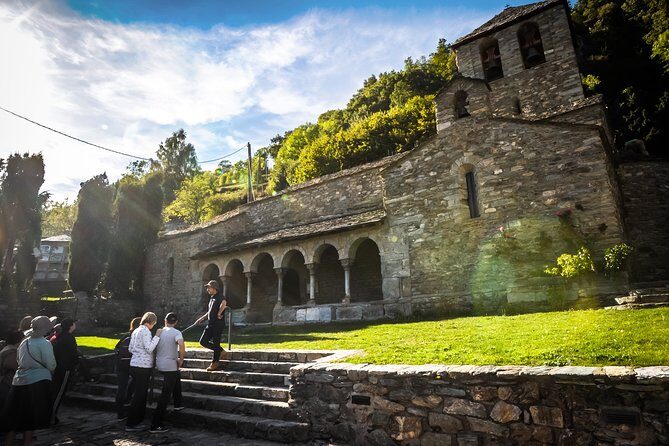
A key sight here is the Church of Sant Sadurni de Fustanya. The stones are so precisely hewn that legend says it was built by fairies. Whether you treat that as folklore fun or a poetic way to describe craftsmanship, it helps you look closely at the structure instead of just passing through.
Queralbs is also a useful mental checkpoint. It’s where you can gauge your energy level before the lift to Nuria. If you’re planning any higher walk later, I’d treat Queralbs as your “get ready” moment: adjust layers, check footwear, and be honest about how long you want to be out once you reach the valley.
You can also read our reviews of more tours and experiences in Barcelona

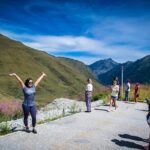
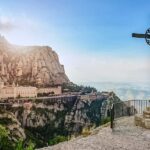
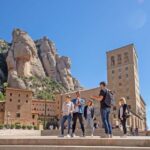
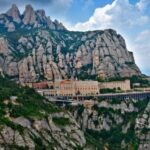
The Nuria Valley day: outdoor time with multiple ways to play
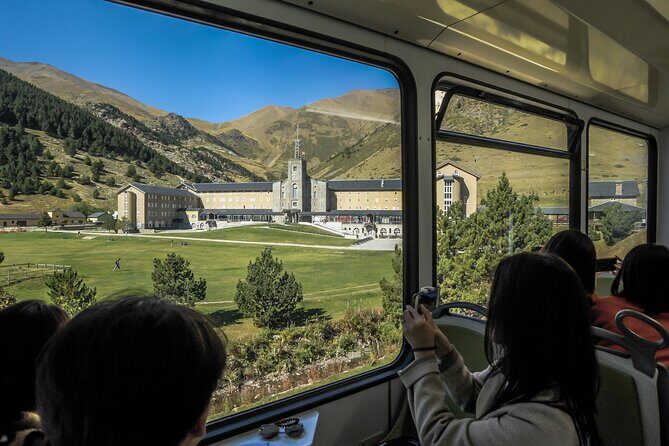
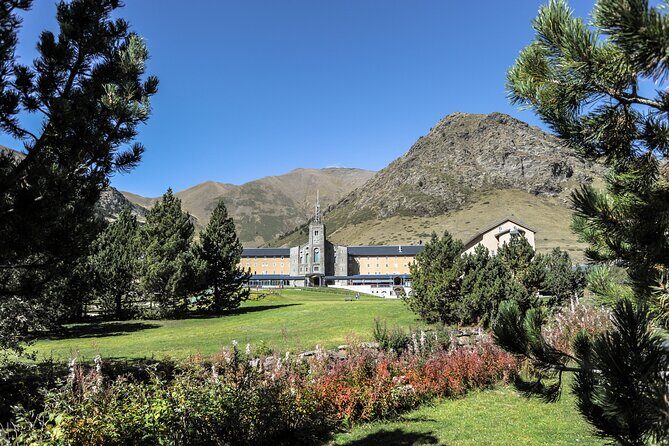
From Queralbs, you catch the rack railway up to Nuria. Once you’re in Nuria Valley, you spend the rest of the day there, which is the real payoff of the whole trip. This is the portion where the tour stops being about transportation and becomes about choices.
Walks: from easy paths to the Coma de la Vaca option
You can take one of many walks, including the path to Coma de la Vaca, a small refuge at 2,000 meters (6,562 feet). The tour doesn’t demand a specific physical condition, but it does note that you need a reasonable fitness level if you want to walk to Coma de la Vaca. That’s a practical distinction: you can enjoy the valley without committing to the higher goal.
What I like about having an optional hike is control. You can keep the day light if you’re traveling with kids or if you just want mountain views. Or you can push a bit higher if you’re feeling good. And because it’s private, your guide can help you pick a plan that fits your comfort level.
Non-hiking activities: make the day work for different energy levels
Not everyone wants a long walk all day, and the itinerary reflects that. At Nuria, you can try activities like:
- horseback riding
- open-air bowling
- miniature golf
- boating on the lake
Even if you skip all of that, the mix is useful because it gives you backup options if weather or fatigue changes your plan.
Wildlife and scenery: what you should actually expect
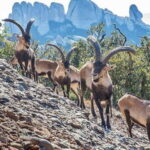
The tour encourages you to enjoy the unspoiled scenery and to look for local birds and animals. This isn’t about guaranteeing wildlife sightings. It’s about having enough time outdoors that you might notice things naturally: birds in the air, small movement in trees, and the kind of quiet you don’t get in the city.
November reality check: when the rack railway closes and what that means for you
Here’s a big logistics detail that can affect your experience. From Nov 1 to Nov 30, the rack railway may be closed Monday to Friday due to annual maintenance. When that happens, the tour provides an alternative itinerary, such as:
- going up into the mountain valley by road
- enjoying a lower-level mountain walk
- visiting the Monastery of Ripoll as part of the plan
The key point: the guide-led changes are meant to preserve your Pyrenees experience, even if the exact transportation route differs. I’d still plan for the fact that it won’t be the same sequence every weekday in that window, so bring flexibility.
Also, November usually means colder air. Even if you’re coming from Barcelona sun, bring warm clothes and good walking shoes. The tour explicitly warns that high-altitude temperatures can be much lower than the city, and that can matter a lot once you’re outside for hours.
How the private guide shapes the day (and why that shows in the best reviews)
This is marketed as a private tour, and the difference is more than just “no strangers in the van.” The private guide format means you can steer the conversation and the pacing.
One of the best-reviewed strengths is how guides handle questions. The guidance style described includes giving detailed explanations, and if the guide doesn’t immediately have an answer, they’ll look into it. That matters because architecture, medieval sites, and mountain folklore aren’t always easy to interpret on your own.
It also helps that guides can adapt to your situation—there’s specific praise for handling families and being patient, including coordinating the schedule around kids’ needs. So if you’re traveling with mixed ages, private guiding can reduce the usual stress of trying to keep everyone moving on a group timeline.
And don’t overlook the pre-booking step: if you mention what you care about (art, architecture, history, culture), you’re giving your guide a map for how to make the day click for you.
Price and value: what you’re truly buying for $1,381.75 per person
At $1,381.75 per person, you’re buying comfort and control. You’re not just purchasing transport—you’re paying for:
- hotel pickup and drop-off
- an air-conditioned vehicle for a long drive
- a professional, English-speaking guide with time to answer questions
- private pacing so the day fits your interests
Group discounts are offered, which helps if your travel party is large enough to qualify. Still, this price point is top-tier. The best match is a traveler who really wants:
- door-to-door convenience
- focused guiding rather than a crowded coach
- a full-day Pyrenees experience without worrying about routing and connections
If you’re the type who’s happy to self-drive or take trains and buses, you may be able to DIY portions of this day for less. But if you want the logistics handled and you want someone to bring the sites to life, this price stops feeling random and starts feeling like a service.
Practical tips to make the mountain day easier
This kind of day trip can feel smooth if you prep for the conditions. Here’s what I’d do before you go:
- Pack layers even if Barcelona is warm that morning.
- Bring good walking shoes. Nuria has paths, and even short walks can be uneven.
- Use sun protection. High-altitude sun can be sneaky.
- If you’re aiming for Coma de la Vaca, plan for a longer effort and be honest about fitness.
- Check that you’re comfortable with an all-day schedule starting at 8:30 am.
One more note: food and drinks aren’t included unless specified, so plan snacks or meals accordingly (especially since Nuria is where you spend the biggest chunk of time). Build in enough time to eat without turning it into a rush.
Who should book this private Pyrenees day trip
This tour fits best if you:
- want private guiding rather than a group lecture
- care about architecture and history but still want outdoor time
- prefer the convenience of pickup/drop-off
- are okay with a long day and mountain weather shifts
It also isn’t a good fit for very young kids. The experience isn’t recommended for child aged 4 and under. If you’re traveling with older kids, the private format can help you manage energy and pacing better than a standard group tour.
And if you’re particular about what you do in Nuria—walk, boat, or try something casual—tell your guide what you’re aiming for at booking. That’s where the private part pays off.
Should you book it? My straight answer
I’d book this Pyrenees private day trip if you want a guided, high-comfort route that still leaves you real time in the mountains. The combination of Vic, Ripoll, Queralbs, and Nuria works because it gives you cultural stops in the morning and actual choice-based outdoor time later.
I would not book it if you’re chasing the lowest cost or if you hate structured long days. Also, if you’re sensitive to cold, plan properly for the altitude, and keep an eye on the November rack railway closure on weekdays.
If you do book, I’d do one extra thing: list what you care about when you book, and ask for a plan that matches your fitness level. With a private guide approach, that’s how you get the day to feel like it was made for you, not just delivered to you.
FAQ
What time does the tour start, and how long is it?
The tour starts at 8:30 am and runs for about 11 hours.
Does the tour include hotel pickup and drop-off?
Yes. Hotel pickup and drop-off are included.
Is this a private tour?
Yes. It’s a private tour, so only your group participates.
What language is the tour offered in?
The tour operates in English only.
What happens in November if the rack railway is closed?
From Nov 1 to Nov 30, the rack railway may be closed Monday to Friday for maintenance. The tour then uses an alternative itinerary, such as going up by road, doing a lower-level mountain walk, or including options like visiting the Monastery of Ripoll.
Are meals included?
Food and drinks are not included unless specified.
How physically demanding is the Nuria portion?
The tour does not require a particular physical condition, but you need reasonable fitness if you want to walk to Coma de la Vaca. The day also includes other activities at Nuria if you want less walking.