REVIEW · BARCELONA
BARCELONA: 2h Glass Art Workshop, create your Suncatcher!
Book on GetYourGuide →Operated by GET THE WAVE · Bookable on GetYourGuide
Somewhere between crafts and calm, this class makes magic. In a cozy studio in the Gothic center of Barcelona, you’ll make a small sun catcher (a hanging piece that sparkles in daylight) while an instructor guides you step-by-step through real glass tools. Two things I love about it: you get hands-on training with the actual equipment, and you leave with something personal you can hang right away.
I also like the pacing: it’s structured into safety, cutting, shaping, drilling, then assembling your design. The one drawback to consider is simple—there’s a little technique involved, and the tools are real, so you’ll want to come with closed-toe shoes and be ready to focus for the full 2 hours.
In This Review
- Key highlights worth your time
- Where you’ll start: safety first in Barcelona’s Gothic heart
- What to bring (and why it’s not negotiable)
- The skills you’ll learn: cutting glass, shaping it, and making it hang
- 1) Understanding glass and the tools
- 2) Learn how to cut glass with confidence
- 3) Grinding and shaping: making rough edges beautiful
- 4) Drilling holes for assembly and hanging
- Choosing your colors and building a design (not just copying one)
- The design limit that helps you finish on time
- What it feels like in the workshop: small-group attention and a real teacher vibe
- Taking it home: why a Barcelona suncatcher is more than a souvenir
- Practical value: is this $100 class worth it?
- Timing and logistics: how to fit it into a Barcelona day
- Who this is perfect for (and who should skip it)
- Should you book this Barcelona glass suncatcher workshop?
- FAQ
- FAQ
- How long is the Barcelona glass art workshop?
- What’s the group size?
- Do I need prior glass crafting experience?
- What’s included in the workshop materials?
- What should I wear or bring?
- Is it suitable for children?
Key highlights worth your time
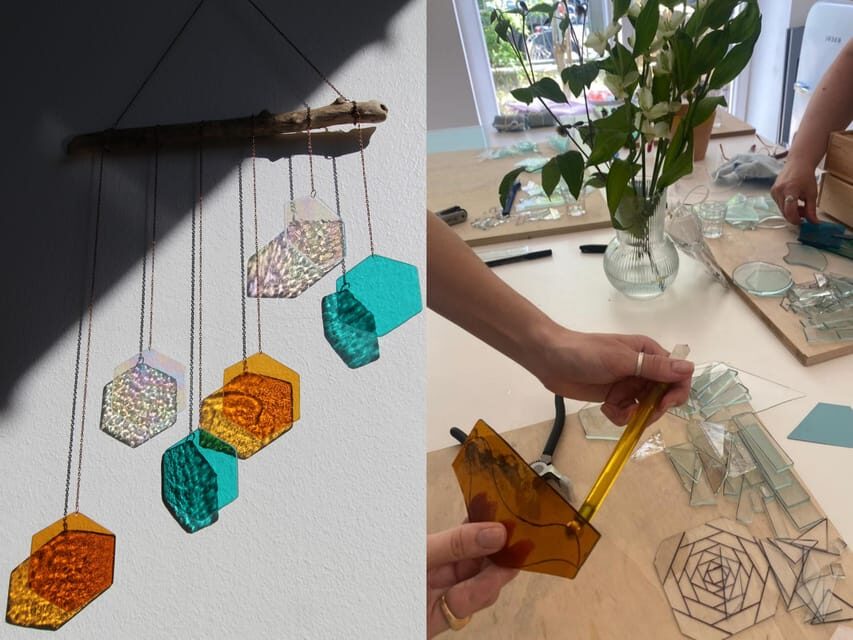
- Gothic Quarter location: you’re working in the heart of old Barcelona, not a generic out-of-town studio
- Small group of up to 6: you get attention without feeling rushed
- Learn real glass skills: cutting, grinding/shaping, and drilling for hanging
- Up to 3 glass elements: you’ll build a complete design, not just a practice scrap
- Take home your suncatcher: it’s designed to sparkle and dance in sunlight
- Included tools and safety gear: personal cutter/breaking pliers, goggles, gloves, plus studio machines
Where you’ll start: safety first in Barcelona’s Gothic heart
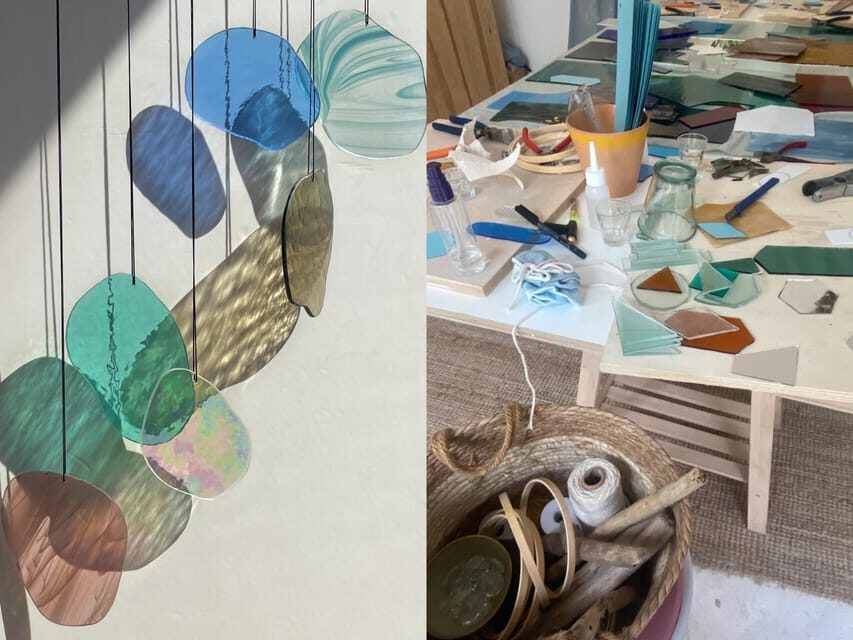
You’ll begin in a small studio set up for glass work, right in the Gothic center area. That matters more than it sounds. Barcelona’s old lanes can be winding and lively, and having a central meeting point makes this feel like a true “walk out, do something real” experience instead of a chore.
Before you touch anything sharp, you’ll get a safety briefing and learn what protective gear is for. You’ll be given safety goggles and gloves, and you’ll also learn the basic habits that keep glass crafting predictable. This is the kind of instruction that makes a beginner feel like they belong at the bench.
The vibe here is creative and hands-on. In the best cases, that’s what turns “I’m not crafty” into “I can actually do this.” One review specifically called out the cozy space and creative energy, which matches the way this class is built: not just watching, but practicing.
You can also read our reviews of more tours and experiences in Barcelona



What to bring (and why it’s not negotiable)
Closed-toe shoes are required. That’s not picky rule-making—glass work involves equipment that can drop tiny shards, and you’ll be standing and moving while learning. Plan to wear something sturdy enough to stay comfortable for a full workshop block.
The skills you’ll learn: cutting glass, shaping it, and making it hang
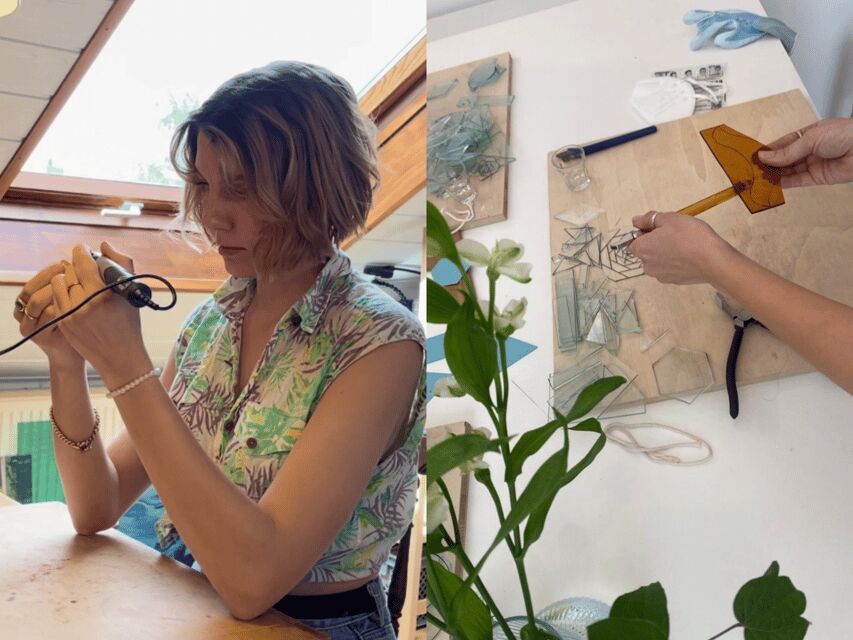
This workshop is designed around the full process of making a hanging piece. You’re not just picking out colors and calling it art—you’re learning how the material behaves and how the tools control it.
1) Understanding glass and the tools
First comes an introduction to different types of glass and the techniques used in glass art. You’ll also learn about the tools you’ll use, so the later steps make sense. This is important in a short workshop: if you jump straight to cutting without context, you’ll feel lost and stuck.
In practice, this segment sets up your decision-making. When you understand how colors and textures reflect light, you can plan your suncatcher so it looks good from a window—not just on the table.
2) Learn how to cut glass with confidence
Next is the hands-on cutting portion. You’ll learn glass cutting techniques and how to use a glass cutter to make precise breaks. You’ll also get personal gear like a glass cutter and breaking pliers, which is a big part of the value here.
A good cut is the foundation for everything that follows. If a piece is off, grinding takes longer and holes become harder to align. So even though this is fun, the instructor is essentially teaching you the logic of glass.
You can also read our reviews of more tours and experiences in Barcelona






3) Grinding and shaping: making rough edges beautiful
After cutting, you’ll learn to grind glass to smooth and shape it. This step is where the piece starts to look like finished craft instead of “cut shapes.” You’ll work with the grinding equipment in a guided way, so you learn how shaping affects the final silhouette and how to keep the edges safe and clean.
Grinding is also the step that helps beginners catch up quickly. You might start thinking your cut was messy, then realize that the shaping step is designed to improve the final look. That’s a relief, and it helps you keep confidence as the workshop moves fast.
4) Drilling holes for assembly and hanging
Then comes drilling glass—an especially useful skill if you want your piece to actually hang. You’ll practice drilling with glass-specific drill bits in a way that focuses on safe handling.
This matters for the finished product. A sun catcher that hangs well is more than decorative—it can become a daily reminder by the window. Drilling is what turns your design from flat into functional.
Choosing your colors and building a design (not just copying one)
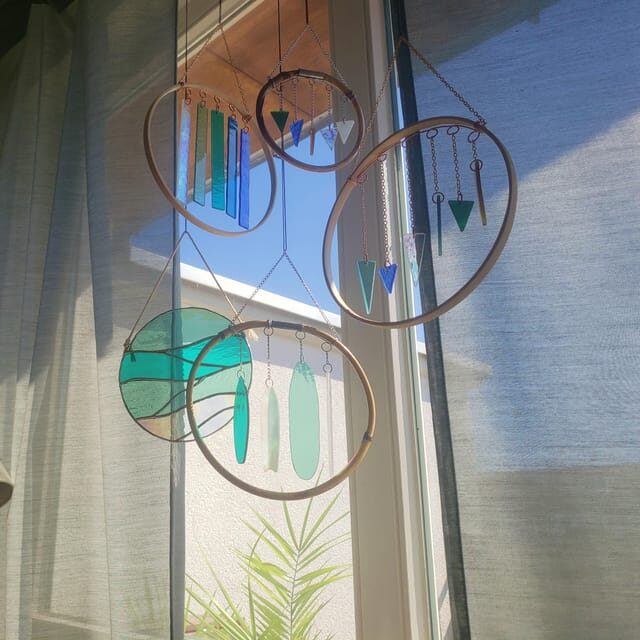
You’ll be able to choose from a variety of glass materials and colors to bring your vision to life. If you have specific preferences, there’s a way to communicate them in advance through the workshop’s Instagram (the handle shared is getthewave_). That can help the team set everything up so you’re not stuck with whatever’s left.
This part is where your suncatcher starts to feel like yours. Even if you’re following example patterns, you’ll have decisions to make about which pieces go where, how the colors interact, and how many elements you want.
The design limit that helps you finish on time
Your final piece is a small sun catcher with up to 3 glass elements. That’s a smart limit for a 2-hour class. You get the satisfaction of a complete creation without the risk of trying to do too much and ending with a half-built project.
You’ll also have patterns and examples available to spark ideas. So even if you’re not a designer, you can choose a plan that matches your comfort level.
What it feels like in the workshop: small-group attention and a real teacher vibe
The class is limited to 6 participants, which changes the whole experience. In a larger class, you’d wait for help and wonder if you’re doing it right. Here, you can ask questions as you go, especially during the steps that involve more careful technique like cutting and drilling.
You’ll be taught by an instructor who speaks English and German. In the reviews, the host named Lena gets praised for warm energy and a personal touch. That kind of teaching style matters in crafts. It’s the difference between feeling like you’re being processed versus being taught.
One reviewer also noted the class is not complicated and that the result looks beautiful. That lines up with the workshop structure: it’s organized for beginners, with guided steps that build toward a final take-home object.
Taking it home: why a Barcelona suncatcher is more than a souvenir
You’ll take home your own crafted sun catcher. That’s the headline, sure, but here’s why it’s actually a smart souvenir.
A good Barcelona souvenir usually has one of two qualities: it’s useful, or it gets better once you leave. A sun catcher fits the second category. Hang it in a window and it becomes a daily light show. The glass pieces are made to catch and shift sunlight as the day moves—so the memory doesn’t stay trapped in your photo roll.
Also, because you personally handled the tools, it has a story. You can remember the moment you learned how cutting works, or when drilling turned your flat pieces into something that actually hangs.
One review described the suncatcher as a unique memory that will last long. I think that’s the right way to look at this: it’s a keepsake with real effort behind it.
Practical value: is this $100 class worth it?
At $100 per person for 2 hours, this isn’t a “cheap and cheerful” activity. But it also isn’t just a guided craft demo. The included materials are meaningful: you get all necessary supplies, safety gear, and your own glass cutter and breaking pliers. You’ll also use a high-quality grinding machine under instruction.
That’s where the value comes from. Many souvenir workshops give you a finished product but not the know-how or the tools behind it. Here, you’re learning the steps that glass artists use, even if you’re not becoming a full-time maker by the end.
If you enjoy hands-on activities, this class earns its price. If you’re looking for pure entertainment with no concentration, you might find it slightly more work than expected. But if you’re the type who likes learning a craft and leaving with something that looks good in real light, this is a strong match.
Timing and logistics: how to fit it into a Barcelona day
Because it’s only 2 hours, it slots nicely into a morning or early afternoon. Barcelona is full of long walking days, so a time-limited craft break can work well—you get a change of pace without losing the whole day.
You should plan on being able to return to your hotel or apartment afterward and store your sun catcher carefully as it cools and settles. Also, meals and drinks are not included, so you’ll want to eat before or after.
You’ll also need transportation to and from the studio. The workshop itself doesn’t include travel, so build in time for getting to the Gothic area and finding the exact spot.
Who this is perfect for (and who should skip it)
This class is a great fit if:
- You’re a beginner who wants structured instruction without previous experience
- You like small group activities and don’t want to be lost in a crowd
- You want a take-home item that looks better in daylight than it does in a bag
- You’re traveling with a friend and want something you can do side-by-side
It may not be ideal if:
- You need a kid-friendly option (it’s not suitable for children under 14)
- You hate standing and focusing for two concentrated hours
- You’re shopping for something purely passive, like a tour or a museum visit
Should you book this Barcelona glass suncatcher workshop?
Yes, if you want a short, hands-on activity that teaches real steps and ends with a beautiful object you can hang at home. The small group size, the guided tool use, and the full cut-to-assembly workflow make it feel complete rather than rushed.
Before you book, check that closed-toe shoes won’t be a problem for you, and be ready to do a little careful work. If that sounds like your kind of day, you’ll probably love the satisfaction of seeing your suncatcher catch light from the window.
FAQ
FAQ
How long is the Barcelona glass art workshop?
The workshop lasts 2 hours.
What’s the group size?
It’s a small group limited to 6 participants.
Do I need prior glass crafting experience?
No. No prior glass crafting experience is required.
What’s included in the workshop materials?
You get all necessary glass crafting materials, a personal glass cutter and breaking pliers, a high-quality grinding machine, safety goggles and gloves, and expert guidance.
What should I wear or bring?
Wear closed-toe shoes. That’s the only listed requirement for what to bring.
Is it suitable for children?
No. It’s not suitable for children under 14 years.