REVIEW · BARCELONA
Barcelona: Gothic Quarter Gems Private Walking Tour
Book on GetYourGuide →Operated by Eteobcn · Bookable on GetYourGuide
Stone streets tell stories fast. This private Gothic Quarter walk stays focused on what you care about, starting at the Roman aqueduct remains and threading through medieval squares and cathedrals.
I love how the route turns landmark stops into something you can actually picture, especially around Santa María del Mar and the memorial site Fossar de Les Moreres. The only real catch is the walking: cobblestones, uneven ground, and some stairs are part of the charm, but they can be rough if you have mobility limits, even with wheelchair access.
In This Review
- Key highlights to know before you go
- Why this private Gothic Quarter tour makes sense
- Start outside Café Zurich and get your bearings
- Roman aqueduct remains: the tour’s clever opening act
- Borne Market and Fossar de Les Moreres: busy life meets hard memory
- Santa María del Mar: when architecture becomes personal
- Roman Wall to King’s Square: see medieval Barcelona take shape
- Temple of Augustus and Sant Felipe Neri Square
- The Call (Jewish Quarter) streets and Sant Jaume Square politics
- Sant Miquel Square wrap-up and what to do after
- Price, pacing, and who this tour fits best
- Practical tips so your walk stays fun
- What it feels like with a guide like Sebastian
- Should you book this Barcelona Gothic Quarter Gems private walking tour?
- FAQ
- How long is the Barcelona Gothic Quarter Gems private walking tour?
- What is the price per person?
- Where does the tour start?
- Where does the tour end?
- Is this a private group tour?
- What languages are available for the live guide?
- Is the tour wheelchair accessible?
- Does the tour include food or drinks?
- Does the tour run in bad weather?
- Is the itinerary customizable for my interests?
- Is museum entry included?
Key highlights to know before you go
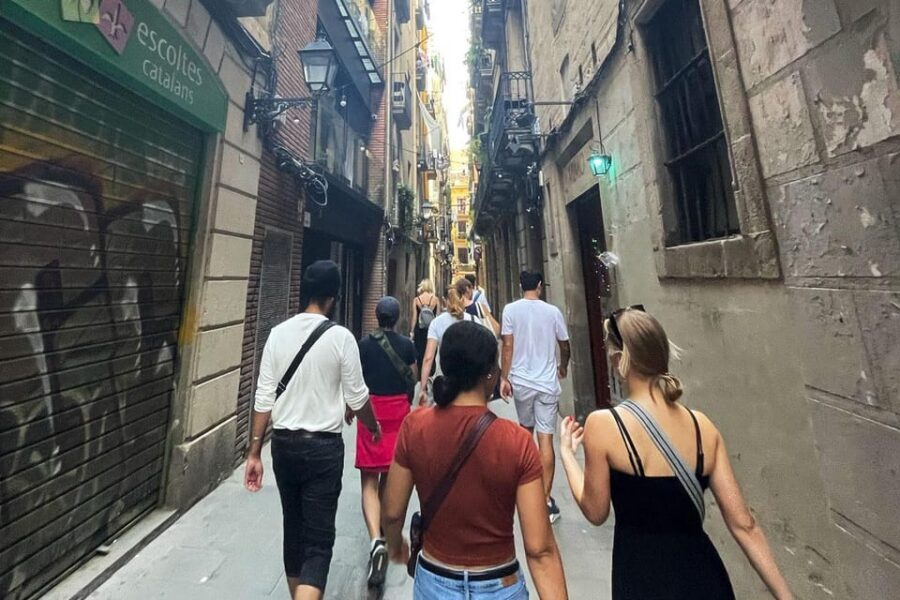
- Roman aqueduct start: begin with ancient Barcelona, before the medieval city takes over.
- Santa María del Mar focus: see why this Gothic church feels so powerful on foot.
- Fossar de Les Moreres stop: a clear, emotional moment in the middle of sightseeing.
- Roman Wall + King’s Square: the city’s layers show up fast when you walk.
- The Call and Sant Jaume Square: both the Jewish Quarter streets and Barcelona’s political center.
Why this private Gothic Quarter tour makes sense
If you only have a short window in Barcelona, this kind of private walking tour can do a lot of work for you. You get a guided path through the Gothic Quarter’s most important corners without needing to constantly check your phone or guess what you’re looking at.
At $57 per person for a 2.5-hour private experience, the value comes from the mix of scale and personalization. You’re not just getting a script; you’re getting a guide who can shift the order or emphasis based on your interests and comfort level. That matters in the Gothic Quarter, where the streets are narrow, the details are everywhere, and self-guided wandering can turn into a blur.
I also like that the tour is explicitly built around walking key sites you’d otherwise have to plan separately—Roman ruins, medieval squares, and major churches—while keeping the pace relaxed. No added pressure to rush into timed tickets. No food included, though, so you’ll want to eat before or after.
You can also read our reviews of more walking tours in Barcelona



Start outside Café Zurich and get your bearings
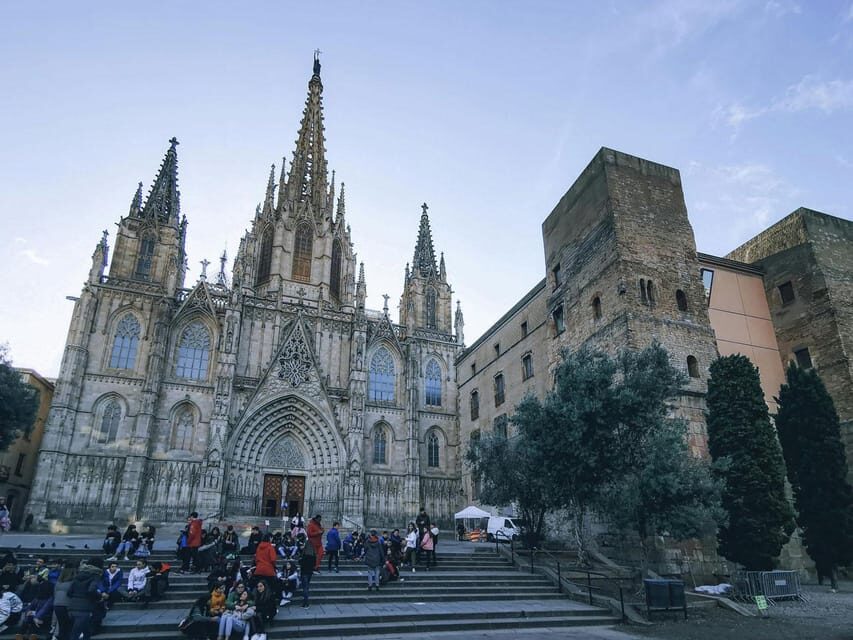
The meeting point is outside Café Zurich, and the tour ends back near the same place. That loop is useful because it helps you build an easy mental map of the area instead of feeling like you drifted in and out of the neighborhood.
From the first minutes, the guide’s job is less about listing facts and more about helping you read what you’re seeing. In the Gothic Quarter, that’s half the experience: you’re walking through layers of time, and it helps when someone points out what’s Roman, what’s medieval, and what changed later.
It’s also private, so you’re not competing with a big group for the guide’s attention at each stop. That usually means you can ask questions in the moment and get answers that match what you care about—architecture, street history, or the stories connected to specific squares.
Roman aqueduct remains: the tour’s clever opening act
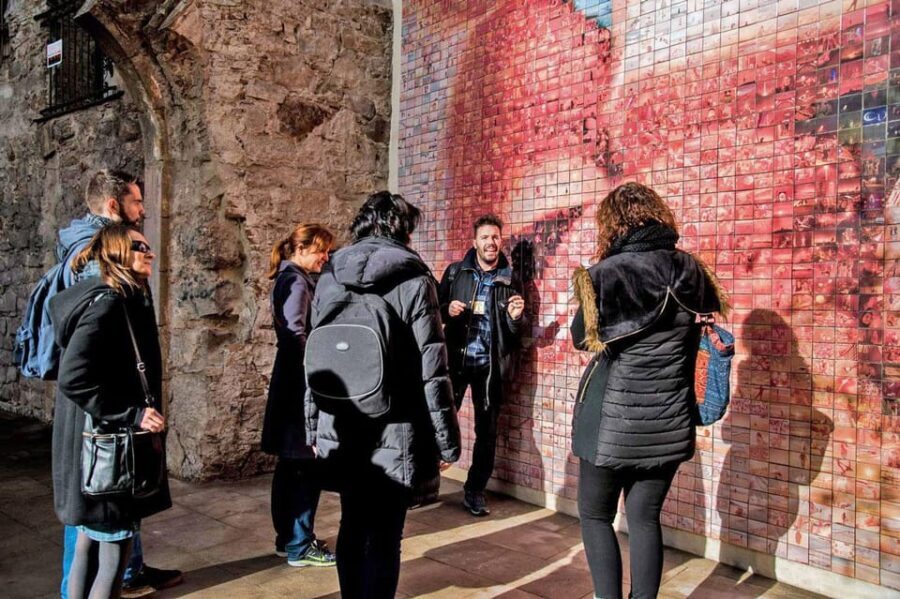
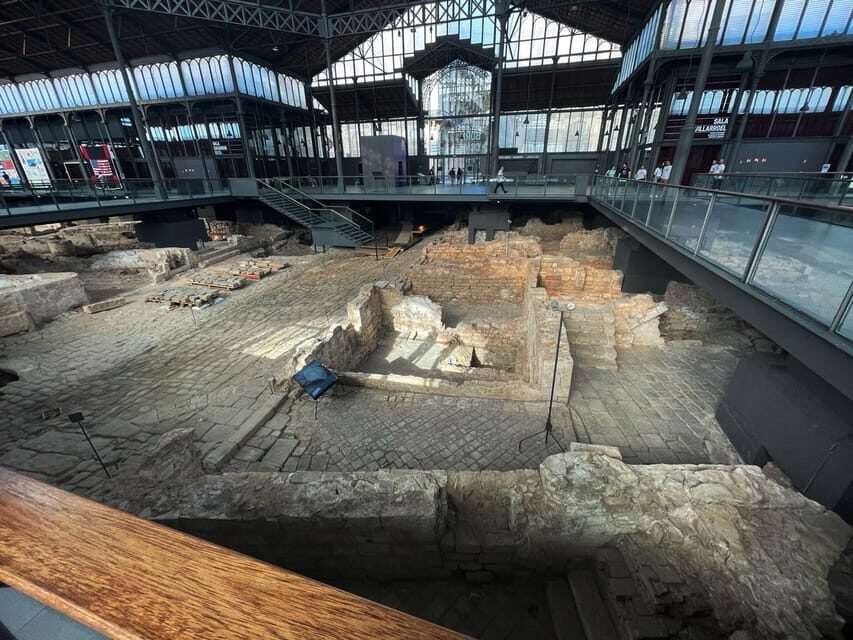
You start at the ancient remains of the Roman aqueduct, which is a smart move. Most people arrive in Barcelona thinking of it as modern or Catalan-era first. Starting with Roman infrastructure instantly reframes the Gothic Quarter: you’re walking on a city that had working systems long before the medieval streets took shape.
As you begin here, you’ll likely notice how the guide connects archaeology-style ruins to everyday city life. That’s the real trick with Roman remains in an urban area: they don’t sit in a museum bubble. They’re part of the neighborhood fabric, which makes them easier to imagine as something that served real people.
This first stop also sets the tone for the tour. From there, the guide moves you forward through time, so each later site lands with more meaning. You’re not just checking boxes—you’re building a timeline while you walk.
Borne Market and Fossar de Les Moreres: busy life meets hard memory
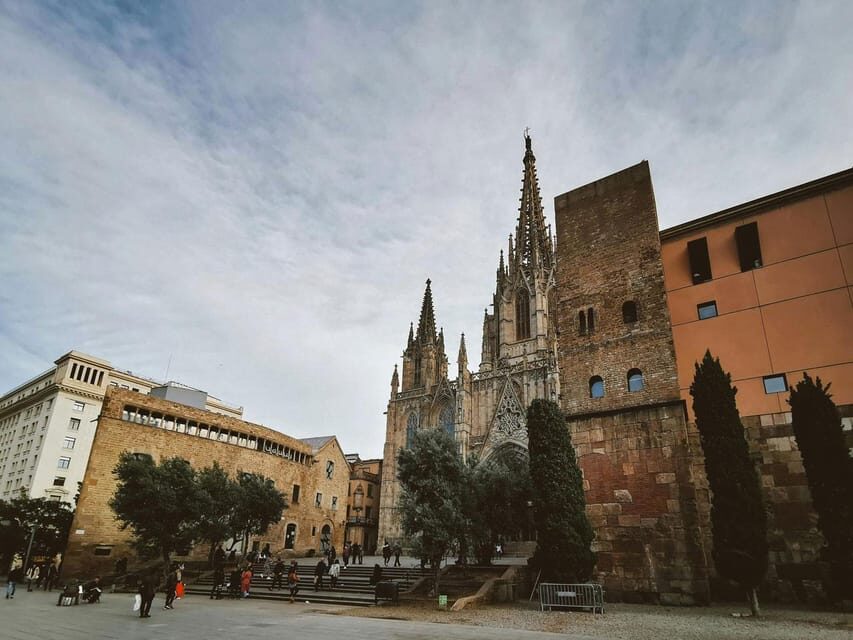
Next comes the Borne Market, a stop designed to remind you that history isn’t only stone buildings. Markets are about movement, trade, and daily routines, and the Gothic Quarter isn’t a theme park. It’s a working part of the city.
Then you shift to Fossar de Les Moreres, a memorial connected to Barcelona’s fallen defenders. This stop changes the energy of the walk in a good way. It’s the kind of moment that adds weight to the Gothic Quarter beyond pretty facades.
What I like about including a memorial site in a walking tour is that the guide can explain context in plain terms—who the defenders were, why this place matters, and how the city remembers. If you tend to skim over somber history when sightseeing on your own, a guided stop like this helps you slow down without dragging the whole tour.
Santa María del Mar: when architecture becomes personal
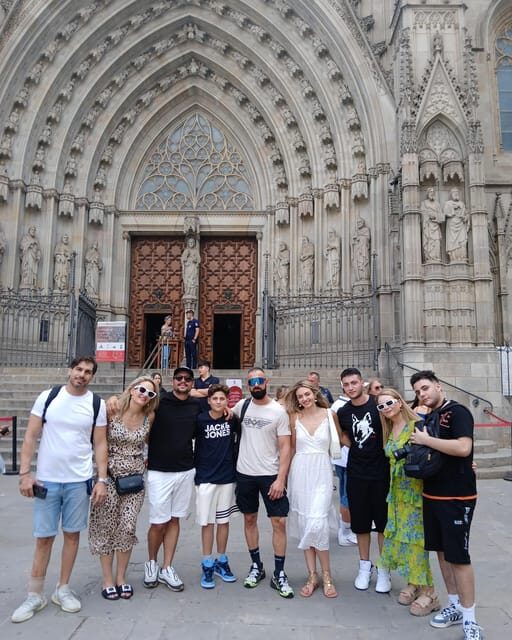
At Santa María del Mar, the tour goes from street-level storytelling to a major architectural moment. This is one of those churches that you can feel even when you’re not an architecture expert. The guide’s job here is to point out what makes it distinctive and why people have cared about it for centuries.
I especially like how the tour frames the church as a central piece of the Gothic Quarter rather than a standalone photo stop. You’ll get a clearer sense of what’s around it and why its setting matters.
Even if you’ve seen church interiors elsewhere in Europe, this stop can still surprise you because the guide connects style with local life. You start to understand how a building like this fits into the neighborhood’s identity—socially and historically.
You can also read our reviews of more private tours in Barcelona




Roman Wall to King’s Square: see medieval Barcelona take shape
After Santa María del Mar, you walk along the Roman Wall and then into King’s Square. This is where the “layers” idea stops being a slogan and becomes visible in front of your eyes.
The Roman Wall gives you the backbone. Then King’s Square helps you see how later Barcelona organized public space around power, civic life, and everyday movement. When you walk through these transitions with a guide, it’s easier to notice what changed—street layout, the feel of the space, and the kinds of buildings you encounter.
In a private format, you can linger without losing the group rhythm. If a detail catches your eye, you can ask about it and keep going when you’re ready. That flexibility is a real quality-of-life feature in a dense area like this.
Temple of Augustus and Sant Felipe Neri Square
The tour then heads to the Temple of Augustus, a standout reminder of the city’s Roman roots. It’s the kind of stop that benefits from a guide’s interpretation, because even if you know it’s Roman, you might not know what you’re looking at or why that site mattered.
Right after, you’ll visit Sant Felipe Neri Square, a quieter pause in the itinerary. A square like this works well in a walking tour because it gives your legs a break and gives your brain time to absorb what you’ve already learned. The guide will share more recent, poignant stories of Barcelona in this space, which helps balance the Roman and medieval emphasis.
If you want a tour that’s mostly about stones and dates, this still delivers. But it also gives you the human angle, which is what keeps a guided walk from feeling like a history lecture.
The Call (Jewish Quarter) streets and Sant Jaume Square politics
Next comes The Call, Barcelona’s historic Jewish Quarter. Walking through these streets with context can change how you experience them. You’re not just passing alleyways; you’re seeing a neighborhood with its own identity and history.
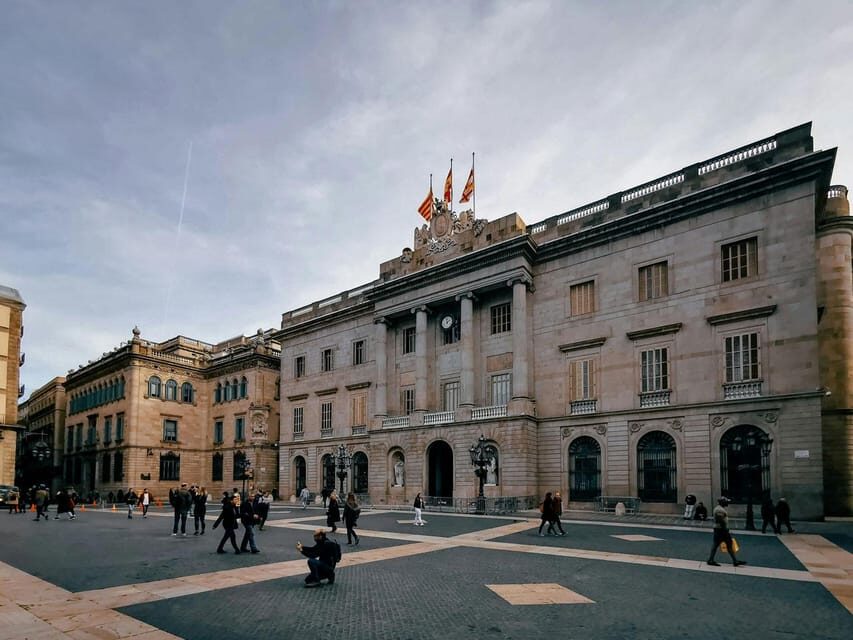
Then you reach Sant Jaume Square, the political heart of Barcelona. This stop tends to land well because it shifts you from community and culture to governance and public authority. The guide’s narration helps you connect why these spaces matter and how they function in the city’s story.
I like that the tour doesn’t treat the Gothic Quarter as one uniform period. Instead, it moves from Roman traces, to medieval civic life, to the cultural memory of The Call, and then to the political core. You end up with a more accurate sense of how Barcelona actually evolved.
Sant Miquel Square wrap-up and what to do after
The tour finishes at Sant Miquel Square, and you’ll come back to the meeting area. By the end, you should feel oriented in the neighborhood, not just tired from walking.
A good finishing square matters because it gives you a place to look around and make sense of your route. If you want to keep exploring, use this moment to choose a direction rather than wandering blindly. You can also grab a snack or drink afterward since food isn’t included.
If you’re the type who likes to keep momentum, the tour is short enough to let you plan the rest of your day without stress. Just remember: the Gothic Quarter’s surfaces and stairs are part of the experience, so plan a comfortable follow-up stop, not a sprint to your next reservation.
Price, pacing, and who this tour fits best
This tour costs $57 per person and runs 2.5 hours. That price feels reasonable when you compare what you’re getting: a private guide, a structured route through multiple major sites, and the option to customize the itinerary to your interests and even your physical abilities.
Pacing is described as flexible and relaxed, which I think is key in the Gothic Quarter. It’s not a place where “move fast” works well. Narrow streets, uneven ground, and frequent visual details reward a slower rhythm.
You’ll enjoy this most if:
- you want a guided timeline through Roman and medieval Barcelona without building a route yourself
- you like asking questions and getting answers in real time
- you’re comfortable with walking on cobblestones and historic streets
- you value a private group setting more than a low-cost group tour
It might be less ideal if you need very flat, step-free routes. The tour is listed as wheelchair accessible, but the area’s historic nature means some spots may still be challenging. Tell the operator about mobility concerns ahead of time so the guide can tailor the walk.
Practical tips so your walk stays fun
Here are the small things that make a big difference:
- Wear comfortable shoes. Cobblestones and stairs are part of the deal.
- The tour runs rain or shine, so bring a rain layer if the forecast looks shaky.
- Some areas have limited shade. A hat, sunscreen, and water help, especially in warmer weather.
- Languages offered are English, Greek, and Spanish, so you can pick what’s easiest for you.
Also, because this is a walking tour and food/drinks aren’t included, I recommend eating before you start. Then you can enjoy the stops without thinking about where you’ll find lunch mid-tour.
What it feels like with a guide like Sebastian
One of the strongest details in the reviews is the guide experience. When the guide has energy and a sense of humor, the Gothic Quarter stops feeling like a checklist and starts feeling like a story you can walk through.
My takeaway: a private tour works best when the guide is comfortable bouncing between big historical points and smaller human moments. This tour is set up for that. You’re given major stops—Roman aqueduct remains, Santa María del Mar, Temple of Augustus, Sant Jaume Square—but you’re also given room for anecdotes and explanations that connect the sites to the city’s life.
If you want history with personality, this format tends to deliver.
Should you book this Barcelona Gothic Quarter Gems private walking tour?
Book it if you want a 2.5-hour, private way to see the Gothic Quarter’s main chapters without doing heavy planning. It’s especially good for first-time visitors who want Roman ruins plus medieval squares plus a church stop that actually matters—wrapped into one coherent walk.
Skip it or approach carefully if stairs and uneven cobblestones are a major issue for you. Even with wheelchair access mentioned, historic streets can still be difficult. In that case, ask for customization based on your needs before you go.
Overall, I’d call this a smart value choice for people who like guided context and don’t want their day swallowed by transit or museum logistics.
FAQ
How long is the Barcelona Gothic Quarter Gems private walking tour?
The tour lasts 2.5 hours.
What is the price per person?
The price is $57 per person.
Where does the tour start?
It starts outside Café Zurich.
Where does the tour end?
The tour ends back at the meeting point.
Is this a private group tour?
Yes, it’s a private group.
What languages are available for the live guide?
The guide is available in English, Greek, and Spanish.
Is the tour wheelchair accessible?
The tour is listed as wheelchair accessible, but the Gothic Quarter streets may still be challenging because of historic uneven surfaces and stairs.
Does the tour include food or drinks?
No, food or drinks are not included.
Does the tour run in bad weather?
The tour operates rain or shine.
Is the itinerary customizable for my interests?
Yes. The tour is tailored to your interests, and the itinerary can be customized to accommodate your preferences and physical abilities.
Is museum entry included?
The tour notes that there are no extra fees for museums.