REVIEW · BARCELONA
Barcelona: Marvels of Barcelona Walking Tour
Book on GetYourGuide →Operated by Tipsy Tours · Bookable on GetYourGuide
Barcelona’s Gothic Quarter has a live soundtrack. This walking tour strings together the city’s layers, from early Roman traces to medieval corners, with a local guide who connects what you see to why it matters. I love the way it covers Barcelona Cathedral-area highlights without turning into a checklist, and I also like the focus on 2,000 years of the city’s backstory along the way.
What really pulls it together is the expert guide and the fact that you’re on foot, moving between squares, lanes, and stops where history feels close enough to touch. You’ll hit major named places like Plàça Sant Felip Neri and Basilica de Santa Maria del Mar from the outside, plus quieter bits that you might miss on your own. One possible drawback: entry to cathedrals and basilicas is not included, so if you want inside time, you’ll need to plan that separately.
Here’s what I’d tell you before you book.
In This Review
- Key takeaways before you go
- Why this 2-hour Barcino to Gothic Quarter walk works
- Price and value: what $22 buys in real sightseeing time
- Where to start at Plaça Nova (and how to spot your guide)
- The route, explained: stop by stop through medieval Barcelona
- Stop 1: Escultura Barcino (Barcino Sculpture)
- Stop 2: Els Quatre Gats
- Stop 3: The Kiss Of Freedom
- Stop 4: Barcelona Cathedral
- Stop 5: La Casa de l’Ardiaca
- Stop 6: Carrer del Bisbe
- Stop 7: Placa Sant Felip Neri
- Stop 8: MUHBA El Call
- Stop 9: Plaça de Sant Jaume
- Stop 10: Plaça del Rei
- Stop 11: Plaça de l’Àngel
- Stop 12: Plaça de Santa Maria
- What the guide brings: humor, questions, and momentum
- Practical expectations: what you’ll actually see and feel
- Who should book this walk (and who might not)
- Should you book the Marvels of Barcelona Walking Tour?
- FAQ
- How much does the Barcelona walking tour cost?
- How long is the tour?
- Where do I meet the guide?
- What language is the tour in?
- What is included in the tour price?
- Is entry into cathedrals and basilicas included?
- What is the cancellation window?
Key takeaways before you go
- English live guide who tells the story as you walk, not in a lecture hall
- Gothic Quarter routing built around squares and medieval streets, not random photo stops
- Roman-to-medieval sweep that helps you understand Catalan culture and tradition
- Stop-and-story pacing, with many sights covered in short guided segments
- Cathedral and basilica entry not included, so you’ll be mostly outside at these stops
- Two-hour format that’s easier to fit than a full-day plan
Why this 2-hour Barcino to Gothic Quarter walk works
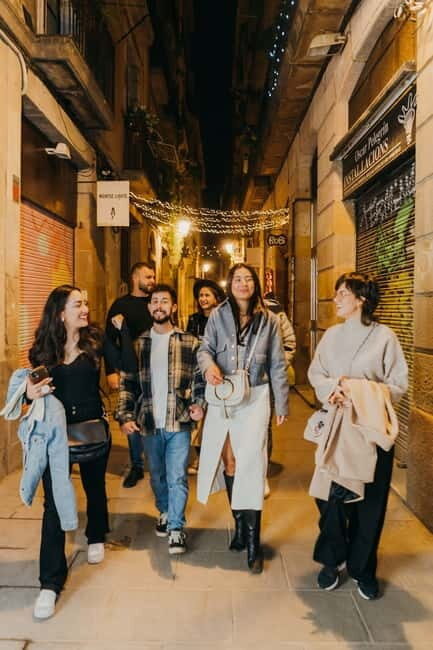
Barcelona’s old town can feel like a maze until someone gives it a map made of stories. This tour does that. You start near the Plaça Nova area, where the city’s Roman roots get a visual anchor, and then you follow the thread toward medieval Barcelona, one square and street at a time.
I like that the pace stays manageable: you’re not stuck in one place for ages, but you’re also not rushed like you’re being herded from landmark to landmark. With a local guide in English, you get context as you pass each site, which helps you notice details instead of just snapping photos.
And yes, it’s a great way to meet other visitors without the awkwardness of a giant group. Several people highlight how the guide’s energy makes the tour feel friendly, like you’re hanging out while learning. If you enjoy asking questions on the spot, this format tends to reward you.
You can also read our reviews of more walking tours in Barcelona



Price and value: what $22 buys in real sightseeing time
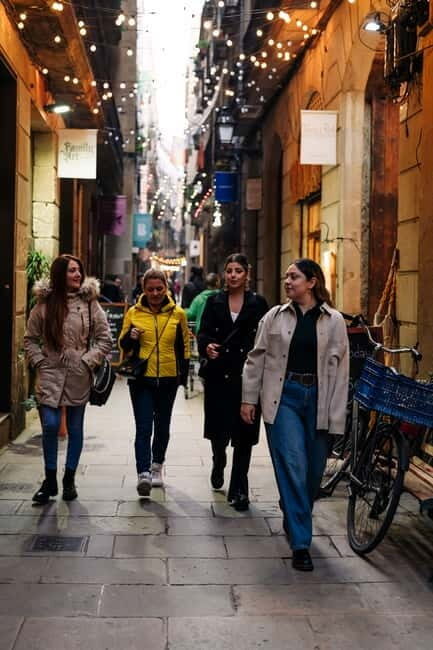
At about $22 per person for a 2-hour walking tour with a live guide, the value is in two things: time efficiency and interpretation. Barcelona is packed with impressive sights, but without context, a lot of it can blur together fast. Paying for a guide here is less about getting into one big ticketed monument and more about getting the meaning behind the places you’re seeing.
Keep your expectations calibrated: the tour includes the guide, but it does not include entry into cathedrals and basilicas. That means you’re paying for the route and the stories, not for inside visits. If you want to go inside major churches, you may end up spending extra time (and possibly money) after the tour.
That said, you’ll still get excellent exterior views and the historical framing that makes those facades and squares click in your head. For many first-time visitors, that’s exactly what you want.
Where to start at Plaça Nova (and how to spot your guide)
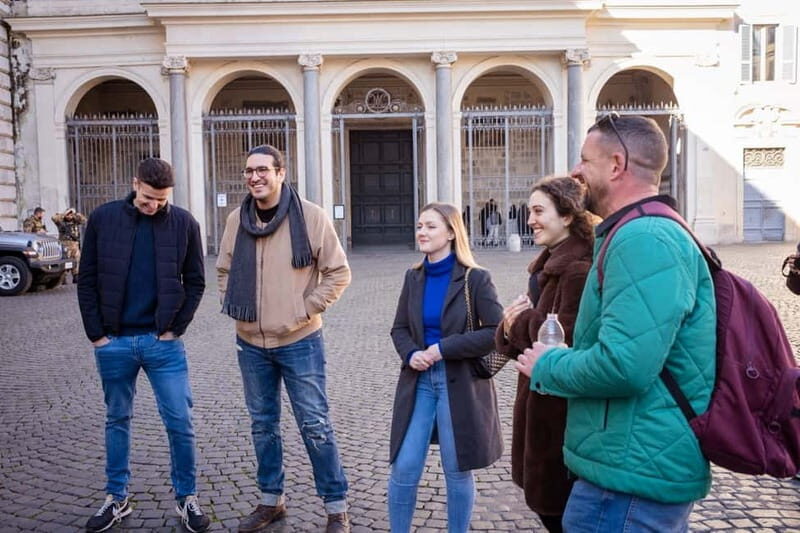
Meet at Plaça Nova, 40, right in front of the sculpture with the large letters Barcino. Your guide holds a yellow Carpe Diem Tours sign, which makes the meeting point much easier to identify than the average street-corner meetup.
This matters because the tour is compact. If you’re even a little late, you could miss the opening context that sets up the whole walk. Give yourself time to get there, check the surroundings, and settle before you start moving.
The tour ends back at the same meeting point area, so you’re not left trying to figure out how to get home after your final stop.
The route, explained: stop by stop through medieval Barcelona
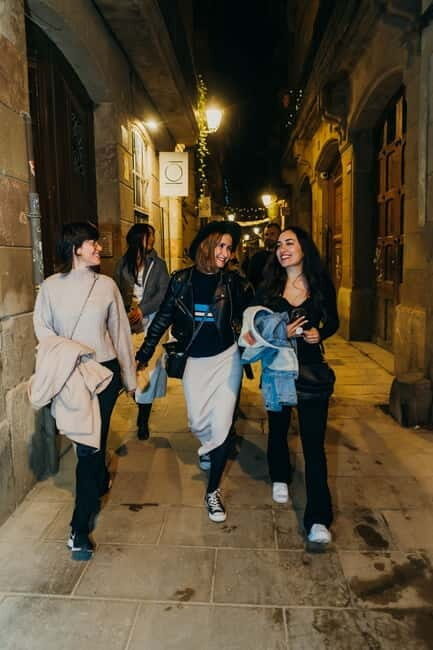
Think of the itinerary as a guided line through the old city’s key neighborhoods and civic landmarks. Many stops are short, around 10 minutes each, which is perfect when your goal is to see and understand a lot without burning out.
Stop 1: Escultura Barcino (Barcino Sculpture)
You kick off at the Barcino Sculpture, which is a smart way to set the tone. Barcelona didn’t start as the Gothic Quarter you picture today, and the guide’s first job is to help you see the continuity from Roman times onward.
Why it’s worth your attention: when you start here, later medieval streets and squares feel less random. You’ll have a reference point for how the city evolved instead of feeling like you’re just walking through scenery.




Stop 2: Els Quatre Gats
From there, you head toward Els Quatre Gats, a place tied to Barcelona’s creative spirit. Even if you don’t know the name yet, you’ll learn what makes it historically meaningful as a cultural stop in the city’s story.
The practical takeaway: this is a good moment to reset your eyes from architecture to human history. You start noticing how artistic life and public life meet in the streets.
Stop 3: The Kiss Of Freedom
Then comes The Kiss Of Freedom, another stop that works as a conversation starter. It shifts the walk into moments that shaped public identity and memory, not just building design.
If you’re into symbolism, this stop is the kind that makes you look twice at a spot you might otherwise ignore. It also helps the tour feel less like stone facts and more like lived history.
Stop 4: Barcelona Cathedral
Next, you’re at Barcelona Cathedral, and this is where your brain starts connecting the dots between gothic architecture and civic power. Even without entry included, the exterior and the surrounding streets give you enough visual material for the guide to explain the why behind the grandeur.
Heads-up: because entry is not included, you won’t go inside as part of this tour. If a cathedral interior is a must for you, plan to add that on your own schedule afterward.
Stop 5: La Casa de l’Ardiaca
You continue to La Casa de l’Ardiaca, a stop that helps you broaden beyond only the biggest names. Buildings like this often explain how the old city was organized at the street level, not just how it looked from a distance.
Why it’s valuable: you get a better sense of how Barcelona worked day to day in earlier centuries, not only how power was displayed.
Stop 6: Carrer del Bisbe
Then you’re on Carrer del Bisbe, the kind of street that instantly feels like it should come with footnotes. The guide uses places like this to connect history to the physical layout, showing you how narrow medieval streets carry stories.
This is one of those stretches where a good guide can make you slow down. If you’re the type who normally walks fast to cover ground, this stop is a reminder to look at the street itself.
Stop 7: Placa Sant Felip Neri
At Plàça Sant Felip Neri, you get a change of pace. Squares are where Barcelona’s old quarters breathe, and the guided story here helps you understand why these public spaces mattered.
Practical tip from the tour style: these short square stops keep you from getting overwhelmed by constant movement. You’ll get a mini-history break that also gives you a chance to catch your breath.
Stop 8: MUHBA El Call
Next is MUHBA El Call, tied to Barcelona’s Jewish quarter history. This stop is important because it adds a full chapter to the story beyond rulers and churches.
Why it matters for your understanding: Barcelona isn’t only medieval Catholic heritage. It’s also layered with other communities, changes, and cultural shifts that shaped the city.
Because entry details for this specific stop aren’t spelled out beyond a guided visit, treat it as part of the tour’s story stops and be prepared that you may see more from the guide’s orientation than from an extended interior program.
Stop 9: Plaça de Sant Jaume
You then reach Plaça de Sant Jaume, a major civic square. This is where the walk starts to feel like you’re moving through the city’s governance and public life.
If you like political history, this is a great place to pay attention to how the space is arranged. Squares like this weren’t just pretty—they were where people witnessed power.
Stop 10: Plaça del Rei
From there, you’re at Plaça del Rei. The guide’s job here is to help you visualize the city’s power center in earlier times, and how that connects to what you see around you now.
Even if you’re not a die-hard history person, these stops help you make sense of why the city’s layout looks the way it does.
Stop 11: Plaça de l’Àngel
At Plàça de l’Àngel, the tour keeps shifting between architecture and story. This is the kind of square where you’ll likely notice how the city funnels movement, and why these pocket spaces matter for street life.
The practical value: stops like this make the tour feel like a guided walk through a real neighborhood, not a staged museum route.
Stop 12: Plaça de Santa Maria
You finish at Plaça de Santa Maria, 1. This concluding stop wraps the walk back toward the church-and-square world that defines much of the Gothic Quarter.
Because the tour returns to the meeting point, the end feels easy to manage. You’ve got a neat circle: you start with a Roman anchor, then gradually shift into medieval identity, and you leave with a clearer picture of how the city became what you’re seeing today.
What the guide brings: humor, questions, and momentum
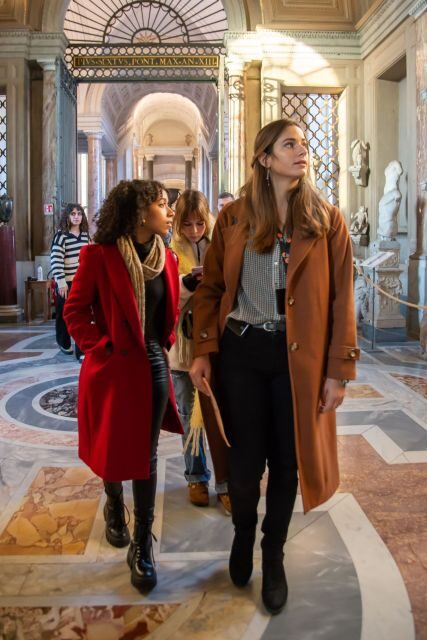
The guide is the heart of this experience. Many people specifically mention a guide with an awesome personality—smart, funny, kind, and enthusiastic. One name that comes up in feedback is Mariah, described as humorous and very enthusiastic while still explaining things clearly.
That combination matters. Great tours don’t just recite facts; they create momentum. When your guide keeps the energy up and invites questions, you end up absorbing more because you’re mentally involved, not just listening.
Also, this tour gives you frequent chances to react. You’ll see a sight, get context, then move on quickly. That rhythm helps you stay engaged without feeling like the walk is a long, straight lecture.
Practical expectations: what you’ll actually see and feel
This is a walking tour of older neighborhoods, meaning you should dress for walking and bring a little flexibility. Many stops are brief, so you won’t get a slow, linger-in-one-place vibe at every stop. You’re here for an effective route and interpretation that connects the dots.
Also, since cathedral and basilica entry isn’t included, you should think in terms of exterior views plus guided explanation. If you want inside moments, treat the tour as the story-builder and then decide later what you’d like to pay to enter.
The upside: you save time and you’re free to choose what to do next after you finish.
Who should book this walk (and who might not)
Book this tour if:
- You want an easy first introduction to the Gothic Quarter.
- You like history that explains the street layout, not just the name of the building.
- You want a short, guided format that fits well into a busy Barcelona day.
You might skip it if:
- You mainly care about spending long periods inside major monuments.
- You hate walking in the city center and would rather sit through a longer museum visit.
If you’re traveling solo or as a couple, the format also works well. The walk keeps you moving, and the group feel tends to stay friendly, based on what people emphasize.
Should you book the Marvels of Barcelona Walking Tour?

If you want the old city to make sense fast, I’d recommend booking. The route hits big names like Barcelona Cathedral and key squares such as Plaça de Sant Jaume and Plaça del Rei, but it also includes stops that add texture, like Els Quatre Gats, The Kiss Of Freedom, and MUHBA El Call.
The best part is the balance: you get stories, not just scenery. The main thing to remember is that you’re buying guidance and context, not guaranteed cathedral-and-basilica entry.
If you’re okay handling any inside visits on your own later, this is a solid way to understand Barcelona’s past and enjoy its present at street level.
FAQ
How much does the Barcelona walking tour cost?
The price is $22 per person.
How long is the tour?
It runs for 2 hours.
Where do I meet the guide?
Meet at Plaça Nova, 40, in front of the sculpture with large letters Barcino, and look for the guide holding a yellow Carpe Diem Tours sign.
What language is the tour in?
The tour is in English.
What is included in the tour price?
The tour includes a guide.
Is entry into cathedrals and basilicas included?
No. Entry is not included.
What is the cancellation window?
You can cancel up to 24 hours in advance for a full refund.