REVIEW · BARCELONA
Barcelona Old Town Private Walking Tour with Local Historian
Book on GetYourGuide →Operated by Guide Me Barcelona Tours | Private & Premium Small Group Experiences with Local Experts · Bookable on GetYourGuide
You start walking, and Barcelona starts explaining itself. This private Old Town tour strings together Roman remains, medieval streets, and everyday neighborhood life with a story-first local historian. People especially praise guides like Inez and Alessandro for staying patient and connecting the dots between archaeology, art, and cultural heritage without rushing you.
Two things I really like: the relaxed pace for a private group, and the way the guide keeps the story clear even when the streets turn into a maze. One thing to consider: the tour is exterior-only, so if you’re hoping to go inside major sights with tickets, you’ll need to plan a separate stop.
In This Review
- Key highlights worth marking on your mental map
- Plaça Nova 40: where the Roman wall starts the story
- Why this start is smart
- From Palau de la Música to Santa Caterina: architecture meets daily life
- The practical upside
- Santa Maria del Mar and the feel of medieval Barcelona
- What to watch for
- Barri de la Ribera and El Born: cobblestones, plazas, and craft culture
- Plaça Sant Jaume and the Gothic Quarter: politics and poetry in stone
- Why I’d pick this guided route over wandering
- Temple of Augustus and the Ancient Synagogue: two histories close together
- The caution (and why it’s okay)
- Placa Sant Felip Neri and the Gaudí-linked details you’ll miss alone
- La Rambla and the finish at Plaça Reial: end in motion, not in confusion
- A small practical tip
- Price and value: why $191 can make sense for this specific format
- Who this tour suits best (and who should plan differently)
- Should you book this private Old Town historian walk?
- FAQ
- How long is the Barcelona Old Town private walking tour?
- Where does the tour start?
- Is this a private tour and how big is the group?
- Do I need tickets to attractions?
- Which neighborhoods and landmarks will we see?
- What languages are available for the live guide?
- Is the tour wheelchair accessible?
- What should I bring?
- Can I cancel, and is there flexible payment?
Key highlights worth marking on your mental map
- Private, story-driven route through the Gothic Quarter and El Born at a slow walk pace
- Roman-to-medieval connections, including stops tied to the Temple of Augustus and the Roman wall area
- Santa Maria del Mar area visits outside, plus medieval plazas that help you understand the Old Town rhythm
- Jewish Quarter atmosphere, with the Ancient Synagogue stop handled with context
- Gaudí-linked details your guide points out along the way (small, easy-to-miss things)
- 3 km total (about 1.8 miles), so it feels like sightseeing, not a workout
Plaça Nova 40: where the Roman wall starts the story
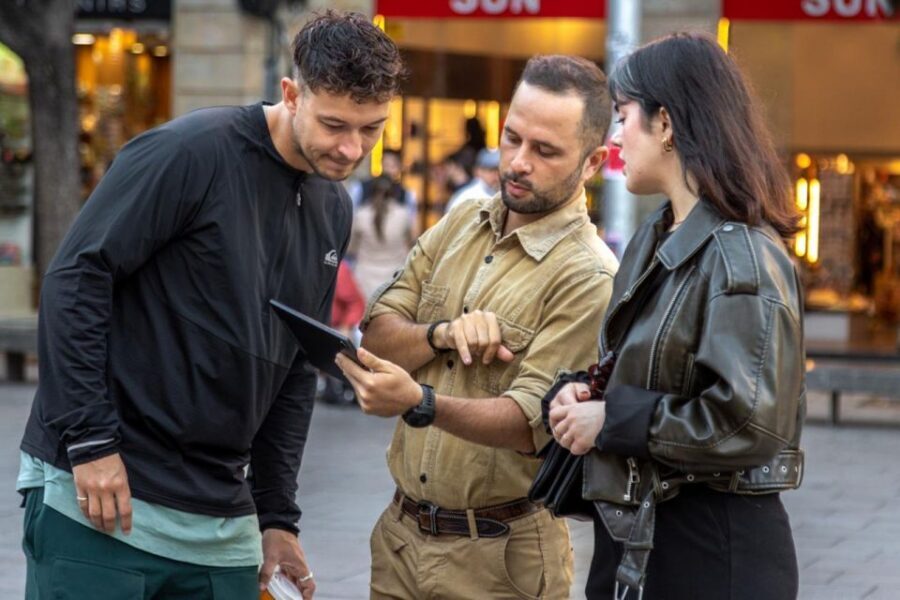
Your tour begins at Plaça Nova, 40, at the sculpture named Barcino, positioned in front of the Roman wall area near the aqueduct. That first moment matters more than it sounds. Barcelona’s Old Town is famous for looking “old,” but this start gives you a framework: you’ll understand what was here before the Gothic Quarter even existed.
From there, your guide sets expectations in plain language and then ties each next stop back to the bigger picture. You don’t just see sights—you learn why they’re in the places they are.
You’ll also pass the historic square area around Plaça Nova, which works well as an orientation point. If you’ve arrived in Barcelona feeling a little turned around, this early start helps you get your bearings fast.
You can also read our reviews of more walking tours in Barcelona



Why this start is smart
Roman Barcelona isn’t a single monument you can check off. It’s a whole layer underneath streets you’ll walk later. Starting at Barcino means your guide can point out how later neighborhoods took shape, instead of treating Roman history like a separate lesson.
From Palau de la Música to Santa Caterina: architecture meets daily life
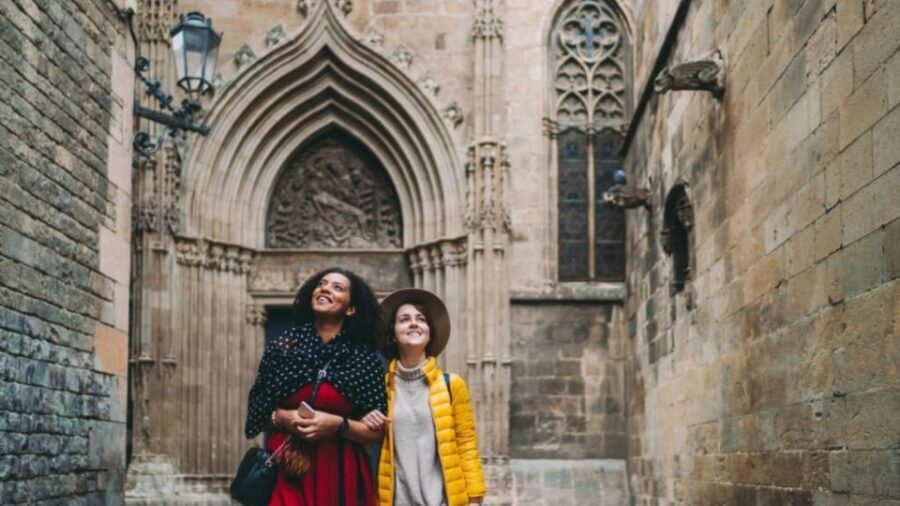
Next comes a classic visual win: the Palace of Catalan Music (Palau de la Música Catalana). Even with exterior-only viewing, this stop gives you instant context for Catalan identity—because the building’s presence feels like a statement, not just an old facade.
Then you shift from monumental architecture to local life with Santa Caterina Market. Markets are one of the best places to learn how a city actually works. Even if you don’t go inside for a food crawl, the guide can show you how this part of town fits into the Old Town’s pattern of movement and neighborhood character.
The practical upside
This “big building, then market” sequence helps you pace your brain. A private guide can slow down when you want photos, and speed up when you don’t. Either way, you keep moving through the Old Town’s layers without feeling like you’re stuck in one lane for three hours.
Santa Maria del Mar and the feel of medieval Barcelona
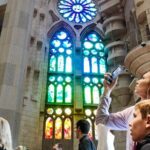
As you continue, you reach St. Mary of the Sea Cathedral (Santa Maria del Mar). Seeing it from the outside is still worthwhile here. The guide uses this stop to explain how medieval life—and the kinds of communities that built these places—shaped the street environment around them.
This is also where the tour’s “story clarity” really pays off. You start noticing how plazas, church-adjacent spaces, and narrow streets work together. The city stops looking random.
You can also read our reviews of more private tours in Barcelona




What to watch for
Pay attention to the way the streets open into small squares and then tighten again. Your guide uses those transitions to show you the logic of old urban design, which is the difference between walking landmarks and understanding a neighborhood.
Barri de la Ribera and El Born: cobblestones, plazas, and craft culture
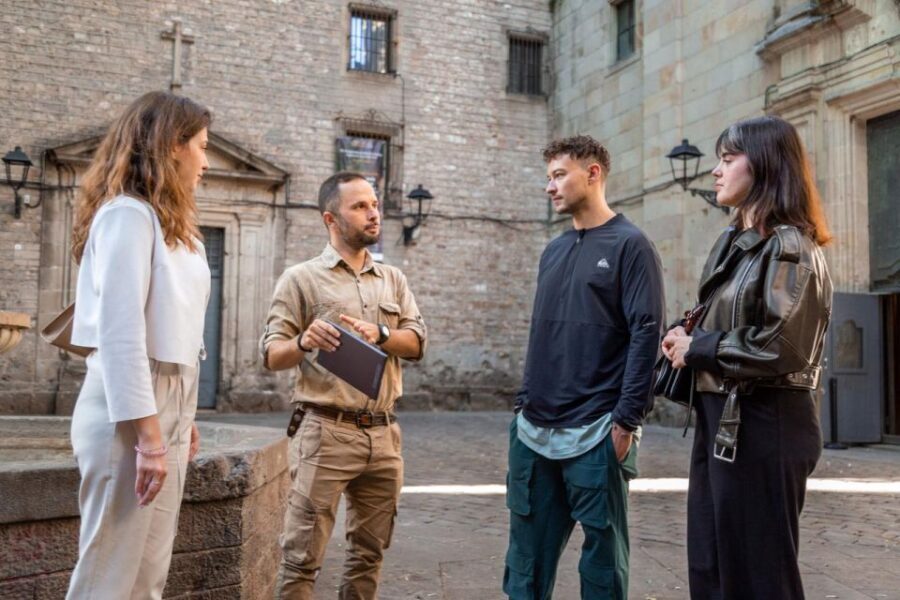
Moving into Barri de La Ribera and then El Born, you’ll walk the kind of streets that look like they were designed for wandering. These areas are great for photos, yes—but more importantly, they let you experience the Old Town like a local.
Expect narrow lanes, small plazas, and the sense that people live here, shop here, and move through these streets every day. Your guide also points out artisan-shop details and small urban moments that you’d likely miss on your own.
El Born is one of those neighborhoods where “medieval” isn’t a costume. It’s the framework that still shapes how the area feels today.
Plaça Sant Jaume and the Gothic Quarter: politics and poetry in stone
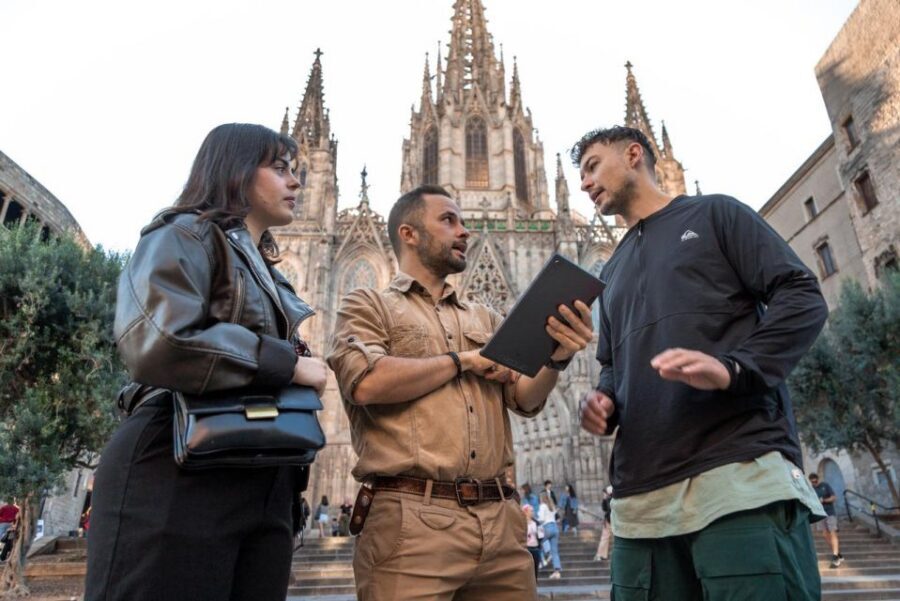
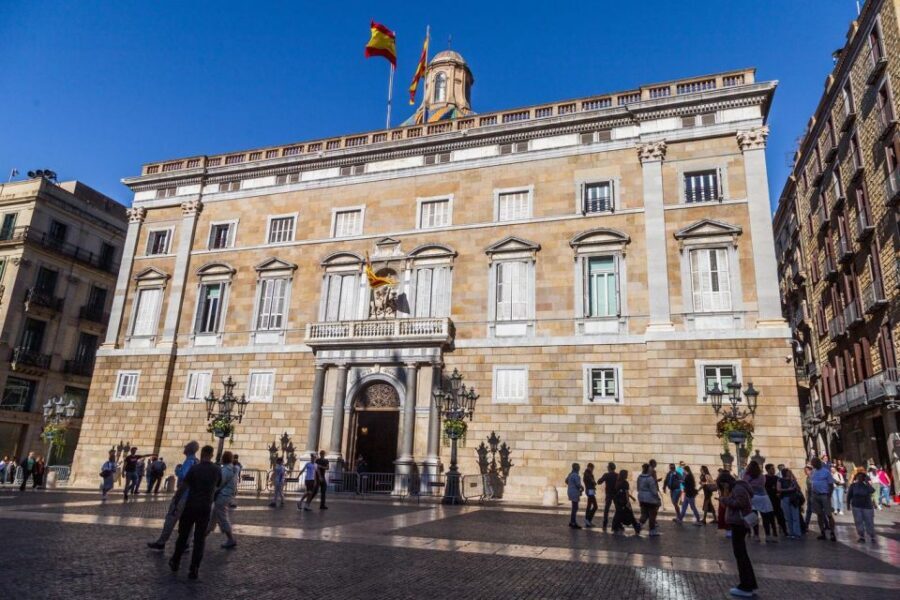
Then you hit Plaça Sant Jaume, a key square in the Old Town. When a guide brings context to a place like this, the square stops being just a photo backdrop. It becomes a reference point for power, civic identity, and the way major events shaped everyday streets.
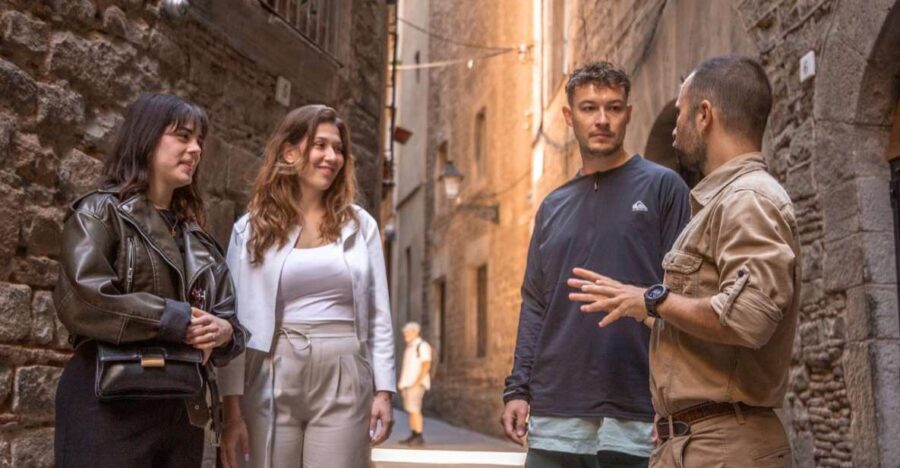
After that, you walk into the Gothic Quarter, one of Barcelona’s most famous maze-like districts. This is where the private format helps a lot. A licensed local historian can steer you through the twists while explaining what you’re looking at—and why those buildings and street alignments matter.
Why I’d pick this guided route over wandering
On your own, it’s easy to treat the Gothic Quarter like a set of pretty corners. With a good guide, it turns into a map of meaning. You understand how the Old Town evolved instead of just collecting impressions.
This portion is also where guides such as Inez and Alessandro are particularly praised—people highlight how patient they are when groups slow down, ask questions, or pause to take in details.
Temple of Augustus and the Ancient Synagogue: two histories close together
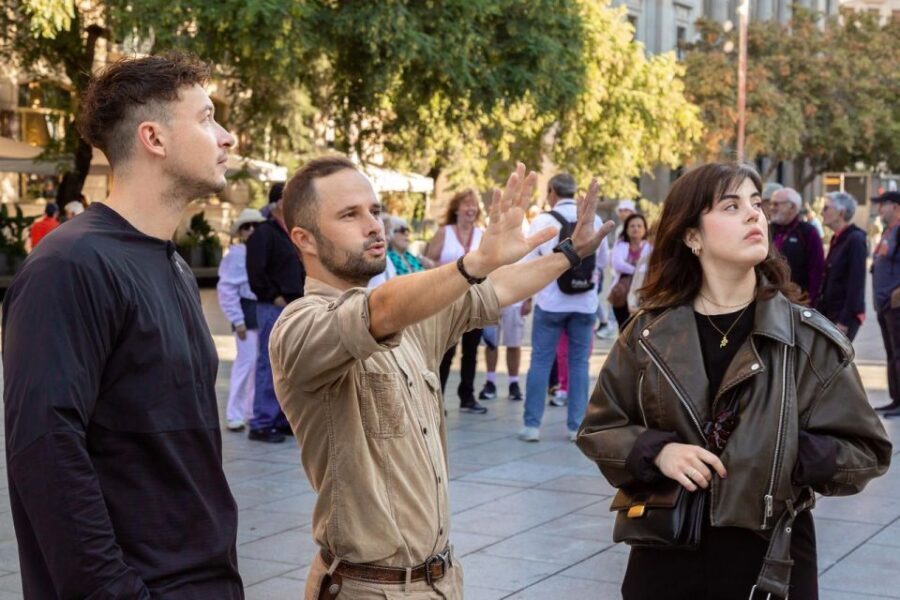
Next up is the Temple of Augustus stop. Even when you’re not going inside, connecting this name to the Roman layer helps you feel the continuity of the city. Your guide can explain how Roman Barcelona contributed to the shape of what came later.
Then comes the emotional and historical core of the route: the Ancient Synagogue stop and the atmosphere of the Jewish neighborhood area. The guide handles this with a focus on place and context, so it doesn’t become a quick “check-this-out” moment.
In a city where many layers overlap, this stop helps you see that the Old Town isn’t one story. It’s multiple stories stacked, and the streets are the evidence.
The caution (and why it’s okay)
This part of town is full of walking. If you’re sensitive to crowded spaces at peak hours, you might want to keep your expectations realistic. A slow-paced private tour helps, but you’re still in the core of the city.
Placa Sant Felip Neri and the Gaudí-linked details you’ll miss alone

One of the most charming stops is Placa Sant Felip Neri. Small squares like this are often the difference between a tour that feels like sightseeing and one that feels like you’re learning the neighborhood’s personality.
Your guide also weaves in small Antoni Gaudí-linked details that you’re unlikely to notice without direction. The goal isn’t to turn it into a Gaudí tour. It’s to show how creative thinking shows up even inside “older” streets.
This is where the “hidden treasures” phrase makes sense, because you’ll usually find them in plain sight—if you know where to look.
La Rambla and the finish at Plaça Reial: end in motion, not in confusion
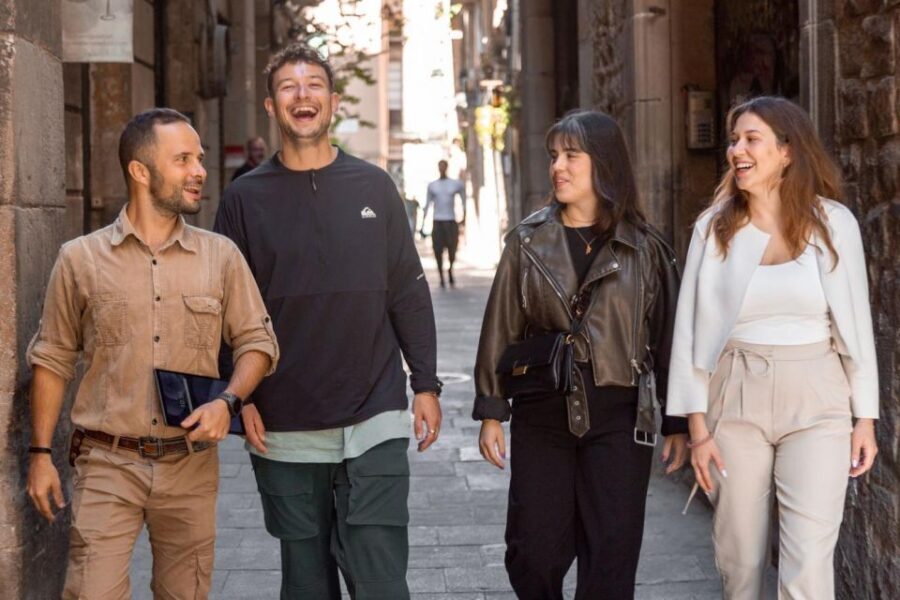
You’ll finish after walking toward La Rambla and then ending at Plaça Reial. This ending works because it transitions you from Old Town complexity into a more open, central area where you can reset and choose what comes next.
La Rambla is known for energy and street activity, so it’s a fitting last chapter. And Plaça Reial is a good place to land after three hours of learning—especially if you want to grab a coffee, dessert, or a drink and keep talking about what you just understood.
A small practical tip
Wear the comfortable shoes you planned to wear. The tour covers about 3 km (1.8 miles) at a slow pace, but your feet still do the real work while your brain soaks up stories.
Price and value: why $191 can make sense for this specific format
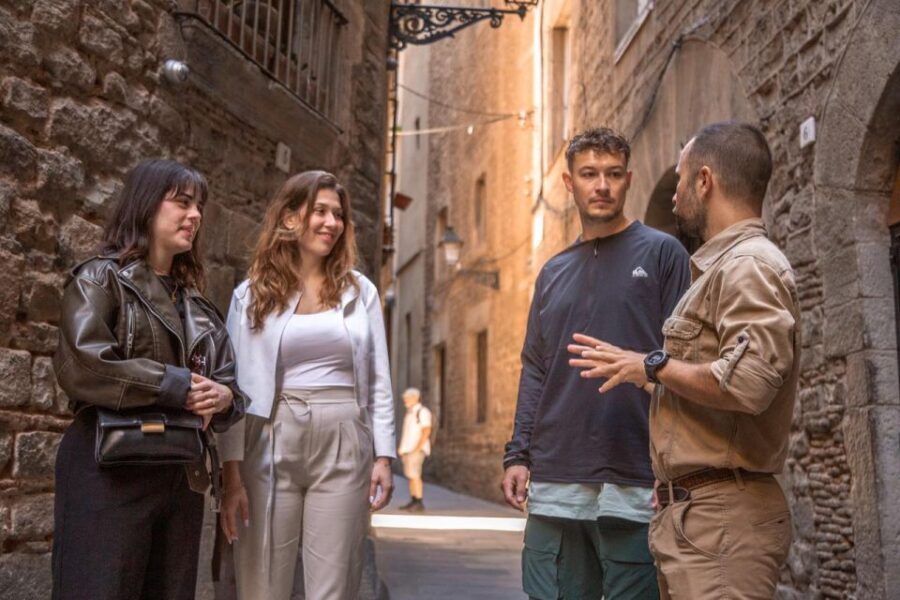
At $191 per person, this isn’t a budget stroll. But it’s also not “just someone walking you down streets.” You’re paying for a private local historian, a story-driven route, and a walk that stays slow and paced for questions.
Here’s the value math that matters:
- You avoid spending your limited energy trying to interpret what you’re seeing.
- You get context for Roman-to-medieval-to-neighborhood life in one route.
- The tour is exterior-only, meaning you don’t lose time hunting tickets or lines for interiors.
That exterior-only choice is a trade-off. The drawback is simple: you won’t get the full inside experience of major sites. If your top priority is entering churches or ticketed attractions, you may want this tour as the “understanding” layer, then follow up with a separate ticketed visit.
Who this tour suits best (and who should plan differently)
This tour is ideal if you want:
- A private group (maximum of 10) where you can move at a relaxed tempo
- A route that emphasizes clarity, not speed
- Walks through Gothic Quarter + El Born + Jewish neighborhood without the guesswork
It’s also a strong pick if you’ve been to Barcelona before and still feel like the Old Town was a blur. The way the guide connects layers helps you see the city differently, even if you recognize parts of the route.
If you hate walking, this might still be fine because it’s only around 3 km, but you’ll want to be realistic about cobblestones and old-street footing. And if you need interior access, plan to pair this with another activity.
Should you book this private Old Town historian walk?
I’d book it if you want your Barcelona Old Town to make sense fast—and you want it to feel calm while you learn. The strongest reason to choose this tour is the combination of story clarity and a low-stress pace with a guide who can connect Roman ruins, medieval streets, and the Jewish Quarter into one coherent walk.
I would reconsider if your priority is primarily ticketed interiors or museums. This route is built around exterior viewing, so think of it as your “how the city works” tour, then add on any inside visits separately.
If you’re the kind of traveler who likes a plan that still leaves room for questions, you’ll likely come away feeling like Barcelona’s Old Town is not just pretty—it’s readable.
FAQ
How long is the Barcelona Old Town private walking tour?
It lasts 3 hours, and the tour is slow-paced.
Where does the tour start?
You meet at Plaça Nova, 40, at the sculpture Barcino in front of the Roman wall area near the aqueduct.
Is this a private tour and how big is the group?
Yes. It’s a private group with a maximum of 10 participants.
Do I need tickets to attractions?
No. The tour is exterior visits, so tickets are not required for the stops.
Which neighborhoods and landmarks will we see?
You’ll walk through areas including the Gothic Quarter, El Born, and the Jewish Quarter, with stops at places such as Santa Maria del Mar, Temple of Augustus, and La Rambla.
What languages are available for the live guide?
The live guide operates in English, Spanish, and Greek.
Is the tour wheelchair accessible?
Yes, it’s listed as wheelchair accessible.
What should I bring?
Wear comfortable shoes since you’ll be walking about 3 km (1.8 miles).
Can I cancel, and is there flexible payment?
You get free cancellation up to 24 hours in advance for a full refund. You can also reserve now & pay later.