REVIEW · GIRONA
Costa Brava and Medieval Villages Small Group from Girona
Book on Viator →Operated by Girona Experience Tours · Bookable on Viator
A day like this works because it mixes coast and old stone towns. You get a small-group day that pairs Costa Brava viewpoints—like the Sant Sebastià lighthouse—with inland medieval villages such as Pals and Peratallada. I love that the pacing stays comfortable with time to walk and pause, and I also like the hands-on historical storytelling that connects what you see to how these places formed. One thing to consider: lunch isn’t included, and you’ll do a fair amount of walking on village streets and coastal paths.
This is built for people who want more than a quick sightseeing loop. You’ll start in Girona at 9:00 am, ride in an air-conditioned minivan, and finish back at the same meeting point. In the best runs, guides such as Pau, Dylan, or Claudia keep the day lively in English (and sometimes they flex smoothly for mixed language groups), while drivers like Alex or Carmen handle the route so you can focus on the scenery.
In This Review
- Key highlights to look forward to
- A small-group Costa Brava escape from Girona
- The 9:00 am start: Girona orientation before the coast
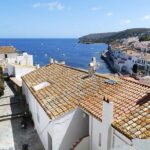
- Sant Sebastià lighthouse at Llafranc: the postcard view with a history angle
- Calella de Palafrugell to Llafranc: your best walking section on the coast
- Begur’s castle walk: Indiano houses and XVI-century defense feel
- Pals medieval quarter: El Pedró streets and the Tower of the Hours
- Peratallada’s walls and moat-like feel: medieval power made visible
- La Bisbal d’Empordà: pottery and ceramics for a local take-home moment
- Lunch reality: plan around it and you’ll enjoy the day more
- Price and value: is $175.36 worth it for 8 hours?
- Who this tour suits best
- Book it or skip it? My decision guide
- FAQ
- What time does the tour start from Girona?
- How long is the tour?
- Where do I meet the group?
- Is lunch included?
- Is the tour offered in English?
- How many people are in the group?
- Is transportation included?
- Is bottled water included?
- Are entrance tickets included?
- What are the cancellation rules?
Key highlights to look forward to
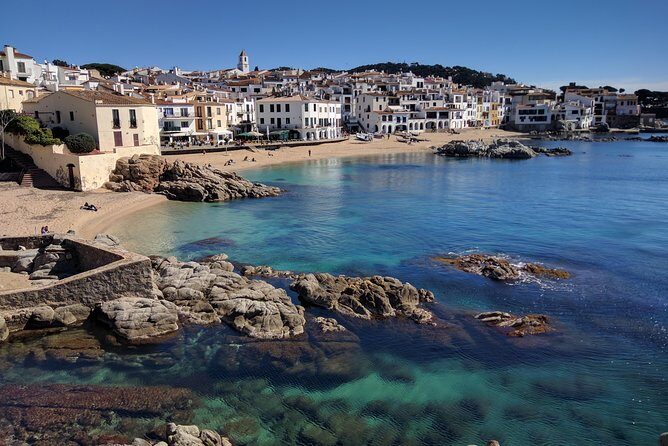
- Sant Sebastià lighthouse views over Llafranc and the Costa Brava coastline
- Scenic coastal walking from Calella de Palafrugell toward Llafranc along a marked path
- Begur’s XVI-century defensive story, including defensive towers and castle area sights
- Medieval quarter wandering in Pals, with stops tied to the El Pedró quarter and key buildings
- Peratallada’s intact fortifications, with walls, moat area features, and castle-palace surroundings
- La Bisbal d’Empordà pottery/ceramics shop stop for a hands-on local craft moment
A small-group Costa Brava escape from Girona
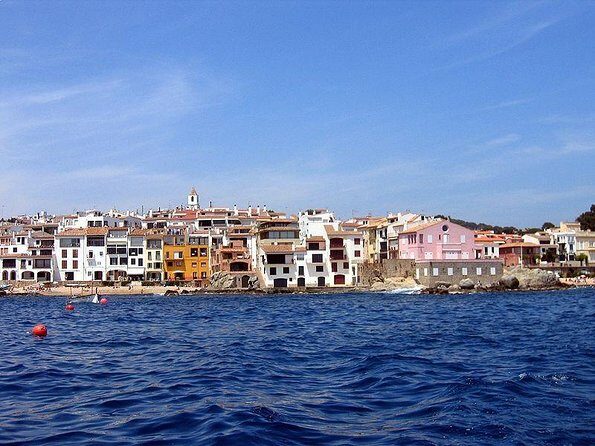
This trip is designed for one simple goal: get you out of Girona and into the Costa Brava’s classic mix of seaside beauty and medieval towns—without the stress of driving, parking, or switching between multiple local buses.
The small-group format matters. When you’re capped around 6–7 people, you’re more likely to get real attention from the guide: questions answered on the spot, directions repeated when needed, and more time spent actually looking at details instead of racing from one stop to the next.
You’ll also ride in an air-conditioned minivan, which is a quiet quality-of-life upgrade on a full day. Even if the coast is lovely, the Catalan summer sun can be intense, so having climate control for the transfers helps a lot.
You can also read our reviews of more tours and experiences in Girona.

The 9:00 am start: Girona orientation before the coast
You’ll meet at Plaça de Sant Feliu (17004 Girona) at 9:00 am, and the day wraps back at the same meeting point. Before you head to the coast, there’s a short orientation stop in Girona with the local guide team. Think of this as your “set your bearings” moment—when you learn what to look for as the day unfolds.
This little start matters more than it sounds. When you spend hours walking and stopping in towns that were shaped over centuries, it helps to know how to read the place: coastal defense logic, why certain medieval quarters developed where they did, and what to notice in the architecture.
If you’re the type who likes context, guides who have led past groups—like Pau, Claudia, or Dylan—are often praised for connecting the dots clearly in English, including switching to help mixed-language groups.
Sant Sebastià lighthouse at Llafranc: the postcard view with a history angle
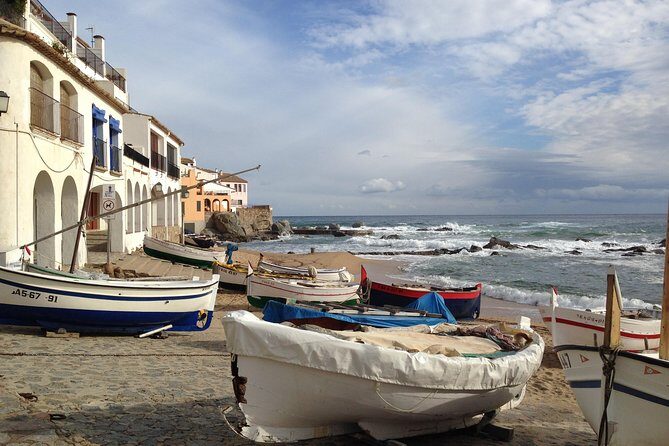
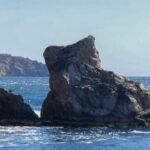
The first big scenery hit is Far de Sant Sebastià, the lighthouse at Sant Sebastià in Llafranc. This is one of those stops that works even if you’re not a lighthouse person.
You’ll have about 40 minutes here, which is long enough to do two things:
- look out across the coast at a comfortable pace
- get the historical framing so you understand why these vantage points mattered
What makes a lighthouse stop valuable is that it turns the coastline from “pretty view” into a lived landscape—navigation, defense, and how people monitored the sea. From this position, you can see why this stretch of the Costa Brava earned a reputation for drama, not just beauty.
Practical tip: bring sunglasses and something for sun protection. You’ll be outside and exposed for at least part of the time.
Calella de Palafrugell to Llafranc: your best walking section on the coast
After the lighthouse, you’ll move into the coast walking segment: a stroll along a path near the Mediterranean from Calella de Palafrugell toward Llafranc. Expect about 1 hour for this section.
This is where the Costa Brava vibe becomes real. You’re not just looking from a viewpoint—you’re walking through the kind of terrain locals have used for generations, and you get the coastline rhythm: sea angles, cliff-side views, and moments where the town edges come into focus.
Two reasons this part tends to land well for most people:
- It’s paced like sightseeing, not like a hike.
- The scenery keeps changing, so even if you slow down for photos, time doesn’t feel wasted.
A consideration: wear shoes with decent grip. Some paths can be uneven, and you’ll likely be on foot longer than you think once you factor in photo stops and brief pauses.
Begur’s castle walk: Indiano houses and XVI-century defense feel
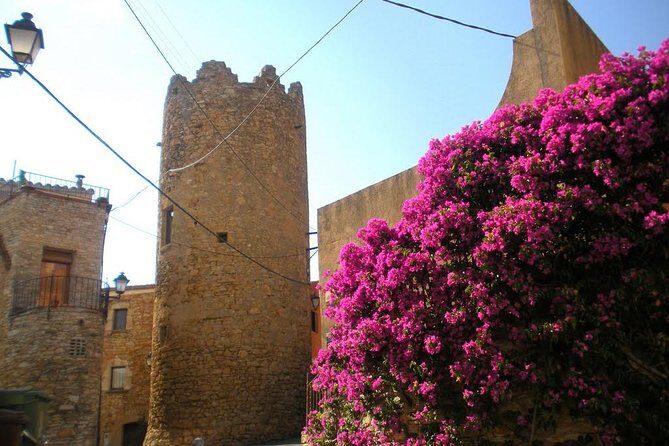
Next up is Begur, with a walk focused on the village and its standout features. You’ll spend around 1 hour here, and the key sights include the village area, Indiano houses, the castle, and defensive towers from the XVI century.
Begur is a strong choice for a history-minded day because it shows how wealth and power shaped the built environment. The Indiano houses connect to the story of people who made fortunes abroad and returned to mark their success with architecture back home. Then the castle and defensive towers bring you back to a different timeline: protection and control.
Here’s how I’d approach the walk if you want to get more out of it:
- First, take a slow look at the town layout and where the high points sit.
- Then focus on defensive features—towers and walls—so you can picture how the town would have worked when the sea and land were not as calm as they are today.
If you’re someone who likes history in a visual way, this stop is one of the best “read the stones” moments on the whole day.

Pals medieval quarter: El Pedró streets and the Tower of the Hours
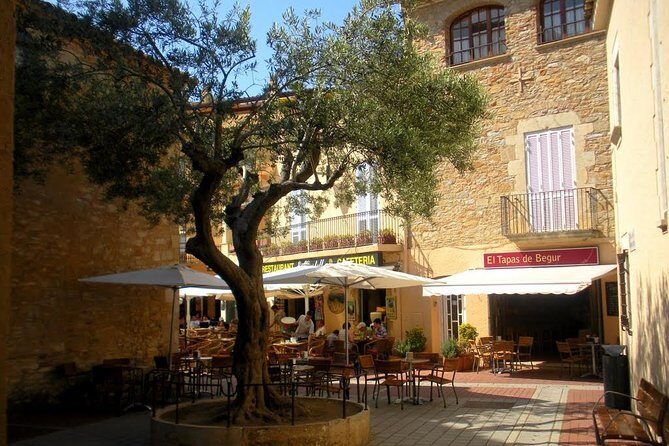
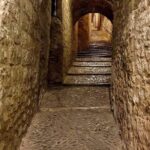
After Begur, you’ll head inland to Pals, a medieval town known for its intact quarter and stone-built character. Your walk here is about 1 hour, and it includes sights inside the medieval construction area called El Pedró.
Notable places you may see include:
- the Tower of the Hours
- part of the castle
- the Church of Sant Peter
This is the kind of stop that’s about slow wandering. Pals can feel like a living museum, but you still want to treat it like a place where people used to live and work. The narrow streets and concentrated structures create that “you’re inside the story” feeling that works great after the coastline.
Best way to enjoy it: pause often. Look up at how the buildings sit along the quarter’s edges. If you rush, you miss how the town’s design guides movement and views.
Also, this is a good stop for photos that aren’t just generic postcards. The Tower of the Hours and church area give you strong focal points without needing a perfect composition.
Peratallada’s walls and moat-like feel: medieval power made visible
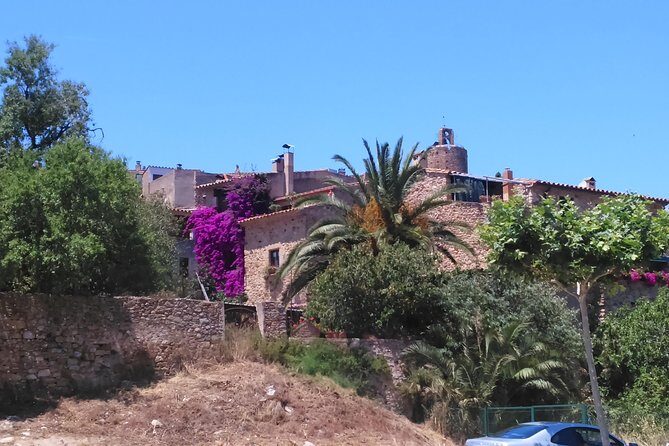
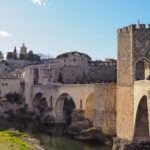
From Pals, you’ll walk over to Peratallada (about 1 hour 30 minutes). This is another medieval village with strong fortification features: a castle, old walls, a moat, and palaces.
Peratallada has a “survival through stone” feel. You don’t just see buildings—you see boundaries: where protection began, how the town held its shape, and why this settlement looks the way it does.
This stop is excellent if you like medieval architecture that’s still physically legible. The walls and moat area cues help you understand the purpose of the layout. And because it’s a walking visit, you get a gradual reveal of the village structure rather than a single viewpoint and done.
Practical note: like Pals, you’re mostly on foot. If you tend to tire quickly, plan to slow down and use your stops for shade and water.
La Bisbal d’Empordà: pottery and ceramics for a local take-home moment
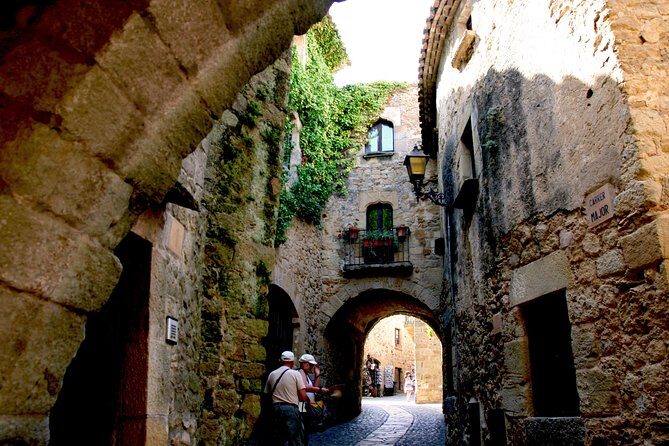
You’ll also make time for La Bisbal d’Empordà, with a quick stop to visit a pottery and ceramics shop. Expect about 30 minutes.
This is a nice break in the rhythm of walking and stone views. Even if you don’t buy anything, it helps you connect the region to daily life and local craft traditions. And if you do want a practical souvenir, it’s often easier to choose an item you can actually use back home rather than yet another postcard.
This is also a sensible slot for a short sit-down and reset, especially if the day has already included multiple outdoor stretches.
Lunch reality: plan around it and you’ll enjoy the day more
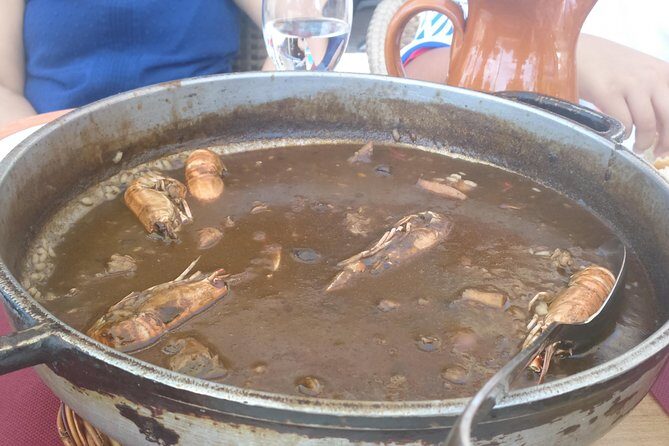
Lunch isn’t included. That’s the main catch. The upside is that the tour schedule typically gives you a natural point to choose something that fits your taste and budget, ideally with local menus rather than a chain stop.
From a value standpoint, not including lunch can be good. It keeps your tour cost from ballooning, and it gives you control. The tradeoff is simple: you should plan ahead and have cash or a card ready, and you should not assume lunch is automatically taken care of for you.
One practical move: if you’re sensitive to delays in timing or you need a strict dietary plan, it’s smart to ask the guide on the day where you can comfortably eat and what options are usually available in the area.
Also, you’ll get bottled water included, but I still recommend bringing extra water if you’re traveling in hot weather or you sweat easily.
Price and value: is $175.36 worth it for 8 hours?
At $175.36 per person for about 8 hours, the value comes from how the day is assembled, not just what you see.
Here’s what you’re paying for:
- a local guide who connects history to what you’re looking at
- free transport by air-conditioned minivan, saving you the headache of driving across multiple towns
- a small group setup that keeps the experience more personal
- bottled water so you’re not constantly scrambling
- and multiple major stops where entrances are marked as ticket free in the schedule
If you were to DIY this with a rental car, you’d add fuel, parking time, and the learning curve of finding the best viewpoints and medieval quarters efficiently. Even if you enjoy driving, that time cost adds up fast.
Is it perfect value? It’s fair. The day is active, and lunch is on you. But if your goal is a well-paced mix of coast viewpoints and medieval towns from Girona without hassles, the structure is built for that.
Who this tour suits best
This is a strong match if you:
- want a full day outside Girona but don’t want to plan transport yourself
- like medieval towns where the buildings and walls are part of the story
- enjoy coastal viewpoints and short to moderate walking segments
- prefer English-guided commentary (the tour is offered in English)
It may not be ideal if you:
- hate walking for long stretches, even when the segments are broken up
- need a strictly controlled schedule for meals (since lunch isn’t included)
- expect a totally laid-back day with minimal movement
Book it or skip it? My decision guide
If your travel style is part scenery, part history, and you want the Costa Brava without the logistics, I’d book this. The standout reason is the combination: lighthouse views plus medieval villages like Pals and Peratallada—with a group size that doesn’t feel like a stampede.
Before you book, check two things for your own comfort:
- Are you okay with outdoor time and walking on uneven medieval streets?
- Are you comfortable planning lunch on your own?
If you answer yes, you’re set up for a memorable Catalan day that feels intentional, not rushed.
FAQ
What time does the tour start from Girona?
It starts at 9:00 am.
How long is the tour?
The duration is approximately 8 hours.
Where do I meet the group?
The meeting point is Plaça de Sant Feliu, 17004 Girona, Spain.
Is lunch included?
No, lunch is not included.
Is the tour offered in English?
Yes, it is offered in English.
How many people are in the group?
It’s described as a small-group tour with a maximum of 6 travelers, and also listed as up to 7 people.
Is transportation included?
Yes. You get free transport by air-conditioned minivan.
Is bottled water included?
Yes, bottled water is included.
Are entrance tickets included?
The stops are marked as admission ticket free in the schedule.
What are the cancellation rules?
Free cancellation is available up to 24 hours in advance for a full refund.