REVIEW · GIRONA
Olot: Espai Cràter Volcanology Center Entry Ticket
Book on GetYourGuide →Operated by Comercial | TRCK · Bookable on GetYourGuide
An hour after you arrive, you start asking new questions. Espai Cràter turns a visit into volcanology in the real place—including walking inside the inactive Puig del Roser. I love that it’s hands-on without getting gimmicky, and I also like the way the exhibits connect volcanoes to everyday human life. One thing to keep in mind: this is a ticketed entry to the exhibits, so it’s less about a fixed guided tour and more about making the most of what’s on-site.
The big payoff is how quickly science becomes understandable. You’ll see interactive displays, educational games, and tech like video-mapping designed to show what’s going on beneath your feet. My one caution is simple: if you’re hoping for a mostly outdoor, scenery-heavy outing, this place is more about learning than viewing.
In This Review
- Key highlights to focus on
- Why Espai Cràter Feels Like a Volcano School, Not a Lecture Hall
- Entering Puig del Roser: What It Means to Walk Inside an Inactive Volcano
- Inside the Campus Buildings: Sala Magma, Bufador Classroom, and the Seismic Zone
- Sala Magma
- Bufador Classroom
- Seismic Zone
- CRÀTER 360 and the Science of Big Explanations
- Video-Mapping, Interactive Games, and Hands-On Learning That Sticks
- La Garrotxa and the 15 m² Model: Small Format, Big Clarity
- Price, Time, and How to Make One Day Count
- Should You Book Espai Cràter in Olot?
- FAQ
- Is Espai Cràter the only place you can learn about volcanoes from inside a volcano?
- How much is the entry ticket for Espai Cràter?
- How long is the visit?
- What’s included with the ticket?
- Is transportation included?
- Where do I exchange my voucher?
- Can I cancel for a refund?
- Do I need to pick a specific start time?
- Is Espai Cràter wheelchair accessible?
- Is there a CRÀTER 360 experience?
Key highlights to focus on
- Enter Puig del Roser: step into the inactive volcano itself and connect the story to real geology.
- Sala Magma + classroom spaces: different areas are set up for cultural events and education, so the campus feels purposeful.
- Seismic Zone work-and-research feel: the center’s layout makes earth science feel like a living field.
- CRÀTER 360: a bottom-of-the-ocean-to-other-planets journey, including Jupiter’s moon Io.
- La Garrotxa’s 15 m² model: a compact way to grasp how this volcanic terrain formed.
Why Espai Cràter Feels Like a Volcano School, Not a Lecture Hall
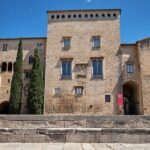
Olot in Catalonia is where Espai Cràter does something unusual: it uses a real dormant volcano as the setting for the learning. The center is multidisciplinary, so you’re not only looking at rocks and charts. You’re also seeing how volcano science connects to earth sciences and their impact on society. That matters because volcanoes aren’t just dramatic headlines. They shape risk, planning, and the way people live in volcanic regions.
Price-wise, the ticket is listed at $8 per person, and for a full day, that’s strong value if you’re the type who likes interactive exhibits. You’re not paying like you would for a long guided program with transport and extras. Instead, you’re buying access to a place built to teach through experiences—walk-through displays, audiovisual elements, educational games, and applied tech.
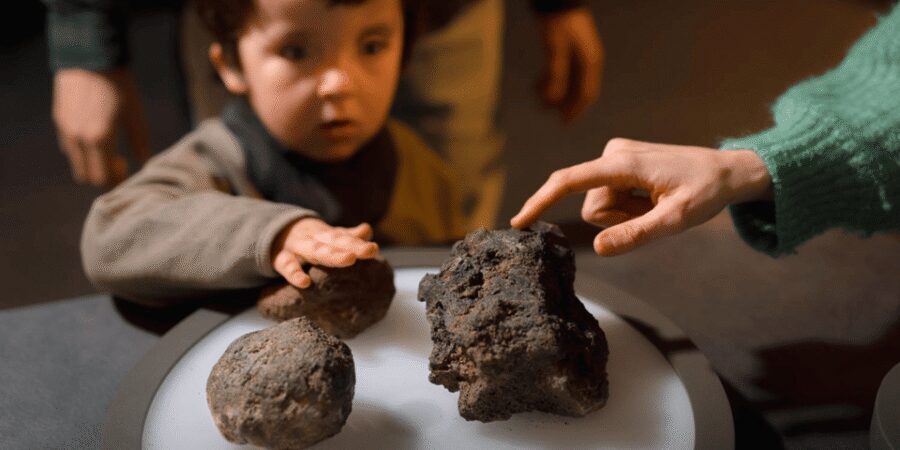
One more reason I think this works: it’s designed for different ages, including child-friendly exhibits. So even if you come without kids, you’ll still likely enjoy the pacing and the “try-it” approach. The one drawback is that the day is only as good as your engagement. If you rush past the interactive bits, you’ll miss what makes the center special.
You can also read our reviews of more tours and experiences in Girona

Entering Puig del Roser: What It Means to Walk Inside an Inactive Volcano
This is the headline experience: you enter the inactive volcano Puig del Roser. That single fact changes the entire feeling of the visit. You’re not standing outside a crater reading about processes. You’re inside a geological structure made from the remains of a dormant volcano.
Inside, you’re essentially getting a physical sense of how volcano systems can be structured and how different parts of a volcanic environment can be repurposed for learning. The center is built on the idea that a volcano is not just a single moment of eruption—it’s a whole system with history. That’s why the experience is framed around how volcanoes work and why they matter, not just how they look.
Practical tip: give yourself time around this part. Don’t treat it like a quick photo stop. Even though your ticket is one day, you’ll get more out of the rest of the exhibits when you’ve first connected the story to the place.
Inside the Campus Buildings: Sala Magma, Bufador Classroom, and the Seismic Zone
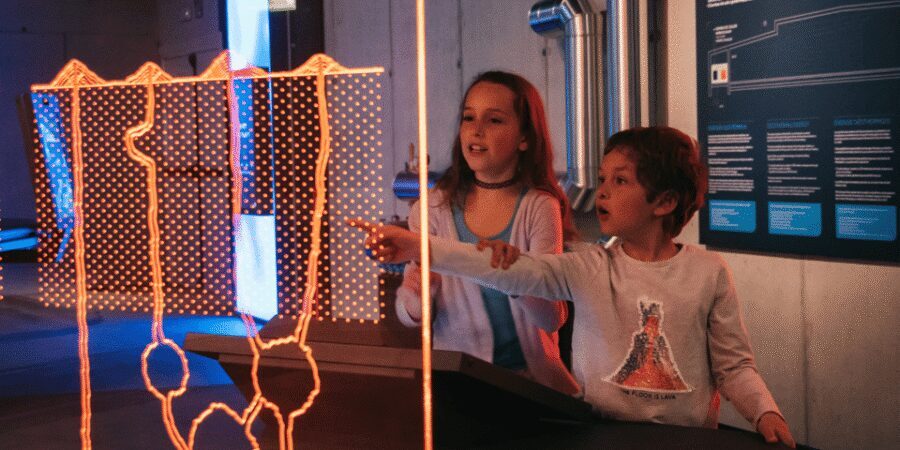
Espai Cràter isn’t one room with panels. It’s a campus with multiple buildings, and each one has a different educational job.
Sala Magma
Sala Magma is described as a space that hosts various cultural and corporate events. Even if you don’t catch an event during your visit, it helps explain the center’s mindset. This is not just a science storage unit. It’s a place where earth science can live in the same day as culture and public programs.
Bufador Classroom
The Bufador Classroom is reserved for educational activities. That’s a clue that the center isn’t relying only on static displays. It’s set up to run education-focused sessions, so the environment is tuned for learning rather than passive viewing.


Seismic Zone
The Seismic Zone is designed for work and research in the field of volcanology. Again, this points to a key theme: volcano science is ongoing. You’re not only learning about the past. You’re seeing the kind of thinking and study that happens when scientists monitor, measure, and interpret what the Earth is doing.
If you’re wondering what to do with that information: don’t just “look.” Use each zone to build a mental model. When you move from the Seismic Zone toward other exhibits, you’ll start thinking less like a tourist and more like someone trying to understand a system.
CRÀTER 360 and the Science of Big Explanations
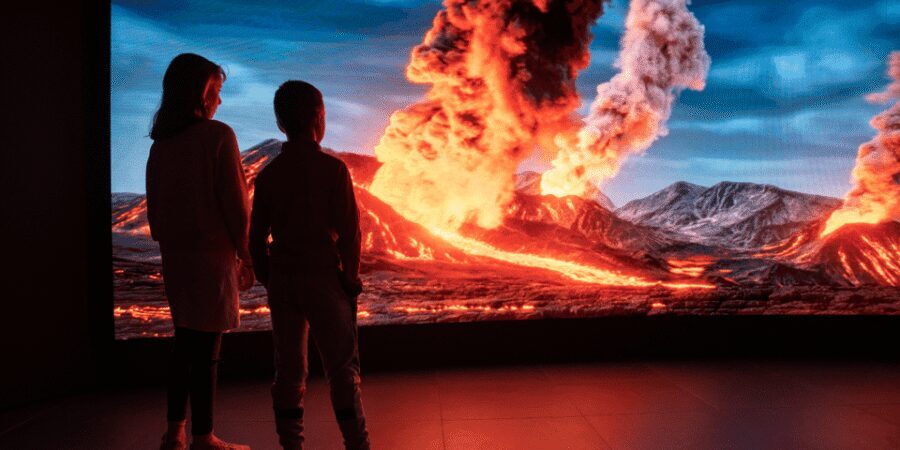
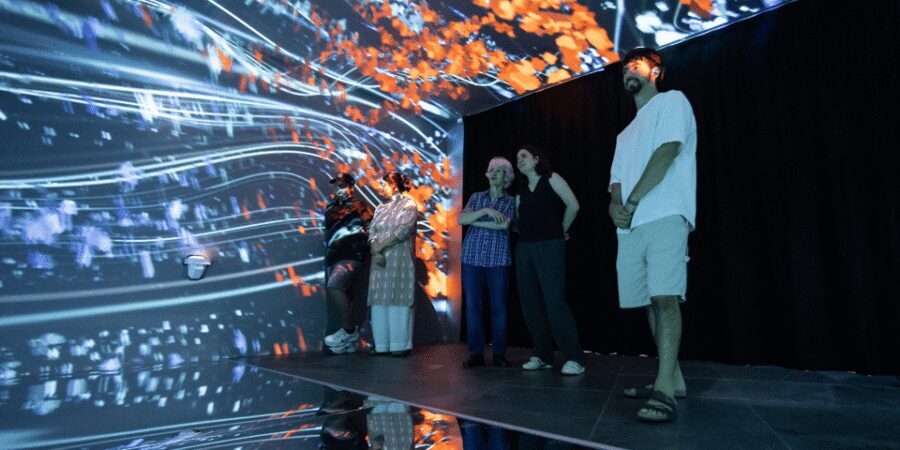
One of the most fun parts is CRÀTER 360, a new space built for a full-sensory, technology-forward journey. The big idea is scale: it takes you from the bottom of the ocean to volcanoes on other planets. That’s a huge jump—and the center uses state-of-the-art technology to make it feel connected rather than random.
What you can expect to see in CRÀTER 360 includes:
- Mont Erebus in Antarctica
- eruptions in the Pacific
- Jupiter’s Io, where volcano activity shapes the moon
That may sound like science fiction, but the purpose is practical. It helps you understand that volcanic processes aren’t just Earth-specific. The same basic physics can show up in different environments—different places, different conditions, but still volcano behavior.
Here’s how I’d plan your visit around it: if you want the most from the technology, don’t stack another activity immediately before it. Give yourself a short break. Once you step into CRÀTER 360, let your brain switch modes—from reading and experimenting to following the sequence the space is built to show.
Video-Mapping, Interactive Games, and Hands-On Learning That Sticks
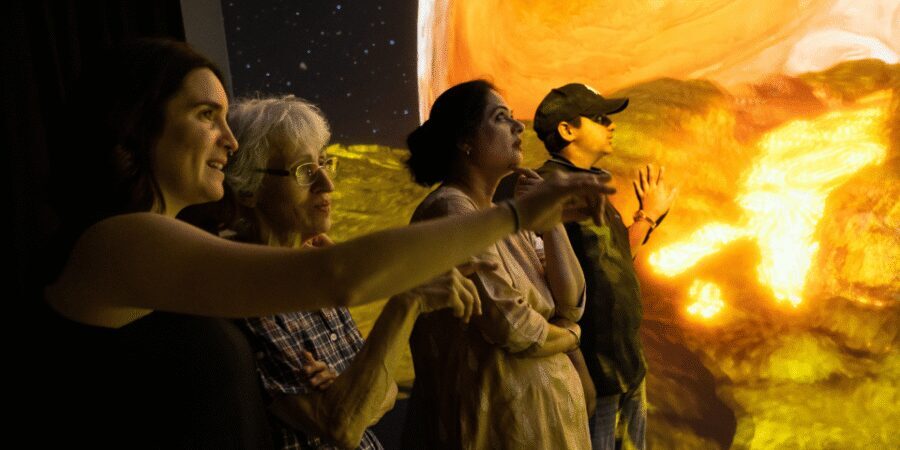
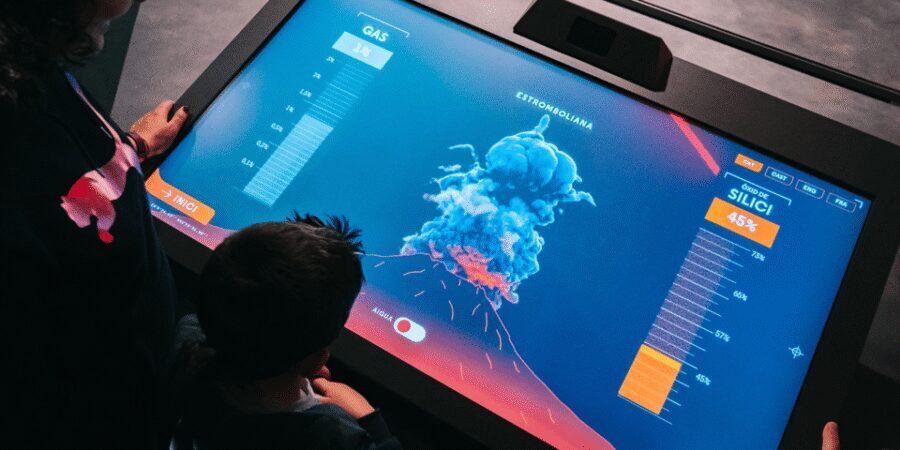
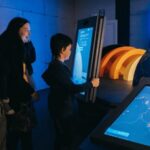
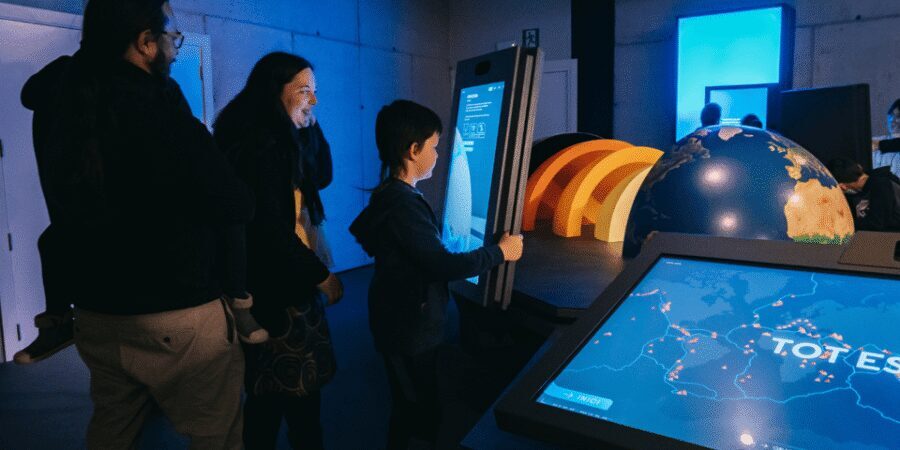
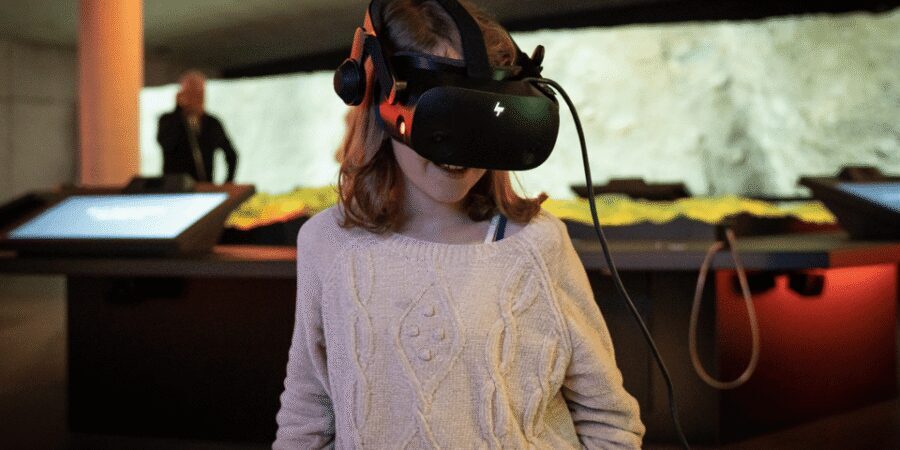
Espai Cràter uses audiovisual displays, immersive experiences, educational games, and video-mapping to show how volcanoes work from the inside. Even without knowing the technical details, you can read what the center is trying to do: it wants you to visualize processes that you can’t directly see in real life.
Video-mapping, in particular, is useful because volcano science has a lot of layers—literally and figuratively. It helps connect the “inside volcano” story to what happens at the surface, so the learning doesn’t stay trapped behind a glass case.
The educational games are also worth your attention. Since the exhibits are child-friendly, the activities are typically designed to make concepts feel approachable. That doesn’t mean it’s only for kids. Adults often appreciate games because they reduce the pressure of memorizing and replace it with learning by action.
If you want a simple strategy: spend extra time where you can interact. Move quickly through simple displays, but slow down at anything that asks you to tap, try, or respond.
La Garrotxa and the 15 m² Model: Small Format, Big Clarity
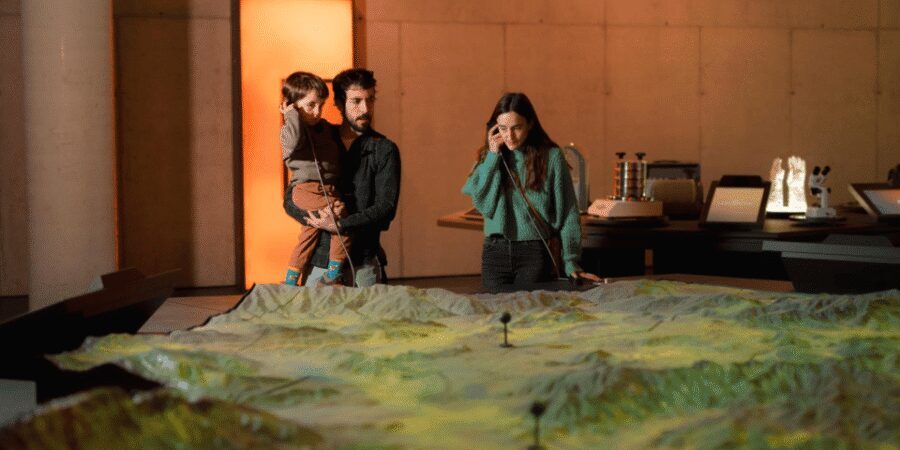
One exhibit you shouldn’t miss is the 15 m² model explaining the geological formation of La Garrotxa. The center also describes La Garrotxa as the best example of volcanic terrain in Spain.
What I like about a model that size is that it’s large enough to help you grasp relationships, but compact enough that you can spend real time on it without your feet getting overwhelmed. Models like this often succeed because they compress information into a view you can actually understand in one go.
How to get the most from it: after you’ve seen the inactive volcano experience and the technology displays, come back to the model with a question. For example, ask yourself where different parts of the volcanic system would be located and how the terrain could form over time. Then use the model to answer that question.
Price, Time, and How to Make One Day Count
This ticket is listed as lasting 1 day. That’s the right length for a center like this because you’re not committing to a full morning-to-night program. You can arrive, do the core “inside the volcano” experience, then branch out into CRÀTER 360 and the interactive exhibits.
The price—$8 per person—is low enough that I’d treat it as a high-value science stop, even if you only manage the highlights. And since transportation isn’t included, you’ll want to plan how you’ll get there from your base in Olot (or wherever you’re staying in the region). Still, once you’re on-site, the ticket gives you access to the exhibits and experiences described.
Who is this best for?
- Families and kids who learn well with games and audiovisual content
- Adults who like science but want it explained through technology and real spaces
- Anyone passing through Olot who wants a unique stop that isn’t just scenery
Who might find it less ideal?
- If you prefer a mostly outdoor sightseeing itinerary, this is more about learning inside a center and within volcanic structures.
Based on the tone of feedback from a verified booking in July 2025, the overall vibe is pleasant and surprising, which matches the center’s mix of real volcano access and tech-forward exhibits.
Should You Book Espai Cràter in Olot?
Yes, if you want a day that feels different from the usual museum experience. Espai Cràter has two rare ingredients in one ticket: access to an inactive volcano and educational technology that tries to make processes understandable, not just impressive.
I’d book it if:
- You like interactive science experiences
- You’re curious about how volcanoes can be studied and explained
- You want a low-cost activity that still feels substantial
I’d hesitate if:
- You’re expecting mostly outdoor time and scenic walking
- You prefer a fully guided, narration-heavy tour style rather than self-paced exhibit exploration
FAQ
Is Espai Cràter the only place you can learn about volcanoes from inside a volcano?
The experience is described as the only place where you can learn about volcanoes from inside a volcano by entering the inactive Puig del Roser.
How much is the entry ticket for Espai Cràter?
The price is listed as $8 per person.
How long is the visit?
The ticket is valid for 1 day.
What’s included with the ticket?
The entry ticket to Espai Cràter is included.
Is transportation included?
No. Transportation is not included.
Where do I exchange my voucher?
You exchange your voucher for a ticket at the reception desk of Espai Cràter.
Can I cancel for a refund?
Yes. Free cancellation is available up to 24 hours in advance for a full refund.
Do I need to pick a specific start time?
The ticket is valid for 1 day, and you should check availability to see starting times.
Is Espai Cràter wheelchair accessible?
Yes, it is wheelchair accessible.
Is there a CRÀTER 360 experience?
Yes. CRÀTER 360 is a new space described as taking you on a journey from the bottom of the ocean to volcanoes on other planets, including places like Mont Erebus and Jupiter’s Io.