REVIEW · BARCELONA
Cultural Walking Tour in Barcelona with Food & Wine Tasting
Book on Viator →Operated by PlayTour Barcelona · Bookable on Viator
Food and history walk together in Barcelona.
This 3-hour tour strings together local markets, bars, and restaurants with city stories you can see as you walk. You’ll start near Plaça de Catalunya, hit La Rambla, taste in Mercat de la Boqueria, and then work your way through the Roman and medieval layers of the city before ending around Basílica de Santa Maria del Mar.
I especially love the 11 different tastings—from churros to jamón-style bites, tapas, and seasonal wines—and how the tour explains what you’re looking at instead of just pointing. The one watch-out is that it’s still a walking tour with a lot of standing at busy points (markets, streets, viewpoints), and bottled water isn’t included, so bring your own refillable bottle.
In This Review
- Key Highlights You’ll Feel Fast
- Why This Barcelona Food-and-Wine Walk Works
- Meeting at Plaça de Catalunya and Getting Your Bearings
- La Rambla: The Street You’ve Seen on Postcards (And Why It Matters)
- Mercat de la Boqueria: Ham and Paella in a Real Market Setting
- El Raval: A Quick Cultural Primer Before You Enter the Older Center
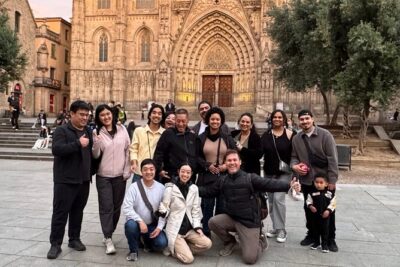
- Catedral de Barcelona: Gothic, Neogothic, and Roman Clues Without Ticket Lines
- Roman Barcino Wall Talk: Muralla Romana and the City’s First Foundation
- MUHBA Temple d’August: The “How Is This Here?” Stop
- Gothic Quarter Tastings: Hidden Bars, Traditional Bites, and Practical Advice
- El Born: Medieval Barcelona Meets Today’s Food Scene
- Mercado de Santa Caterina: More Local, Less Crowded
- Basílica de Santa Maria del Mar: A Strong Finish and Time for Questions
- Price and Value: What You’re Really Paying For at $98.79
- What’s Included, What Isn’t, and What You Should Bring
- Who This Tour Fits Best (And Who Might Want Something Else)
- Should You Book This Barcelona Food-and-Wine Tour?
- FAQ
- What is the duration of the Barcelona cultural walking tour?
- Where does the tour start?
- Where does the tour end?
- What time does the tour start?
- How much does it cost?
- What food and drinks are included?
- Is alcohol included, and is there an age limit?
- Are vegan, vegetarian, or gluten-free options available?
- Is bottled water included?
- What language is the tour offered in?
- How large are the tour groups?
Key Highlights You’ll Feel Fast
- 11 tastings plus seasonal wines, with soda/soft drinks available too
- Food stops paired with clear city context, from La Rambla’s origins to Roman Barcino
- Vegan, vegetarian, and gluten-free options available if you request ahead
- Small groups (max 15), which keeps the pace friendly and questions welcome
- Guides like Moisés and Alasdair bring strong food-and-history storytelling and solid local tips
- You’ll end in the El Born / Santa Maria del Mar area, right where you’ll want to keep exploring
Why This Barcelona Food-and-Wine Walk Works
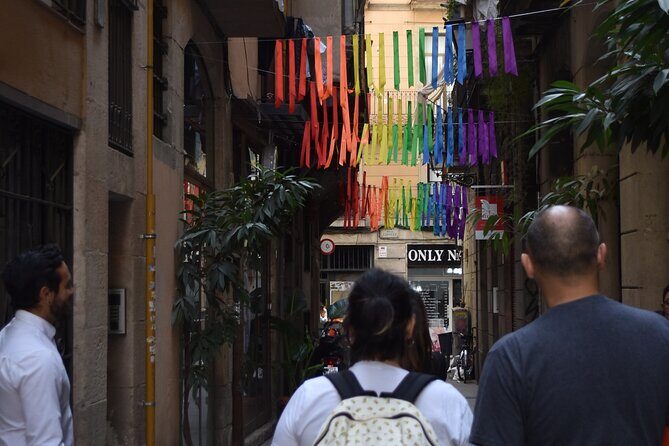
This tour feels like the right mix of practical and fun: you taste a bunch of Barcelona staples, then you learn enough history to make the streets click. Instead of doing one long restaurant meal, you get a sequence of short stops that keeps your energy up and your curiosity running.
The biggest value for me is that the food doesn’t sit on top of the trip like an add-on. You’re learning why these places matter, so the tastings land with meaning. And since it runs about 3 hours starting at 10:00 am, it’s a great way to build your Barcelona rhythm early in your stay.
You can also read our reviews of more walking tours in Barcelona


Meeting at Plaça de Catalunya and Getting Your Bearings
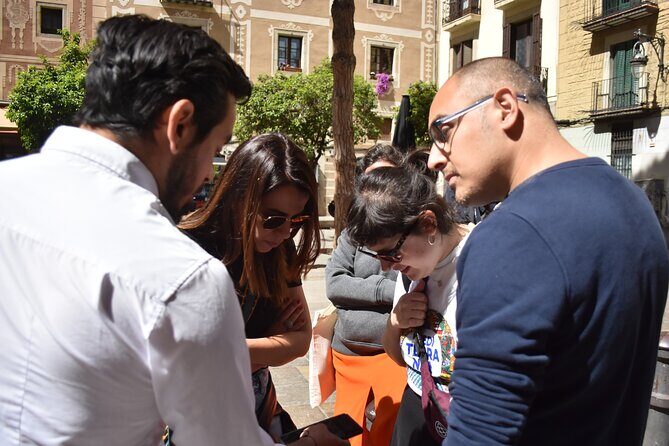
You meet at PlayTour Barcelona, Plaça de Catalunya (Eixample), at 10:00 am. This is a smart starting point because you’re not dropped in a random corner—you’re set up in an area that makes it easy to reach later sights.
From there, you’ll walk toward La Rambla and the older center. You’ll cover a lot of ground, but the itinerary is broken into manageable segments, with quick explanations along the way. That matters in Barcelona, where you can go from big avenues to tight streets in minutes.
La Rambla: The Street You’ve Seen on Postcards (And Why It Matters)
La Rambla is famous for a reason, and this tour gives you the useful version, not just the slogan version. You’ll hear why it became the Old Town’s showpiece and how the area used to be fortified with walls. Even the name gets attention, including the origin of the word “Rambla” and the fact that there are different Ramblas you can learn to recognize.
You’ll also get a local cultural tie-in, including mention of FC Barcelona. Whether you’re a soccer fan or not, it’s a reminder that Barcelona’s identity shows up in street life, not just museums.
A small practical note: La Rambla can draw crowds, so you’ll want to pay attention while your guide steers you past the most touristy traps. The goal is to keep you moving toward places where the city feels lived-in.
Mercat de la Boqueria: Ham and Paella in a Real Market Setting
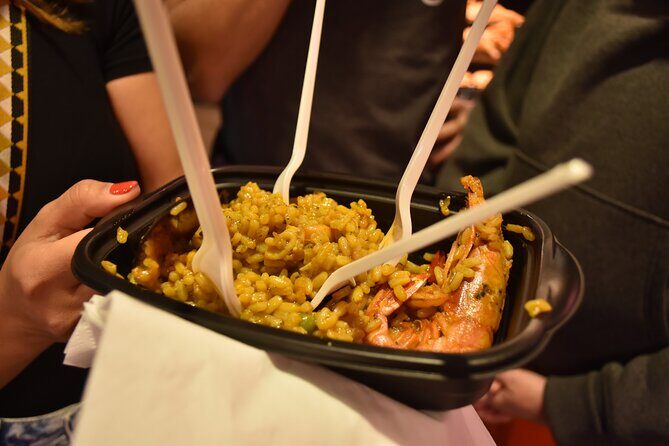
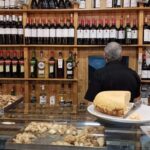
Next up is Mercat de la Boqueria, which the tour frames as the oldest market in Barcelona. This is one of those stops where you learn by looking: you see how food culture is organized here, and you start noticing what’s common versus what’s just staged for visitors.
You get tastings tied to Spain’s meat-and-sea-food basics, including acorn-fed Iberian ham and paella. It’s not a full meal, but it’s enough to calibrate your palate for what you’ll see later around the city.
Boqueria can be busy, so the timing helps. Your session is short, which keeps the focus on tasting and listening rather than getting stuck in market crowds for too long.
El Raval: A Quick Cultural Primer Before You Enter the Older Center
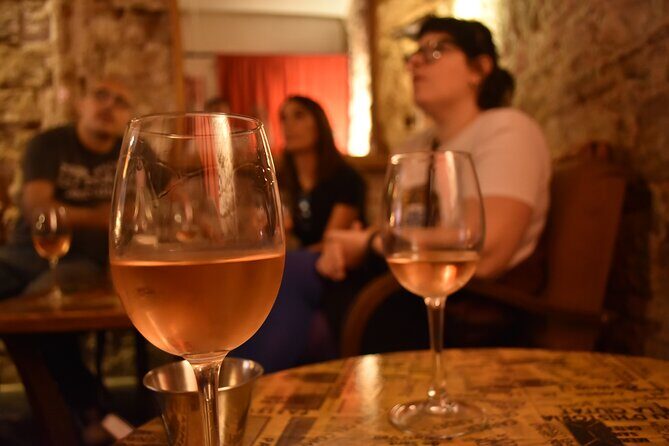
El Raval is one of those neighborhoods where the “what you see” and “what you understand” don’t always line up at first glance. This stop is brief, but it gives you quick context on why the area is culturally rich, plus tips that help you navigate with more confidence.
You won’t leave with a full thesis, but you will leave with better instincts. That’s the point of a walking tour like this: you want the city’s vibe to make sense while you still have the streets fresh in your mind.
You can also read our reviews of more food & drink experiences in Barcelona

Catedral de Barcelona: Gothic, Neogothic, and Roman Clues Without Ticket Lines
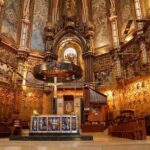
At Catedral de Barcelona, you don’t do a long interior visit. Instead, you get the architecture story outside—how the cathedral blends gothic, neogothic, and romanian elements.
I like stops like this because you can keep your momentum. You don’t burn time in lines or manage an extra ticket schedule when the day is already packed with tasting. You’re learning what to look for while staying mobile.
If you’re the type who enjoys reading buildings like a puzzle, this one can actually make later architecture sightings more fun.
Roman Barcino Wall Talk: Muralla Romana and the City’s First Foundation
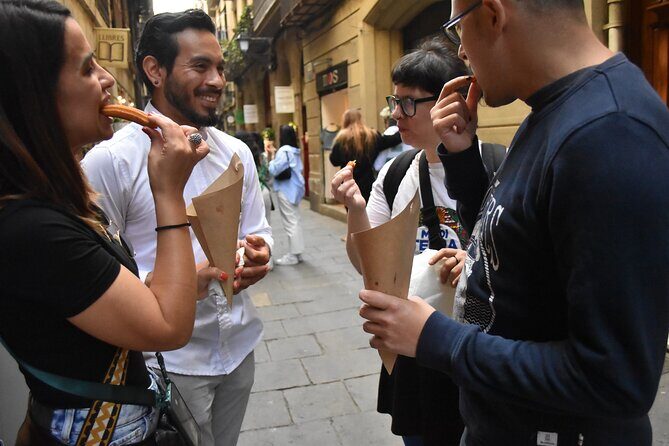
Then the tour shifts back to Barcelona’s origins with Muralla Romana. You’ll hear about Roman times of Barcino and how the city’s foundation—and purpose—changed over time.
This is a key moment for first-timers. Barcelona isn’t only about one era. By the time you’ve heard the Roman layer explained, you start spotting why the medieval and Gothic grids look the way they do.
It’s also a great photo moment if the group pauses. Even if you don’t consider yourself a “history photo” person, Roman stones under medieval streets have a visual payoff.
MUHBA Temple d’August: The “How Is This Here?” Stop
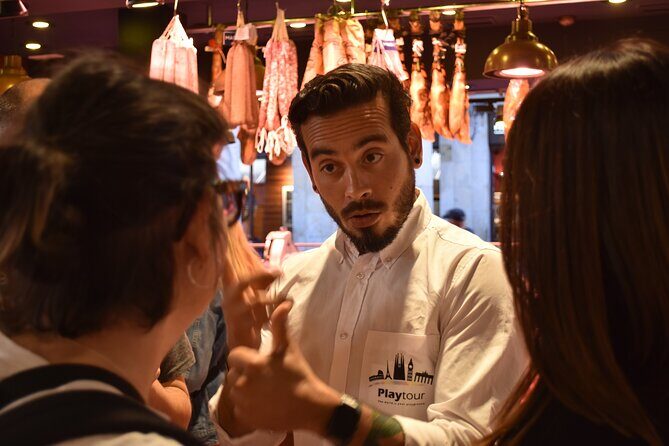
One stop that feels especially worth it is MUHBA Temple d’August. The tour describes it as a hidden temple experience and highlights that you’ll understand what’s inside a medieval building.
That “how did they fit this in” feeling is exactly why this tour works. You’re walking, but you’re also seeing how time stacks in Barcelona. A temple in an older structure isn’t just trivia—it helps you realize the city has never fully stopped evolving.
Your explanation here is time-boxed, so it stays moving. You get the core idea without turning the day into a long museum commitment.
Gothic Quarter Tastings: Hidden Bars, Traditional Bites, and Practical Advice
Now you reach the fun part: the Gothic Quarter tasting segment. This is where the tour slows down just enough for you to taste and absorb the atmosphere. You’ll stop in hidden bars and get traditional food in the Gothic quarter.
What I like about this section is that it’s not only about eating. The guide’s job here is to connect the food to place. That makes your tastings feel like part of the story of the neighborhood, not just random samples.
You’ll get time to look around and take photos too. The Gothic streets can feel almost like sets, so the background context helps you avoid treating everything like a postcard.
El Born: Medieval Barcelona Meets Today’s Food Scene
After the Gothic Quarter, the tour moves into El Born—a neighborhood that’s described as medieval Barcelona, but today known for its current energy and newer evolution.
You’ll get more tastings in hidden bars and also learn the best recommendations for navigating the area. This part is useful even after the tour ends, because El Born is one of the zones where you’ll want smart shortcuts and good food instincts.
If you’re coming to Barcelona for the first time, El Born is often where people start wandering at random. This tour gives you a better way in—so you’re not just guessing what’s worth your time.
Mercado de Santa Caterina: More Local, Less Crowded
Then there’s Mercado de Santa Caterina, described as the more local market and the second oldest in the city. It’s positioned as less crowded than La Boqueria, which matters when you want a calmer look at how locals shop and snack.
You get a glimpse of how residents live, plus a tasting of the locals’ favorites. This is the kind of stop that can change how you shop for yourself later. You start to see what’s typical, and you gain confidence picking places beyond the busiest tourist magnets.
For me, it’s a relief: after the intensity of Boqueria, Santa Caterina feels like a breath and a reset.
Basílica de Santa Maria del Mar: A Strong Finish and Time for Questions
The tour ends at Basílica de Santa Maria del Mar in El Born / Ciutat Vella area, where you get a full history of the neighborhood. You finish with time to add questions and ask for more recommendations, which is a big deal on a trip with limited days.
This ending works well because it’s central to more wandering you’ll likely want to do next. If you use the tour well, you’ll leave with not just memories, but an actual game plan for the rest of your Barcelona days.
Price and Value: What You’re Really Paying For at $98.79
At $98.79 per person for about 3 hours, the value comes from two places:
First, it’s not only sightseeing. You get 11 different tastings plus seasonal wines, and soda/soft drinks are included as alternatives. That’s a lot of sampling for a single walking outing.
Second, you’re paying for a guided connection between food and city layers: markets, Roman foundations, Gothic and medieval stops, and neighborhood context. If you tried to recreate this on your own, you’d spend time hunting vendors and still miss the “why this matters” explanations that make the flavors stick.
Add in the small group limit (maximum 15 travelers), and the price looks more like a structured afternoon than a generic city walk.
What’s Included, What Isn’t, and What You Should Bring
Included in the experience:
- Alcoholic beverages: seasonal wines (legal drinking age 18)
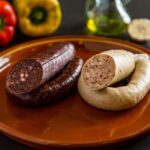
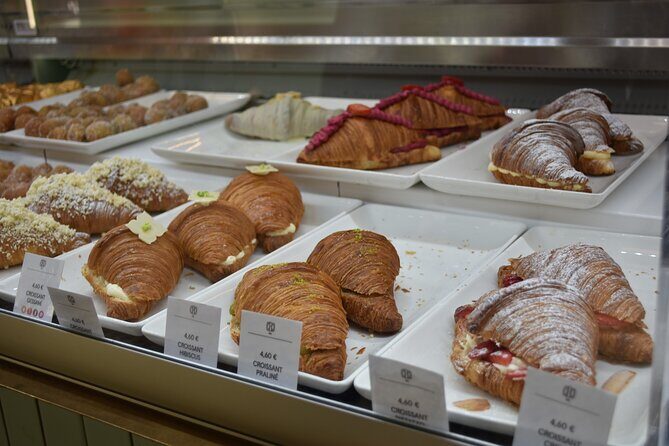
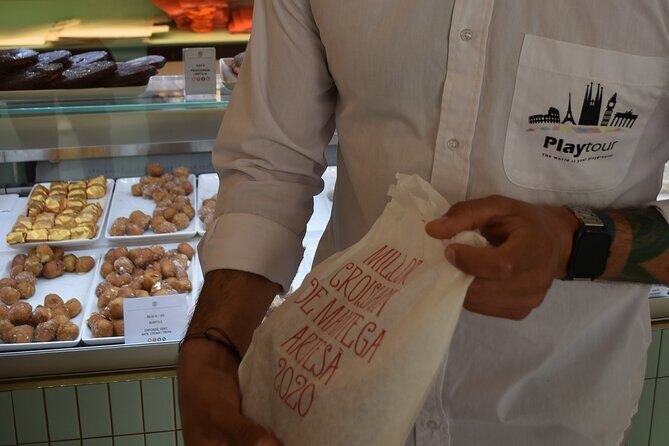
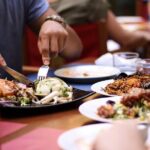
- Snacks: 11 different tastings, including wines, sweets, savory bites, tapas, acorn-fed Iberian ham, and churros
- Soda/pop for kids, teens, and anyone who wants alcohol-free options
- Dietary options: vegan, vegetarian, and gluten-free available upon request
Not included:
- Bottled water. Bring a water bottle, preferably refillable.
- Private transportation
A small practical tip: if you have dietary needs, request them before the tour so the guide can plan tastings. The tour also supports gluten-free, which is a big win when you’re trying to enjoy everything without guessing.
Who This Tour Fits Best (And Who Might Want Something Else)
This is a strong pick if you want a first-day-to-midweek plan that mixes city orientation with eating. I’d also recommend it if you’re traveling solo, as the format is social without being chaotic.
It’s especially good if you care about food variety: you’ll taste meat-forward Spanish favorites like acorn-fed Iberian ham, plus pastries like churros, and you’ll still have vegan/vegetarian/gluten-free options when requested. The tour also works well for people who like guided history but don’t want a slow museum day.
If you’re sensitive to lots of walking and standing, you should consider your comfort level. This tour includes busy streets and active market areas, so plan for short stretches on foot rather than a sit-down pace.
Should You Book This Barcelona Food-and-Wine Tour?
Yes, if you want the smart way to get oriented fast. The stops connect Barcelona’s street life (La Rambla), its food identity (Boqueria and other markets), and its layered past (Roman walls to Gothic streets) while feeding you along the way.
I’d book it early in your trip. The tour gives you recommendations for where to return, and you’ll likely want to revisit some of the flavors after you’ve learned where they fit in the city.
Skip it only if you’re not a fan of walking, or if you prefer full restaurant meals over quick tastings. Otherwise, this is an efficient, flavorful route through central Barcelona with enough context to make your next stroll much better.
FAQ
What is the duration of the Barcelona cultural walking tour?
The tour lasts about 3 hours.
Where does the tour start?
The meeting point is PlayTour Barcelona, Plaça de Catalunya, 1, Eixample, 08002 Barcelona, Spain.
Where does the tour end?
The tour ends at Basílica de Santa Maria del Mar, Plaça de Santa Maria, 1, Ciutat Vella, 08003 Barcelona, Spain, in the El Born neighborhood.
What time does the tour start?
The start time is 10:00 am.
How much does it cost?
The price is $98.79 per person.
What food and drinks are included?
You get 11 different tastings, including seasonal wines and snacks like tapas, acorn-fed Iberian ham, and churros. Soda/pop is also included for anyone who prefers alcohol-free drinks.
Is alcohol included, and is there an age limit?
Seasonal wines are included, and the legal drinking age is 18.
Are vegan, vegetarian, or gluten-free options available?
Yes. Vegan, vegetarian, and gluten-free options are available upon request.
Is bottled water included?
No. Bottled water is not included, so you should bring a refillable water bottle if possible.
What language is the tour offered in?
The tour is offered in English.
How large are the tour groups?
This tour has a maximum of 15 travelers.