REVIEW · GIRONA
From Girona: Cadaqués, St Pere de Rodes Monastery
Book on GetYourGuide →Operated by Girona Experience · Bookable on GetYourGuide
Cap de Creus feels like the edge of Europe.
This full-day ride from Girona strings together cliff views, an artist-linked coastal stop, and one of Catalonia’s best Romanesque sights. You’ll get a planned route that makes it easy to see a lot of Costa Brava without wrestling with parking or schedules.
I especially like the mix of Cap de Creus scenery and the guided push into the past at Sant Pere de Rodes. You also come away with a realistic amount of time in Cadaqués—enough to enjoy the town, not just speed-walk it.
One thing to consider: the Cap de Creus lighthouse area can be closed between June and September due to fire risk, and the day includes walking on uneven ground. If you have mobility limits, this may not work for you.
In This Review
- Key things I’d plan around
- Girona to the dramatic north coast: why this day works
- The van ride from Plaça de Sant Feliu: get oriented fast
- Cap de Creus Natural Park and the lighthouse: big views with a short walk
- Portlligat photo stop: a taste of Dalí’s coastline
- Cadaqués: the town you’ll want to slow down in
- Sant Pere de Rodes Monastery: Romanesque in a dramatic setting
- Price and value: what $175 gets you, and what costs extra
- Who should book this tour (and who should skip it)
- Should you book this Girona to Cadaqués and Sant Pere de Rodes day trip?
- FAQ
- What time do we meet in Girona?
- Where does the tour start and end?
- How long is the tour?
- What group size should I expect?
- What languages are the guides?
- Is transportation included?
- Are meals included?
- How much are the Sant Pere de Rodes monastery tickets?
- What should I bring?
- Is the Cap de Creus lighthouse area always open?
- Is this tour suitable for people with mobility impairments?
Key things I’d plan around
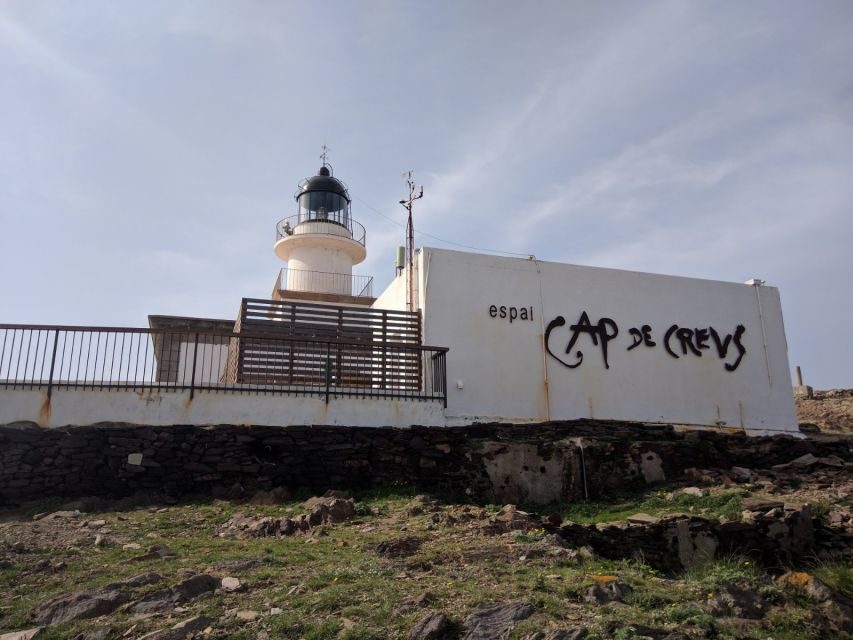
- Cap de Creus cliffs + lighthouse walk: short, guided, and built for big views
- Cadaqués in two parts: guided town time plus real free time to wander
- Portlligat photo stop: a quick look at Dalí’s coastline setting
- Sant Pere de Rodes at 520 m: Romanesque church views over Port de la Selva
- Small group (up to 6): easier questions and a calmer pace
- Monastery tickets cost extra (6€): plan for that before you go
Girona to the dramatic north coast: why this day works
If you’re using Girona as a base, this tour is one of the cleanest ways to reach the northern Costa Brava—near the French border—without turning your day into a logistics project. You’re not just checking boxes. The route is shaped around three different kinds of “wow.”
First, Cap de Creus gives you hard-edged coastline views from the cliffs—rock formations, vegetation, and that raw feeling the peninsula is pushing right into the sea. Second, Cadaqués is all small-town character: narrow streets with spike-shaped stones, beaches, and the Santa Maria church sitting up high. Third, Sant Pere de Rodes adds a medieval layer that feels almost unreal once you’re standing in the setting.
The value angle is that you’re paying for guided time and transportation, not just entry tickets. You get an air-conditioned van, a guide in English or Spanish, a guided visit to the monastery, and a bottle of water. Your money goes toward time with someone who can connect the dots.
You can also read our reviews of more tours and experiences in Girona.
The van ride from Plaça de Sant Feliu: get oriented fast
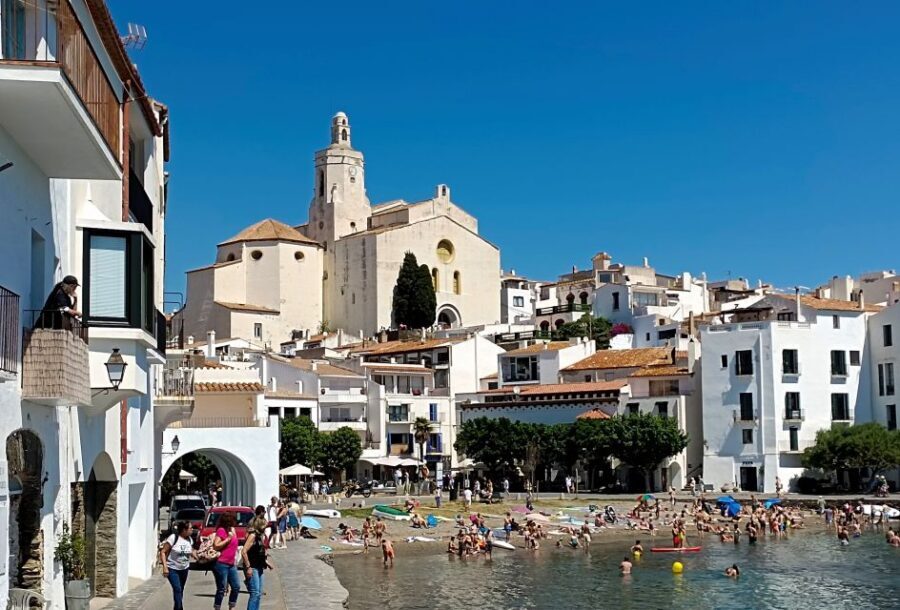
You start in Girona at Plaça de Sant Feliu, by the River Caffe. That’s an easy meeting spot, and it helps the day feel like a single organized outing rather than “meet somewhere, good luck.”
The first leg is about 1.5 hours by van to reach Cap de Creus. In practice, that means you’ll arrive with your energy still intact—no early sprint, no mystery routes. Also, the van has air conditioning, which matters in summer along the coast.
This tour is scheduled for a 9-hour total day. That time box is important. It’s long enough to include serious walking and two full stops (Cap de Creus and Cadaqués), but it still ends before you’re exhausted in the dark. If you want a lot of sights in one day, this plan fits.
Practical tip: wear comfy shoes. Even though the Cap de Creus walking portion is listed at about 30 minutes, you’ll still want grip and support. The region is rocky, and the best viewpoints usually involve some uneven ground.
Cap de Creus Natural Park and the lighthouse: big views with a short walk
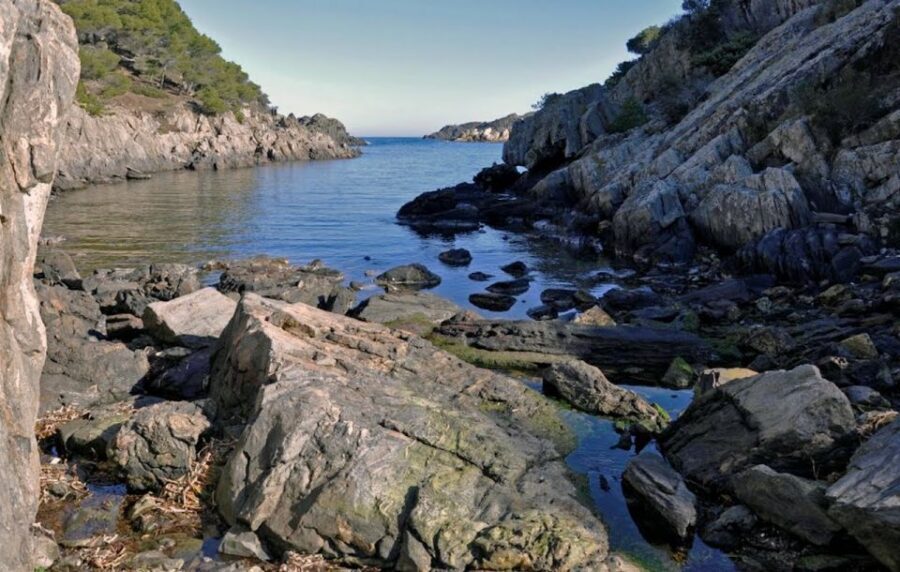
Cap de Creus is the main “coastline power” stop on this itinerary. You’ll get a guided tour and then a walk of about 30 minutes around the lighthouse area.
What makes this part worth it is that it’s not just standing at a photo spot. The plan includes time to look at the vegetation and rocky formations that characterize the peninsula. You also get those cliff views over the Gulf of Roses, which is the kind of scenery that makes the Costa Brava feel different from the usual postcard beaches.
One key caution: between June and September, this part of Cap de Creus can be closed due to high fire risk. The tour description flags it, so it’s not a surprise. If you’re traveling in those months, don’t assume you’ll reach the exact lighthouse area you see in photos.
What you’ll likely want to do:
- Bring sun protection (sunscreen and a hat are specifically recommended)
- Plan for some uneven walking even if the time is short
- Be flexible if access is limited during summer fire-risk periods
If you’re the type of traveler who likes scenery with context—why these rocks and plants exist where they do—this stop is built for you.
Portlligat photo stop: a taste of Dalí’s coastline
After Cap de Creus, there’s a brief photo stop at Portlligat (about 10 minutes). It’s not a full visit, and that’s intentional in a day this packed. Still, it’s a smart add-on because Portlligat is one of the places most associated with Dalí’s world.
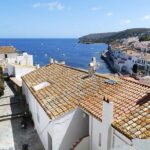
The route connects this stop to Cadaqués and the wider Costa Brava coastline that artists famously reproduced. If you don’t know much about Dalí, you’ll still appreciate the setting because the coast here looks “paintable”—steep lines, dramatic angles, and a shoreline that reads as unmistakably Catalan.
A practical note: since you only have about 10 minutes, you’ll want to treat this as quick and efficient. Take a couple of photos, check your bearings, and be ready when the group moves on.
Cadaqués: the town you’ll want to slow down in
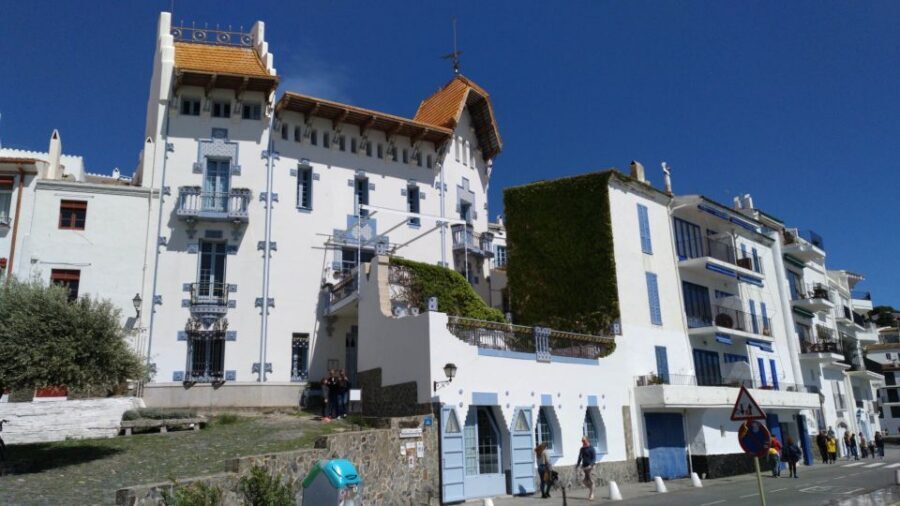
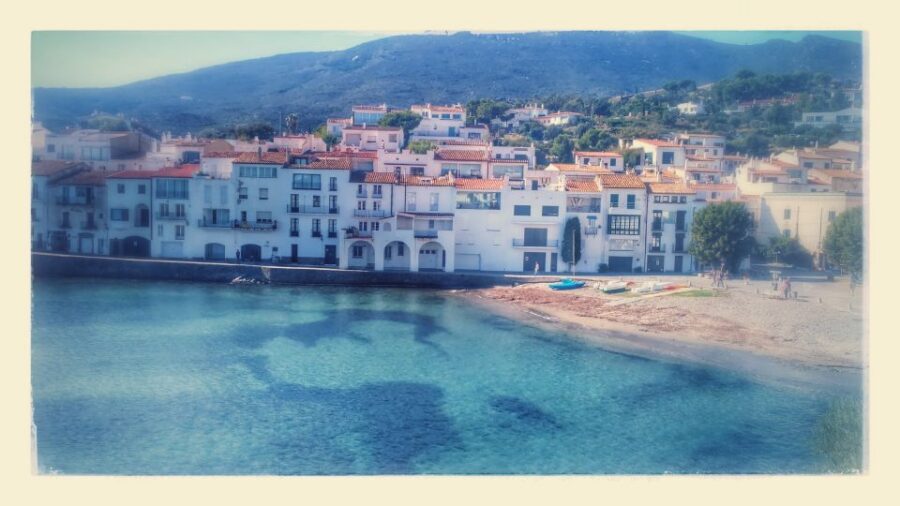
Then comes the heart of the day’s human-scale experience: Cadaqués. You’ll get guided time plus free time. The schedule gives about 2.5 hours total in town, which is plenty to do more than just see a viewpoint.
Here’s what to look for while you’re walking:
- Streets made with spike-shaped stones, which give the town its texture and character
- Beaches and shoreline moments, even if you don’t plan a swim
- The Church of Santa Maria, placed on the highest part of the village, so it naturally pulls you upward as you explore
Also, the guided part is helpful because Cadaqués isn’t just pretty from one angle. It’s a “find your way” town. When someone points out what to notice, you notice it more.
One more reason Cadaqués works well on a guided day trip: it’s easy to get drawn into wandering, and the tour structure keeps you from losing time. You still get breathing room, but you’re not left guessing what to prioritize.
Good to know: this stop is the most “walk-about” portion of the day besides Cap de Creus. If you choose comfort-focused shoes, you’ll enjoy it more.
Sant Pere de Rodes Monastery: Romanesque in a dramatic setting
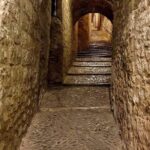
After lunch (not included), you’ll head to Sant Pere de Rodes Monastery. The guided visit runs about 1 hour, and it’s the historical anchor of the tour.
This monastery sits in the Verdera mountains, within the Rodes mountains chain, at about 520 meters. From there, you get a visual domain over the Bay of Port de la Selva and the northern part of the Cap de Creus massif. In other words, it’s not only an architectural stop. It’s also a viewpoint.
What you’ll learn during the visit is that the site carries legends and stories alongside the archaeological and historical questions. That “mystery factor” is part of why the place feels memorable. You’re not just looking at stones; you’re hearing the narrative the site is attached to.
In terms of architecture, it’s regarded as one of the main exponents of Romanesque in Catalonia, and the tour emphasizes originality. Even if Romanesque doesn’t mean much to you yet, having a guide connect the design to the place helps it click quickly.
Two practical considerations:
- The monastery visit includes walking and standing in a historic complex. That’s normal, but it matters for comfort.
- Monastery tickets cost 6€ per person and are not included in the tour price, so budget for that.
If you want your day trip to feel like more than scenery—if you want a medieval site that comes with setting and story—this is the moment.
Price and value: what $175 gets you, and what costs extra
The price is $175 per person for a 9-hour small-group outing (limited to 6 participants). That’s not the cheapest way to do a Costa Brava day, but it’s also not a “pay for nothing” price.
Here’s where the value is:
- Transportation in an air-conditioned van between the major stops
- A guide in English or Spanish
- Guided touring at Cap de Creus and a guided monastery visit
- A bottle of water included
What’s not included:
- Food and additional drinks
- Sant Pere de Rodes monastery tickets (6€ per person)
Is the cost “worth it”? In my view, it is if you care about guided interpretation and you want to avoid spending your own time figuring out how to connect Cap de Creus, Cadaqués, and Sant Pere de Rodes in one go. If you’re traveling independently and already know how to manage transport plus parking, you might be able to DIY part of it. But if you want the day to stay smooth, guided, and efficient, this format makes sense.
One more value note from the guide feedback you might run into: guides such as Claudia, Kim, or Pau are singled out for strong communication and a strong ability to bring history and the park to life. That’s the kind of difference you feel most at the monastery and during Cap de Creus context time.
Who should book this tour (and who should skip it)
This is a great fit for:
- You want a full Costa Brava taste from Girona in one day
- You like your scenery with history and explanations, not just photos
- You prefer small groups (up to 6) so the guide can answer questions and keep the pace manageable
You might want a different plan if:
- You have mobility impairments. This tour is listed as not suitable for people with mobility impairments.
- You’re traveling in June–September and your number-one goal is a specific lighthouse walk in Cap de Creus. The tour notes that area can be closed due to fire risk.
If you’re an early-mover who likes to pack a lot in without stress, this one checks that box. If you want a slow day with fewer stops, this might feel too scheduled. But if your goal is variety—cliffs, town, and Romanesque—this route delivers.
Should you book this Girona to Cadaqués and Sant Pere de Rodes day trip?
Book it if you want a guided, small-group day that connects Cap de Creus cliffs, Cadaqués walking time, and Sant Pere de Rodes into one smooth itinerary. The short lighthouse walk plus the long-enough town time strikes a good balance, and the monastery stop gives the day a real medieval payoff with big views.
Skip it or think twice if you’re traveling in peak summer months and you strongly care about the lighthouse access being available, or if mobility is an issue. Also, budget for the monastery ticket and plan your lunch.
If your travel style is practical and you like seeing the “why” behind what you’re looking at, this is the kind of day trip that leaves you with more than just photos.
FAQ
What time do we meet in Girona?
You meet at Plaça Sant Feliu, beside the River Caffe in Girona city.
Where does the tour start and end?
The tour starts and ends at Plaça de Sant Feliu in Girona.
How long is the tour?
The duration is listed as 9 hours.
What group size should I expect?
This is a small group limited to 6 participants.
What languages are the guides?
The guide is available in English or Spanish.
Is transportation included?
Yes. You travel by vehicle with air conditioning.
Are meals included?
Food and additional drinks are not included.
How much are the Sant Pere de Rodes monastery tickets?
Tickets are not included and cost 6€ per person.
What should I bring?
Bring sunscreen, a hat, and comfortable shoes.
Is the Cap de Creus lighthouse area always open?
The tour information notes that between June and September this part of Cap de Creus is closed due to high fire risk.
Is this tour suitable for people with mobility impairments?
No, it is not suitable for people with mobility impairments.