REVIEW · GIRONA
Girona and Besalu, Jewish History tour Small Group from Girona
Book on Viator →Operated by Girona Experience Tours · Bookable on Viator
Medieval streets can explain a lot. This small-group day trip connects the Jewish history of Girona and Besalú to places you can still stand inside and look at—especially the 13th-century mikveh.
I especially like that you get both the museum context and the street-level story. The Museum of Jewish History gives you a map for what you’re seeing, and the walking time through Girona’s medieval and Jewish quarters helps it click.
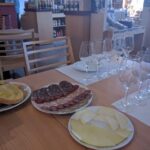
One thing to consider: there’s no lunch included, so you’ll want a plan for food during the long day.
In This Review
- Key Takeaways Before You Go
- A Day That Starts with Context, Then Lands on the Evidence
- Start at Plaça de Sant Feliu and Plan for an Full, 8-Hour Day
- Puente de Besalúa: A Medieval Gateway That Frames Everything Else
- The Museum of Jewish History in Girona: Where the Story Gets Organized
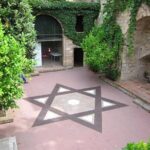
- Walking Girona’s Medieval and Jewish Quarters with a Guide at Your Side
- Besalú’s Medieval Village: Streets, Symbols, and the Jewish Quarter
- The 13th-Century Mikveh in Besalú: The Ritual Site You Can Actually See
- Small Group Size and Guides Like Marc, Carmen, Mike, and Gerard
- Price and Value: What $179.24 Buys You
- What to Expect on the Ground: Walking, Time in Quarters, and Museum Focus
- Who This Tour Suits Best (and Who Might Skip It)
- Should You Book the Girona and Besalú Jewish History Tour?
- FAQ
- How long is the Girona and Besalú Jewish History tour?
- What time does the tour start, and where does it meet?
- What languages are available?
- How big is the group?
- Are tickets included?
- Is lunch provided?
- What does the price include?
- Is the tour accessible for most people?
Key Takeaways Before You Go
- Small group (max 7): more time for your questions and fewer rushed photo stops.
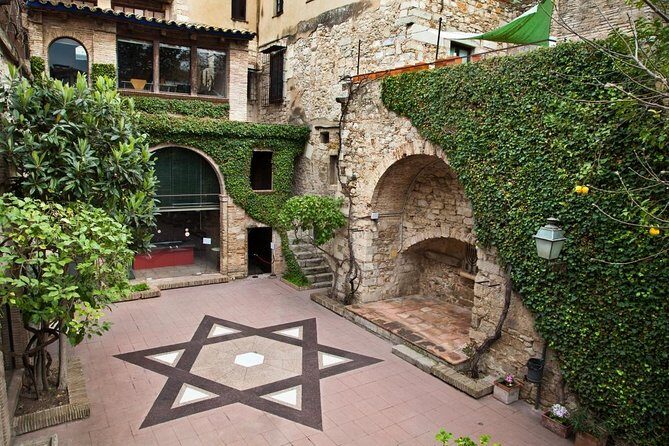
- Museum + mikveh access: you see the story explained, then you see the site itself.
- Girona’s medieval lanes: guided time in both medieval and Jewish quarters.
- Besalú bridge and medieval village: a strong start with the town gateway experience.
- English (or Spanish) tour option: choose the language that helps you follow the details.
- No lunch included: bring cash or plan ahead for a meal break.
A Day That Starts with Context, Then Lands on the Evidence
Jewish history in Spain doesn’t feel like a textbook here. It feels like architecture, streets, and rituals you can still point to. You’ll move through key stops in Girona and Besalú with a guide who brings the setting to life using what’s still visible today.
For me, the best part of tours like this is the rhythm: first you learn how to read the place, then you walk it. That’s exactly how this day is structured, with time at the Museum of Jewish History of Girona and then guided visits through the medieval quarters in both towns.
The other big win is the mikveh visit. A mikveh is not just a building—it’s a real, physical window into the everyday spiritual life of the community that once used it.
You can also read our reviews of more historical tours in Girona


Start at Plaça de Sant Feliu and Plan for an Full, 8-Hour Day
You meet at Plaça de Sant Feliu in Girona, starting at 9:00 am, and the tour ends back at the same meeting point. The total time is listed as about 8 hours, so think of this as a full-day commitment rather than a quick add-on.
The good news: the meeting point is near public transportation, so you’re not stuck with a car or long detours before 9. If you’re taking trains or buses that day, you can still make this work with sensible planning.
Also, you’ll have a mobile ticket. That means less time with printed vouchers and more time getting your bearings once you arrive.
Puente de Besalúa: A Medieval Gateway That Frames Everything Else
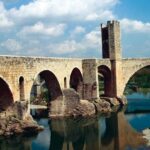
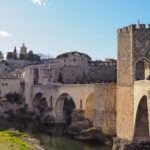
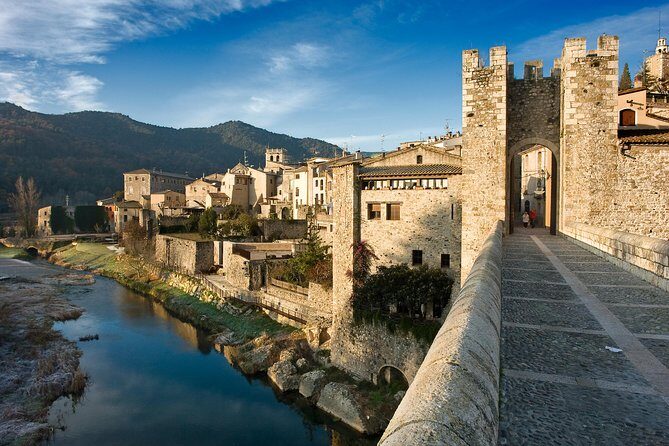
Right away, you’ll get a taste of Besalú’s medieval world at the Puente de Besalúa stop. Even if it’s short, this is a smart opener because the bridge represents a kind of town threshold—one of those places where you can picture how people entered, traveled, and controlled access in medieval times.
What I like about starting with a gateway point is that it helps you understand why the later Jewish sites matter. When you know where visitors came in, the city layout feels less random. It becomes a map.
And because the walking time here is brief and admission is listed as free, it’s an easy start before the deeper focus kicks in.
The Museum of Jewish History in Girona: Where the Story Gets Organized
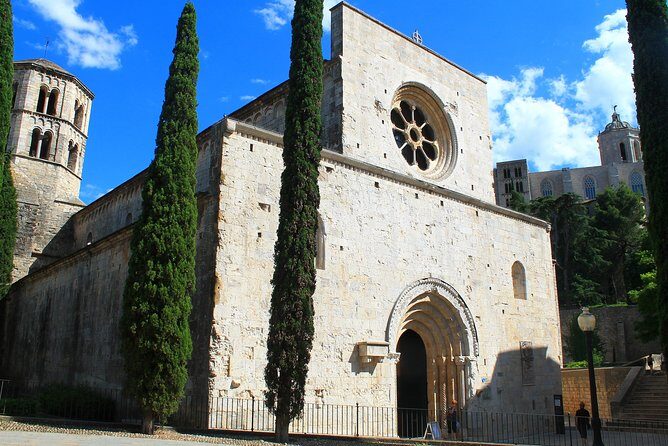
Next comes the Museum of Jewish History of Girona, with about 1 hour of guided time. This stop is valuable because the museum gives you the structure behind what you’ll see on the streets: key themes, the timeline, and the meaning of places like ritual sites and community spaces.
When you’re learning on foot, organization matters. Without it, you can end up with a blur of plaques and architecture. With the museum context, the medieval quarters start to feel like they have a purpose, not just decoration.
Admission is included here, so you’re not juggling ticket logistics mid-day. You can focus on learning and asking questions, which is where a small group really pays off.
Walking Girona’s Medieval and Jewish Quarters with a Guide at Your Side
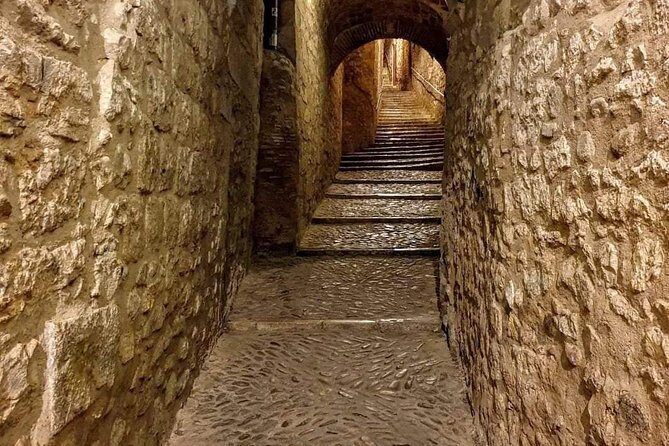
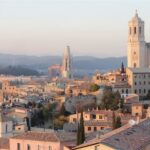
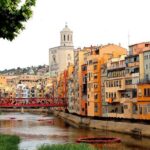
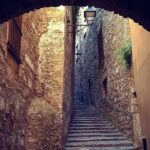
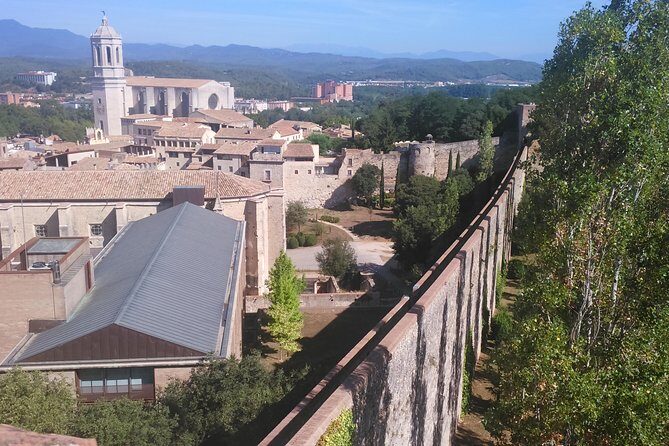
After the museum, your guided time in Girona shifts outdoors, with about 3 hours covering the medieval and Jewish quarters. This is where you get to connect the museum’s big ideas to smaller details you might miss on your own.
In Girona, the streets are the point. You’ll get guided interpretation of what you’re seeing in the medieval fabric of the city, including how different religious communities lived side by side over time. The goal isn’t just to name sites—it’s to explain why they mattered and how they fit the broader Spanish story.
This part also rewards pacing. With a group size capped at 7, you’re more likely to get a slower, clearer explanation rather than hearing everything at a sprint.
If you want to photograph, you’ll have chances, but keep expectations realistic: you’ll spend time looking closely, not just moving through.


Besalú’s Medieval Village: Streets, Symbols, and the Jewish Quarter
Besalú is one of those towns that feels like it was built for walking, and your guided time there is about 2 hours. This is the medieval village experience, with time to see the Jewish quarter areas and understand the town’s medieval layout.
Even when an old town is busy, a guide can do what Google Maps can’t: they help you connect buildings and street shapes to how people lived. You get a clearer sense of daily life, community presence, and the physical footprint of Jewish history in the area.
What I’d watch for in this segment is listening for the small connections. The strongest guided tours make you notice small things, like how a street corner or a doorway fits into a larger story.
Also, the tour includes the key ritual site visit later, so this segment works best when you keep it as part of the larger arc rather than treating it as a standalone stop.
The 13th-Century Mikveh in Besalú: The Ritual Site You Can Actually See
The day’s emotional and visual highlight is the visit to the Sinagoga Miqve—the 13th-century mikveh in Besalú. It’s around 30 minutes, and admission is listed as included.
This matters because a mikveh isn’t a generic museum exhibit. It’s a preserved ritual space, one of the most well kept examples in Europe. Being able to see it as a physical place—rather than only reading about it—changes the way the history lands.
From the experience of past groups, the mikveh visit can feel especially focused. Some departures have had a calm, almost private feel, because of the way access is handled on-site and the small group size. The key detail is that someone on the team manages the mikveh access so you’re not just peeking; you’re learning in context.
If you care about Jewish history beyond major famous sites, this is the moment to pay attention. Slow down. Take in the space. Let the guide connect the ritual purpose to what you’re seeing around you.
Small Group Size and Guides Like Marc, Carmen, Mike, and Gerard
This tour caps at 7 travelers, and that size shift is huge. With smaller groups, you’re less likely to get a canned script and more likely to get direct answers.
The best-reviewed departures highlight guides such as Marc, Carmen, Mike, and Gerard, and the pattern in their guiding style is consistent: clear explanations, a focus on both historical and present-day perspectives, and a willingness to answer questions.
In practical terms, that means if you’re curious about why something looks the way it does, you’re more likely to get a real explanation instead of being waved onward. And if you want to compare what you’re learning to your own family background or questions about identity, you’ll find the conversation stays grounded in what the sites can tell you.
It also helps that you’re not stuck dealing with huge crowd energy in tight spaces—especially important in older streets where moving and listening don’t mix well.
Price and Value: What $179.24 Buys You
The price is listed at $179.24 per person for an ~8-hour small-group experience. On paper, that might sound like a lot until you look at what’s included.
Here’s the value angle I’d focus on:
- All fees and taxes are included.
- Bottled water is provided.
- Admission is included for the Museum of Jewish History of Girona and the Sinagoga Miqve.
- Other guided segments in Girona and Besalú have admission listed as free.
So you’re paying for guided interpretation and for two of the ticketed sites that often cost extra. That’s a win if you hate tourist add-on costs and want a day where everything feels planned.
The one clear cost gap: lunch isn’t included. This isn’t a deal-breaker, but it does mean you should budget time and money for food. If you’re the type who forgets lunch until it becomes hangry, plan early.
What to Expect on the Ground: Walking, Time in Quarters, and Museum Focus
This experience is built around guided walking in historic areas, plus museum time. That means comfortable shoes matter more than anything flashy. Medieval streets are not designed for stiff soles and impatience.
You’ll spend:
- A short start at Puente de Besalúa
- About 1 hour in the museum
- About 3 hours walking Girona’s medieval and Jewish quarters
- About 2 hours in Besalú’s medieval village
- About 30 minutes at the mikveh
That adds up to a day where you’ll be moving, listening, and looking. If you like history best when it’s tied to place, you’ll be in the right lane.
If you prefer to sit in cafés and only do quick highlights, this may feel like too much. But if you like a structured day with a guide, it’s the right tempo.
Who This Tour Suits Best (and Who Might Skip It)
This tour is a strong fit for you if:
- You want Jewish history in Spain tied to real locations you can walk through.
- You like small groups and direct Q&A time.
- You’re interested in both Girona and Besalú, not just one town.
- You want museum context plus a meaningful ritual site visit.
It may be less ideal if:
- You want total freedom with no schedule and minimal walking.
- You’re not interested in religious history sites and would rather focus only on general sightseeing.
- You need an included meal to feel comfortable on day trips.
If that last point is you, simply plan lunch before you’re tired. The tour gives you the learning; you supply the sandwich.
Should You Book the Girona and Besalú Jewish History Tour?
Yes, if you want a guided day where the story makes sense because you see it in the right order: museum context, then street-level interpretation, and finally the 13th-century mikveh. The small group size makes the explanations feel personal, and the focus on specific sites (not just generic city views) gives you a real takeaway.
Book it especially if Jewish history sites are a top priority for your Spain trip and you’d rather spend money on meaningful access and interpretation than on extra attractions you’ll forget next week.
If you’re flexible about meals and comfortable walking medieval streets, this is one of those day trips that feels like it adds depth, not just hours.
FAQ
How long is the Girona and Besalú Jewish History tour?
It’s listed at about 8 hours.
What time does the tour start, and where does it meet?
The tour starts at 9:00 am at Plaça de Sant Feliu, 17004 Girona, Spain, and it ends back at the same meeting point.
What languages are available?
The experience is offered in English, and there’s also an option for Spanish.
How big is the group?
The tour has a maximum of 7 travelers.
Are tickets included?
Yes. Admission is included for the Museum of Jewish History in Girona and the Sinagoga Miqve, while other guided segments list admission as free.
Is lunch provided?
No. Lunch is not included.
What does the price include?
All fees and taxes are included, and bottled water is provided.
Is the tour accessible for most people?
The tour notes that most travelers can participate, and the meeting point is near public transportation.